
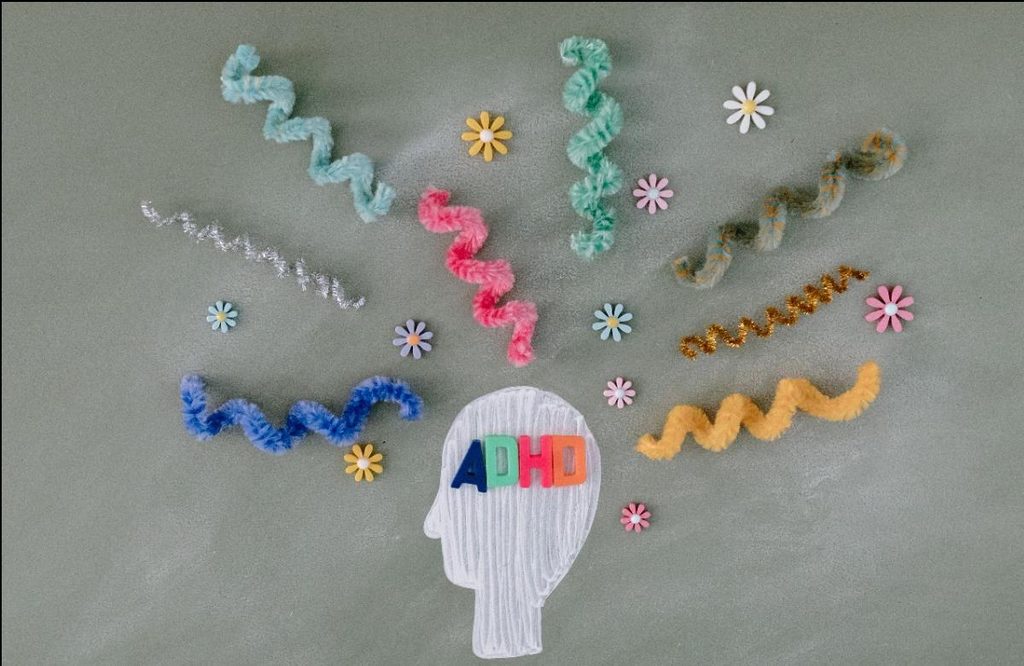
Yes. ADHD and anxiety often happen together in kids, and one can hide the other. A child who will not sit still may be worried rather than inattentive, and a child who stalls on homework may be scared of getting it wrong. Sorting that out starts with a pediatric evaluation, not a guess.
The note from school says he cannot stay in his seat during reading. What the note does not say is that he has been awake since 4am dreading the part where he has to read out loud. Both things are true at once. ADHD and anxiety arriving together is more common than most parents expect.
Can ADHD and anxiety happen together in kids?

Yes, and often. Among children diagnosed with attention-deficit/hyperactivity disorder (ADHD), roughly 3 in 10 also have an anxiety disorder, according to the CDC. The reverse is also true: plenty of children come in for worry, sleep trouble, or stomachaches and turn out to have an attention difference underneath.
Clinicians call ADHD and anxiety appearing together a co-occurrence, and it changes what a workup looks like. A child evaluated only for ADHD and a child evaluated only for anxiety can both walk out with half an answer.
Two patterns show up most in our offices:
- The child who has had attention and impulse symptoms since preschool, then develops worry in second or third grade once schoolwork starts exposing the gap
- The child whose anxiety has always been there, and whose restlessness and distraction are what the worry looks like from the outside
Parents frequently ask us which one came first. Clinically it matters less than it feels like it should. What matters is that both get named, because treating one and ignoring the other tends to stall.
Why do ADHD and anxiety look so much alike in children?
Because the observable behaviors overlap almost completely. From across a classroom, these look identical:
- Trouble finishing work and turning it in
- Fidgeting, leg bouncing, getting out of the seat
- Forgetting instructions given a minute ago
- Trouble falling asleep
- Meltdowns over transitions or homework
- Avoiding a task before it has even started
What separates ADHD and anxiety is usually the reason underneath, not the behavior on top. A child with ADHD often cannot hold the instruction in mind long enough to act on it. A child with anxiety heard the instruction and is stuck on what happens if they get it wrong. Same unfinished worksheet, different cause, different plan.
Sleep is the clearest example. Children with ADHD frequently have trouble shutting the day down. Children with anxiety are lying awake replaying it. Asking a child what they are thinking about at bedtime gets you further than any checklist.
How can I tell if it is ADHD, anxiety, or both?

You cannot separate ADHD and anxiety for certain at home, and you are not expected to. What you can do is collect the information that makes an evaluation useful:
- Write down when symptoms started and what was happening in that stretch, including a move, a new school, a divorce, or a loss
- Note where the symptoms show up. ADHD symptoms usually appear in more than one setting. Anxiety more often clusters around specific triggers such as tests, separation, or social situations
- Ask your child directly what the hard part is. Answers like “I forget” and “I am scared I will mess up” point in different directions
- Save the teacher emails and progress reports. Teacher observations carry real weight in an evaluation
- Track sleep for two weeks, including bedtime, wake time, and what your child says about falling asleep
Bring that to a well-child visit rather than a rushed sick visit. Behavioral concerns need a longer appointment than a sore throat does.
Internal link: Well-Child Visits →
What does a pediatric evaluation for ADHD and anxiety involve?
At Kidsville, an initial workup typically includes a history from you, standardized rating scales completed by both parents and teachers, a physical exam, and screening for the conditions that imitate both diagnoses. Thyroid problems, iron deficiency, sleep-disordered breathing, hearing and vision problems, and learning disabilities all produce inattention, and none of them respond to ADHD treatment.
There is no blood test or scan that diagnoses either condition. The diagnosis comes from a pattern across settings over time, which is why the rating scales and the teacher input matter as much as the visit itself.
Depending on what we find, the next step may be school accommodations, a referral for a learning evaluation, behavior therapy, or a referral to child and adolescent psychiatry.
When do you refer a child to a specialist?
We refer when ADHD and anxiety together make the picture more complicated than primary care should carry alone. The usual triggers:
- Both ADHD and anxiety are clearly present and the anxiety is limiting daily life
- Symptoms have not improved after a reasonable trial of behavioral strategies and school support
- Medication is on the table and the combined picture makes the choice less straightforward
- There are additional concerns such as depression, obsessive symptoms, tics, or trauma history
- The family wants a second clinical opinion before starting treatment
For families in Mansfield and McKinney, we often refer to Harmonyville, our affiliated behavioral health practice, which handles child and adolescent psychiatric evaluation and treatment.
Cross-brand link: Child & Adolescent Psychiatry at Harmonyville →
Cross-brand link: Pediatric Anxiety Treatment at Harmonyville →
A referral is not a handoff. We stay involved for the medical side, growth and vital sign monitoring, school forms, and coordination, so nothing falls between the two offices.
Frequently asked questions
Can anxiety cause ADHD symptoms in a child who does not have ADHD?
It can produce symptoms that look the same. A worried child misses instructions because attention is already occupied, not because attention itself is impaired. That distinction is exactly what an evaluation is for, and it is why a rushed diagnosis in either direction is worth resisting.
Can ADHD medication make a child’s anxiety worse?
For some children it does, and for others treating the ADHD reduces the anxiety by removing a daily source of failure. There is no way to predict which from the outside, which is why any medication starts with a prescribing clinician, a defined follow-up schedule, and a plan for what to watch. We do not recommend dose decisions from an article.
At what age can ADHD and anxiety be diagnosed?
ADHD can be diagnosed as early as age 4 under AAP guidance, though many children are identified once school demands increase. Anxiety disorders can be diagnosed in preschoolers. Earlier evaluation is generally better than waiting for a child to grow out of it.
Should I tell my child’s school?
Yes, in most cases. Teachers supply information an office visit cannot, and school support is often the first intervention that changes anything. A documented diagnosis also opens access to a 504 plan or an individualized education program.
When to call us sooner
Call our office rather than waiting for the next visit if your child is refusing school, losing weight, having panic symptoms, or saying they do not want to be here. If your child talks about hurting themselves, call or text 988 for the Suicide and Crisis Lifeline, or go to the nearest emergency department.
This article is general educational information and is not a substitute for individualized evaluation, diagnosis, or treatment by your child’s clinician. If your child is in crisis, call 988 or seek emergency care.
Book a behavioral health visit
If ADHD and anxiety symptoms are affecting school, sleep, or home life, book a longer visit so we can work through it properly. Schedule at kidsvillepeds.com/appointment, or call the office nearest you:
- Mansfield: (682) 341-3910
- Southlake: (682) 345-8010
- McKinney: (469) 885-9400
Tags: ADHD, Kidsville Pediatrics, Child Mental Health, Pediatric Anxiety, Behavior


