

Asthma and daycare are usually compatible. Most young children with asthma attend safely once the condition is controlled, which means a written asthma action plan, a quick-relief inhaler kept on site, staff who know how to use it, and a pediatrician tracking symptoms. Pulling a child out is rarely the first fix. Poor control almost always is.
The third call this month came at 10:40 in the morning. Your daughter is coughing again, please come get her. You are out of paid time off, the cough sounds worse than it did in September, and you have started wondering whether daycare itself is the problem.
It is a fair question. In practice, asthma and daycare usually turn out to be compatible once someone checks the right five things.
Does daycare make a child’s asthma worse?
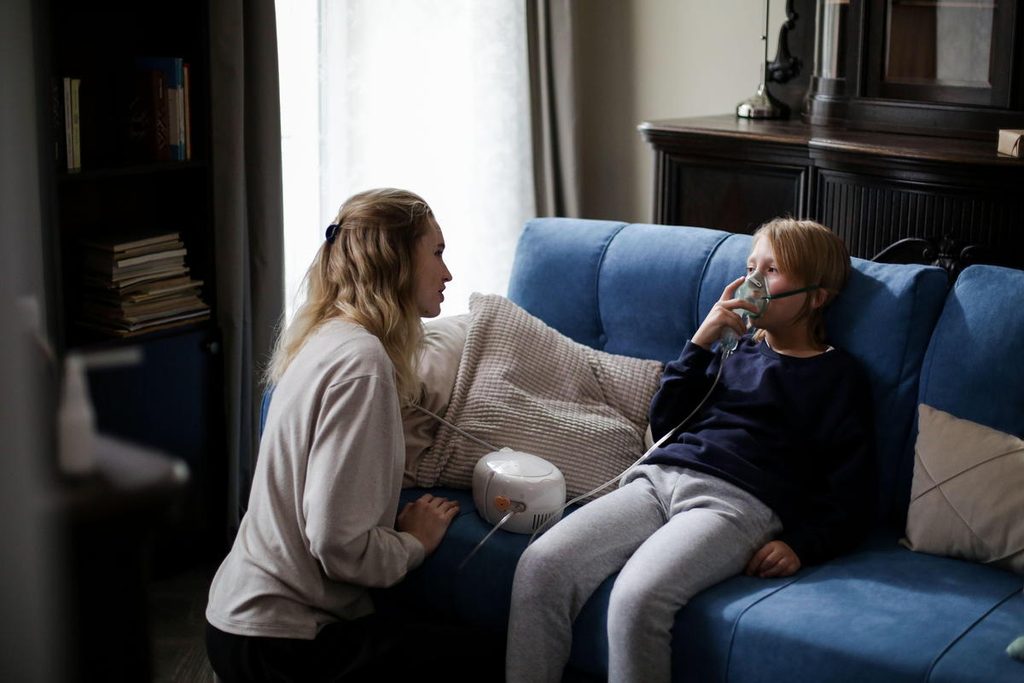
Daycare does not cause asthma, but it does raise the number of colds a young child catches, and viral respiratory infections are the most common asthma trigger in preschoolers. More colds means more flare-ups. That is the mechanism behind almost every “she is always sick since she started” story we hear.
Group care can also expose a child to triggers that are not present at home:
- Classroom pets, especially those with fur or feathers
- Dust and carpet in older buildings, or visible mold from past water damage
- Strong cleaning products, air fresheners, and scented sanitizers
- Cold air, wind, and high pollen counts during long outdoor play blocks
- Secondhand smoke on a caregiver’s clothing
Here is the part that changes the decision. Almost all of those are fixable inside the classroom. Very few of them require a new classroom.
When is pulling a child out of daycare actually the right call?
Withdrawal is worth considering when the specific situation, not the diagnosis, makes safe care impossible:
- The facility will not store or give quick-relief medicine, or has no staff trained to use an inhaler with a spacer
- A major trigger in the building cannot be removed, such as visible mold or an animal the program will not relocate
- Symptoms cluster clearly at that one site and resolve on days at home, over several weeks
- Your child has needed urgent or emergency care more than once despite a treatment plan your pediatrician has already adjusted
- Your child is under 12 months with severe symptoms and your clinician recommends reduced exposure for a season
Notice that only the last two are about asthma severity. The first three are about the program. Asthma and daycare come apart far more often over a missing medication form than over a child’s lungs, so it is worth a direct conversation with the director before you give notice.
Parents frequently ask us to make this call for them, and we cannot do it from the chart alone. What we can do is tell you whether the asthma is controlled, which is the piece that determines whether any of this is urgent.
What should a daycare have in place for a child with asthma?
Before you decide anything, check whether these five things exist:
- A written asthma action plan signed by your pediatrician, kept in the classroom and not only in the office file
- A quick-relief inhaler and spacer stored on site, in date, with a completed medication authorization form
- At least one caregiver per shift who has been shown correct inhaler and spacer technique, not just handed the box
- A written trigger list for your child, and agreement on specific changes such as moving the class pet or switching cleaning products
- A communication routine so you hear about coughing, wheezing, or inhaler use the same day rather than at pickup
Texas childcare programs operate under state minimum standards that govern medication administration, storage, authorization, and staff training (26 Tex. Admin. Code § 746.3805). Ask your director which specific policies apply at your facility and get the current rules in writing rather than relying on a verbal summary. You can review the official Texas HHSC Minimum Standards for Child Care Centers for complete regulatory details.
Flu and other routine vaccines matter more than usual for a child whose asthma is triggered by viruses, so keep that record current alongside the action plan. You can see what is due when on our Immunizations page.
What does well-controlled asthma actually look like?
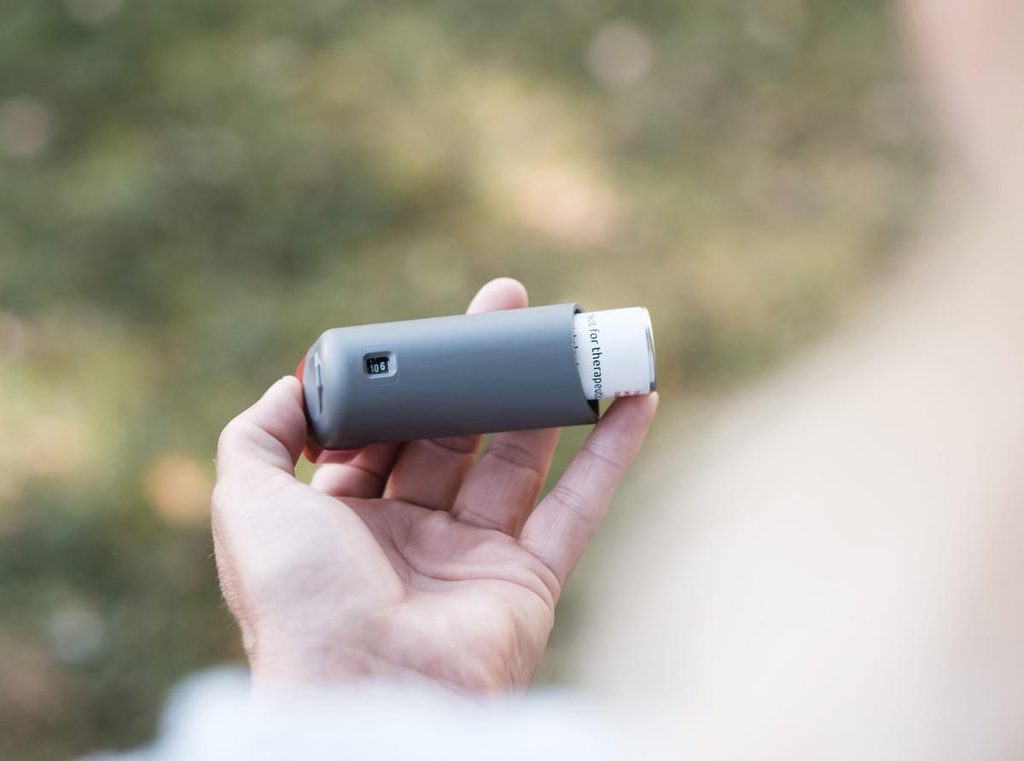
Control is judged on how the asthma behaves day to day, not on how the diagnosis sounds. Your pediatrician assesses it across five areas:
- How often daytime symptoms happen in a typical week
- How often coughing or wheezing wakes your child at night
- How often the quick-relief inhaler is needed
- Whether symptoms limit running, playing, or keeping up with the class
- How many flare-ups have needed oral steroids or an urgent visit in the past year
A child who needs the rescue inhaler frequently, wakes at night coughing, or sits out active play is not well controlled, and that is a signal to adjust treatment rather than to change childcare. Those thresholds are specific and age-dependent, which is why this is a conversation at a visit and not a number to match at home (AAP, Allergies and Asthma).
We do not publish inhaler doses here, and no one should adjust a controller medication based on an article. Bring the action plan to the visit and we will change it there.
When should you get same-day care instead of waiting?
Call us the same day, or seek emergency care, if your child shows any of these:
- Breathing fast, or working hard to breathe
- Skin pulling in around the ribs, at the neck, or under the breastbone with each breath
- Trouble speaking in full sentences, eating, or drinking because of breathing
- Wheezing or coughing that does not improve after quick-relief medicine, or that returns sooner than the action plan expects
- Needing the quick-relief inhaler more often than the plan allows
- Lips, gums, or fingernails that look blue or gray
Blue or gray lips, severe difficulty breathing, or a child who is drowsy and hard to rouse is a 911 call, not a phone-triage call.
Sick visits →https://www.kidsvillepeds.com/sick-visits/
Frequently asked questions
Will my child outgrow asthma faster if I keep them home?
No. Keeping a child home reduces viral exposure for a while, but it does not change the underlying airway condition, and most children meet the same viruses later in preschool or kindergarten. Control comes from the treatment plan, not from avoidance.
Can a daycare refuse to give my child an inhaler?
Policies vary by program and are governed by state childcare standards and, in some cases, disability law. Ask for the program’s written medication policy before you enroll or withdraw, and bring it to your pediatrician if it conflicts with the action plan.
Are asthma and daycare worse than a nanny or home care?
Sometimes, for a child under one with severe symptoms or during a bad season. For most preschoolers with controlled asthma, the tradeoff is not worth it, and the same triggers exist at home if no one has checked for them.
How many sick days are too many for a preschooler with asthma?
There is no fixed number, and frequent colds alone are not the warning sign. What matters is whether each illness turns into a flare-up needing rescue medicine, urgent care, or steroids. That pattern is the reason to come in.
This article is general information based on AAP guidance and is not a substitute for individualized medical advice about your child. If your child is struggling to breathe, cannot speak in full sentences, or has blue or gray lips, call 911 or go to the nearest emergency department.
Bring the action plan in and we will sort it out
If your child has been sent home from daycare more than once this season, book a visit before you make a childcare decision. We will review the action plan, check inhaler technique with you in the room, and write whatever the program needs on paper.
Schedule at kidsvillepeds.com/appointment, or call the office nearest you:
- Mansfield: (682) 341-3910
- Southlake: (682) 345-8010
- McKinney: (469) 885-9400
Same-day sick visits are available when your child is having breathing trouble.Tags: Kidsville Pediatrics, Pediatric Health, Child Asthma, Daycare & Asthma, Asthma Action Plan, Childhood Respiratory Health, Asthma Triggers, Inhaler Care


