
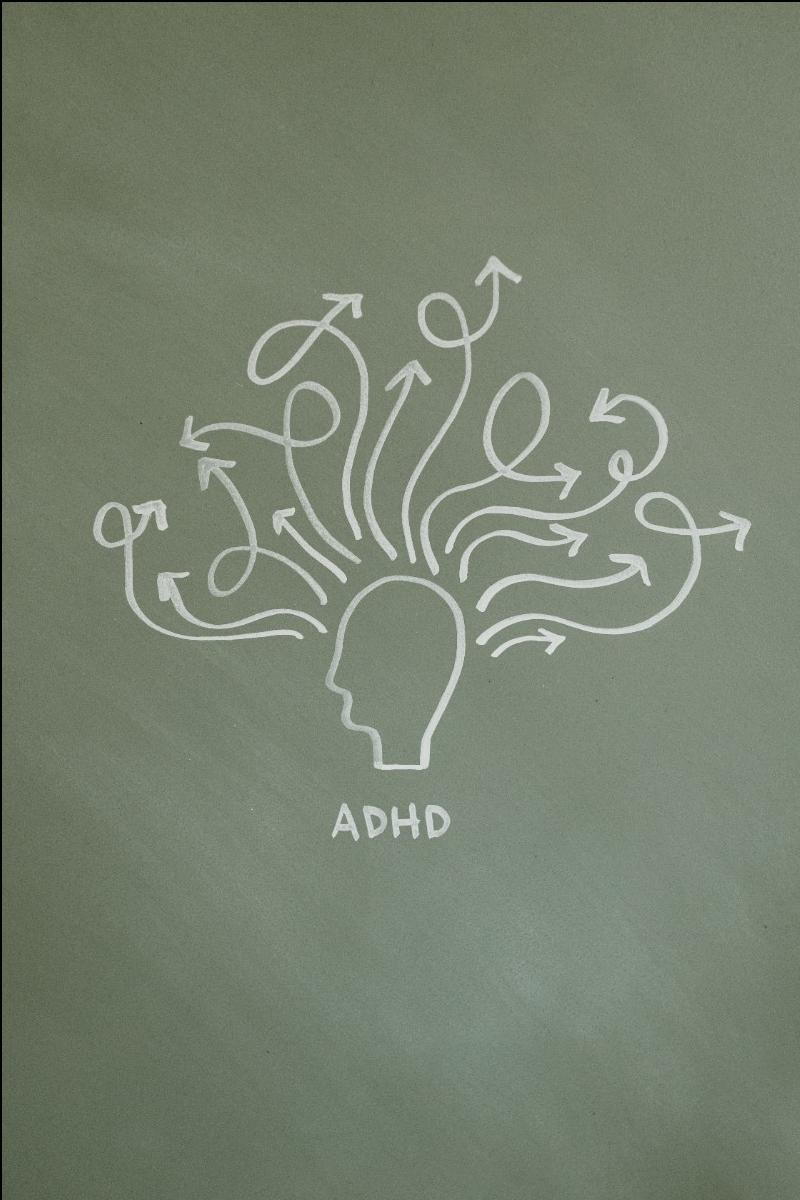
ADHD in children shows up as inattention, hyperactivity, impulsivity, or a mix of all three. To point toward ADHD rather than ordinary childhood behavior, symptoms have to appear before age 12, last at least six months, show up in more than one setting, and get in the way of school, friendships, or home life.
The email from the teacher lands on a Tuesday afternoon and uses the phrase “difficulty staying focused.” You read it four times, then start mentally cataloguing the last two years. That is how most of these conversations start in our exam rooms.
What are the signs of ADHD in children?
Symptoms fall into two groups, and a child can have one group, the other, or both (CDC, ADHD Symptoms and Diagnosis).
Inattention tends to look like:
- Careless mistakes on schoolwork, or work that is rushed and incomplete
- Losing track mid-instruction, or seeming not to hear you when you speak directly
- Trouble organizing tasks, materials, and time
- Avoiding or resisting anything that takes sustained mental effort
- Losing things constantly: jackets, water bottles, homework, shoes
- Getting pulled off task by small distractions
- Forgetting daily routines that have been in place for years
Hyperactivity and impulsivity tend to look like:
- Fidgeting, squirming, or getting out of the seat when staying seated is expected
- Running or climbing at times that make no sense for the setting
- Difficulty playing quietly, or seeming to run on a motor
- Talking a great deal, and talking over people
- Blurting out answers before a question is finished
- Struggling to wait for a turn
- Interrupting games, conversations, and other people’s activities
Two things parents rarely expect. Hyperactivity usually looks less like bouncing off walls as children get older and more like restlessness, fidgeting, or an inability to sit through dinner. And a child with ADHD can concentrate intensely on something genuinely interesting for an hour, which does not rule out the diagnosis. Difficulty is with regulating attention, not with having it.
How is ADHD different from normal kid behavior?
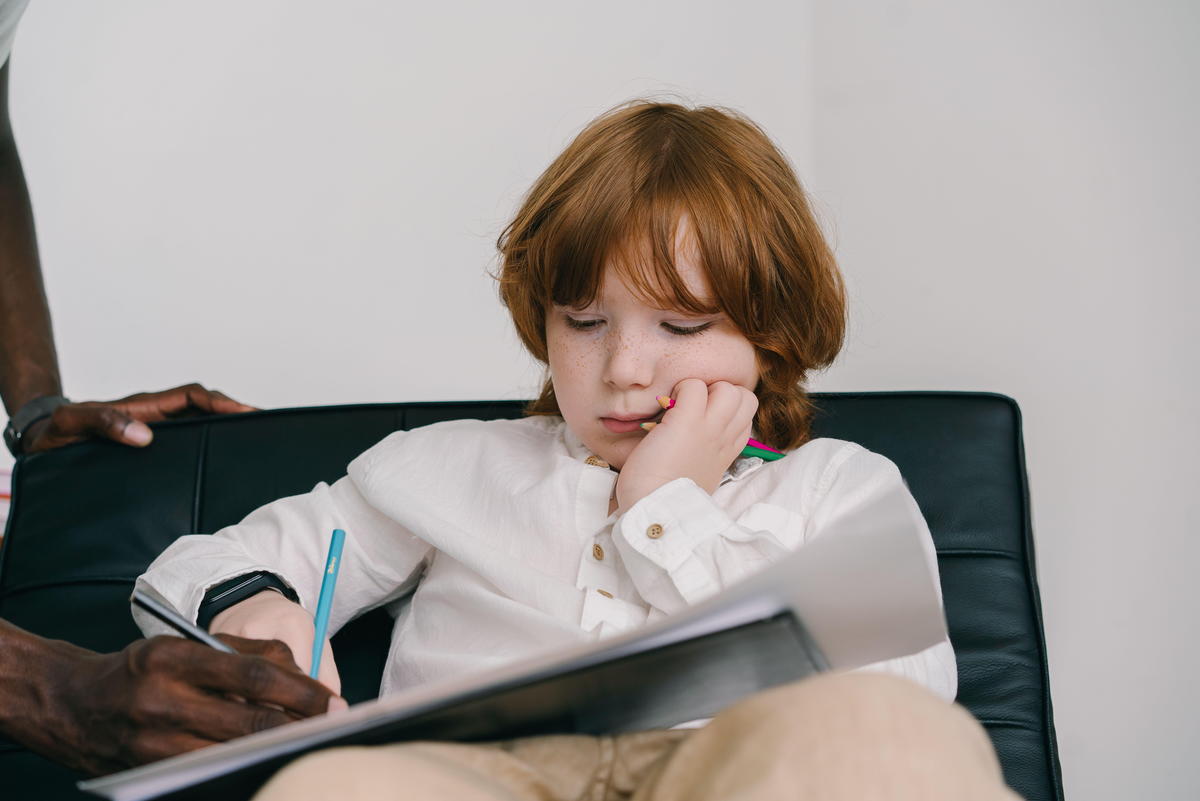
Every child on that list has done most of those things. Four filters separate ordinary childhood from a diagnosis:
- The behavior is well outside what is typical for the child’s age, not just inconvenient for adults
- It has lasted at least six months
- It appears in two or more settings, such as home and school, not only in one
- It is measurably interfering with schoolwork, friendships, or family life
Symptoms also need to have been present before age 12, even if nobody named them at the time. Diagnostic criteria additionally require a specific number of symptoms from a category rather than a general impression, which is one reason a formal evaluation uses standardized rating scales from both parents and teachers (CDC, Diagnosing ADHD).
That two-settings requirement does a lot of quiet work. A child who is fine at school and impossible at home, or the reverse, usually has something else going on, and finding out what matters more than settling on a label.
What else can look like ADHD?
More than parents expect, which is why the evaluation is medical rather than a checklist. Common conditions that produce similar behavior:
- Poor or disrupted sleep, including obstructive sleep apnea from enlarged tonsils
- Undetected hearing or vision problems
- Anxiety, which can look identical to inattention from the outside
- A learning disability, where avoidance is a response to work that is genuinely too hard
- Stress, loss, or disruption at home
- Iron deficiency, thyroid problems, or side effects from another medication
- Absence seizures, which can be mistaken for zoning out
One more that surprises people: age relative to classmates. The youngest children in a grade get diagnosed at higher rates than the oldest, which is a maturity gap rather than a disorder. If your child has a summer birthday and started school on the young side, that is worth saying out loud at the appointment.
Why do some children with ADHD get missed for years?

Because a quiet presentation doesn’t create a problem for anyone else. An inattentive child who isn’t hyperactive isn’t disrupting a classroom, so nobody escalates. The symptoms get read as daydreaming, laziness, or not trying, and the child often absorbs that description of themselves.
Bright children get missed for a related reason. They compensate well enough to stay near grade level, and the gap between how hard they are working and what they produce only becomes obvious when the workload increases, often in middle school.
What should I do if I think my child has ADHD?
Start with your pediatrician rather than a checklist online. Before the visit, three things make the appointment substantially more useful:
- Write down specific examples with dates, not general impressions. “Took two hours on twenty minutes of math homework, three nights running” tells us more than “can’t focus.”
- Ask the teacher to put their observations in writing, and bring any report cards or school communications.
- Note sleep, screen habits, appetite, mood, and anything that changed at home in the past year.
In our experience at Kidsville, the families who arrive with a written record get to an answer faster, because ADHD evaluation depends on patterns over time rather than on how a child behaves during a twenty-minute office visit. The AAP recommends evaluation for any child between 4 and 18 who has academic or behavioral problems along with symptoms of inattention, hyperactivity, or impulsivity (HealthyChildren.org, ADHD).
Internal link: Well-Child Visits →
Frequently asked questions
Can a 4-year-old be diagnosed with ADHD?
Yes, though it takes more care. Preschool behavior varies enormously and a great deal of what looks like ADHD at 4 is developmentally normal, so evaluation at that age leans harder on input from multiple caregivers over a longer stretch. Behavioral treatment, not medication, is the recommended first step for this age group.
Does screen time cause ADHD?
No. Children with ADHD often gravitate toward screens, because fast-changing content asks less of the attention system than homework does, so the two show up together often. That association is not the same as one causing the other. Reducing screen time is worth doing for sleep and for other reasons, but it will not resolve ADHD.
Will my child grow out of ADHD?
Often not entirely. Visible hyperactivity usually fades through adolescence while difficulties with attention, organization, and time management tend to persist. What changes most is how well a person manages it, which is the point of getting an accurate answer early rather than at 25.
This article is general educational information and is not a substitute for an individualized evaluation by your child’s clinician. ADHD cannot be diagnosed from a symptom list, and several treatable medical conditions produce similar behavior.
Talk to us about an evaluation
If you recognize your child in this, bring it to a well-child visit or book a dedicated appointment and we will work through it with you. Book at kidsvillepeds.com/appointment, or call the office nearest you:
- Mansfield: (682) 341-3910
- Southlake: (682) 345-8010
- McKinney: (469) 885-9400
Tags:
Behavioral Health,
ADHD,
Child Development,
School Age,
Parenting


