
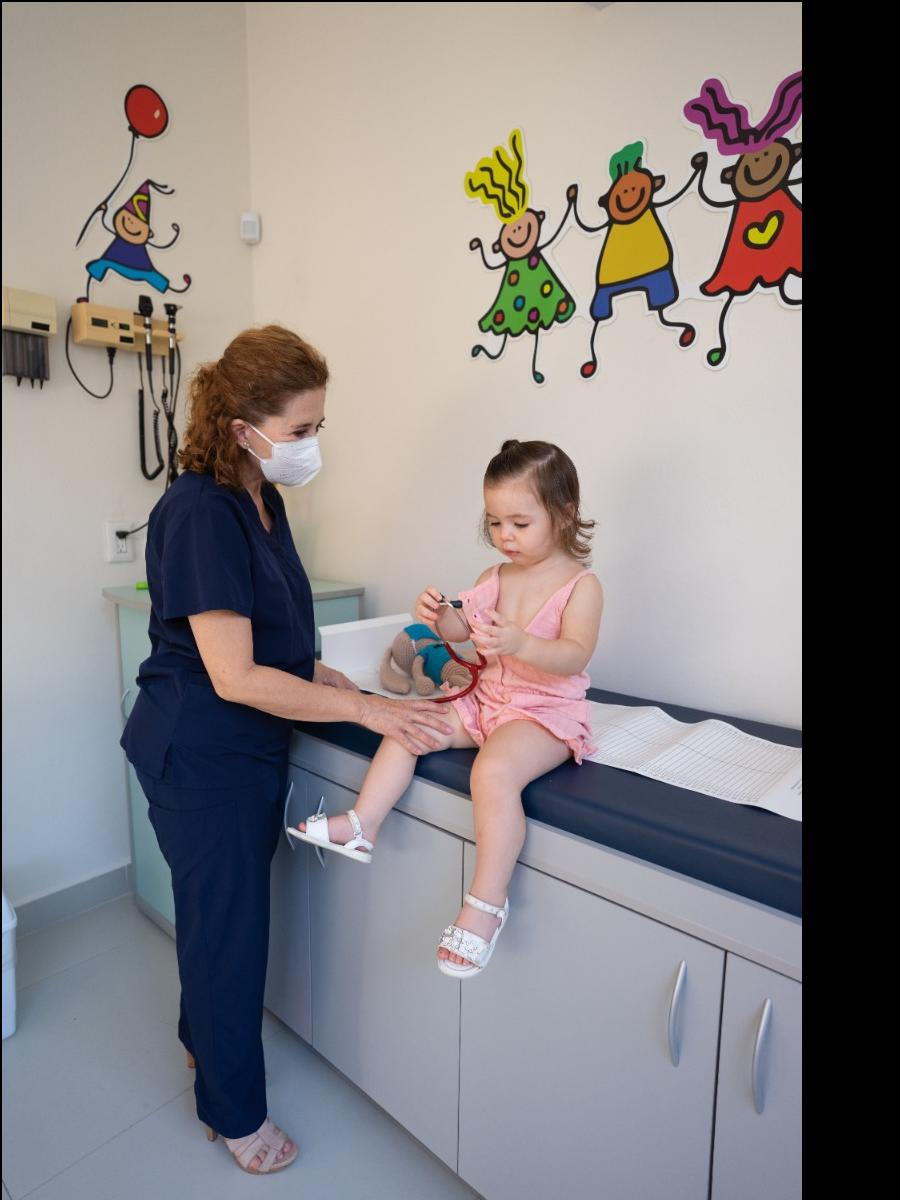
At a first visit with a new pediatrician, ask about after-hours and sick-visit access, who your child will actually see, how the practice handles vaccines and referrals, and how to reach the team between appointments. Bring immunization records, insurance details, and a written list — the visit moves fast.
You’ve moved, or changed insurance, or finally left the practice where you waited forty minutes past every appointment. Now you have a new pediatrician, one visit to size them up, and roughly zero minutes to think of good questions on the spot.
The first visit is a two-way interview. Here’s what to ask, what they’ll ask you, and what should give you pause.
What should I bring to the first visit with a new pediatrician?
- Immunization records from every previous practice, pharmacy, or school clinic
- Insurance card and photo ID
- A medication list with strengths — photos of the bottles work
- Records of any chronic condition, allergy, or specialist care
- Birth records, for infants and toddlers
- Your written questions
If records haven’t transferred yet, come anyway. A new pediatrician can reconcile immunizations against Texas ImmTrac and fill gaps from there — you can see how that works on our Immunizations page.
Baby’s First Year of Pediatrician Visits
12 questions to ask a new pediatrician
Write these down. A first visit with a new pediatrician runs 20 to 30 minutes and most of it belongs to your child’s exam, so the questions you don’t have in front of you are the ones you won’t ask.
Access and availability — the four that predict your actual experience:
- If my child is sick today, can we be seen today? Ask how same-day requests work, not whether they exist in principle
- What happens after hours and on weekends? Is there a nurse line, an on-call clinician, or an answering service that tells you to go to the ER
- How far out are routine well visits booked?
- How do I reach you between visits — portal, phone, email — and what’s the realistic response time
Who we’ll actually see:
- Will my child see the same clinician each time, or whoever is available
- Who covers when you’re out?
- Which hospital do you admit to or coordinate with?
Clinical approach:
- How do you handle vaccine questions from parents? You’re listening for whether there’s room to ask, not for a particular answer
- How do you decide when to refer to a specialist, and how long do referrals usually take
- How do you handle developmental or behavioral concerns? Some practices screen and refer; some have integrated support
Practical:
- Are you in network with my plan, and what’s the self-pay rate if not
- What are the office’s actual hours, and is there more than one location
If you only get through four, use questions 1, 2, 5, and 9. Those four tell you more about daily life with a practice than the rest combined.
What will the new pediatrician ask me?
Expect the visit to run both directions. A thorough first appointment usually covers:
- Birth history, pregnancy complications, and gestational age
- Feeding, growth, and sleep patterns
- Developmental milestones, and any concerns from you or a teacher
- Family medical history — including mental health conditions, which are relevant and routinely asked
- School, childcare, and who else cares for your child
- Any previous diagnoses, hospitalizations, or specialist care
Answer the family-history questions fully even when they feel intrusive. They change what a pediatrician screens for, and a gap there is the most common reason something gets caught later than it should have.
How do I transfer records to a new pediatrician?
- Request records from the previous practice in writing. Most require a signed release, and Texas practices generally have a set number of days to comply
- Ask for the immunization record specifically — it’s often stored separately from the chart
- Bring whatever you have, including photos of an old shot card
- Don’t delay the first visit waiting on paperwork. Records catch up; a missed well visit doesn’t
Families who’ve moved between states are the most common gap cases. Records scatter; schedules rarely do.
One detail worth confirming at the first appointment: ask the new pediatrician’s office to tell you once the previous chart has actually arrived. Requests get lost, and the assumption that records transferred is more common than the transfer itself.
What are the red flags when meeting a new pediatrician?

Trust the process signals more than the personality:
- Your questions are brushed aside or answered with visible impatience
- No clear answer about after-hours coverage
- The practice won’t quote a self-pay rate or discuss cost
- You can’t get a straight answer about who your child will see next time
- Nobody asks about development, school, or how you’re doing as a parent
One good sign that’s easy to miss: a new pediatrician who asks about your wellbeing, not just your child’s. Caregiver stress and mood are part of a child’s health, and practices that screen for it are paying attention to the whole picture.
Can I meet a new pediatrician before choosing?
Often, yes. Many practices offer a short meet-and-greet or prenatal consultation, and it’s the cheapest way to avoid picking wrong. Twenty minutes lets you:
- See the office and meet the clinical team before you’re doing it postpartum on three hours of sleep
- Confirm network status and understand newborn billing
- Ask the access questions above while you still have options
- Get a first appointment on the books ahead of delivery
Call and ask — practices that welcome this tend to be the ones worth choosing. (AAP / HealthyChildren.org — How to Choose a Pediatrician)
Frequently asked questions
How do I switch pediatricians without it being awkward?
You don’t need to explain or give notice. Register with the new practice, sign a records release, and they’ll request the chart. No conversation with the old office is required.
Is it bad to change pediatricians more than once?
No, though continuity has real value — a clinician who has watched your child’s growth curve for three years catches things a first-time reader of the chart won’t. Switch when there’s a reason; avoid switching repeatedly for small ones.
What if I don’t like the pediatrician after the first visit?
Fit is a legitimate reason to change, and it’s a normal request. Many families switch to a different clinician within the same practice, which keeps the records and the history intact.
Should my older child answer the questions themselves?
Yes, increasingly with age. Let a school-age child describe their own symptoms, and expect that a teenager will get part of the visit without you in the room. That’s standard practice and it’s how adolescents learn to manage their own care.
This article is general educational information and is not a substitute for individualized medical advice about your child. If your child has an urgent symptom, call our office or seek emergency care.
Meet your new pediatrician at Kidsville
Bring the list — we’d rather answer twelve questions now than have you wondering in six months. Kidsville Pediatrics has offices in Mansfield, Southlake, and McKinney, so you can register at whichever is closest. Book at kidsvillepeds.com/appointment or call:
- Mansfield — (682) 341-3910
- Southlake — (682) 345-8010
- McKinney — (469) 885-9400
Tags:
Child Health,
First Pediatrician Visit,
New Pediatrician,
Pediatric Visit,
Choosing a Pediatrician,
Well-Child Checkup,
Medical Records Transfer,
Pediatric Practice


