
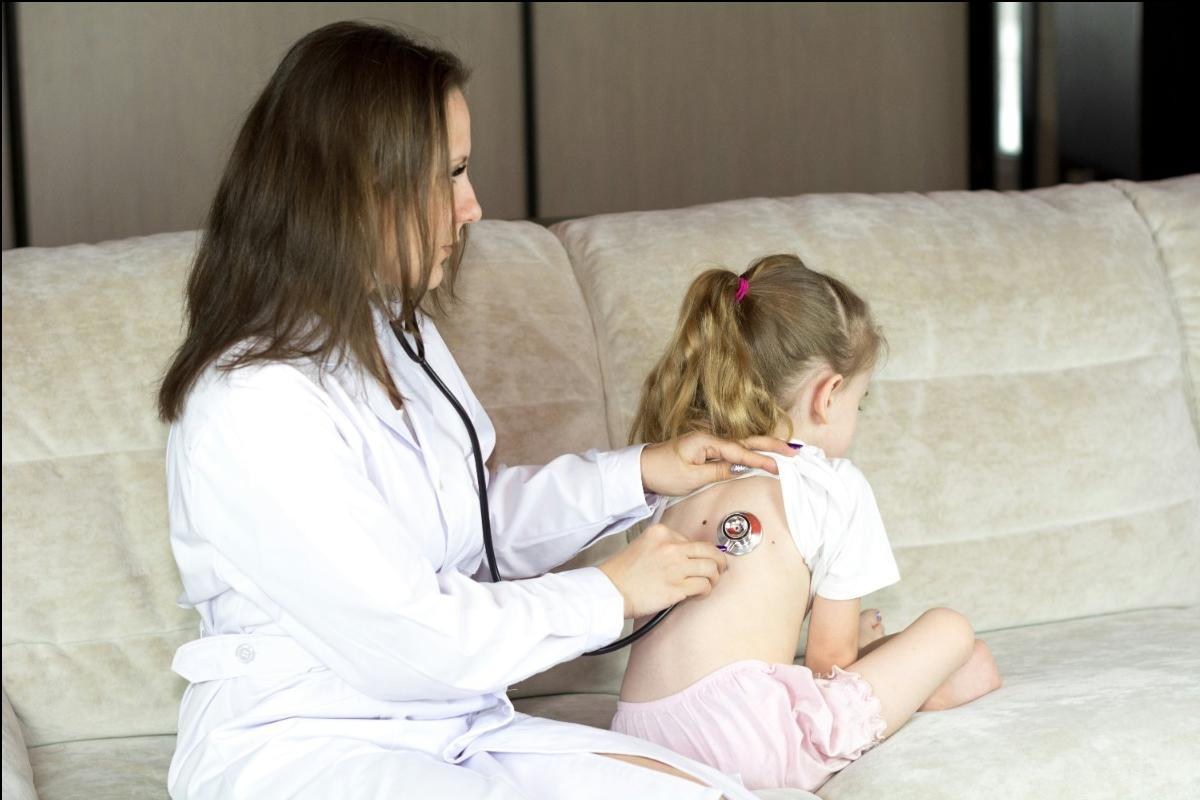
A well-child visit is a scheduled preventive checkup — growth, development, screenings, and vaccines — booked months ahead. A sick visit addresses a new or worsening symptom and is usually same-day or next-day. Different appointment lengths, different exams, different billing. Booking the wrong one is the most common scheduling mix-up we see.
You call to book a checkup, and the scheduler asks whether your child is sick. You hesitate, because she does have a cough, but that’s not why you’re calling. The answer to that question changes what gets scheduled, how long the visit runs, and what shows up on your bill.
Here’s what each appointment actually covers, and how to tell which one you need.
What is the difference between a sick visit and a well-child visit?

The short version: a well-child visit answers “how is my child doing overall?” A sick visit answers “what is this, and what do we do about it?”
What happens at a well-child visit?
Roughly in this order:
- Measurements — height, weight, head circumference in infants, and body mass index in older children, plotted on growth curves rather than judged as a single number
- Full head-to-toe physical exam — heart, lungs, abdomen, skin, eyes, ears, mouth, spine, hips in infants
- Developmental and behavioral screening — language, motor skills, social milestones, and standardized screens for autism at 18 and 24 months and for depression in adolescents
- Vision and hearing checks at the recommended ages
- Lab screening as due — anemia, lead exposure, cholesterol, and others depending on age and risk factors
- Vaccines due that day
- Anticipatory guidance — sleep, feeding, safety, screen time, school, and whatever is coming next developmentally
- Your questions — this is the part parents most often run out of time for, so write them down beforehand
Well-child visits follow a set schedule: frequent in the first two years, then annually from age three. The American Academy of Pediatrics publishes the full timeline (HealthyChildren.org — Your Child’s Checkups).
Because most vaccines are timed to these visits, keeping the well-visit calendar is most of what keeping the immunization schedule requires. You can see what’s given when on our Immunizations page.
What happens at a sick visit?

A sick visit is narrower and faster by design:
- A focused history — when the symptom started, what it’s done since, what you’ve already tried, whether anyone else at home or in the classroom has it
- A targeted exam of the relevant system — ears and throat for a fever, lungs for a cough, abdomen for vomiting
- In-office testing when it changes the plan — strep swab, flu or RSV test, urinalysis
- A diagnosis and treatment plan, including what to watch for and when to call back
- Follow-up instructions — a recheck date if one is needed
What a sick visit is not: a full developmental assessment or a vaccine catch-up appointment. There usually isn’t time, and a child running a fever isn’t in a good position to cooperate with a hearing screen anyway.
Common reasons families book one: fever, ear pain, sore throat, persistent cough, rashes, vomiting or diarrhea, pink eye, injuries, asthma flares, and suspected infections.
Can you combine a sick visit and a well-child visit?
Sometimes — with two caveats.
- A mild illness usually doesn’t cancel a checkup. A runny nose, a mild cough, or a low-grade fever generally doesn’t stop us from doing the exam or giving vaccines.
- A significant illness does. A child with a high fever, notable breathing trouble, or vomiting needs the illness addressed first. The checkup gets rescheduled, and that’s the right call rather than a wasted trip.
- If both get addressed, both get billed. When a clinician evaluates and treats a separate problem during a preventive visit, that’s typically billed as two services on the same day. Preventive care and problem visits are often covered differently, so a checkup you expected to be no-cost may generate a copay.
- Tell the scheduler up front. If your child has symptoms and a checkup is coming up, say so when you call. It lets us book enough time instead of squeezing two visits into one 20-minute slot.
In our experience at Kidsville, the surprise isn’t usually the clinical side — it’s the bill. Parents are rarely told in advance that mentioning a new problem at a checkup can change how the visit is coded. We’d rather you know before you’re standing at the front desk.
How do I know which appointment to book?
Book a well-child visit when:
- Your child is due for a routine checkup by age
- You need vaccines, a school or sports form, or a growth and development check
- You have general questions about behavior, sleep, eating, or milestones
Book a sick visit when:
- There’s a new symptom: fever, pain, rash, vomiting, breathing changes
- An existing illness is getting worse rather than better
- Your child needs a same-day evaluation before school or daycare will take them back
Skip the booking and seek emergency care for trouble breathing, unresponsiveness, a seizure, a serious injury, or signs of significant dehydration. For infants, a rectal temperature of 100.4°F (38°C) or higher in a baby under 2 months is a call-us-now situation, day or night (HealthyChildren.org — Fever and Your Baby).
When you genuinely can’t tell, call. Our team triages these calls all day and can tell you within a minute or two whether this is a same-day slot, a scheduled visit, or something that needs an emergency department instead.
Frequently asked questions
Will insurance cover a sick visit and a well-child visit on the same day?
Coverage varies by plan. Preventive well-child visits are often covered with no cost-share, while a problem-focused visit billed the same day may apply a copay or deductible. Ask your plan’s member services line how they handle a preventive visit and an office visit on one date.
What if my child gets sick the day of a well-child visit?
Call us rather than cancelling on your own. Mild symptoms usually don’t require rescheduling. If they do, we’ll convert the appointment to a sick visit and rebook the checkup — which is a better use of the trip than staying home and losing both.
Can my child get vaccines at a sick visit?
Often yes. A mild illness, with or without a low-grade fever, is not a reason to delay routine vaccines. A moderate or severe illness is, and our clinicians will make that call at the visit.
How far in advance should I book a well-child visit?
For infants, book the next checkup before you leave the current one — the first two years move quickly. For school-age children, book annual visits and sports physicals in spring rather than August, when every family in Mansfield, Southlake, and McKinney is trying to get a form signed at once.
This article is general educational information and is not a substitute for individualized medical advice from your child’s clinician. If your child has trouble breathing, is difficult to wake, has a seizure, or you believe this is an emergency, call 911 or go to the nearest emergency department.
Not sure which appointment to book?
Call and tell us what’s going on — we’ll get your child into the right slot. Same-day sick visits are available, and well-child visits can be booked online at kidsvillepeds.com/appointment.
- Mansfield — (682) 341-3910
- Southlake — (682) 345-8010
- McKinney — (469) 885-9400


