
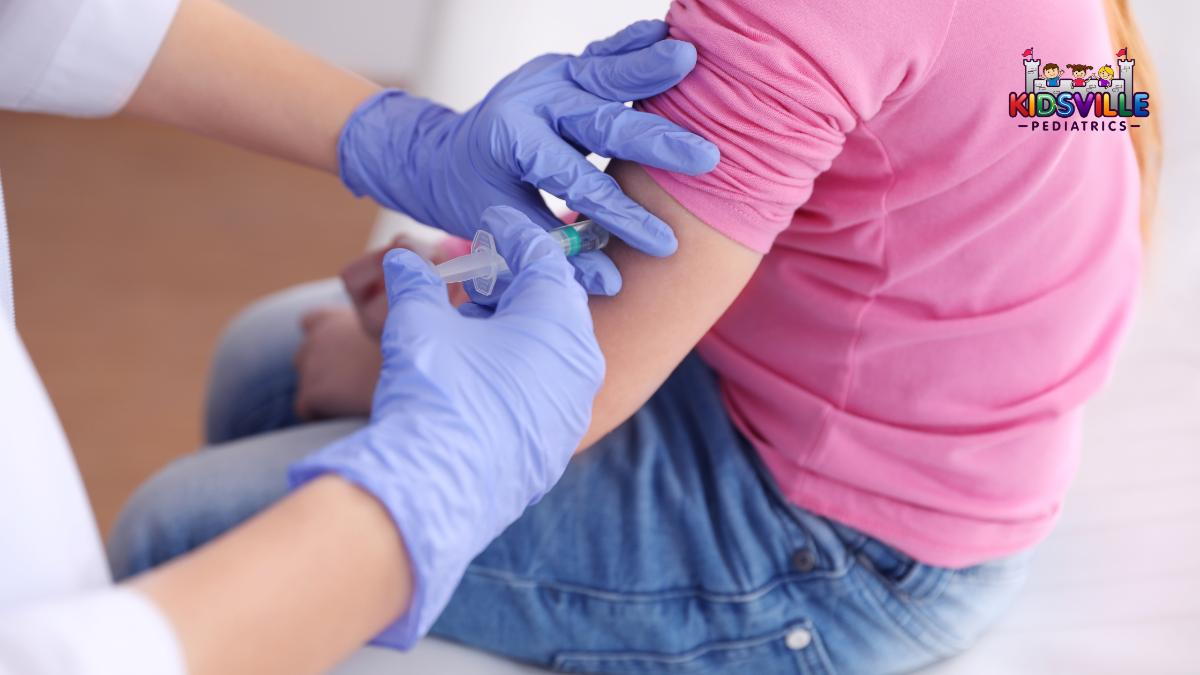
Introduction: The Growing Importance of Preventive Care
Modern pediatric healthcare is shifting from reactive treatment to proactive prevention.
Instead of only treating illness, preventive care focuses on:
- Early detection
- Healthy development
- Disease prevention
- Long-term wellness
In 2026, preventive pediatric visits remain one of the most important tools for supporting lifelong health.
What Is Preventive Pediatric Care?
Preventive care includes:
- Routine wellness visits
- Vaccinations
- Developmental screenings
- Growth monitoring
- Behavioral health assessments
These visits help identify concerns before they become more serious.
Why Regular Well-Child Visits Matter
Children grow rapidly both physically and emotionally.
Routine visits allow pediatric providers to:
- Track milestones
- Monitor growth patterns
- Address concerns early
- Guide parents through developmental stages
Consistent care improves long-term outcomes.
Developmental Screenings: Catching Concerns Early
Developmental screenings evaluate:
- Speech
- Motor skills
- Social development
- Learning behaviors
Early identification supports earlier intervention, which often leads to better progress.
The Role of Vaccinations
Vaccines remain one of the most effective preventive healthcare measures available.
Vaccinations protect children from:
- Serious infections
- Hospitalizations
- Community outbreaks
Keeping immunizations current helps protect both individual children and the broader community.
Preventive Care and Mental Health
Behavioral health screenings are becoming increasingly important.
Pediatric providers may assess:
- Anxiety
- Attention concerns
- Emotional regulation
- Social development
Mental wellness is a critical part of overall health.
Nutrition and Lifestyle Guidance
Preventive visits also provide opportunities to discuss:
- Healthy eating habits
- Sleep routines
- Physical activity
- Screen time balance
Small lifestyle adjustments early in life can prevent future health complications.
Building Trust With Healthcare Providers
Regular visits help children become comfortable with healthcare environments.
This trust can:
- Reduce anxiety during illness
- Improve communication
- Encourage healthier long-term healthcare habits
Why Some Parents Delay Preventive Care
Families sometimes postpone visits due to:
- Busy schedules
- Assuming children are healthy
- Lack of symptoms
However, preventive care is most effective before problems appear.
Preparing for Summer and Back-to-School Needs
Late spring and early summer are ideal times for:
- Wellness exams
- Sports physicals
- Vaccine updates
Scheduling early helps families avoid seasonal appointment shortages.
Final Thoughts
Preventive pediatric care is an investment in a child’s future health, development, and well-being.
Routine checkups provide far more than basic exams—they support physical, emotional, and developmental wellness at every stage of childhood.


