

Friendships play a powerful role in shaping a child’s emotional, social, and mental development from early childhood through the teen years. Parents often focus on academics, physical health, and extracurricular activities, but relationships with peers are just as important. Understanding the friendship benefits children gain can help parents support healthy social connections that positively influence their child’s growth, confidence, and well-being.
Healthy friendships provide children with opportunities to practice communication, manage emotions, build identity, and develop resilience. Pediatric providers, including those at Kidsville Pediatrics Mansfield TX, often see how strong peer relationships can support overall wellness and help children navigate life challenges more effectively.
1. Builds Emotional Support
One of the most important advantages of friendship is emotional support. Friends give children someone to talk to, share feelings with, and feel understood by. This connection helps reduce feelings of loneliness and anxiety, especially during stressful periods like school transitions, family changes, or social pressures.
When children have trusted friends, they are more likely to express their emotions rather than suppress them. This emotional expression supports healthier coping skills and reduces the risk of internalizing stress. Emotional support from peers can also reinforce positive self-worth and provide comfort during difficult situations.
Parents can encourage emotional support development by helping children identify trustworthy friends, teaching emotional vocabulary, and modeling healthy relationship behaviors at home.
2. Improves Social Skills
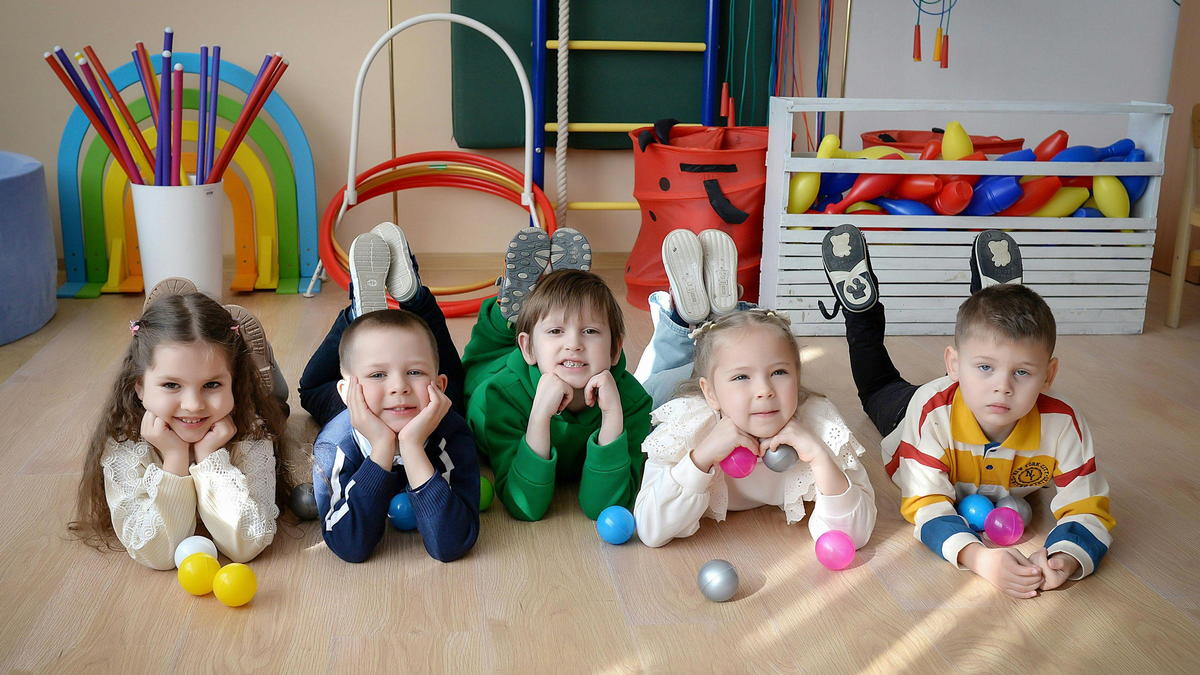
Friendships serve as real-life practice grounds for social development. Children learn sharing, cooperation, communication, and conflict resolution through everyday interactions with peers.
Social learning through friendships helps children understand social cues such as tone of voice, body language, and emotional reactions. These skills become essential not only in school but later in college, careers, and adult relationships. Many studies highlighting friendship benefits show that children with strong social skills often adapt better in new environments and group settings.
Encouraging playdates, group activities, and team experiences can help children build these essential social skills naturally.
3. Boosts Self-Confidence
Having friends helps children feel accepted and valued. This validation strengthens self-esteem and helps children develop a positive self-image.
When children feel included by peers, they are more likely to try new activities, speak up in class, and participate in group settings. Confidence built through friendships often carries into academic performance, extracurricular participation, and leadership development.
Parents can help by reinforcing positive social experiences and helping children recover from social disappointments without harsh self-criticism.
4. Teaches Empathy
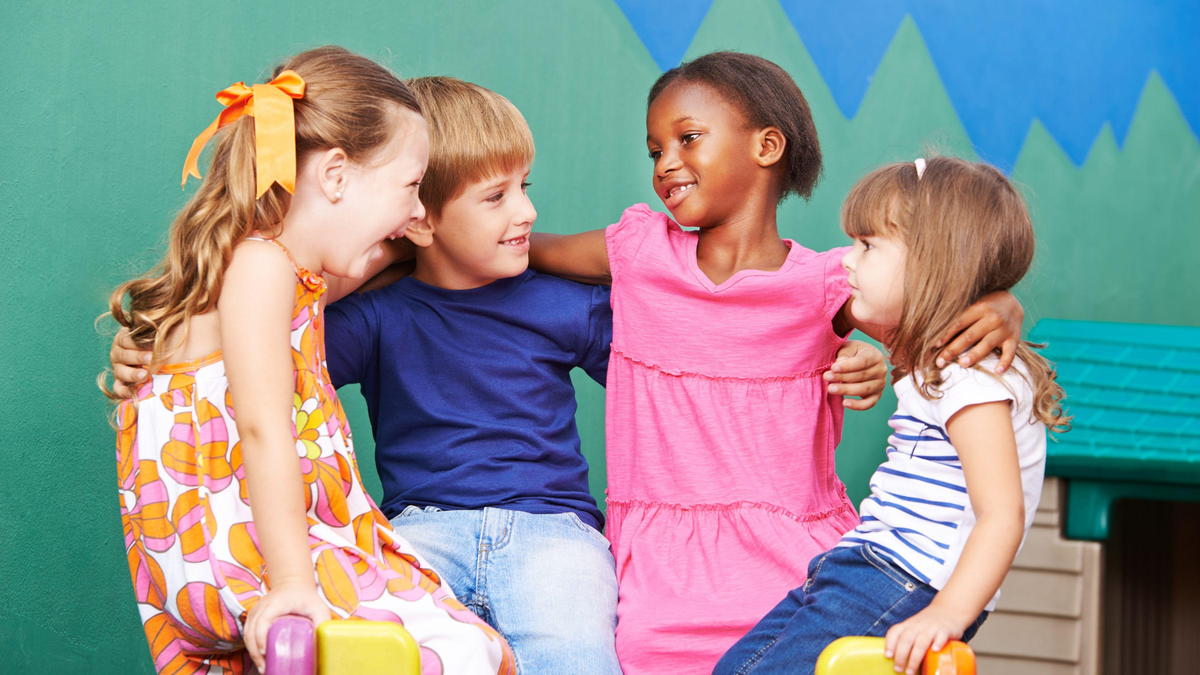
Friendships help children understand other people’s feelings and perspectives. Through shared experiences, disagreements, and emotional conversations, children learn compassion and emotional awareness.
Empathy helps children become better problem-solvers and conflict managers. It also supports bullying prevention because empathetic children are more likely to recognize when others are being hurt and step in or seek help.
Mental health professionals, including specialists working in nurse practitioner psychiatry, often emphasize empathy development as a key protective factor for emotional wellness.
5. Supports Mental Health
Strong friendships are linked to lower stress levels, reduced anxiety, and better emotional regulation. Social connection acts as a protective factor against depression and isolation, particularly during adolescence.
Friendships also provide a safe space for children to talk about stressors they may hesitate to share with adults. Research consistently highlights friendship benefits as protective factors in long-term mental health outcomes.
Specialists such as a psych NP may evaluate social connection patterns when assessing emotional or behavioral concerns in children and teens.
6. Encourages Positive Behavior
Children often model positive behaviors from friends. When surrounded by peers who demonstrate kindness, teamwork, and responsible decision-making, children are more likely to adopt those behaviors themselves.
Peer influence can work both positively and negatively, which is why helping children build healthy friendships is so important. Parents can support this by discussing values like respect, honesty, and accountability at home.
Positive peer modeling is one of the strongest real-life examples of friendship benefits in action.
7. Improves Academic Motivation
Children with healthy friendships often feel more comfortable and engaged in school environments. Having friends in class can increase participation, improve attendance, and reduce school-related anxiety.
Friendships can also support collaborative learning. Study groups, peer tutoring, and shared academic goals can help improve understanding and motivation.
Healthcare providers, including a pediatric mental health nurse practitioner, may assess school engagement as part of overall emotional wellness evaluation.
8. Builds Resilience
Friends help children cope with challenges such as bullying, school stress, social pressure, or life transitions. When children know they are not facing problems alone, they are more likely to recover from setbacks.
Resilient children tend to have stronger problem-solving skills, emotional flexibility, and confidence in navigating difficult situations. These qualities often begin with supportive peer relationships.
Parents can help build resilience by encouraging open communication about friendships and helping children navigate social challenges constructively.
9. Develops Communication Skills
Friendships teach children how to express needs, listen actively, and solve disagreements respectfully. These communication skills become essential life tools that influence relationships in adulthood.
Children learn how to negotiate, apologize, set boundaries, and advocate for themselves through peer interactions. Practicing these skills early helps children develop stronger interpersonal confidence.
Communication development is another key area where research supports long-term friendship benefits across childhood and adolescence.
10. Creates a Sense of Belonging
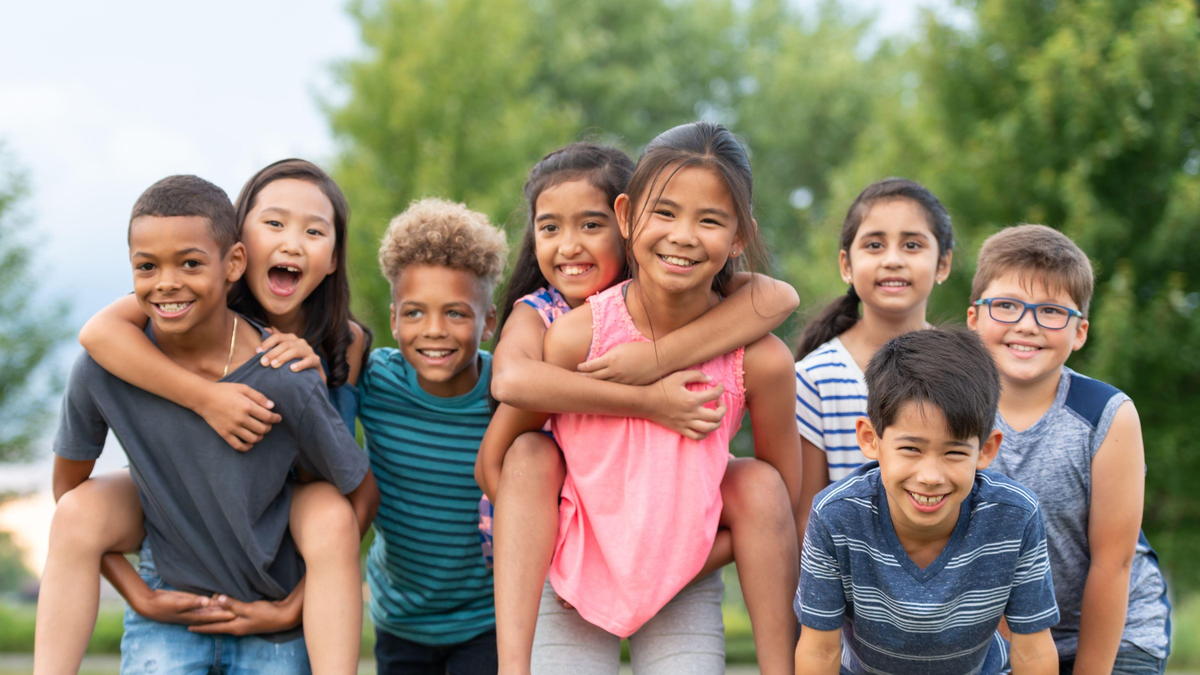
Feeling part of a peer group supports overall emotional and social development. Belonging reduces feelings of isolation and strengthens identity formation, especially during the teenage years.
Children who feel accepted by peers are more likely to engage in healthy behaviors, seek help when needed, and develop stronger emotional stability. Schools, families, and pediatric care teams all play important roles in supporting healthy peer relationships.
Helping children build strong friendships is not just about social success. The long-term friendship benefits include stronger mental health, improved resilience, better communication, and greater emotional confidence that supports children throughout life.
When parents understand and support these relationships, they are helping build a foundation for lifelong emotional wellness and success through meaningful social connection and lasting friendship benefits.


