

Empathy is one of the most important social-emotional skills children can develop. Teaching empathy helps children understand the feelings of others, build meaningful relationships, and navigate the complexities of social life. Children who are empathetic are more likely to cooperate with peers, manage conflicts effectively, and respond to challenges with resilience.
Developing empathy is not something that happens overnight. It requires consistent guidance, modeling, and practice. When parents intentionally focus on empathy as a daily habit, children learn to appreciate the perspectives and emotions of those around them.
Empathy involves several interconnected skills: recognizing emotions, understanding perspectives, expressing compassion, and managing one’s own reactions. By cultivating these skills, children learn to form deeper connections with friends, siblings, and even adults, creating a foundation for lifelong healthy relationships.
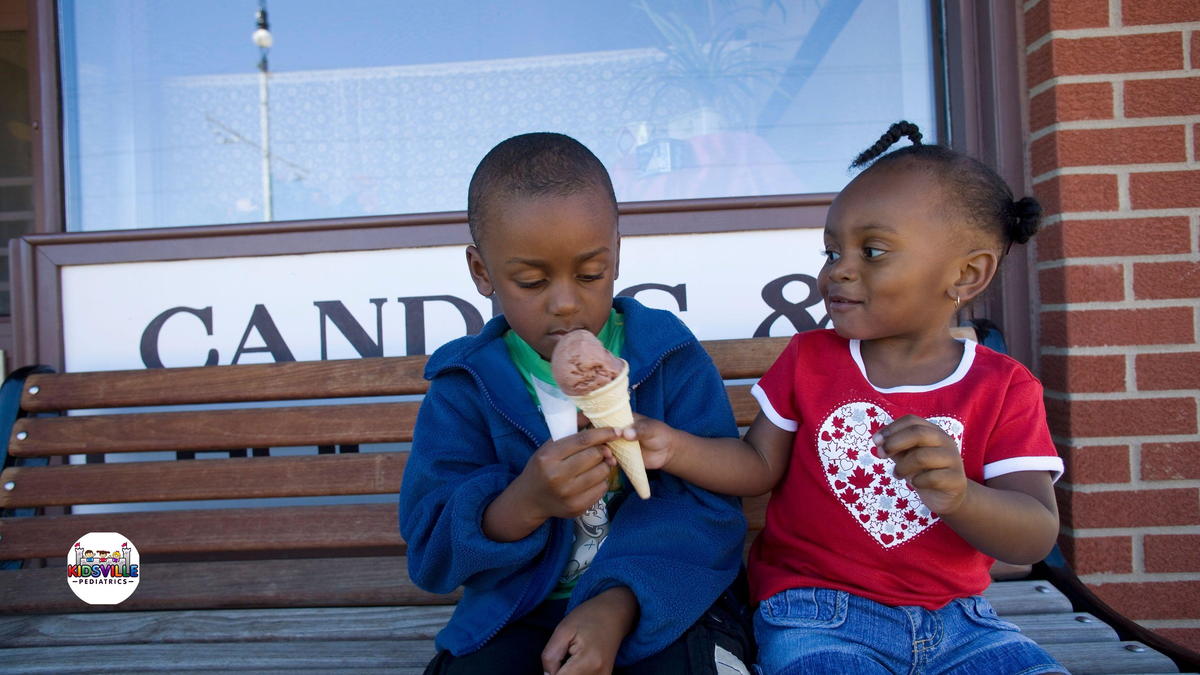
Modeling Empathy at Home and School
Children learn a great deal by observing adults. When parents and teachers demonstrate kindness, patience, and understanding, children are more likely to adopt these behaviors themselves.
For example, acknowledging a friend’s or sibling’s emotions, validating feelings, and offering help in difficult situations teaches children how to respond empathetically. Even small gestures, like pausing to listen attentively, apologizing when wrong, or showing concern when someone is upset, reinforce the idea that caring about others’ feelings matters.
A Southlake TX pediatrician often emphasizes that children mirror the emotional behavior of adults. If they see adults handling frustration with calmness and understanding, they learn to approach challenging situations similarly. Schools can also play a key role in modeling empathy. Teachers who mediate conflicts fairly, encourage cooperative group activities, and celebrate acts of kindness provide children with examples to emulate. Children internalize these behaviors, understanding that empathy is both a social expectation and a personal value.
Age-Appropriate Activities to Build Empathy
Engaging children in activities designed to foster empathy makes the concept tangible and enjoyable. Role-playing exercises, for instance, allow children to put themselves in someone else’s shoes. By acting out situations, they practice considering perspectives they may not naturally understand. Storytelling, especially stories with emotional depth or moral dilemmas, helps children identify how characters feel and consider the reasons behind their actions. Parents may ask, “How do you think this specific character felt?” or “If it were you in that situation, what would you do?”
For younger children, imaginative play is particularly effective. Caring for dolls and other toys such as stuffed animals, teaches caring behaviors and encourages taking responsibility. Simple games where children take turns helping one another also reinforce cooperative behavior. Older children and teens can practice empathy through volunteering, collaborative projects, or discussing real-world social issues.
These experiences, combined with guidance and reflection, help children understand the broader impact of their actions. Any pediatrician in Southlake will suggest integrating such activities into daily routines, making empathy a regular, practiced skill rather than a theoretical concept.
Recognizing and Naming Emotions
A critical step in teaching empathy is helping children recognize and name both their own emotions and those of others. When children understand their own feelings, they can better interpret the emotions of the people around them.
Parents can use everyday situations to discuss feelings, asking how a child feels when something doesn’t go as planned or noting when someone else is happy, sad, or frustrated. Visual aids, such as emotion charts or cards showing facial expressions, can make this process engaging for younger children.
For older children, discussions about motivations and consequences can deepen emotional understanding. Encouraging children to verbalize how they feel and to consider how their actions might affect others strengthens their empathetic reasoning.
Southlake doctors often recommend making emotional recognition a routine part of life, whether at the dinner table, during homework, or in casual conversations. Over time, children develop the ability to pause and reflect, which is crucial for empathetic responses.
Encouraging Acts of Kindness and Compassion
Daily habits that promote kindness are essential in reinforcing empathy. Simple actions like helping a classmate with homework, writing thank-you notes, or noticing when a friend needs support allow children to practice empathy actively.
Parents can model these behaviors by showing gratitude, volunteering together, or acknowledging acts of compassion within the family. Discussing these moments openly helps children internalize the value of considering others’ needs.
For teenagers, encouraging leadership roles in community service projects or peer mentoring programs can help them see empathy as a strength that impacts the wider world. By connecting their actions to positive outcomes, children and teens learn that empathy is not just about feelings but also about responsible, thoughtful action. Kidsville Pediatrics Southlake emphasizes that even small gestures, when practiced consistently, cultivate a strong sense of compassion over time.

Handling Conflict with Empathy
Conflict is an inevitable part of life, but it can also be a learning opportunity for children to practice empathy. Teaching children to pause, reflect, and consider how others might feel encourages thoughtful responses instead of impulsive reactions. Parents can guide children to use phrases like, “I understand you’re upset,” or “How do you think they feel?” to foster empathy during disagreements.
Role-playing conflict scenarios or discussing stories with challenging interpersonal situations provides children with a safe space to practice conflict resolution. Adolescents can also benefit from group discussions about real-life challenges, helping them explore multiple perspectives.
At Kidsville Pediatrics, parents are encouraged to create an environment where children feel safe expressing emotions while learning to respect and understand the feelings of others. This approach not only resolves disputes more effectively but also strengthens long-term relationships and emotional resilience.
Integrating Empathy into Everyday Life
One of the most effective ways to nurture empathy is by integrating it into everyday routines. Mealtimes, family outings, and even daily chores can become opportunities to discuss feelings, consider others’ perspectives, and practice kindness. Asking children reflective questions like, “How do you think your friend felt when that happened?” or encouraging them to help a sibling solve a problem reinforces empathy in practical ways.
Parents can also use media, such as books, movies, or news stories, as discussion points to explore emotions and decision-making. Discussing real-life heroes or community members who demonstrate compassion helps children see empathy in action. Pediatrician Southlake professionals often highlight that a structured, supportive approach to social-emotional learning complements academic growth and prepares children for the challenges of adolescence and beyond.
Pedia Near Me: Kidsville Pediatrics Southlake
Teaching empathy is an ongoing journey that requires patience, consistency, and intentional effort. By modeling empathetic behavior, engaging children in age-appropriate activities, helping them recognize and name emotions, encouraging acts of kindness, and guiding them through conflict, parents can equip children with the social and emotional tools necessary for a fulfilling life. Children who develop empathy are better equipped to form meaningful relationships, handle challenges with resilience, and contribute positively to their communities.
Focusing on teaching empathy today lays the foundation for compassionate, understanding adults tomorrow. With consistent guidance and real-life practice, empathy becomes more than a skill—it becomes a way of life.


