

For many parents, one of the greatest joys is watching their children fall in love with books. Yet in today’s world of screens, busy schedules, and instant entertainment, getting kids truly interested in reading can feel like a challenge. Encouraging this lifelong habit doesn’t just boost academic skills—it also strengthens imagination, empathy, and emotional well-being. Whether you have a toddler discovering picture books or a teenager scrolling through endless notifications, there are creative ways to make reading irresistible.
Create a Reading-Friendly Environment
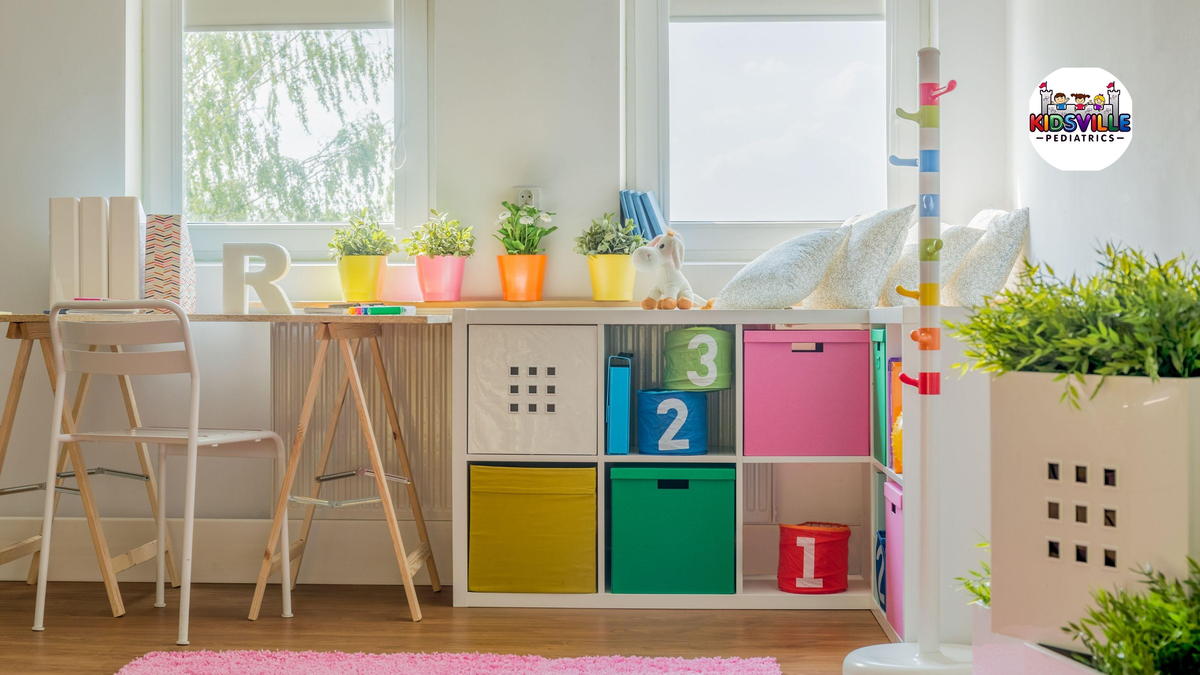
The first step to inspiring young readers is to surround them with books. A dedicated reading space—no matter how small—can make a big difference. This could be a cozy corner with a beanbag chair, soft blanket, and a basket of age-appropriate books.
For toddlers, sturdy board books and colorful illustrations will draw their attention. For older kids, a bookshelf in their room or a family library shelf lets them see books as a natural part of daily life. Psych NP tips often include making reading visually inviting—so display books face-out sometimes; the covers can be more engaging than just the spines.

Let Them Choose Their Own Books
Children are far more likely to read when they feel ownership over the selection. Take trips to the library or bookstore with them and be sure to allow them to explore more freely. Younger children might gravitate toward bright illustrations, while teens may be drawn to graphic novels, mysteries, or fantasy adventures.
Avoid judging their choices—graphic novels, magazines, and even recipe books can still encourage reading. The key is to honor their interests and give them room to explore different genres until they discover what truly excites them, a tip often shared by any Mansfield pediatrician who values fostering a lifelong love of books.

Be a Reading Role Model
Kids often mimic what they see. If you want them to embrace books, let them see you enjoying them too. Keep a novel or magazine handy and make sure your children notice you setting aside time to read.
Family “silent reading time” can work wonders—everyone, from toddlers to parents, can pick a book and enjoy it together in the same room. This not only shows that reading is important but also turns it into a shared family activity. You could even discuss what each of you is reading at dinner to spark more curiosity.

Incorporate Reading Into Everyday Life
Not all reading has to be from a traditional book. Menus, road signs, recipes, and instructions are opportunities to strengthen literacy skills. For younger children, you can make a game out of reading labels at the grocery store—a fun idea often recommended by Kidsville Pediatrics to make learning part of everyday life.
For school-age kids, let them be the one to read out directions for a new game or recipe. For teens, encourage them to follow news articles, hobby-related blogs, or even transcripts of their favorite podcasts. The more they see reading as a tool for everyday life, the more natural it will feel.

Use Technology to Your Advantage
While screen time can sometimes distract from reading, technology can also be a powerful ally. Audiobooks, e-readers, and educational reading apps can be particularly helpful for reluctant readers or those with learning differences.
Audiobooks, for example, can bring stories to life with expressive narration, making them more engaging. E-readers allow kids to adjust font size or use built-in dictionaries, which can increase confidence. Many public libraries now offer free access to digital books and audiobooks, making it easier than ever to explore new titles—something that can also support behavioral health by reducing stress and encouraging positive routines.

Connect Books to Their Interests
If your child is passionate about dinosaurs, sports, magic, or outer space, there’s a book for that. Linking reading material to their hobbies makes books feel like an extension of their world rather than a school assignment.
For younger kids, you can pair storybooks with activities—read a book about baking and then try a recipe together. For older kids, connect novels to movies, documentaries, or field trips. A teen who loves history might enjoy historical fiction, while a budding artist could explore graphic novels created by celebrated illustrators—an approach often encouraged in pediatric counseling to nurture learning through personal interests.

Celebrate Reading Achievements
Recognition can go a long way in motivating kids. Set small, achievable goals—such as finishing a certain number of books in a month—and celebrate when they reach them. The reward doesn’t have to be material; it could be a special family outing, extra bedtime story, or even the choice of the next book for family reading time.
For younger kids, a colorful chart with stickers can make progress visible and exciting. For teens, engaging in conversations about the books they’ve read can be more rewarding than a prize.
Pedia Near Me: Kidsville Pediatrics Mansfield
Getting kids excited about reading is not about forcing them into a routine—it’s about creating opportunities for them to discover the joy, adventure, and comfort books can bring. By modeling good habits, offering choice, connecting books to real-life interests, and celebrating their progress, you can nurture a love for stories that lasts a lifetime. In a world where distractions are constant, a child who treasures reading holds a tool that will enrich every stage of their life. At Kidsville Pediatrics Mansfield, our pediatricians and pediatric mental health NPs are ready to support your child’s growth—mind, body, and heart.


