

As parents, we naturally want our children to thrive — not just academically, but emotionally and socially as well. It’s easy to notice when your child has a fever or a scraped knee, but when it comes to their social world, the signs of trouble can be subtle. Whether your child is in preschool or entering their teenage years, recognizing a possible social anxiety symptom early can help you support them in developing the confidence and connection they need to flourish.
Here are seven key signs your child may be having a hard time socially — and what you can do about it.
1. Avoidance of Group Activities
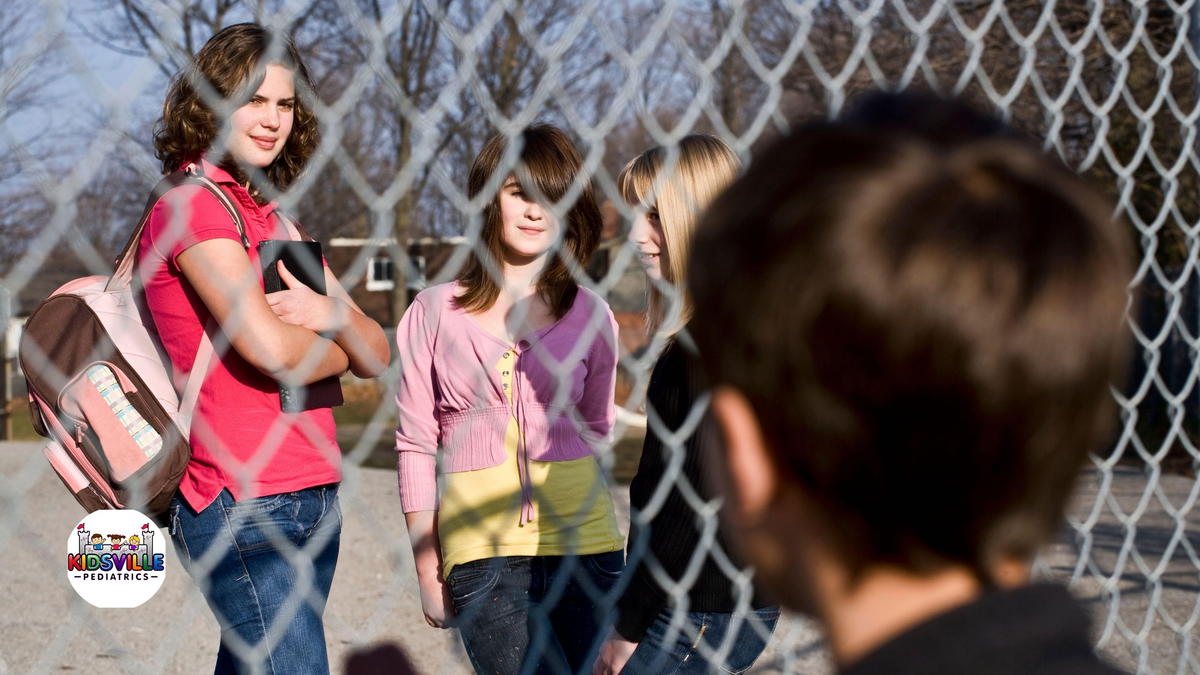
Does your child shy away from birthday parties, school events, or team sports? While not every child is naturally outgoing, repeated and intentional avoidance of social settings could be more than just shyness. It could indicate that your child feels anxiety around others, unease in social settings, or fear of being judged. Younger children may suddenly cling to you or complain of tummy aches before school events, while older children may fake illness or refuse to attend group gatherings. Watch for these patterns over time.
2. Difficulty Making or Keeping Friends

It’s normal for friendships to shift, especially in elementary and middle school, but a child who never talks about friends or frequently says they feel left out may need help developing social skills. If they’re often alone at recess or avoid group play during daycare or after-school programs, this could be a social anxiety symptom or a sign of trouble interpreting social cues.
Encourage opportunities for low-pressure pediatric social interaction — like inviting just one classmate over for a short playdate — and observe how your child interacts in these settings.
3. Extreme Self-Criticism After Social Interaction

Some children appear fine in social settings but melt down afterward. They may obsess over what they said, replay conversations in their head, or express shame over minor interactions. If your child comes home and says things like “Everyone thinks I’m weird” or “I shouldn’t have said that,” they may be experiencing internalized anxiety. This social anxiety symptom often flies under the radar because the child seems socially functional but struggles privately.
Let your child know it’s okay to make mistakes and that you value their efforts, not their perfection. Reinforce positive interactions rather than focusing only on “fixing” what went wrong.
4. Limited Eye Contact or Mumbled Speech in Public

If your child looks at the floor, speaks so softly that others can’t hear them, or only talks when spoken to directly, these could be signs of social anxiety symptom development, particularly if the behavior happens mainly around people outside the immediate family. Children experiencing this often fear judgment or feel inadequate in social situations.
Try role-playing scenarios at home to boost their confidence, like ordering at a restaurant or greeting a new student. Practice makes progress.
5. Frequent Complaints About Loneliness
If your child says they don’t have any friends or no one likes them, don’t brush it off as a phase. Even if it’s not entirely accurate, their feelings are valid and may reflect real social difficulties. Sometimes, children with social anxiety symptom may isolate themselves before others can reject them, interpreting even neutral interactions as negative.
Validate your child’s feelings while gently helping them reframe the narrative. You might say, “It feels like no one likes you, but I saw two kids wave to you today. Maybe they want to be friends.” For extra support, consider clinics that offer same day scheduling to connect with a specialist sooner.
6. Repetitive Negative Thoughts About Peers
A child who constantly complains that “everyone is mean” or “no one follows the rules” might be struggling to relate to peers. This can be a sign of emotional dysregulation or difficulty understanding peer dynamics. If your child often reports conflicts, gets in trouble during group work, or believes everyone is against them, they may benefit from extra support.
At Kidsville Pediatrics, we often guide parents toward behavioral health resources and developmental screenings when these patterns persist. These tools can uncover whether the issue is rooted in social anxiety symptom behavior or something else like ADHD or autism spectrum challenges.
7. Sudden Drop in Academic or Extracurricular Participation

Children who feel disconnected from peers may also lose interest in school or after-school activities. A once enthusiastic child may no longer want to go to soccer practice or participate in class. Social challenges often cause self-esteem to plummet, which can lead to withdrawal from other parts of life as well.
Watch for patterns of avoidance, reduced motivation, or “acting out” that weren’t previously part of your child’s behavior. These could be signs that their social struggles are starting to impact their overall well-being, and it may be time to consult a trusted pediatric clinic for guidance.
What You Can Do as a Parent
If any of these signs sound familiar, it’s okay. You’re not alone — and neither is your child. Start by talking to them in a calm, non-judgmental way. Use open-ended questions like, “What’s recess like for you?” or “How do you feel when you’re with your classmates?” Allow them time to respond, and try to hold back from offering immediate solutions, even if their anxiety makes you want to fix things quickly. Pediatricians can also offer guidance if you’re unsure how to begin or what steps to take next.
Here are a few practical steps to take:
-
Create safe social practice opportunities. Invite a cousin or neighbor over for a simple board game or backyard play.
-
Model confident social behavior. Show your child how you greet others, handle awkward situations, and recover from mistakes.
-
Work with their school. Teachers and counselors can offer valuable insights and support plans.
-
Seek help when needed. If your child’s struggles interfere with their daily life, consider speaking to your pediatrician. We at Kidsville Pediatrics can guide you toward resources such as therapy, social skills groups, or developmental evaluations.
At Kidsville Pediatrics, we’re here to partner with you on your child’s journey — not just physically, but emotionally and socially too. Let’s help your child build the friendships and confidence they deserve.
Each child grows on their own timeline, and that includes their social development. Some kids are naturally social butterflies, while others need a little extra time and support. But when left unchecked, a persistent social anxiety symptom can lead to isolation, depression, or academic setbacks. The earlier we identify these signs, the more empowered you and your child will be to navigate them together.


