

If your child suddenly complains of a sore throat, refuses to eat, or runs a high fever, you might be dealing with more than just a simple cold. Tonsillitis is a common illness that affects both young children and teens—and it can be painful, exhausting, and confusing for parents. Knowing how to spot it and what steps to take can make all the difference in your child’s comfort and recovery.
Let’s break down everything you need to know about pediatric tonsillitis, from causes and symptoms to treatment and prevention, so you can act quickly and confidently when your child needs you most.
What Is Tonsillitis?
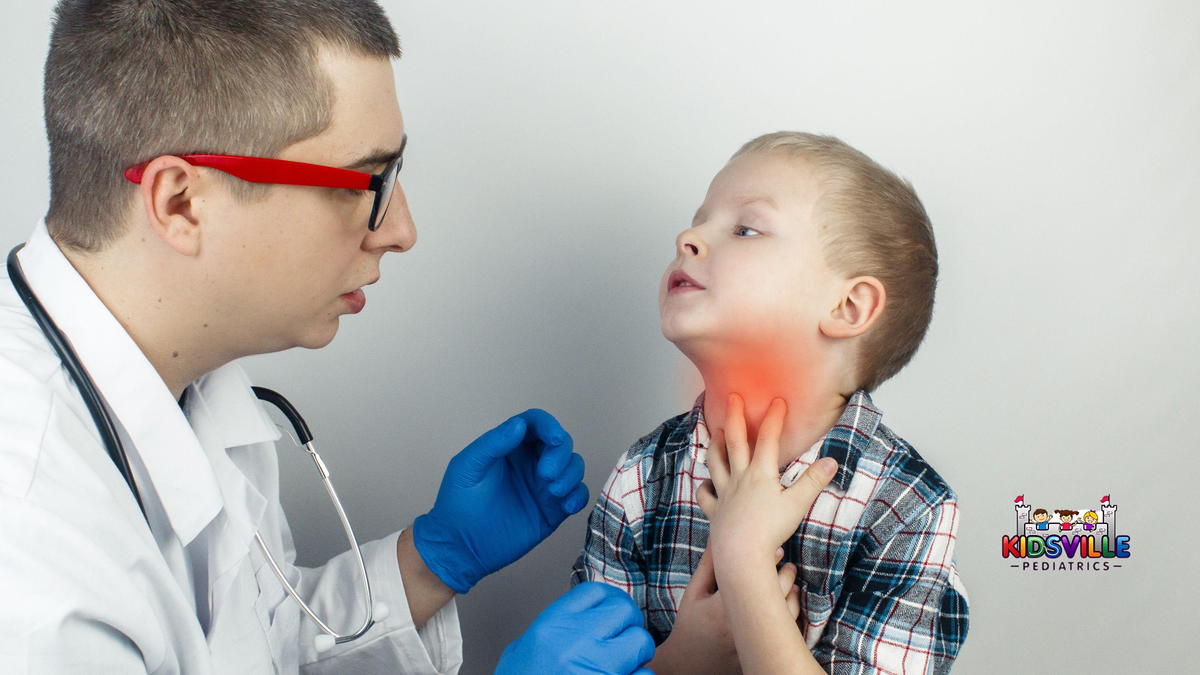
Tonsillitis is the inflammation of the tonsils—the two small, soft tissues located at the back of the throat. Did you know that the tonsils are a part of the immune system and are there to fight off infections? But sometimes, they become infected themselves—especially in kids, whose immune systems are still developing.
Children between ages 3 and 15 are most commonly affected, though even toddlers can get it. Southlake pediatrics experts agree that tonsillitis may come on suddenly and can be caused by viruses or bacteria.
There are three main types:
-
Acute tonsillitis: Happens suddenly and lasts several days to two weeks.
-
Chronic tonsillitis: Lingers longer and may come with bad breath or ongoing sore throat.
-
Recurrent tonsillitis: This is when your kid suffers from tonsillitis many times in a year.
What Causes It?
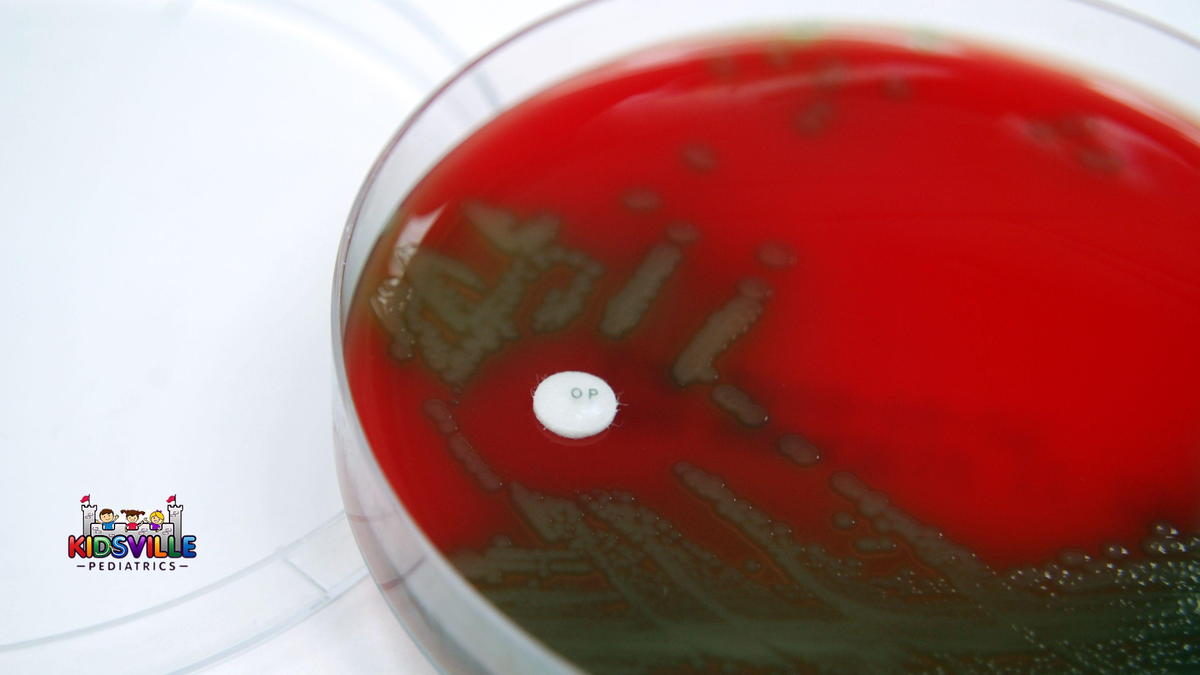
Majority of the tonsillitis cases are caused by viruses such as those that lead to flu or the common cold. But it can also be bacterial—most commonly due to group A strep (the same bacteria that causes strep throat). It’s important to know the cause, since bacterial infections may need antibiotics, while viral ones do not.
Germs spread easily in schools and daycare settings through coughing, sneezing, or sharing utensils, so it’s no surprise kids are frequent targets, as any Southlake Texas pediatrician will tell you.
Signs and Symptoms Parents Shouldn’t Ignore
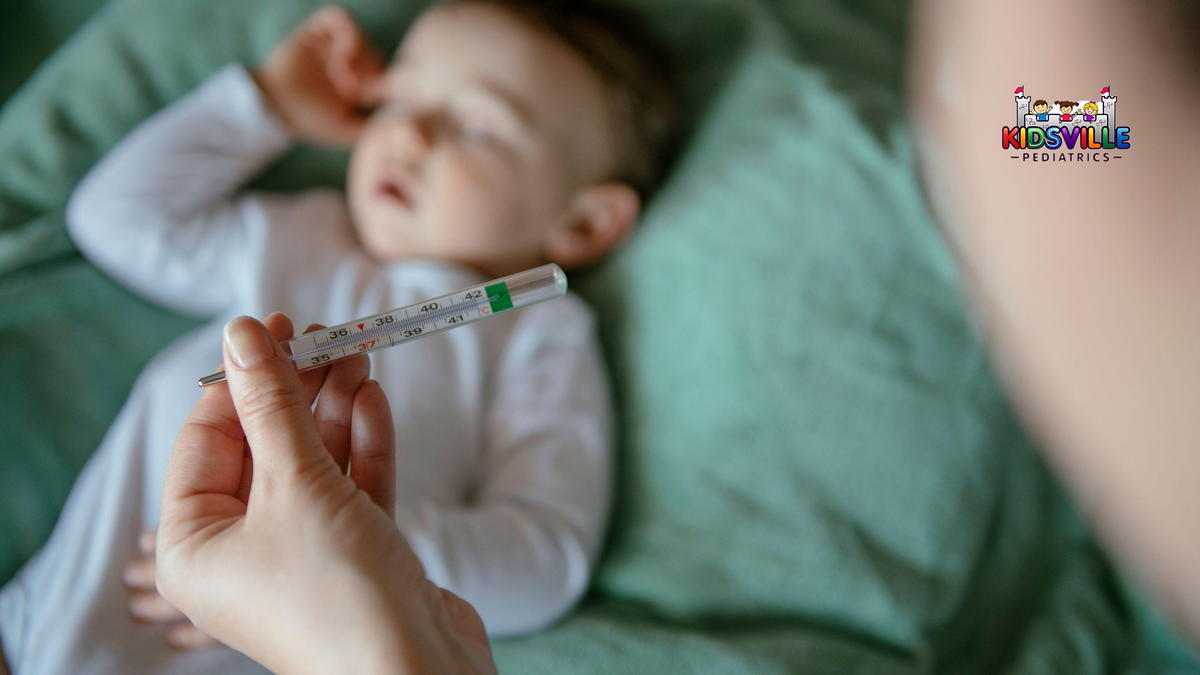
Children—especially little ones—may not always tell you what’s wrong. Watch for these signs of tonsillitis:
-
Sore throat or complaints of pain when swallowing
-
Swollen, red tonsils (sometimes with white spots or pus)
-
Fever (can be high, especially in younger kids)
-
Swollen glands or lumps in the neck
-
Refusing food or drinks
-
Excessive drooling (in toddlers)
-
Bad breath
-
Tiredness or crankiness
-
Headache or stomach ache (more common in older kids and teens)
If your child has a sore throat for more than a couple of days—especially with fever—it’s time to call your Southlake pediatric clinic.
How Doctors Diagnose Tonsillitis
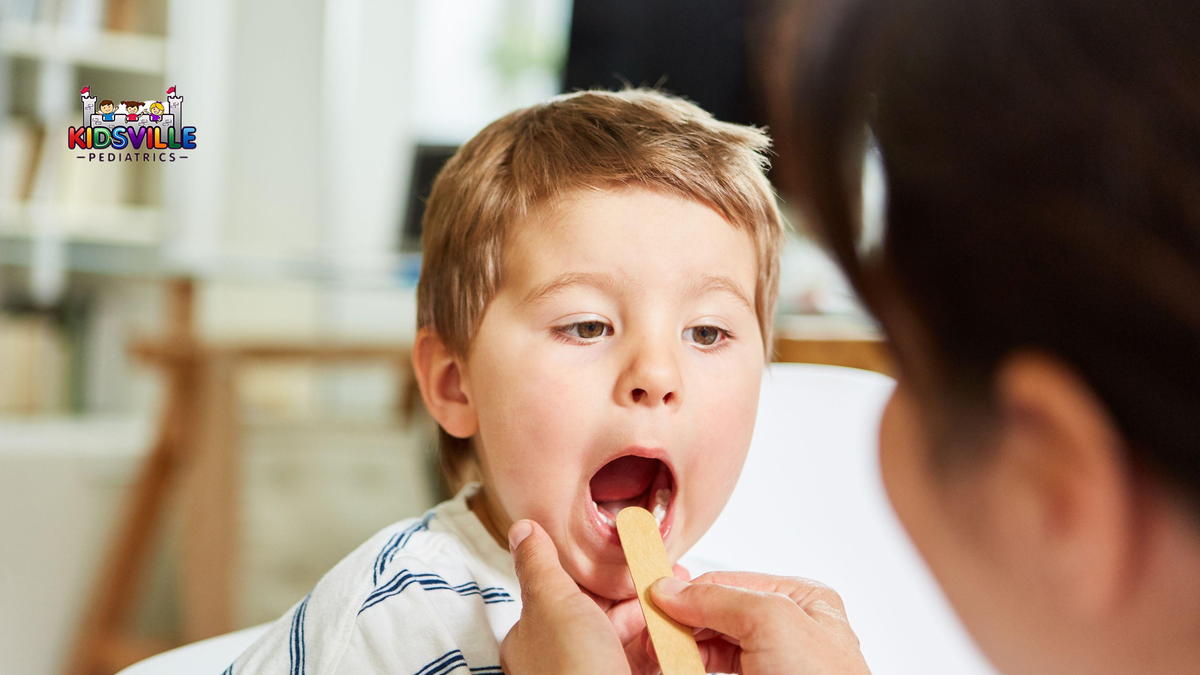
At your Southlake pediatrician’s office, the doctor will check your child’s throat, take their temperature, and feel their neck for swollen lymph nodes. If bacterial tonsillitis is suspected, your doctor may do a quick strep test with a throat swab.
Sometimes, if the test is negative but the symptoms are strong, a longer throat culture may be done to confirm the results. In rare cases, blood tests might be needed to rule out other illnesses like mononucleosis (mono), especially in teens.
What You Can Do at Home

If your child has viral tonsillitis, antibiotics won’t help—but you can still do a lot to make them feel better. Try these home remedies:
-
Offer plenty of fluids—cool water, warm soup, and soothing teas help.
-
Use over-the-counter children’s pain relievers like acetaminophen or ibuprofen.
-
Give soft, easy-to-swallow foods like yogurt, mashed potatoes, applesauce, and ice cream.
-
Encourage rest and quiet time.
-
Gargling with warm salt water (for older children) may ease the throat pain.
If tonsillitis is bacterial, Southlake doctors will prescribe antibiotics. Be sure your child takes the full course, even if they start feeling better in a day or two. This helps prevent serious complications like rheumatic fever or kidney inflammation.
When Is Tonsil Surgery an Option?
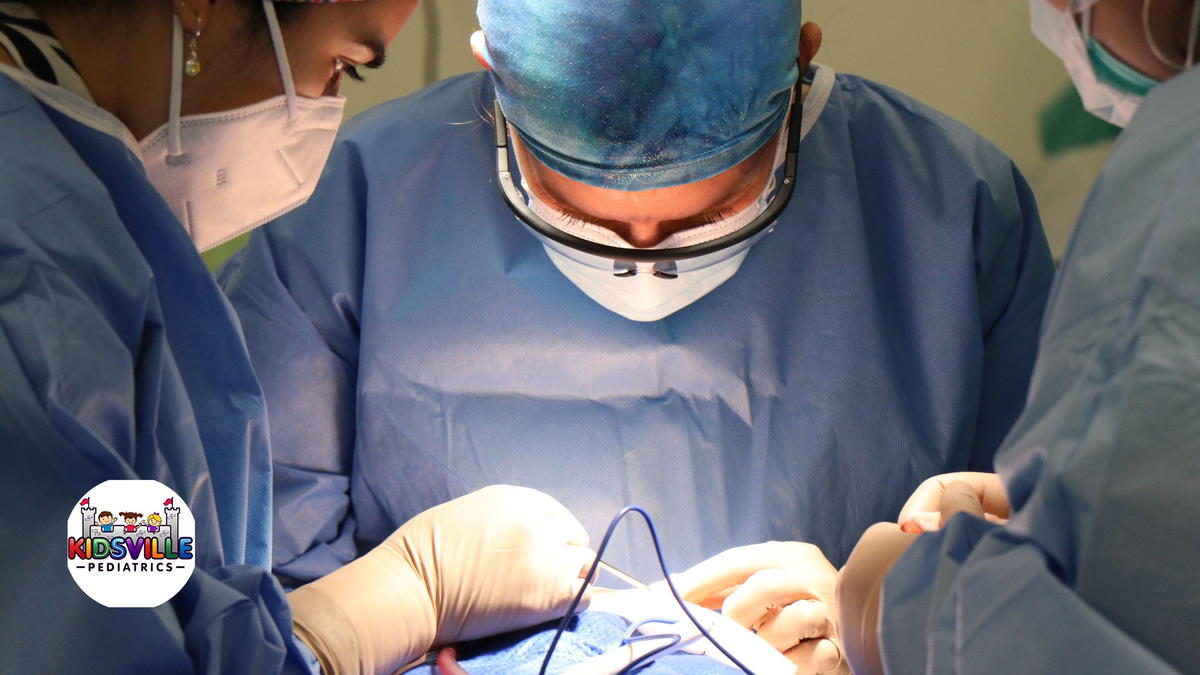
Hearing the word “surgery” can be scary for any parent, but sometimes a tonsillectomy (removal of the tonsils) becomes necessary—especially if your child:
-
Suffers from tonsillitis seven or more times year
-
Has recurring infections that already affect their sleep, appetite, as well as their school performance
-
Develops complications like abscesses or sleep apnea
Tonsil surgery is more common in school-age children and teens, and though the recovery takes about 1–2 weeks, many kids experience fewer sore throats and better sleep afterward, especially when guided by a trusted Southlake clinic.
Keeping Tonsillitis Away

Tonsillitis spreads easily, but you can reduce the risk by teaching your kids simple hygiene habits:
-
Wash hands regularly, especially before eating or after coughing/sneezing.
-
Avoid sharing drinks, utensils, or toothbrushes.
-
Replace toothbrushes after an infection to avoid reinfection.
-
Keep your child home from school until they’ve been fever-free for 24 hours and on antibiotics (if needed) for at least a day.
Boosting your child’s immune system with good nutrition, sleep, and exercise also goes a long way in keeping infections at bay.
Know the Warning Signs of Complications

While most cases of tonsillitis clear up without issue, some can lead to problems if not treated:
-
Peritonsillar abscess: A pocket of pus right behind the tonsil that can be very painful
-
Sleep apnea: Caused by swollen tonsils obstructing the airway
-
Ear infections or sinus problems
-
Post-strep complications, including rheumatic fever or kidney issues
If your child has trouble breathing, severe pain, drooling, or can’t swallow fluids—get medical help right away.
Helping Your Teen Handle Tonsillitis

Teens may not always tell you they’re sick until they’re feeling really bad. If they’re suddenly missing school, sleeping all day, or acting extra irritable, a sore throat may be more than just a sore throat.
Teenagers with tonsillitis need the same care and attention as younger kids, even if they try to tough it out. Encourage hydration, proper rest, and full use of any prescribed medications.
Also, keep an eye on screen time and nutrition—sick teens often stay in bed with their phones and skip meals, which can slow down recovery.
Final Thoughts for Parents
Whether your child is a toddler or a teen, tonsillitis can disrupt your routine and cause stress for the whole family. But with early recognition, proper care, and guidance from your pediatrician in Southlake, it’s a manageable condition. Most kids bounce back quickly with rest and support.
So next time your little one complains of a sore throat—or your teen retreats to bed with a fever—remember: it might be tonsillitis, and you’ve got the tools and knowledge to handle it like a pro.


