
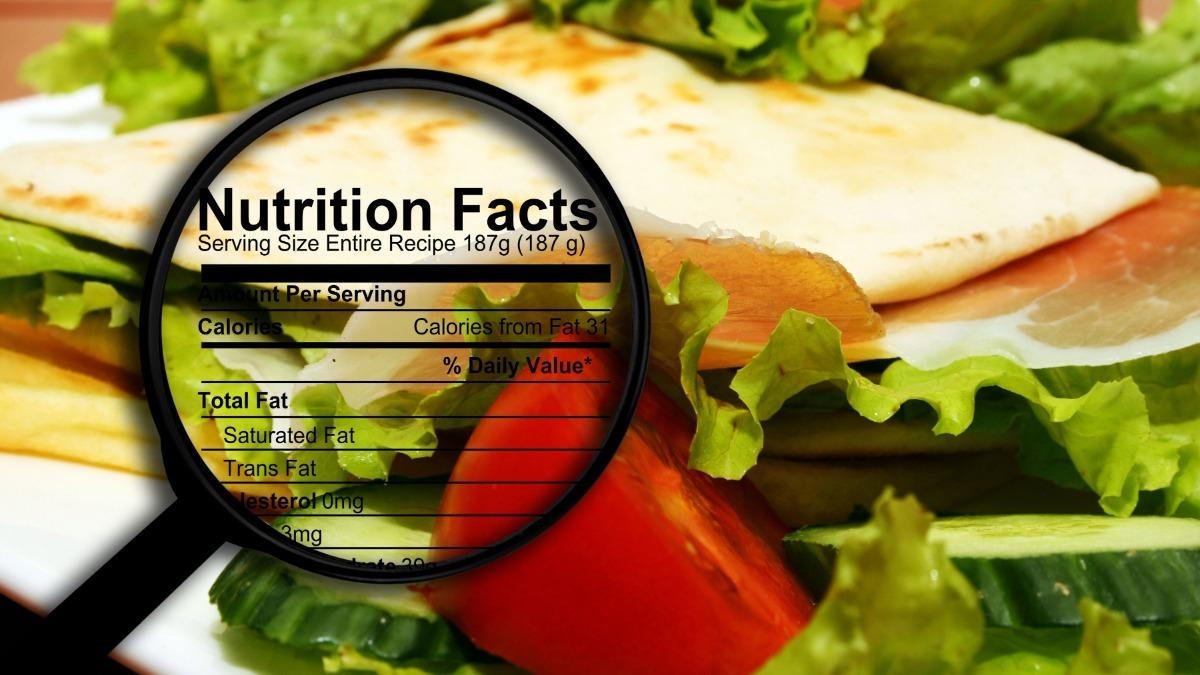
In our busy, convenience-driven lives, it’s easy to lose track of what we’re actually feeding our families. Eye-catching packaging and clever marketing often distract us from the real nutritional content inside. As a result, many families end up consuming too much sugar, salt, and unhealthy fats without even realizing it. That’s why reading food labels is such an important skill for parents and caregivers. It goes beyond just counting calories—it’s about making smarter, more intentional choices that support your children’s long-term health.
When you understand food labels, you gain control over your family’s diet, reduce the risk of chronic illness, and make sure every meal supports your wellness goals at home.
Why Food Labels Matter

Pediatrician McKinney experts recommend paying close attention to food labels, as they provide critical information about the nutritional content of the items we feed our kids. They break down macronutrients (like fats, proteins, and carbohydrates), highlight key vitamins and minerals, and disclose any additives or allergens present in the product.
This transparency allows caregivers to compare products and choose options that better support their family’s needs. For example, if your child struggles with high blood pressure, you’ll want to choose low-sodium snacks. If you have a teen managing pre-diabetes, monitoring carbohydrate content becomes essential. Without the habit of reading food labels, managing these concerns is much more difficult.
Decoding the Nutrition Facts Panel

The most recognizable part of any food label is the “Nutrition Facts” panel. It typically includes:
-
Serving Size and Servings Per Container: Everything listed on the label corresponds to this serving size. If a package contains two servings but your child eats the whole thing, they’re consuming twice the calories and nutrients.
-
Calories: This tells you how much energy your child will get from one serving. Pay attention to whether those calories come from whole, nutritious sources or from added sugars and unhealthy fats.
-
Macronutrients: These include fats (total, saturated, and trans), cholesterol, sodium, carbohydrates (including fiber and sugars), and protein. McKinney pediatricians often advise parents to limit saturated fats, trans fats, and added sugars, while increasing fiber and lean protein to support healthy growth and development.
-
Micronutrients: These include essential vitamins and minerals like Vitamin D, calcium, iron, and potassium. These nutrients are vital for everything from bone health to energy production, especially during your child’s rapid growth years.
-
% Daily Value: This helps you understand whether a food is high or low in a specific nutrient. 5% or less is low; 20% or more is high—use this guide to ensure your child is getting what they need.
By consistently reading food labels, you’re laying the groundwork for smarter eating habits that benefit your kids both now and in the future.
Ingredients List: The Hidden Story
While the Nutrition Facts panel offers numbers, the ingredients list gives context. Ingredients are listed in descending order by weight, so the first few items make up the bulk of the product. Be on the lookout for added sugars (which may appear as high fructose corn syrup, cane juice, or barley malt), preservatives, artificial flavors, and unhealthy oils.
A McKinney doctor might suggest choosing snacks and pantry staples with short ingredient lists that contain real, recognizable items. The more chemical-sounding or unpronounceable the ingredients, the more processed the food likely is—something you’ll want to avoid when raising healthy eaters.
This part of reading food labels is especially important for families managing food allergies or dietary restrictions. Whether your child has a gluten sensitivity, lactose intolerance, or a nut allergy, the ingredients list is your safety net.
Common Pitfalls and Misleading Labels
Watch out for deceptive packaging. Claims like “low-fat,” “all-natural,” or “made with whole grains” can be misleading. For instance, a product may be “low-fat” but loaded with sugar. “All-natural” often isn’t regulated and may still include highly processed ingredients.
Don’t forget about serving size manipulation. A snack might say “100 calories per serving,” but there could be three servings in the bag. If your teen finishes the bag, they’ve just consumed 300 calories. A trusted McKinney pediatrician will often remind parents that only by carefully reading the entire label can you protect your family from these hidden pitfalls.
Tailoring Food Labels to Your Family’s Needs
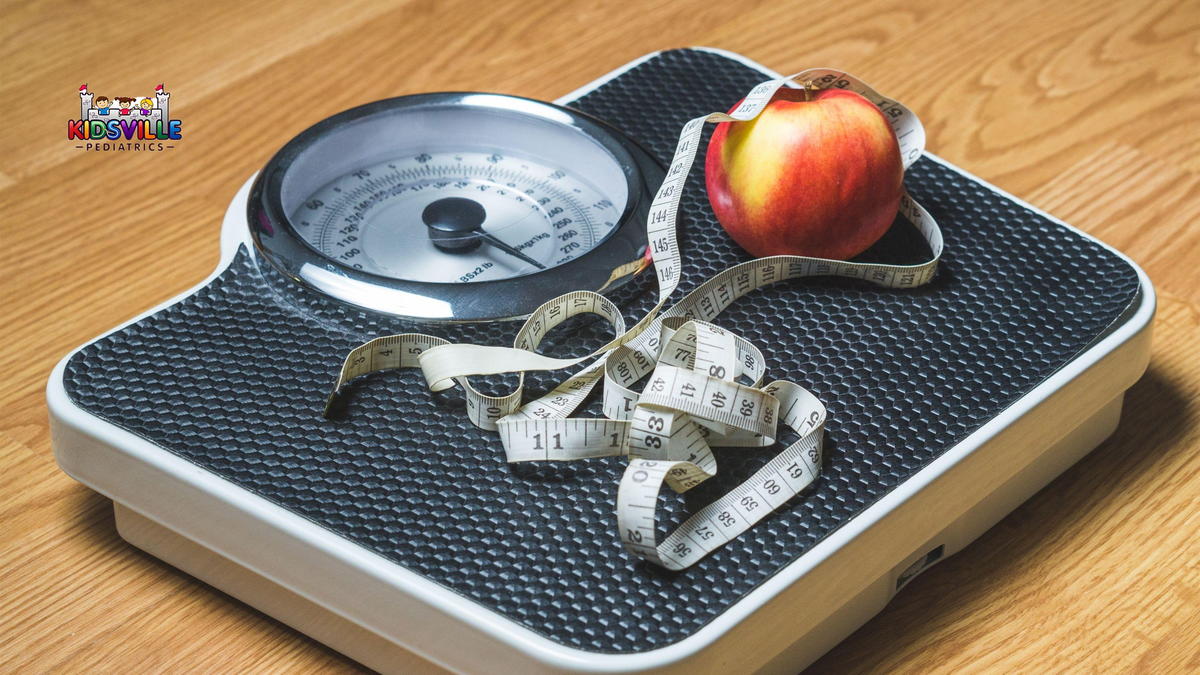
Every household has unique health goals. Whether you’re managing a medical condition or just striving to build better habits, food label literacy supports your mission:
-
Weight Management: Monitor portion sizes and caloric content. Watch for hidden sugars and extra fats.
-
Heart Health: Opt for low-sodium, low-saturated-fat products. Add more fiber and omega-3s to your family’s meals.
-
Diabetes Support: Pay attention to total carbs and added sugars. High-fiber foods can help regulate blood sugar.
-
Active Teens: Choose protein-rich, balanced snacks that support energy levels and recovery.
When reading food labels becomes second nature, even busy grocery trips become an opportunity to teach, guide, and protect your family’s health.
Teaching Kids and Teens About Food Labels
Healthy habits stick best when they start young. Show your kids how to interpret food labels using age-appropriate language. Explain what protein does for their bodies, why sugar needs to be limited, and what fiber does for digestion.
Make it interactive: Have your kids compare two granola bars or breakfast cereals. Ask them which has more sugar or fiber. Challenge them to find a snack with the fewest ingredients or no added sugar. This turns label reading into an educational, as well as a fun experience. Over time, your child or teen will begin making better choices on their own.
Tips for Making Label Reading a Family Habit
-
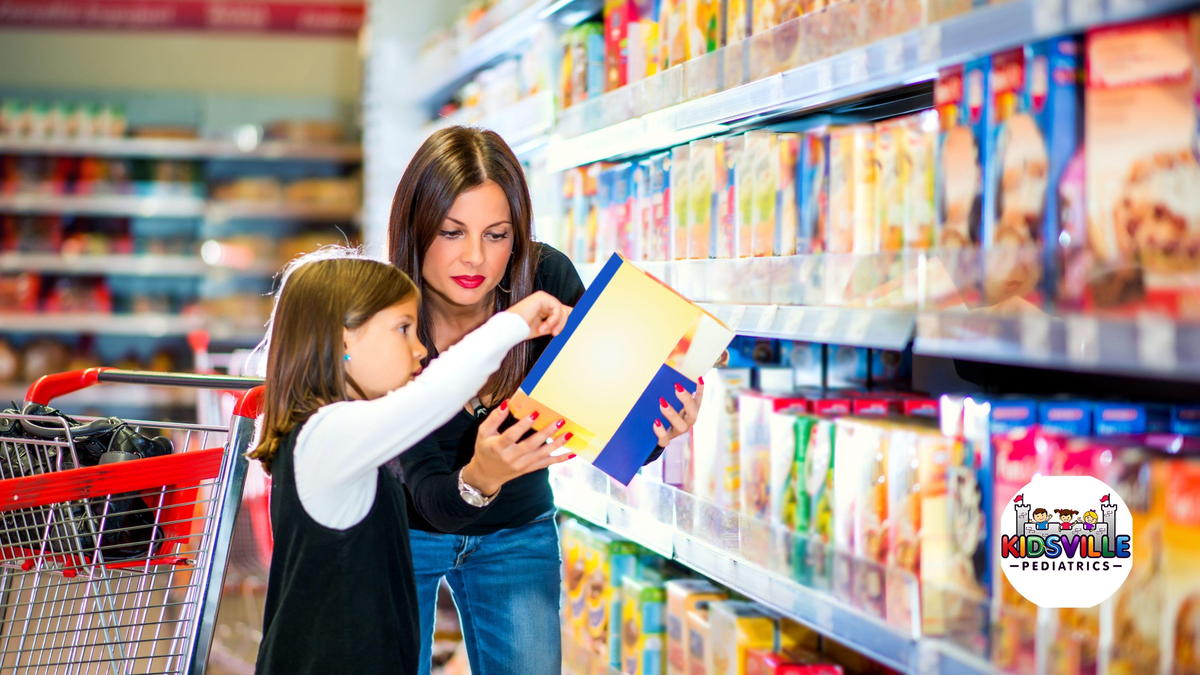
Start with one product type: Begin with cereals, then move to snacks, then frozen meals. Get confident one category at a time.
-
Use barcode-scanning apps: These offer quick health ratings and simple breakdowns of complex labels.
-
Don’t rush: Leave a little buffer time when grocery shopping so you’re not tempted to grab the first thing on the shelf.
-
Make a family-approved list: Create a go-to list of healthier items your family enjoys so you can skip the guesswork next time.
With consistency, reading food labels becomes a habit—one that sets your children up for lifelong well-being.
Pedia Near Me: Kidsville Pediatrics McKinney
Adopting the habit of checking food labels is a small yet powerful step toward better health—for you and your children. It equips you with knowledge, keeps your household accountable, and helps everyone make dietary choices that support long-term wellness.
At a trusted McKinney clinic, healthcare providers often stress food label literacy as one of the most practical ways to combat the growing effects of childhood obesity, food allergies, and poor eating habits. In a world where fast and processed options dominate, knowing how to read labels is your family’s first line of defense.
Whether you’re shopping for toddlers, teens, or your own health, this daily practice empowers you to live smarter, eat cleaner, and feel better—together.
Let your next grocery trip be the start of a new commitment—one where reading food labels is more than a task; it’s a shared tool for raising stronger, healthier kids.


