

Junk food is a term for food that has little nutritional value. This kind of food often contains high amounts of fat, sugar, salt, and calories. The term was first introduced in 1972 by Michael Jacobson, the director of the Center for Science in the Public Interest.
While unhealthy eating has existed for centuries, most of the foods we now consider junk emerged in the 20th century. Advancements in mechanization, electricity, and labor-saving kitchen devices led to a boom in processed food production. Manufacturers began using cheaper ingredients and fast preparation techniques that further stripped foods of their nutritional value.
Snacks, gum, candy, and sugary desserts had already been around—but now they were being mass-produced and heavily marketed. Interestingly, the term “junk food” isn’t precisely defined and often reflects personal preferences and social influences.
A 2008 study by Paul Johnson and Paul Kenny at the Scripps Research Institute found that junk food could affect the brain similarly to addictive drugs. Some governments have responded to rising health concerns by introducing taxes to discourage its consumption. Marketing efforts remain aggressive, especially targeting children—a trend that pediatricians warn can have long-term consequences on childhood health and behavior.
For example, about 80% of commercials regarding food, during Saturday morning children’s shows, show junk food. While occasional indulgence within a balanced diet isn’t necessarily harmful, consistent consumption can lead to serious health consequences.
Here are 10 health hazards linked to regular intake of junk food, especially among children and teens:
1. Obesity

The overconsumption of high-calorie, low-nutrient foods is one of the biggest contributors to childhood obesity. These foods often lack the fiber and protein that promote fullness, leading to overeating. The rise in obesity among young people is directly connected to increased access to processed snacks and fast food, which can lead to long-term health risks such as cardiovascular disease and joint problems.
2. Type 2 Diabetes

Frequent consumption of sugary beverages, snacks, and processed foods can cause repeated blood sugar spikes. Over time, this places stress on the pancreas, reduces insulin sensitivity, and increases the risk of type 2 diabetes. Alarmingly, this disease, once seen primarily in adults, is now becoming more common in children and adolescents—a trend that’s prompting more families to seek early guidance from their pediatric clinic.
3. Cardiovascular Disease
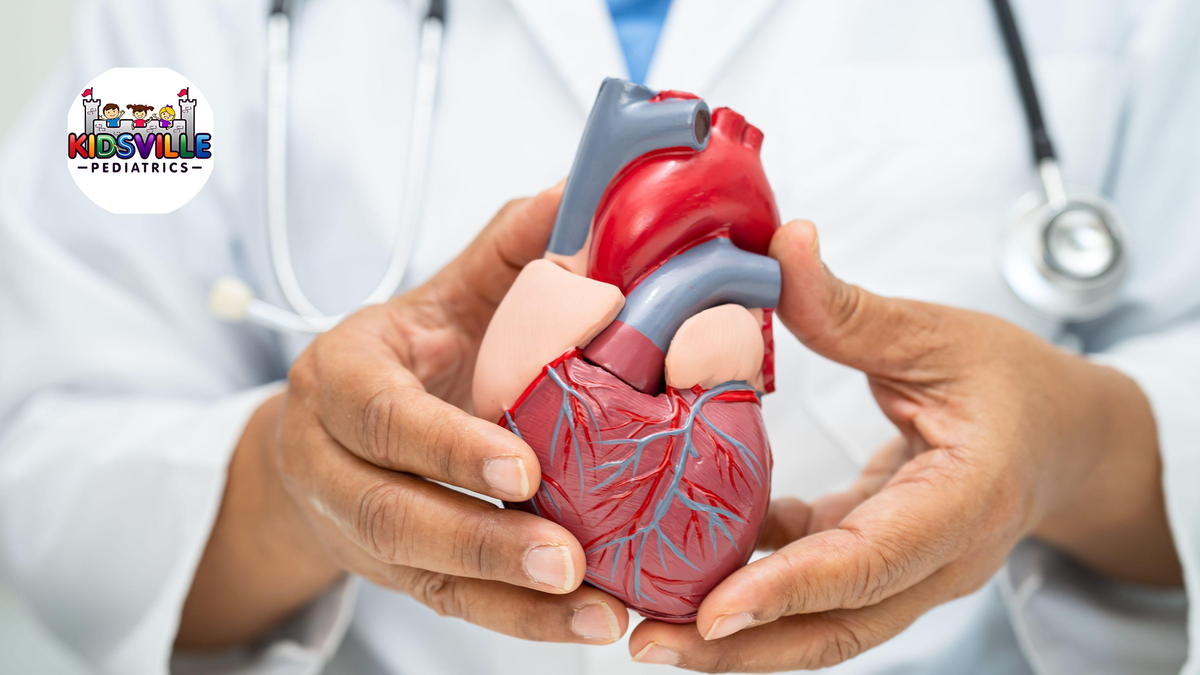
Loaded with unhealthy fats and excessive sodium, junk food raises LDL (bad cholesterol), lowers HDL (good cholesterol), and increases blood pressure. These changes contribute to a higher risk of developing heart disease later in life. Even in childhood, regular consumption of processed foods can lead to early signs of cardiovascular dysfunction.
4. Digestive Issues
Processed snacks and fast food often lack dietary fiber, which is crucial for a healthy digestive system. A diet low in fiber may lead to constipation, bloating, and various other digestive problems. Over time, poor digestion can become chronic and contribute to more severe conditions such as irritable bowel syndrome (IBS), making it a growing concern in pediatric healthcare.
5. Poor Academic Performance

Children need balanced nutrition to support cognitive development and concentration. Diets dominated by junk food are often low in essential nutrients like iron, omega-3 fatty acids, and B vitamins. This deficiency can lead to reduced memory, trouble focusing, and poor academic results, affecting performance both in and out of the classroom.
6. Weakened Immune System

Micronutrients such as zinc, vitamin C, and iron help the body fight off illness. Foods classified as junk food typically lack these nutrients, which can lead to a weakened immune system. As a result, children may fall sick more often and recover more slowly from illnesses and injuries.
7. Mental Health Concerns
Emerging research suggests that poor diet contributes to mood disorders, particularly in adolescents. A regular diet of fast food and sugary treats may exacerbate feelings of anxiety, irritability, and depression. While diet isn’t the only factor influencing mental health, it plays a key role in overall emotional stability—something many parents explore further by searching online for “pediatric physicians near me” for personalized guidance.
8. Dental Problems

Sugar-rich foods and beverages fuel the bacteria in our mouths that cause cavities and gum disease. Children who consume large amounts of candy, soda, and snacks are especially vulnerable to tooth decay. Dentists frequently associate the rise in childhood dental issues with increased availability and consumption of junk food.
9. Poor Bone Development

Strong bones need a steady intake of calcium, vitamin D, and other minerals—nutrients usually absent in most junk food. To make matters worse, acidic drinks like soda can actually draw calcium out of bones, weakening them over time. Poor bone health in childhood can lead to conditions like osteoporosis later in life.
10. Addiction and Habit Formation

Perhaps one of the most concerning aspects of junk food is how it hijacks the brain’s reward systems. Scientists have found that foods high in sugar, salt, and fat activate the brain’s pleasure centers, reinforcing a cycle of craving and overconsumption. This makes healthy eating habits harder to establish and maintain.
While indulging in a treat now and then is not inherently harmful, regular consumption of junk food can result in serious and long-lasting consequences for both children and adults. Understanding the health risks—and making more informed food choices—is key to preventing disease and promoting lifelong well-being, a message consistently emphasized by Kidsville Pediatrics.
At Kidsville Pediatrics, we encourage families to be mindful of what’s on their plate. Healthy eating doesn’t have to be complicated or expensive. Simple meals made with whole ingredients can nourish the body and support a child’s growth, immunity, and mental clarity.
If you’re concerned about your child’s diet, weight, or eating habits, talk to your pediatrician. We’re here to help with practical advice and compassionate care, so your family can make smart food choices—together. Saying no to junk food is saying yes to a healthier future.


