

When it comes to common skin infections, ringworm often tops the list, especially among children and people with active lifestyles. Despite the name, ringworm isn’t caused by a worm but by a fungus that thrives on skin, hair, and nails.
This highly contagious infection spreads quickly through skin contact, shared personal items, or contaminated surfaces like gym mats or locker room floors. Because early treatment leads to faster recovery and limits the spread, it’s crucial to recognize the warning signs before it worsens. Here are five signs of ringworm you shouldn’t miss.
1. A Red, Circular Rash

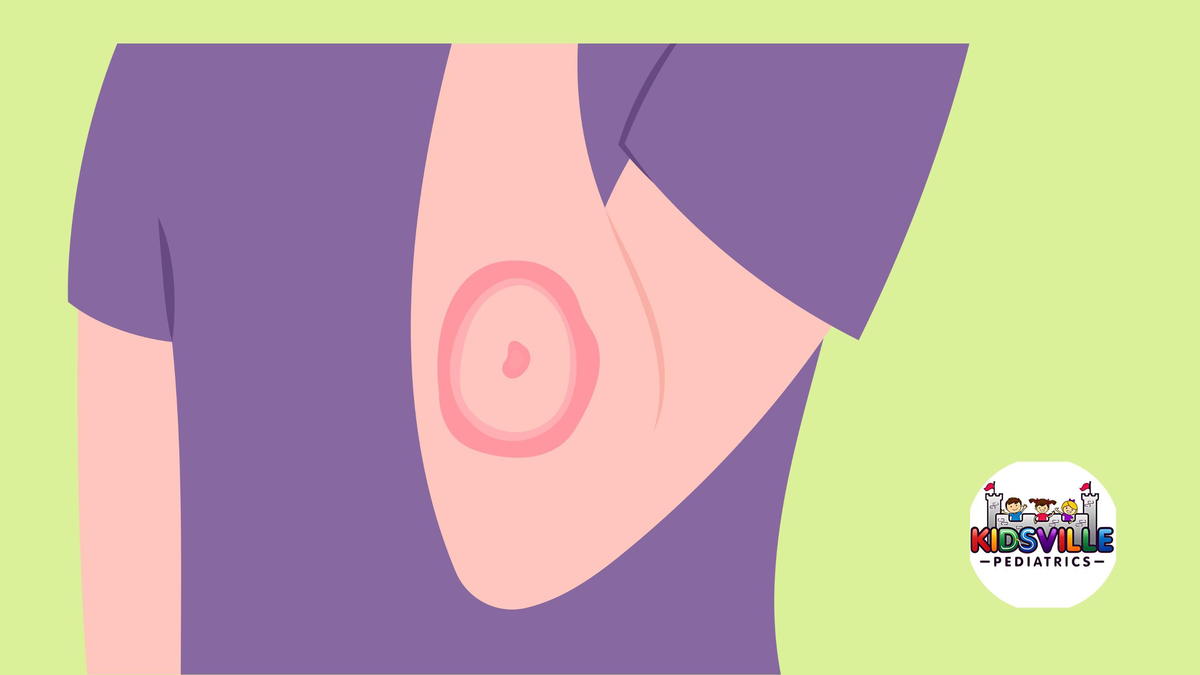
The classic sign that often gives ringworm its name is a red, ring-shaped rash. This rash typically starts as a flat, scaly patch on the skin. Over time, it expands outward while the center clears up, creating the telltale “ring” appearance. The edges of the ring are usually raised and may be slightly bumpy or blistered. While most cases occur on the arms, legs, or torso, ringworm can appear anywhere on the body. For parents concerned about skin infections in children, consulting experts in pediatrics in Mansfield TX can help ensure timely diagnosis and treatment.
What makes this rash especially noticeable is its symmetry and defined border. Many people mistake it for eczema or an allergic reaction at first. However, unlike eczema, which tends to appear in patches and varies in shape, ringworm rashes usually have a well-defined and circular pattern.
2. Itchy, Irritated Skin
Persistent itching is another common symptom. The affected area often becomes intensely itchy, especially at night. This itching can cause people to scratch the rash excessively, which not only worsens irritation but can also lead to a secondary bacterial infection.
Scratching can break the skin’s surface, allowing bacteria to enter and complicate the condition. In children, who may not realize the importance of keeping their hands away from itchy skin, this can quickly escalate. If your child develops a rash that makes them uncomfortably itchy and doesn’t go away after a couple of days with over-the-counter creams, consider having it checked for ringworm by a trusted pediatrician in Mansfield TX.
3. Scaly or Cracked Skin
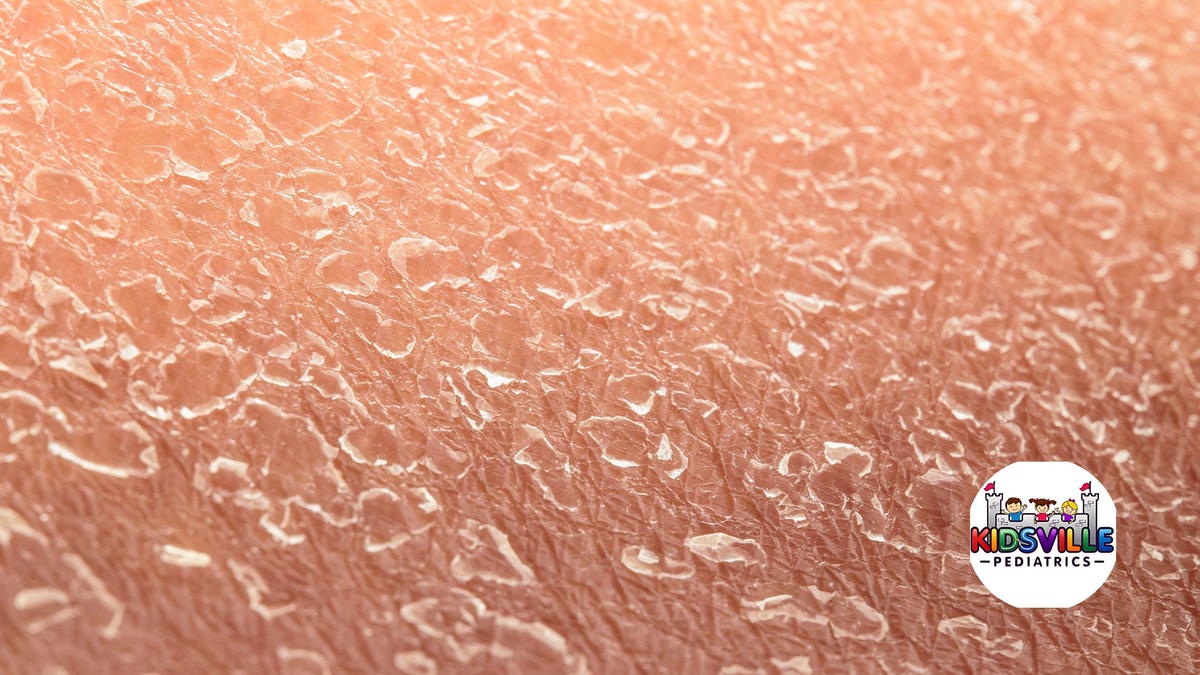
As the infection progresses, the skin can turn dry, rough, and visibly scaly. Peeling, flaking, or cracking is common, particularly around the edges of the rash. On areas like the feet (a condition known as athlete’s foot), the skin between the toes might become dry, scaly, and even split open.
Cracked skin can cause significant discomfort and may make walking or using your hands painful, depending on where the ringworm has taken hold. This dry, scaly appearance is often mistaken for dry skin, but unlike regular dryness, it doesn’t improve with moisturizers and usually continues to spread if left untreated.
4. Hair Loss or Bald Patches

When ringworm affects the scalp—a condition known as tinea capitis—it can cause hair to break off at the scalp’s surface. This leads to the appearance of bald or thinning patches, often accompanied by redness, scaling, and black dots where hairs have broken. This sign is particularly common in school-aged children and can spread rapidly in environments like classrooms or daycare centers. If you notice these symptoms, consult a pediatrics Mansfield expert to get a proper diagnosis and begin treatment promptly.
If your child suddenly develops patches of missing hair or complains of a sore or itchy scalp, it’s important to seek medical attention. In some cases, scalp ringworm requires prescription oral antifungal medication for complete treatment.
5. Nail Discoloration or Thickening
Ringworm doesn’t just affect the skin—it can also infect the fingernails and toenails, a condition known as tinea unguium or onychomycosis. This type of infection is more difficult to treat and tends to develop slowly over time. Infected nails often become thick, brittle, and discolored (yellow, white, or brown). They may start to crumble or even separate from the nail bed over time.
This symptom can be especially stubborn, requiring months of treatment. Topical antifungal creams usually aren’t enough; oral antifungal medication is often necessary to fully eradicate the fungus from the nail and surrounding tissue. Mansfield pediatricians can provide the appropriate guidance and prescriptions needed to manage more persistent cases effectively.
Pedia Near Me: Kidsville Pediatrics Mansfield
If you or someone in your family shows any of these five signs, it’s important to act quickly. Over-the-counter antifungal creams, powders, and sprays can be effective for minor skin infections. However, for more persistent cases—especially those on the scalp or nails—a visit to a healthcare provider is necessary.
Preventing the spread of ringworm is also key. Be sure to:
-
Avoid sharing personal items like towels, hats, or combs
-
Keep skin dry and clean, especially after sweating
-
Disinfect common surfaces and gym equipment
-
Wash hands thoroughly and often, especially after touching pets or soil
Pets can also carry ringworm, so if your household includes furry companions, make sure they’re not the source of the infection. If a pet has a patch of missing fur or scaly skin, consult a veterinarian for evaluation and treatment.
Early recognition is the best way to stop ringworm in its tracks. While it’s a common fungal infection, ignoring the signs can lead to complications, discomfort, and even spread to others. Pediatricians can help identify the infection early and recommend the most effective treatment to prevent it from worsening.
From red, itchy rashes to hair loss and nail changes, the symptoms are fairly easy to spot once you know what to look for. If any of these warning signs appear, don’t brush them off—addressing ringworm early means faster healing and fewer chances of reinfection.


