
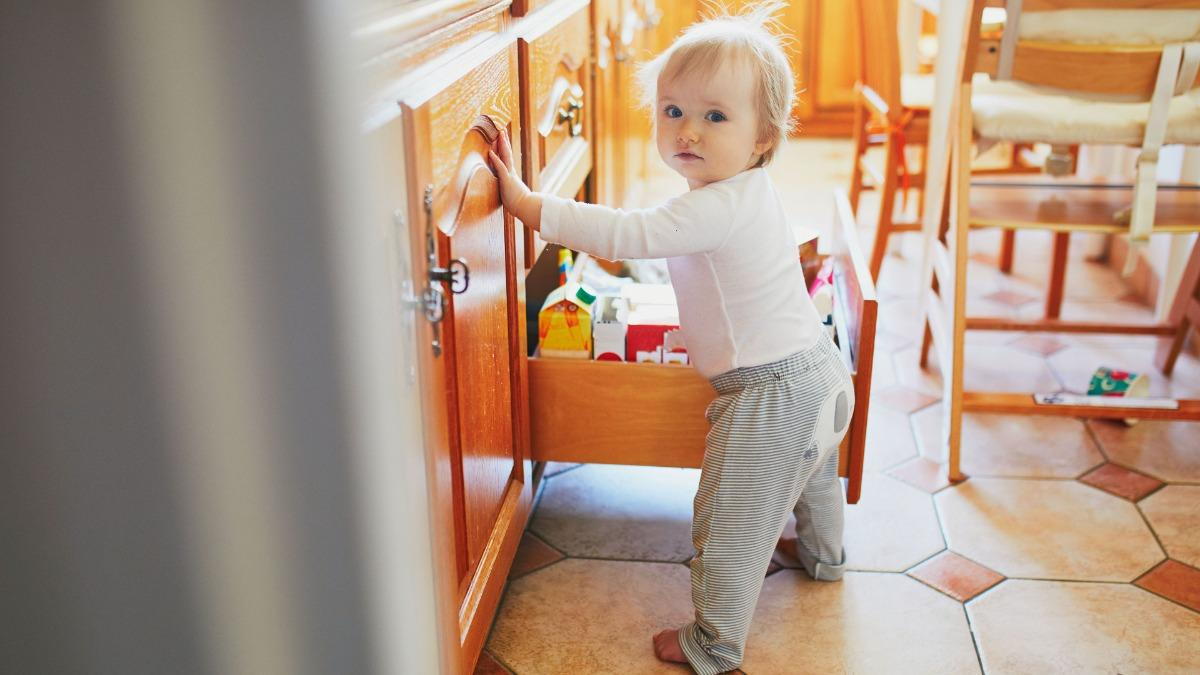
Welcoming a new baby or toddler into your home is an exciting time, filled with joy and anticipation. But along with the excitement comes an important responsibility: ensuring your home is safe for your curious little one. Childproofing your living space is essential to prevent accidents and keep your child safe as they explore their environment.
Many parents start childproofing early but often overlook key areas that can still pose risks. This ultimate childproofing checklist highlights the must-dos and some commonly missed spots to help you create a truly safe haven for your child.
Children under the age of five are naturally inquisitive and don’t understand dangers the way adults do. From sharp edges to choking hazards, everyday household items can turn into threats without proper precautions. Effective childproofing isn’t just about adding a few safety plugs here and there; it’s about taking a comprehensive look at your home environment and anticipating potential risks before your child encounters them.
1. Secure Furniture and Heavy Items

One of the most commonly overlooked dangers is unsecured furniture. Dressers, bookshelves, TVs, and appliances can tip over if climbed on or pulled. McKinney pediatrics doctors often remind parents that these accidents happen fast—and are totally preventable. Make sure to use anti-tip straps or brackets to firmly anchor these items to the wall. Check that TVs are mounted or placed on sturdy stands, and avoid placing tempting items on top that might encourage climbing.
2. Cover Electrical Outlets and Manage Cords

Electrical outlets are irresistible to little fingers but dangerous if accessed. While many parents cover outlets with plastic plugs, it’s also vital to check for unused outlets that remain uncovered. Use sliding outlet covers that children can’t remove easily. Additionally, manage cords from lamps, blinds, and electronics—keep them out of reach or use cord shorteners to prevent strangulation risks.
3. Install Safety Gates Properly

Safety gates are a go-to solution for restricting access to stairs, kitchens, or other hazardous areas. However, the placement and type of gate are crucial. McKinney pediatricians emphasize that gates should be securely mounted—not pressure-mounted—especially at the top of stairs. Choose gates that meet current safety standards, and check regularly that mounting hardware remains tight.
4. Lock Cabinets and Drawers


The kitchen, bathroom, and laundry room contain many hazardous substances, including cleaning products, medications, and sharp utensils. At our McKinney clinic, parents are often advised to install childproof locks on cabinets and drawers, especially those that hold chemicals or fragile items. Magnetic or adhesive locks work well for keeping curious hands out, and some models are easier for adults to use without frustration.
5. Use Window Locks and Cordless Blinds

Windows can be a major hazard, especially on higher floors. Childproofing your windows means installing locks or guards that prevent them from opening wide enough for a child to slip through. Replace blinds with dangerous cords with cordless options or install cord wind-ups out of reach to avoid strangulation risks.
6. Check Smoke Detectors and Carbon Monoxide Alarms
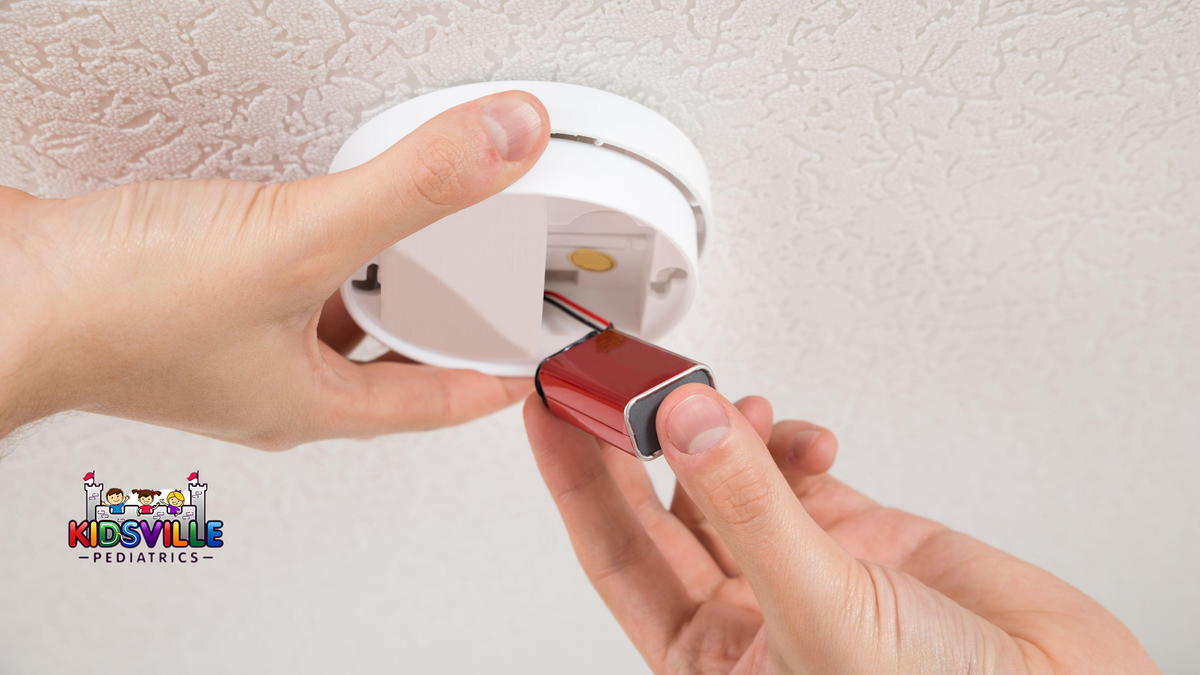
While not always part of a typical childproofing checklist, working smoke detectors and carbon monoxide alarms are life-saving devices. Test your alarms monthly, replace batteries twice a year, and make sure alarms are installed on every floor and near sleeping areas. A child-safe home isn’t just about preventing injuries but also about protecting your family from emergencies.
7. Be Mindful of Choking Hazards

Children often put small objects into their mouths, so keeping choking hazards out of reach is vital. Pediatrician McKinney specialists frequently warn that toys with small parts, buttons, coins, batteries, and certain foods like nuts or grapes should be stored safely away. Regularly inspect toys for broken or loose parts and follow age recommendations to avoid items that could pose a choking risk.
8. Protect Sharp Edges and Corners
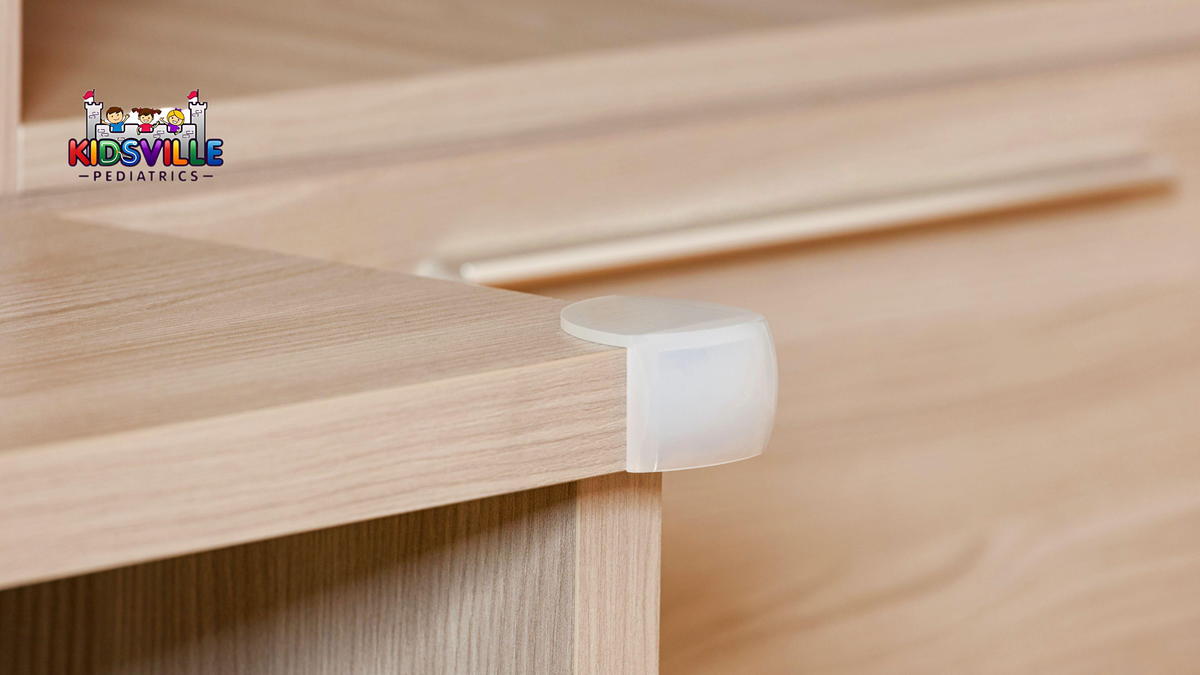
Sharp edges on furniture like coffee tables, countertops, or fireplace hearths can cause painful injuries. Install cushioned corner guards and edge protectors to soften these areas. These inexpensive additions can prevent countless bumps and bruises as your child learns to walk and explore.
9. Monitor Water Safety

Bathrooms and kitchens pose drowning hazards. Never leave your child unattended near water—this includes bathtubs, buckets, toilets, and even pet water bowls. Use toilet locks and always drain bathtubs immediately after use. Think about installing devices on your home faucets that could keep scalding incidents at bay.
10. Keep Hazardous Items Out of Reach
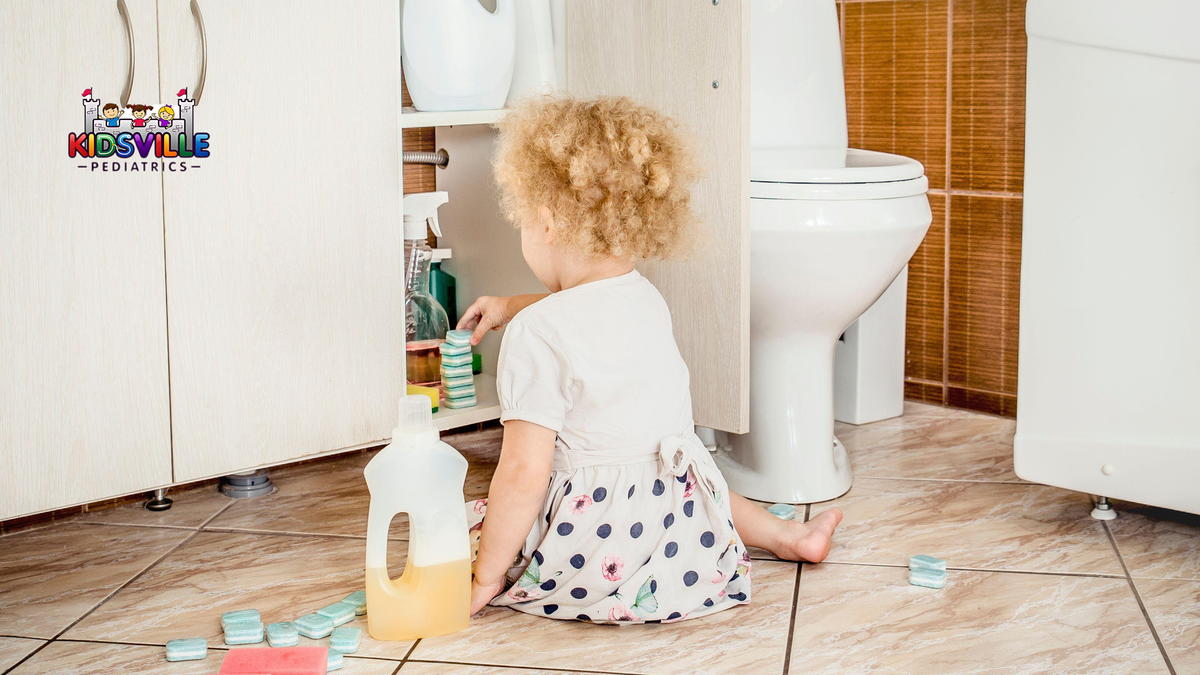
Everyday items like plastic bags, magnets, cleaning tools, and even houseplants can be harmful if ingested or mishandled. A McKinney doctor will often point out the importance of storing plastic bags out of reach to prevent suffocation, keeping magnets away from toddlers, and double-checking that any houseplants in your home are non-toxic. If you’re unsure about a plant, look it up or remove it until your child is older.
11. Childproof Doors and Locks
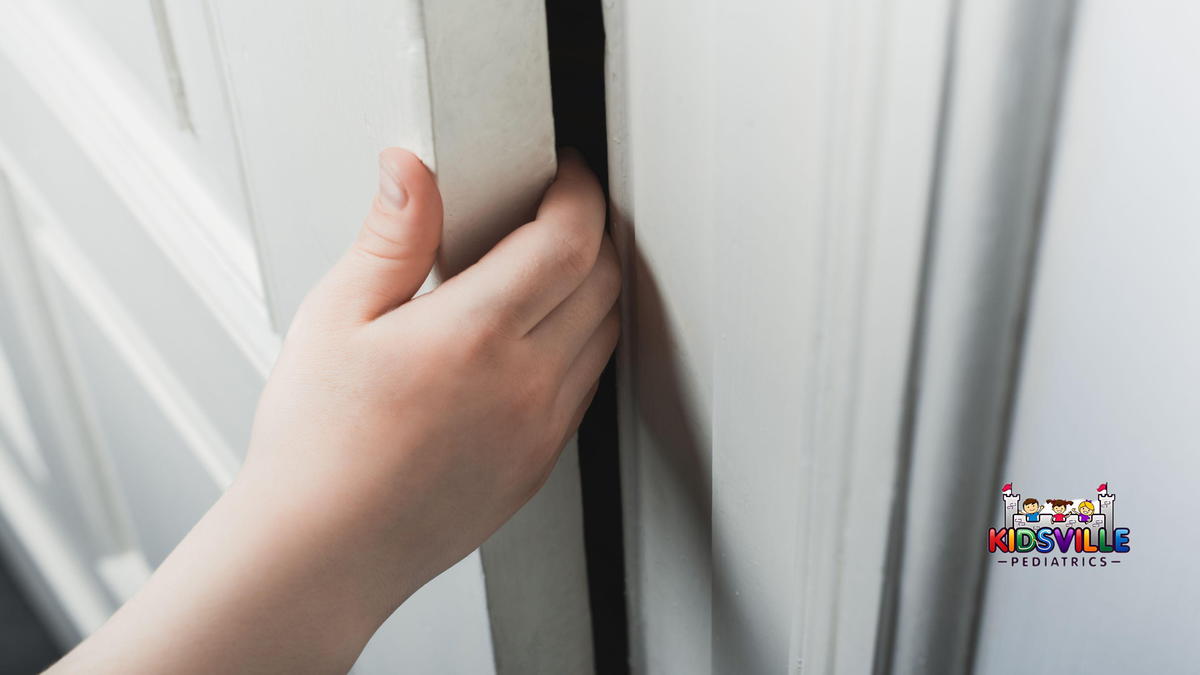
Your kid’s small fingers can get trapped in door hinges or could be injured by slammed doors. Use door stoppers or pinch guards to protect hands. For rooms or areas that are off-limits, install childproof door knobs or lever covers that prevent children from opening doors to unsafe spaces, such as basements or garages.
12. Supervise and Educate

No childproofing checklist is complete without the reminder that supervision is key. Even the safest home can’t replace a watchful eye. As your child grows, teach them about safety and boundaries appropriate for their age. Encourage good habits like not touching hot surfaces or staying away from electrical outlets.
Bonus Tips for Advanced Childproofing
-
Create Safe Play Zones: Designate areas in your home where your child can play safely, free from sharp edges, breakables, or heavy traffic.
-
Use Corner Protectors and Safety Nets: For outdoor decks or balconies, safety nets and railing covers prevent falls.
-
Keep Emergency Numbers Handy: Place emergency contacts, including poison control, near your phone or on the fridge.
-
Regularly Reassess: As your kid grows then becomes more mobile, be sure to update the childproofing measures in your home.
Are You Missing These Important Childproofing Steps?
Even experienced parents can miss a few spots when it comes to childproofing. McKinney pediatricians often point out commonly overlooked areas like securing heavy furniture, managing cords, and using the right types of safety gates. The bathroom and kitchen, where many accidents occur, demand extra attention with cabinet locks and water safety measures. Window safety is another area often underestimated until a close call happens.
By using this comprehensive checklist, you can feel confident you’re covering all bases. Your child’s safety is worth the effort and vigilance required. Childproofing isn’t a one-time task but an ongoing process that evolves as your child grows and explores new parts of your home.
Final Thoughts on Childproofing Your Home
Childproofing your home is the foundation of creating a safe environment where your child can thrive, explore, and grow with minimal risk. While the process can feel overwhelming at times, breaking it down into manageable steps with this ultimate checklist helps ensure you don’t miss anything crucial. Experts at Kidsville Pediatrics remind parents to secure furniture, lock up hazardous items, protect edges and windows, and always supervise your child’s activities.
With these essential steps in place, your home will be a safer, more secure place for your little adventurer. Childproofing should not be perceived as a task—it is your commitment as a parent to ensure your child’s well-being. So take the time now to double-check your home against this checklist and enjoy the peace of mind that comes with knowing you’ve done all you can to protect your child.


