
Building a Pediatric First Aid Kit for Home: What Every Parent Needs

When you’re raising children, unexpected bumps, bruises, and fevers are part of the journey. While no parent can prevent every accident, you can be ready to respond with confidence by keeping a well-stocked pediatric first aid kit at home. It’s one of those essentials that you hope you never need—but you’ll be incredibly thankful for when you do.
A pediatric-specific kit goes far beyond a general drugstore option. It’s customized with child-appropriate tools and medications, designed to treat minor injuries and sudden illnesses safely for infants, toddlers, and young kids.
Why You Need a Child-Focused First Aid Kit

Children require different care than adults. Their bodies respond differently to medication, their skin is more sensitive, and the items you use must often be scaled down in size or strength. A pediatric first aid kit is tailored with all these differences in mind. It ensures that whether your child falls off a bike, develops a fever in the middle of the night, or suffers a bug bite, you’re equipped with tools that are safe, gentle, and effective.
These kits also help reduce stress in emergency situations. Instead of scrambling to find the right kind of bandage or fever medicine, you’ll have everything in one place—ready to go, just as any trusted pediatrician McKinney professional would recommend for peace of mind.
Where and How to Store Your Kit
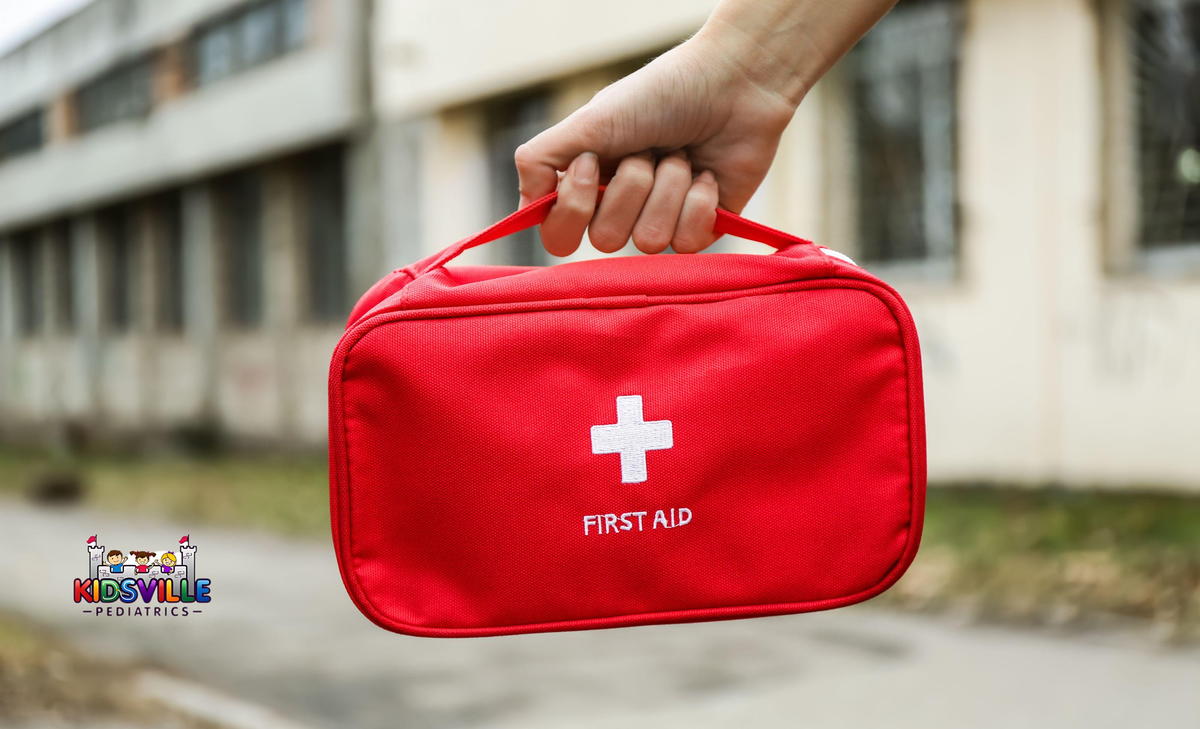
Your kit should live in an accessible yet secure location—reachable for adults but out of children’s reach. Many families store their pediatric first aid kit in the kitchen or hallway closet. It should be in a cool, dry place, away from sunlight and moisture.
Some families also prepare a smaller travel-sized version to keep in the car, stroller, or diaper bag. Having a kit on the go ensures you’re ready wherever the day takes you—from playgrounds to weekend road trips, just as pediatricians often advise for active families.
What to Include in Your Pediatric First Aid Kit

Wound Treatment and Cleaning
Scrapes and cuts are the most common injuries in kids. Your kit should include:
-
Assorted bandages (character-themed ones can make the experience less scary)
-
Sterile gauze pads for larger abrasions
-
Adhesive medical tape
-
Non-stick wound dressings
-
Alcohol-free antiseptic wipes or solution
-
Antibiotic ointment to prevent infection
-
Tweezers for splinter removal
-
Blunt-tipped medical scissors
-
Cold packs or chilled gel compresses for bumps or bruises
Tools for Fever and Pain Management
Kids commonly experience fever due to teething, viral illnesses, or ear infections—a pattern McKinney pediatricians frequently see. Keep these items on hand:
-
Digital thermometer—rectal thermometers are most accurate for infants
-
Pediatric acetaminophen and ibuprofen in liquid form
-
Oral syringe or dropper to ensure accurate dosing
-
Dosing chart based on your child’s weight
-
Reusable cold compress or forehead cooling pads
-
Fever-reducing strips (optional, but some kids prefer them)
Allergy and Cold Relief
Whether it’s seasonal allergies or a simple runny nose, you’ll want to be prepared:
-
Saline spray or drops to clear nasal passages
-
Bulb syringe or nasal suction tool
-
Pediatric antihistamine (check with your pediatrician first)
-
Petroleum jelly for protecting irritated noses
-
Tissues or gentle wipes
-
Thermometer probe covers (for hygiene)
Digestive Support and Rehydration
Tummy aches and mild digestive upsets are common among young children:
-
Electrolyte replacement fluids (like Pedialyte) or powder packets
-
Children’s anti-gas drops or gripe water
-
Thermometer-safe lubricant
-
Anti-diarrheal medicine (only with doctor approval)
-
Small trash bags or emesis bags for vomit
-
Measuring spoons or cup for fluids
Skin Protection and Bite Care
Children’s skin is delicate and easily irritated by sun, bugs, or friction:
-
Sunscreen formulated for kids (SPF 30 or higher)
-
Aloe vera gel for soothing sunburns
-
Hydrocortisone cream or calamine lotion for itchy rashes
-
Insect repellent (DEET-free formulas for infants)
-
Sting relief pads for bee stings or mosquito bites
-
Blister pads or moleskin patches
Emergency Essentials for Your Pediatric First Aid Kit
These are items that can make a life-saving difference:
-
Pediatric CPR guide (laminated for durability)
-
Emergency contacts (including pediatrician and poison control)
-
First aid manual
-
Flashlight with extra batteries
-
Child-safe nail clippers
-
Medical gloves
-
Emergency whistle or bell
-
Emergency blanket
Comfort and Distraction Items
Calm children faster with:
-
Stuffed animals or calming toys
-
Stickers as bravery rewards
-
Bubble wand to help regulate anxious breathing
-
Teething rings
-
Child-safe mirror so they can “see what’s happening”
Customize Your Kit Based on Your Child

Every child is different, and your kit should reflect your child’s specific needs and medical history. If your child has allergies, asthma, or special needs, make sure your kit includes, as recommended by your McKinney doctor:
-
EpiPen (with training instructions)
-
Asthma inhaler and spacer
-
Special prescriptions (in child-proof containers)
-
Copies of prescriptions or emergency instructions from your pediatrician
-
Backup pacifier, if your baby uses one
-
Special snacks if your child has dietary restrictions
Maintenance and Safety Tips
-
Check expiration dates monthly—especially for medications and ointments.
-
Label everything clearly, including dosage instructions and allergy warnings.
-
Update your dosing chart every few months making sure that you take note of your child’s weight.
-
Train everyone who cares for your child on how to use the kit.
-
Keep the kit organized so items are easy to find during stressful moments.
-
Store in a labeled, waterproof container or a divided tackle box or bin.
When to Use the Kit vs. When to Call a Pediatrician
Your pediatric first aid kit is for minor, manageable situations. For more serious signs, seek emergency medical care. Call your pediatrician or go to the ER if your child:
-
Has trouble breathing
-
Experiences a seizure
-
Has a high fever with no response to medication
-
Suffers a deep or jagged cut
-
Shows symptoms of a head injury or concussion
-
Has a suspected broken bone
-
Swallowed something harmful
-
Develops swelling, hives, or difficulty breathing after a sting or food exposure
You can also call Poison Control 24/7 at 1-800-222-1222 for expert advice in ingestion-related emergencies.
You don’t need to wait for an emergency to take action. Building a complete, thoughtfully organized pediatric first aid kit today puts you in a strong position to care for your child tomorrow—whether it’s a scraped elbow after bike riding or a sudden fever at 2 a.m. You’ll be ready, calm, and confident when your little one needs you most.


