

Summer brings sunshine, outdoor adventures, and unforgettable childhood memories. It’s the season of park days, backyard play, beach trips, and camping under the stars. But while kids are busy soaking up every moment of summer fun, there’s one tiny menace parents everywhere are trying to fend off—mosquitoes. For most children, mosquito bites are nothing more than a mildly annoying, itchy bump. But for others—especially young children—bites can lead to more serious reactions or even illness. From skin infections to mosquito-borne diseases, these little pests can create big problems.
If you’re a parent wondering how to keep your kids bite-free this summer, you’re not alone. Whether you’re getting advice from your own pediatrician McKinney expert or just doing some summer prep at home, mosquito protection is more than just a comfort issue—it’s key to keeping your little ones safe and itch-free all season long.
Why Mosquito Bites Are a Bigger Deal for Kids

Children’s skin is extra sensitive, and their immune systems are still developing. As a result, kids often react more intensely to mosquito bites than adults. A small red dot for you could be a large, swollen welt for them—and they might not be able to stop scratching it. That increases the risk of secondary skin infections.
But it’s not just about the itching.
In some areas of the United States—and many places abroad—mosquitoes can transmit serious diseases like West Nile Virus, Zika Virus, Dengue, Chikungunya, and Eastern Equine Encephalitis (EEE). While the risk varies depending on region, climate, and time of year, the fact remains: preventing bites is always better than treating them.
Mosquitoes Love Summer—and So Do Kids
Mosquitoes thrive in warm, humid environments. So it’s no surprise that summer is peak mosquito season. They’re most active around dawn and dusk, but they can also be a nuisance during daytime hours—especially near standing water or heavily wooded areas.
And that’s exactly where many kids love to spend their time: splashing in backyard pools, exploring at summer camp, or catching fireflies at twilight.
Parents want their children to be outdoors and active—it’s essential for physical and emotional development. But as McKinney pediatricians often remind families, enjoying nature safely means having a game plan for mosquito protection.
Pediatrician-Approved Ways to Prevent Mosquito Bites
When it comes to bite prevention, parents often wonder: What’s safe? What really works? Here’s a pediatric-friendly guide to practical, effective, and safe strategies.
1. Choose the Right Insect Repellent

Not all repellents are created equal. For children over 2 months of age, the American Academy of Pediatrics (AAP) recommends repellents containing DEET (up to 30%), Picaridin (20%), or Oil of Lemon Eucalyptus (not for children under 3). These ingredients have been shown to effectively protect against mosquito bites when used correctly.
Here’s how to apply them safely: use only the amount needed—don’t overapply, spray on your hands first and then rub on your child’s skin (avoiding the eyes, mouth, and hands), don’t apply under clothing or to irritated skin, and always wash the repellent off with soap and water after coming indoors. When in doubt about which product to use or how often to reapply, a trusted McKinney doctor can help guide you based on your child’s age and specific needs.
For babies under 2 months, avoid repellents entirely. Instead, use physical barriers like mosquito netting.
2. Dress Kids in Mosquito-Smart Clothing
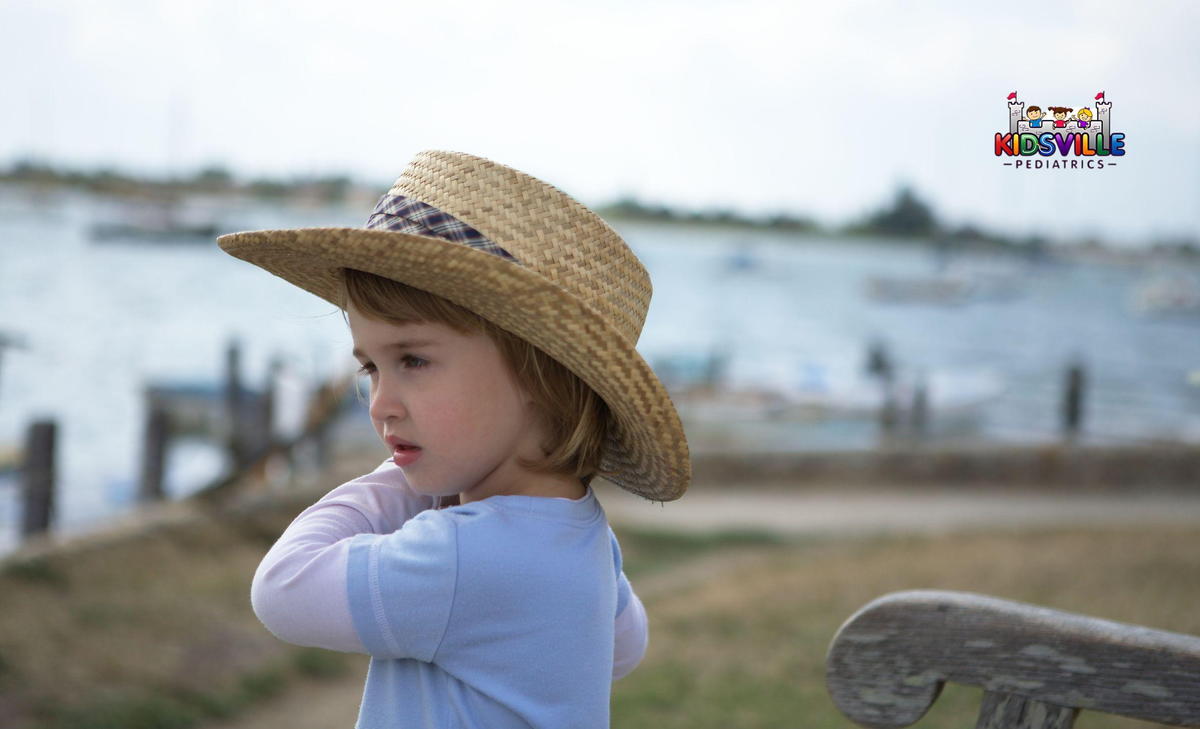
Clothing is one of the best forms of protection. The right outfit can do wonders to keep bugs at bay. Choose long-sleeved shirts and pants made of lightweight, breathable fabric. Light-colored fabrics are better because mosquitoes are more attracted to dark colors. For infants and toddlers, hats with wide brims or netting can add extra protection, and socks and closed-toe shoes are smart choices in grassy or wooded areas.
You can also consider insect-repellent-treated clothing, especially for camping or hiking trips.
3. Avoid Mosquito Hot Spots
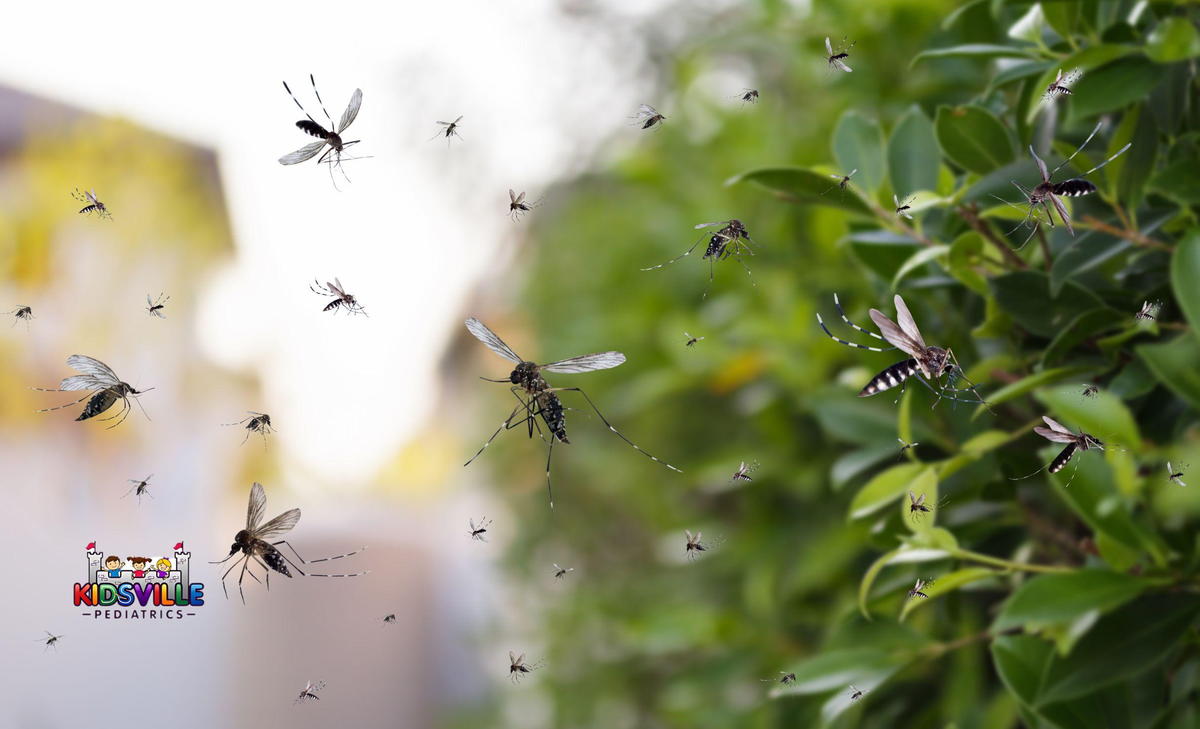
Mosquitoes breed in still water and love shady, damp environments. Try to avoid the following when possible: ponds, swamps, heavily wooded trails at dusk, overgrown yards, and areas with standing water like birdbaths, buckets, or puddles. A McKinney pediatrician might also recommend taking extra precautions in these areas, especially during peak mosquito season.
If you’re planning a backyard playdate or barbecue, using outdoor fans can help. Mosquitoes have trouble flying in the wind, so a gentle breeze is a natural deterrent.
4. Protect Your Home Environment

Mosquito prevention doesn’t stop at your front door. Make sure you use screens on windows and doors and repair any tears or gaps. Dump out any standing water around your home each week—think flower pots, toys, kiddie pools, and even bottle caps. Mosquito dunks (safe for pets and wildlife) can be placed in birdbaths or rain barrels to prevent larvae from maturing.
Citronella candles and kid-friendly mosquito traps are great additions for patios and decks, offering a little extra protection during outdoor time.
5. Use Mosquito Nets for Babies and Toddlers
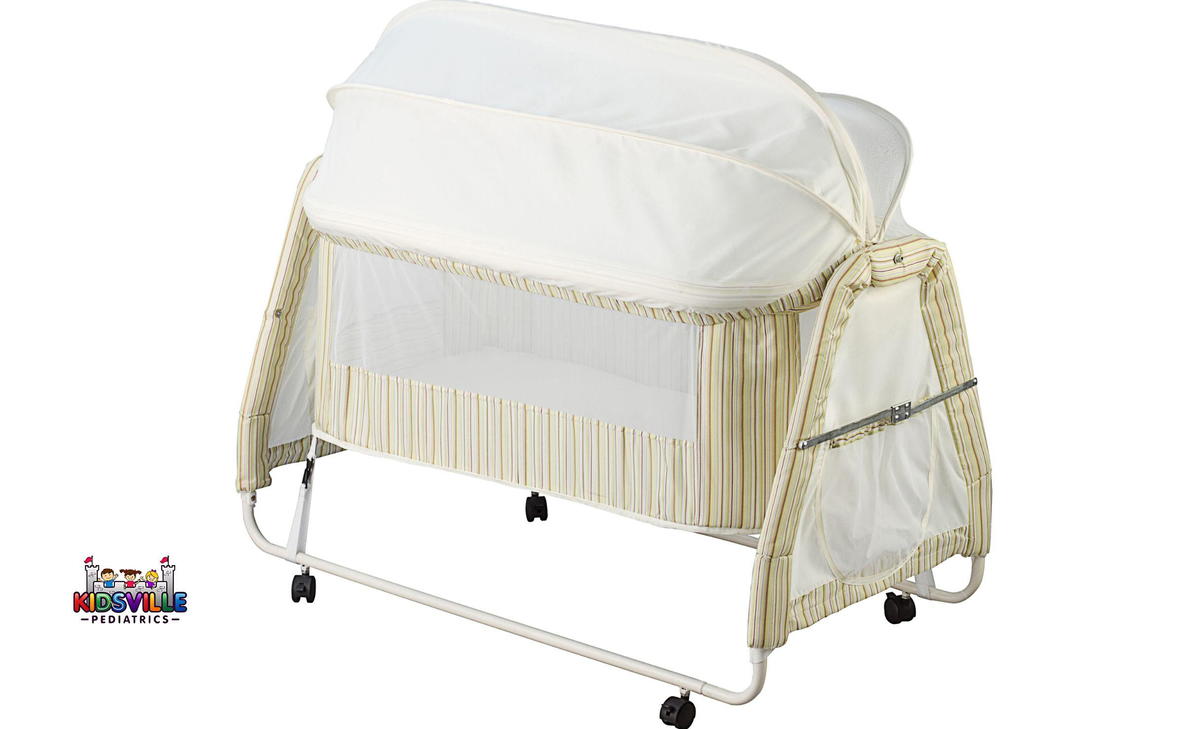
For infants in strollers or playpens, mosquito netting can be a game-changer. It provides a safe physical barrier without any need for repellent. Use nets that fully enclose the area and secure them tightly to prevent gaps where bugs could sneak in.
What to Do If Your Child Gets Bitten
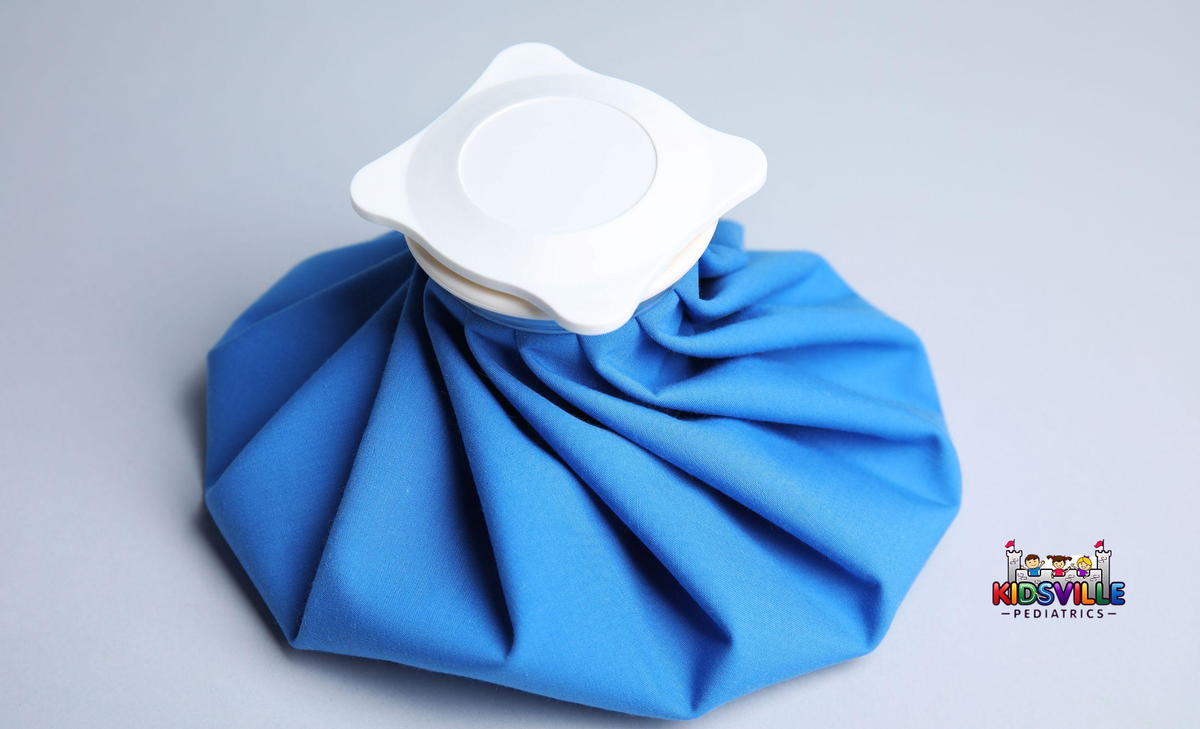
Even with the best prevention, bites can still happen. Begin by cleaning the area with soap and water. A cold compress can help reduce swelling. Apply pediatrician-approved anti-itch creams or calamine lotion to ease discomfort. Keep your child’s nails trimmed to discourage scratching, which can lead to skin infections.
Watch for signs of a more serious reaction: if the bite area becomes very red, warm, swollen, or starts to ooze pus, call your McKinney pediatrician. If your child has difficulty breathing, widespread hives, or facial swelling, seek emergency care immediately.
Travel Tips: If You’re Headed Abroad

Traveling this summer? In some regions, mosquito-borne illnesses like malaria or dengue are more common. Before your trip, talk to your pediatrician about vaccines or preventive medications your child may need.
Stick to well-screened or air-conditioned lodging, and consider using mosquito bed nets at night. Apply repellent as recommended, dress in long sleeves and pants, and be especially cautious in areas known for active outbreaks.
A Parenting Balancing Act

There’s always a balancing act when it comes to parenting: protect your kids, but also let them enjoy the magic of childhood. You don’t want to keep them locked indoors because of a few bugs—but you also want to avoid the itch-scratch-cry cycle (and worse).
That’s where a little preparation goes a long way. With the right steps, you can confidently let your kids explore the outdoors while staying bite-free.
Summertime is about freedom, fun, and fresh air. With pediatric guidance and parent-tested strategies, mosquito season doesn’t have to get in the way of that.
Final Thoughts
Protecting your child from mosquito bites isn’t just about avoiding a few itchy bumps. It’s about creating safe, happy outdoor experiences—and reducing the risk of more serious complications. Whether you’re heading to the lake, camping in the backyard, or just playing in the sprinkler, mosquito protection should be part of your summer routine.
So, to keep mosquito bites at bay, be sure to stock up on safe repellent, dress smart, and take a few moments to prep your environment. Then step outside and enjoy the season—mosquito-free and worry-free.


