

Pregnancy is one of the most transformative journeys a person can experience, both physically and emotionally. It’s a time filled with anticipation, joy, and questions. One of the most critical components of a healthy pregnancy is prenatal care—a proactive approach to monitoring the health of both mother and baby. Prenatal care is not just about checkups and lab tests; it’s about empowering expectant parents with knowledge, early detection of potential complications, and fostering a safe environment for the baby’s development.
This article explores the multifaceted importance of prenatal care, from ensuring optimal fetal development to supporting the mental and emotional health of the mother. Whether you’re expecting your first child or adding another member to your family, understanding why prenatal care matters is essential for a safe and healthy pregnancy.
What Is Prenatal Care?

Prenatal care refers to the medical attention and guidance a woman receives during her pregnancy. These regular checkups help track the progress of the pregnancy and ensure that both mother and baby are doing well. Prenatal visits typically begin in the first trimester and continue until delivery.
They include physical exams, ultrasounds, screenings, vaccinations, and educational support on nutrition, exercise, and childbirth preparation. But prenatal care goes beyond medical monitoring—it’s also about building a relationship with your Southlake doctors, addressing emotional well-being, and planning ahead for delivery and postpartum life.
Why Is Prenatal Care Important?
Early Detection of Health Issues

One of the most crucial reasons to maintain regular prenatal visits is the early identification of potential health problems. Conditions such as gestational diabetes, preeclampsia, anemia, and infections can arise during pregnancy and may pose serious risks if left undetected. Early diagnosis allows for prompt treatment or interventions that can prevent complications for both the mother and baby.
For example, preeclampsia, a condition characterized by high blood pressure and organ damage, can be life-threatening if not monitored and managed. Regular blood pressure checks and urine tests during prenatal visits can help detect the condition early and ensure it is treated appropriately.
Monitoring Fetal Development

Throughout pregnancy, your healthcare provider will assess your baby’s growth through measurements, heart rate monitoring, and ultrasounds. These evaluations help ensure that your baby is growing at a healthy rate and developing properly. If any concerns arise—such as intrauterine growth restriction (IUGR) or structural anomalies—specialists can provide targeted care to address the issues.
Routine screenings, such as the anatomy scan around 20 weeks, can detect physical and chromosomal abnormalities. While not every condition can be prevented, knowing in advance allows families to prepare and make informed decisions.
Guidance on Nutrition and Lifestyle

What you eat and how you live during pregnancy can significantly impact your baby’s health. Prenatal care includes discussions about proper nutrition, weight gain, hydration, and physical activity. Your provider may also recommend prenatal vitamins—particularly folic acid—to support your baby’s neural development and prevent birth defects such as spina bifida.
Additionally, you’ll receive advice on avoiding harmful substances like alcohol, tobacco, and certain medications. A Southlake pediatric clinic’s guidance can help you navigate confusing or conflicting information and make healthier choices throughout your pregnancy.
Personalized Health Management

Every pregnancy is different. Some women may be managing chronic conditions like diabetes, hypertension, or autoimmune disorders. Others may face increased risk factors such as advanced maternal age or a history of miscarriage. Prenatal care is tailored to each individual’s needs, ensuring that your care plan takes into account your medical history, lifestyle, and potential risk factors.
Your Southlake doctors may refer you to specialists such as maternal-fetal medicine (MFM) doctors, nutritionists, or mental health professionals as needed, creating a network of care that supports every aspect of your health.
Emotional and Mental Health Support

Pregnancy can be emotionally intense. Hormonal changes, physical discomfort, fear of labor, and anxieties about becoming a parent can take a toll on mental health. Prenatal care includes regular check-ins that give healthcare providers the opportunity to screen for mood disorders like prenatal depression and anxiety.
Early detection of mental health challenges means that pregnant individuals can access therapy, support groups, or medication if needed. Addressing mental health during pregnancy not only supports the mother’s well-being but also contributes to better outcomes for the baby, both during pregnancy and after birth.
Educating and Empowering Expectant Parents

Knowledge is power—especially when navigating something as complex as pregnancy and childbirth. Prenatal care includes educational components that prepare you for the stages of labor, delivery options, breastfeeding, newborn care, and postpartum recovery.
Many Southlake pediatrics professionals also offer prenatal classes or can direct you to trusted resources. This education can reduce fear and increase confidence. Understanding the signs of preterm labor, knowing when to go to the hospital, and having a birth plan in place can give parents a greater sense of control during the birth process.
Reducing the Risk of Preterm Birth and Low Birth Weight

According to the Centers for Disease Control and Prevention (CDC), babies born too early or too small are at increased risk for health problems, both at birth and later in life. Prenatal care helps reduce the incidence of preterm birth and low birth weight by managing medical conditions, promoting a healthy lifestyle, and identifying warning signs early.
Regular prenatal visits also help with spacing out pregnancies safely, which the World Health Organization recommends to reduce risks associated with closely spaced pregnancies.
Supporting Family and Partner Involvement

Prenatal care is also an opportunity for partners and family members to get involved. Many providers encourage partners to attend appointments, especially for milestone events like ultrasounds or discussions about delivery. Involving your support system helps build a stronger foundation for shared parenting responsibilities and emotional support. When partners are engaged early on, they’re more likely to participate in caregiving and parenting tasks after the baby arrives, which benefits the entire family.
Special Considerations for High-Risk Pregnancies

Some pregnancies are considered high-risk due to factors such as age (under 18 or over 35), multiple gestation (twins, triplets, etc.), pre-existing health conditions, previous pregnancy complications, or lifestyle factors such as smoking or substance use. Prenatal care becomes all the more critical in these circumstances.
High-risk pregnancies may require more frequent monitoring, specialized testing, and coordination between multiple Southlake doctors. The goal is always to minimize risks and promote the safest possible outcome for both mother and baby.
Access and Equity in Prenatal Care
While the benefits of prenatal care are well-established, access remains a challenge for many families due to socioeconomic barriers, lack of insurance, transportation issues, or limited availability of providers in rural areas. Improving access to prenatal care is a public health priority.
Community-based clinics, telehealth options, mobile health units, and culturally competent care models are helping bridge these gaps. Ensuring that all pregnant individuals receive consistent, high-quality prenatal care is vital to reducing maternal and infant mortality rates and promoting health equity.
Postpartum Continuity of Care
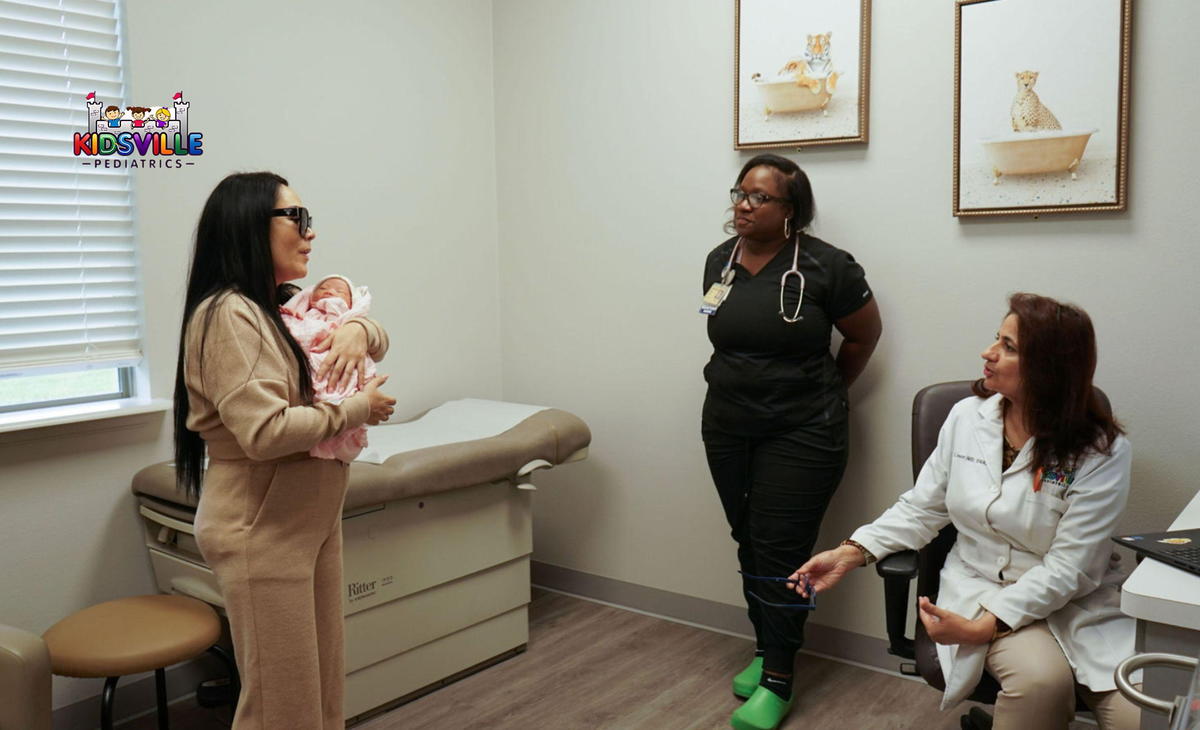
Prenatal care doesn’t stop once the baby is born—it sets the stage for postpartum health. A strong prenatal care relationship makes it easier for new parents to follow through with postpartum visits, lactation consultations, and newborn checkups. Many physical and mental health concerns, such as postpartum depression, C-section recovery, and breastfeeding challenges, are best addressed early on through a seamless continuum of care.
Kidsville Pediatrics Southlake Care
Prenatal care is far more than a medical checklist—it’s an ongoing, collaborative process that supports the health, safety, and empowerment of both parent and baby. From the first positive pregnancy test to the moment you hold your newborn in your arms, regular prenatal visits help guide you through each phase of the journey with confidence and care.
The investment in prenatal care pays off with improved outcomes, reduced risks, and a better overall experience of pregnancy and childbirth. Whether you’re navigating a routine pregnancy or a more complex one, don’t underestimate the value of showing up to those appointments, asking questions, and staying informed. When we prioritize prenatal care, we prioritize healthy beginnings—for babies, for parents, and for families.


