

In today’s digital age, children are increasingly spending more time indoors, engaged with screens, and less time outside engaging in physical activity. While technology has brought numerous benefits, the decline in outdoor play has raised concerns among parents, educators, and health professionals. Outdoor play is essential for children’s overall development, encompassing physical, emotional, social, and cognitive growth. This article explores the importance of outdoor play and its impact on children’s well-being.
Physical Health Benefits of Outdoor Play
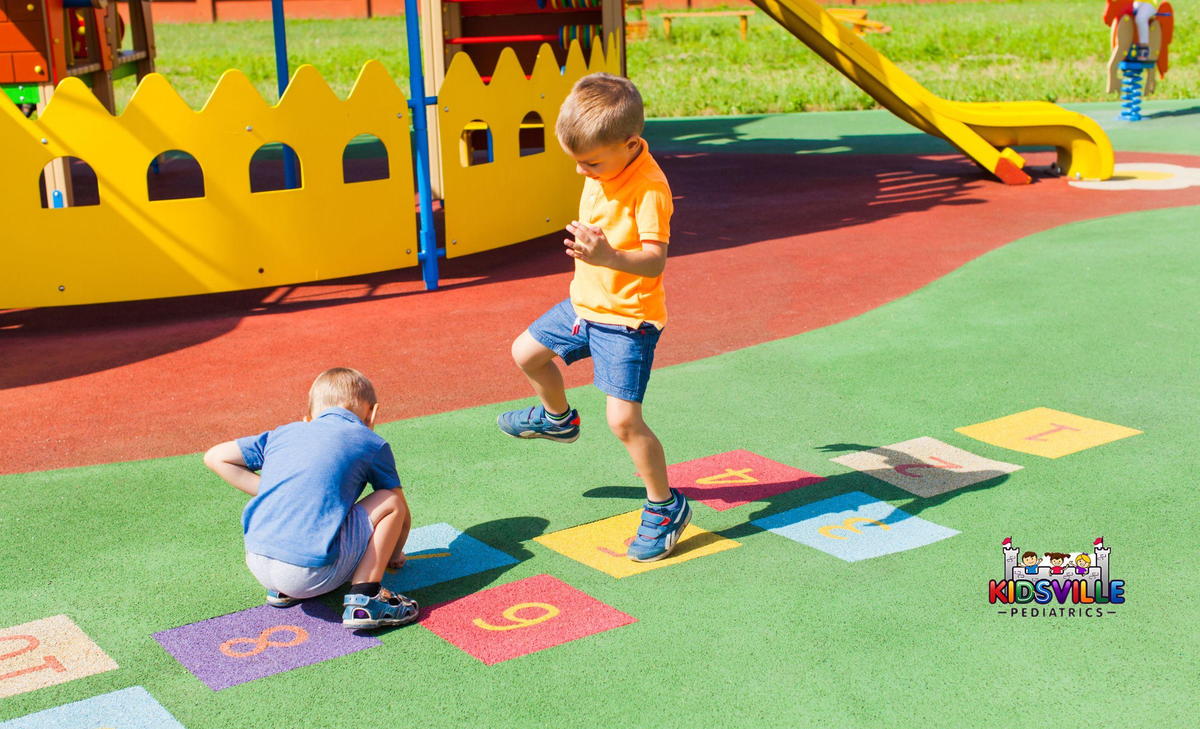
1. Encourages Physical Activity
One of the most significant benefits of outdoor play is that it promotes physical activity. Running, jumping, climbing, and playing sports help children develop their motor skills, coordination, and balance. The Centers for Disease Control and Prevention (CDC) recommends that children engage in at least 60 minutes of physical activity daily, and outdoor play provides an enjoyable way to meet this requirement.
2. Enhances Cardiovascular Health
Engaging in outdoor activities like running, biking, or playing tag strengthens children’s cardiovascular systems. Regular physical activity improves heart health, reduces the risk of obesity, and helps prevent conditions such as type 2 diabetes and high blood pressure.
3. Strengthens the Immune System
Exposure to fresh air and natural sunlight plays a crucial role in boosting the immune system. Sunlight is a natural source of vitamin D, a vital nutrient that supports bone strength and enhances immune function. Additionally, exposure to different outdoor environments helps children build resistance to common allergens and illnesses, a factor that Psych NP professionals like our very own, Alexander Ng, PMHNP-BC, recognize as beneficial for overall well-being.
4. Improves Motor Skills
Outdoor play encourages children to use their whole bodies, helping to develop both fine and gross motor skills. Activities such as climbing on playground equipment, riding a bike, or throwing a ball improve muscle strength, coordination, and dexterity.
Cognitive and Academic Benefits of Outdoor Play
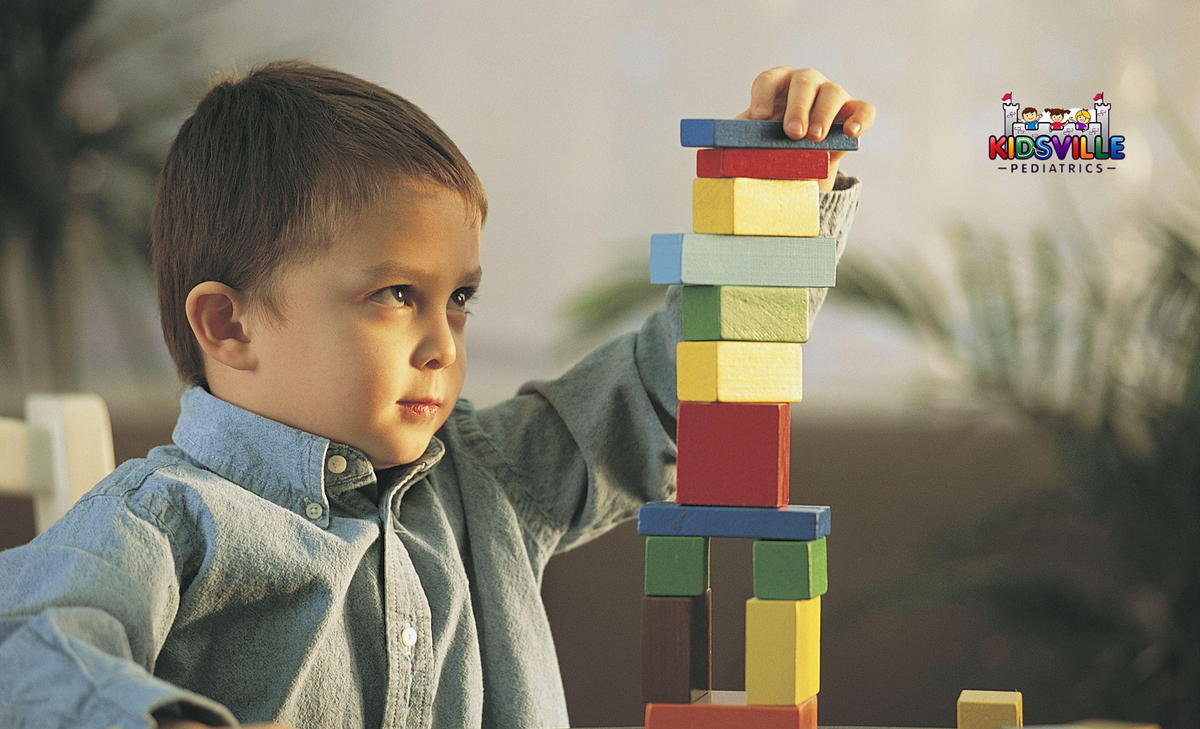
1. Boosts Creativity and Imagination
The open-ended nature of outdoor play stimulates creativity and imagination. Unlike structured indoor activities, outdoor play allows children to invent games, create imaginary scenarios, and explore their environment in unique ways. This unstructured play fosters problem-solving skills and innovative thinking, which are aspects of cognitive development that NP psychiatry professionals recognize as essential for a child’s mental well-being.
2. Enhances Concentration and Focus
Research suggests that children who spend time outdoors show improved concentration and focus in academic settings. Nature provides a calming effect, reducing stress and improving attention spans. Studies have found that children with attention-deficit/hyperactivity disorder (ADHD) benefit significantly from outdoor play as it helps them manage symptoms and improve cognitive function.
3. Encourages Curiosity and Exploration
Being in nature exposes children to new sights, sounds, and textures, sparking their curiosity. Whether it’s examining a bug, collecting leaves, or observing the weather, outdoor play nurtures an appreciation for science and the environment. These early experiences lay the foundation for a lifelong interest in learning, something that professionals in nurse practitioner psychiatry recognize as beneficial for cognitive and emotional development.
4. Supports Sensory Development
Outdoor play engages multiple senses—sight, sound, touch, and even smell—enhancing sensory development. Playing with sand, water, mud, and other natural elements provides sensory-rich experiences that help children understand their world through direct interaction.
Social and Emotional Benefits of Outdoor Play

1. Encourages Social Interaction and Communication
Outdoor play often involves group activities, allowing children to interact, communicate, and collaborate with peers. Games that require teamwork, such as soccer or tag, teach valuable social skills, including cooperation, sharing, and conflict resolution.
2. Reduces Stress and Anxiety
Spending time outdoors has been shown to reduce stress, anxiety, and symptoms of depression in children. Natural environments have a calming effect, and physical activity releases endorphins, which improve mood and overall emotional well-being.
3. Builds Confidence and Independence
Exploring the outdoors helps children develop confidence and independence. Climbing trees, navigating playground equipment, and trying new activities encourage risk-taking and resilience. These experiences help children learn from their mistakes and build self-assurance, which is why Kidsville Pediatrics Mansfield, TX encourages outdoor play as part of a child’s healthy development.
4. Develops Emotional Regulation
Outdoor play allows children to express and regulate their emotions effectively. Whether they experience excitement, frustration, or joy, playing outside helps them navigate these emotions in a healthy way. Interacting with peers also provides opportunities to practice empathy and understanding.
The Role of Parents and Schools in Promoting Outdoor Play

1. Creating Safe Outdoor Environments
Parents and schools play a crucial role in ensuring children have access to safe and engaging outdoor spaces. Well-maintained playgrounds, schoolyards, and parks provide children with secure environments to explore and play freely.
2. Limiting Screen Time
Encouraging outdoor play requires balancing screen time. The American Academy of Pediatrics (AAP) recommends limiting recreational screen time for children and promoting active play instead. Parents can set screen-free times, such as during family outings or before bedtime, to encourage outdoor engagement.
3. Organizing Outdoor Activities
Structured outdoor activities, such as nature walks, sports leagues, and scavenger hunts, can make outdoor play more appealing. Schools can incorporate outdoor learning sessions and recess breaks to ensure children receive adequate outdoor exposure.
4. Leading by Example
Parents and caregivers can inspire children to spend more time outdoors by participating in activities together. Going for walks, playing catch, or having picnics in the park demonstrate the importance of outdoor play and encourage children to be more active.
Overcoming Barriers to Outdoor Play

1. Addressing Safety Concerns
Some parents hesitate to allow their children to play outside due to safety concerns. Providing supervised play areas, teaching children about outdoor safety, and fostering community engagement can help alleviate these fears.
2. Dealing with Weather Challenges
Weather can sometimes limit outdoor play, but there are ways to adapt. Dressing appropriately for the weather, engaging in seasonal activities, and finding covered play areas can ensure year-round outdoor play opportunities.
3. Combating Urbanization and Limited Green Spaces
In urban areas, access to parks and green spaces may be limited. Schools and community organizations can advocate for safe play areas, rooftop gardens, and community playgrounds to provide children with outdoor opportunities.
4. Encouraging Schools to Prioritize Outdoor Play
Schools should recognize the importance of outdoor play and integrate it into daily routines. Extending recess time, incorporating outdoor classrooms, and promoting physical education programs can enhance children’s well-being.
Kidsville Pediatrics Mansfield, TX
Outdoor play is an essential aspect of childhood that supports physical, cognitive, social, and emotional development. Despite the challenges posed by modern lifestyles, prioritizing outdoor activities can significantly benefit children’s health and well-being. By fostering a culture that values outdoor play, parents, educators, and communities can ensure children grow into healthy, well-rounded individuals. Encouraging outdoor play is not just about fun—it’s an investment in a child’s future.


