

Pregnancy is a transformative journey, and ensuring proper nutrition is vital for both the mother and the developing baby. One of the key components of prenatal care is taking prenatal vitamins, which provide essential nutrients necessary for fetal growth and maternal health. But with so many options available, it can be overwhelming to decide which prenatal vitamins to take and why they are so important.
This article delves into the significance of prenatal vitamins, their key ingredients, benefits, and tips for choosing the right one. Whether you are planning to conceive, already pregnant, or postpartum, understanding the role of these supplements will help you make informed decisions for a healthy pregnancy.
Why Are Prenatal Vitamins Important?
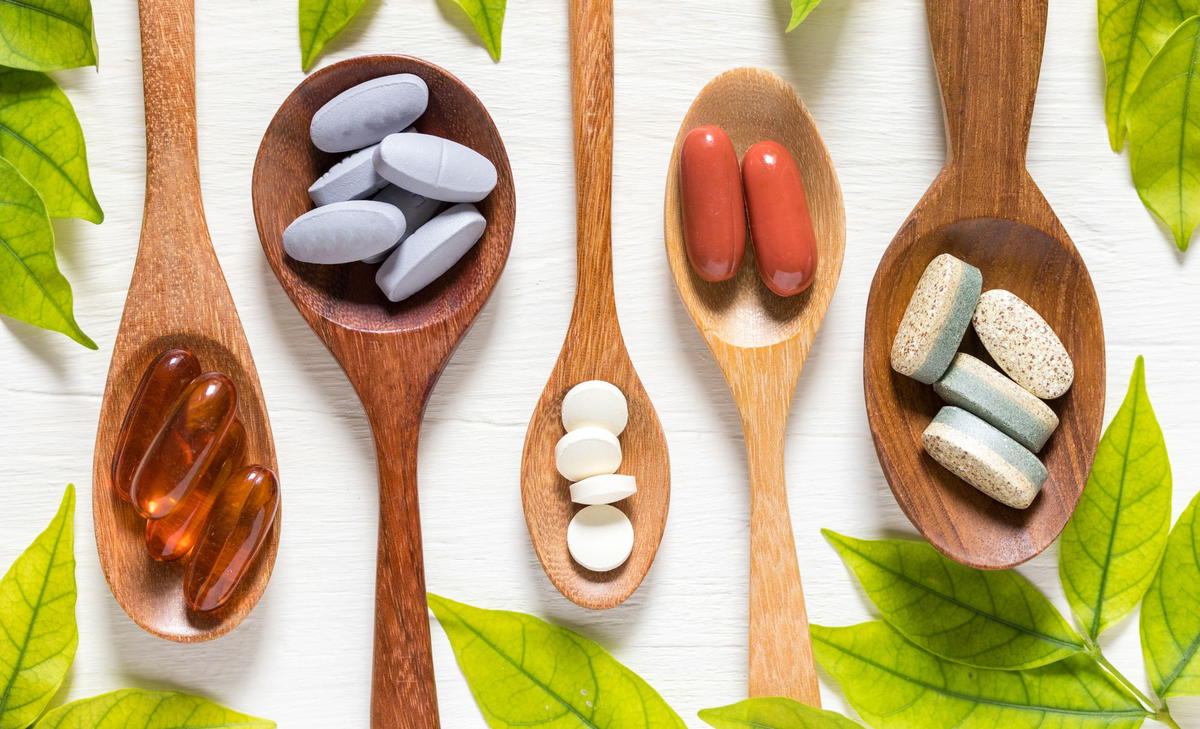
During pregnancy, a woman’s nutritional needs increase significantly. The developing baby relies entirely on the mother for essential vitamins and minerals required for proper growth. However, even with a well-balanced diet, it can be challenging to obtain all the necessary nutrients in the right amounts. This is where prenatal vitamins play a crucial role, and a pediatrician can provide valuable guidance on choosing the right supplements to support both maternal and fetal health.
Prenatal vitamins help:
-
Support the baby’s brain and spinal cord development.
-
Reduce the risk of congenital disorders.
-
Support maternal health by replenishing depleted nutrients.
-
Enhance immune function during pregnancy.
-
Prevent pregnancy-related complications such as anemia and preeclampsia.
Essential Nutrients in Prenatal Vitamins
Prenatal vitamins contain a combination of essential nutrients that support maternal and fetal health. Below are the key components to look for when selecting a prenatal vitamin:
1. Folic Acid (Folate)
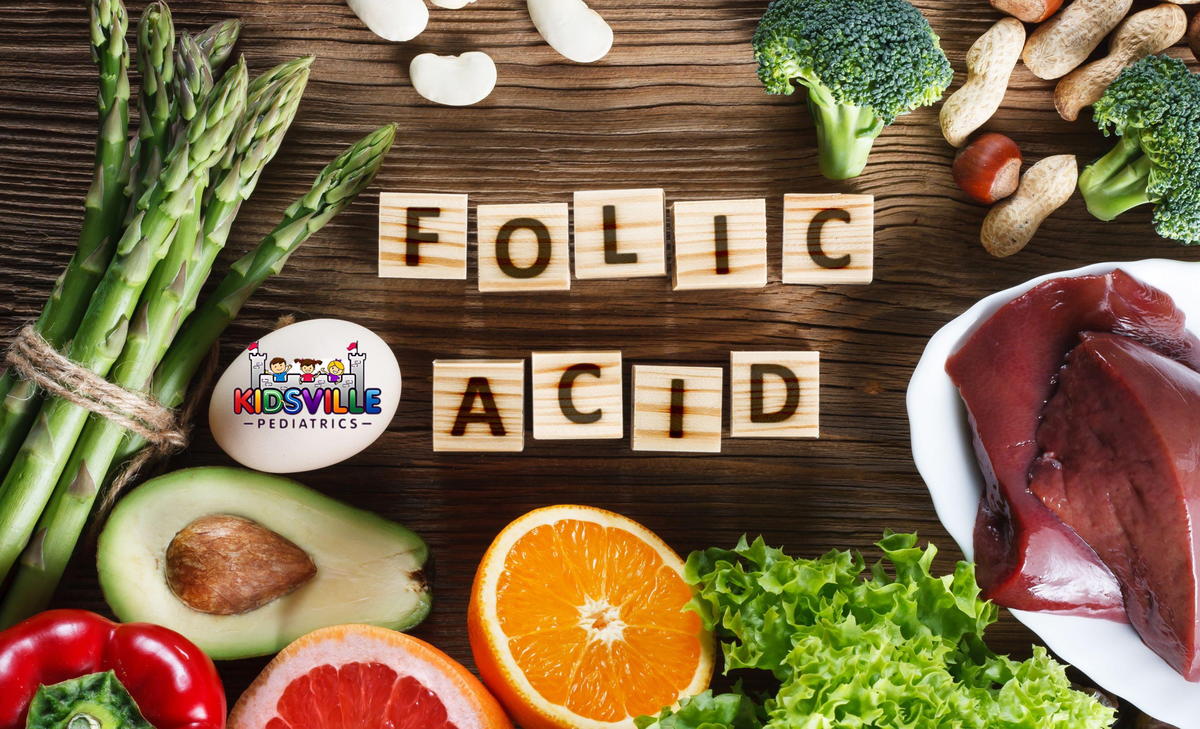
Folic acid is a vital nutrient found in prenatal vitamins, playing a crucial role in fetal development. It helps prevent neural tube defects (NTDs) such as spina bifida and anencephaly, which affect the baby’s brain and spinal cord. The CDC recommends that women of childbearing age consume at least 400-800 mcg of folic acid daily.
2. Iron
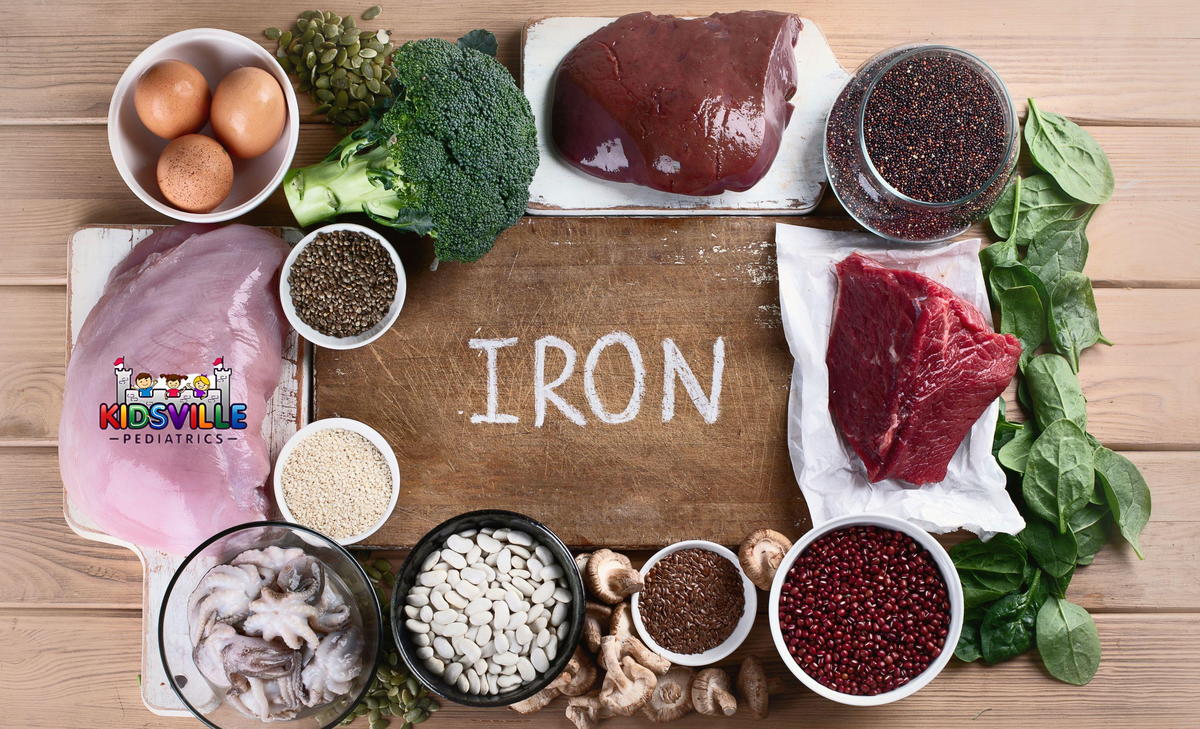
Iron supports the increased blood volume during pregnancy and prevents iron-deficiency anemia. It also ensures adequate oxygen supply to the baby. Pregnant women typically need around 27 mg of iron daily, and pediatricians often emphasize the importance of maintaining proper iron levels for both maternal health and the baby’s development.
3. Calcium
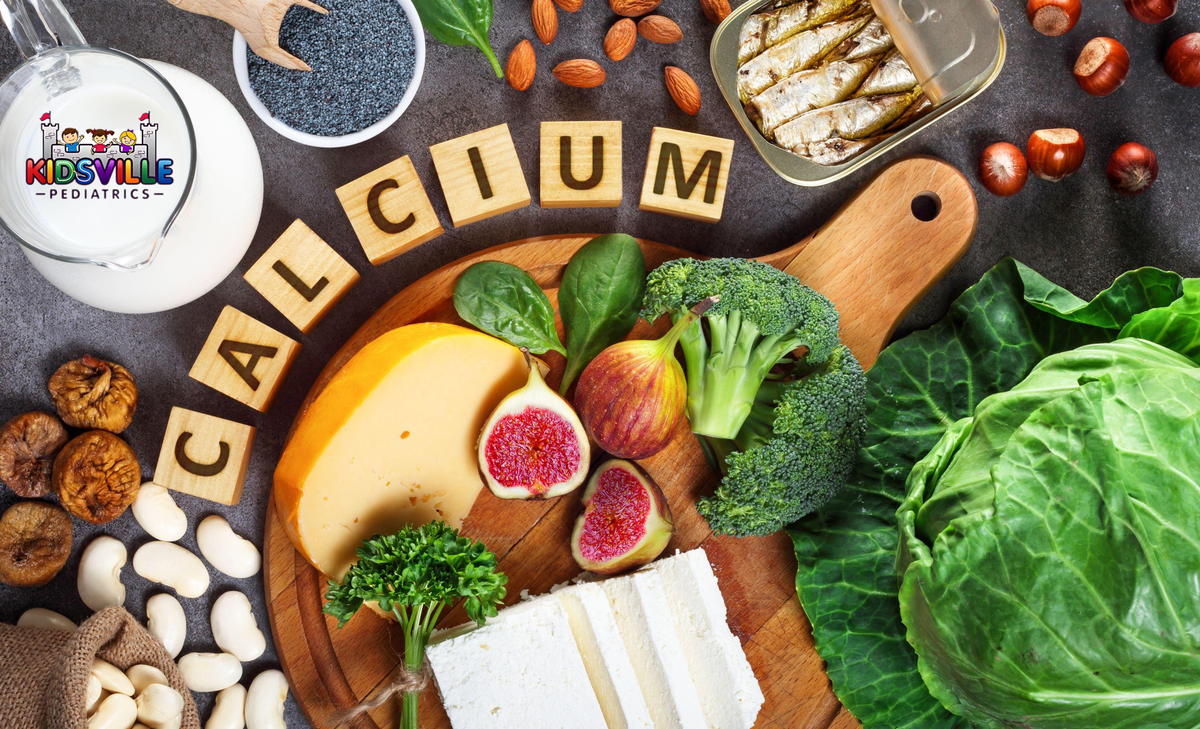
Calcium is crucial for developing strong bones and teeth in the baby. If a pregnant woman doesn’t consume enough calcium, her body will take it from her bones, increasing her risk of osteoporosis later in life. The recommended daily intake of calcium for pregnant women is about 1,000 mg.
4. Vitamin D

Vitamin D aids calcium absorption and supports immune function. It is essential for fetal bone and teeth development. Pregnant women should aim for 600 IU of vitamin D per day.
5. DHA (Docosahexaenoic Acid)

DHA, an essential omega-3 fatty acid, supports brain and eye development. Many prenatal vitamins now include DHA, but it can also be obtained through diet, particularly from fatty fish like salmon.
6. Iodine
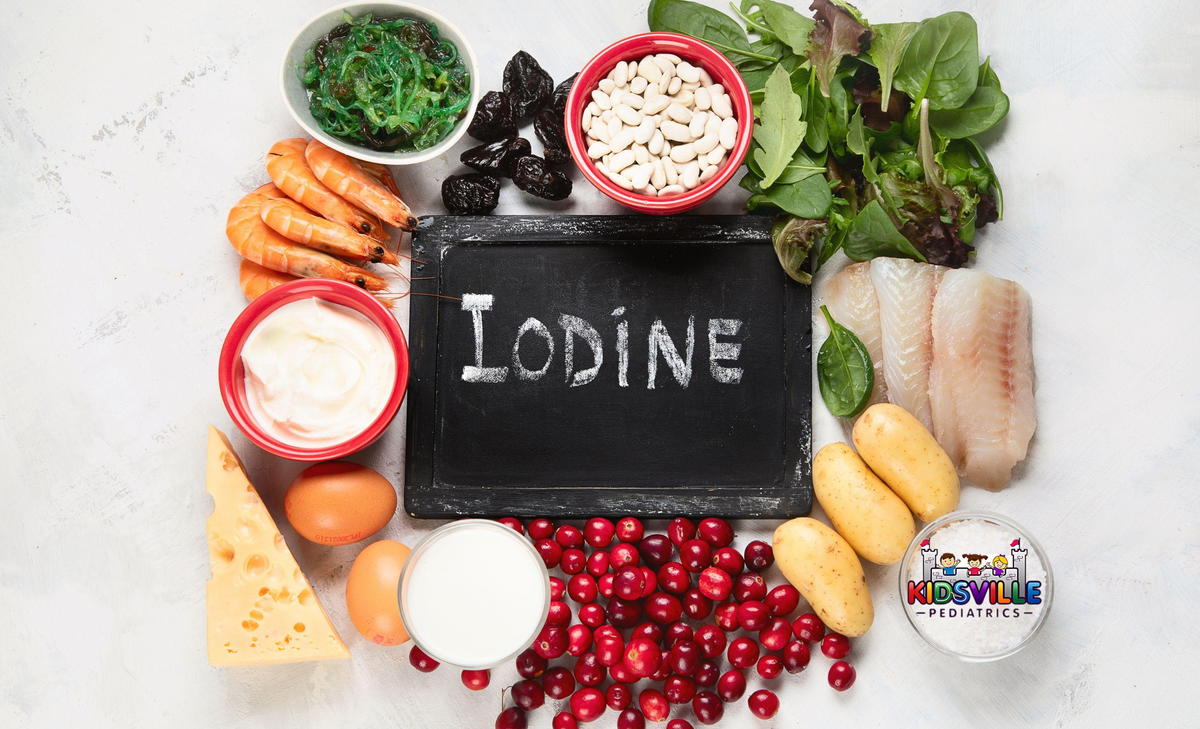
Iodine is necessary for proper thyroid function, which regulates metabolism and fetal brain development. Pregnant women should get at least 220 mcg of iodine daily.
7. Vitamin B12

Vitamin B12 works alongside folic acid to support brain development and prevent anemia. It is particularly important for vegetarian or vegan mothers who may not get enough B12 from their diet.
8. Vitamin C
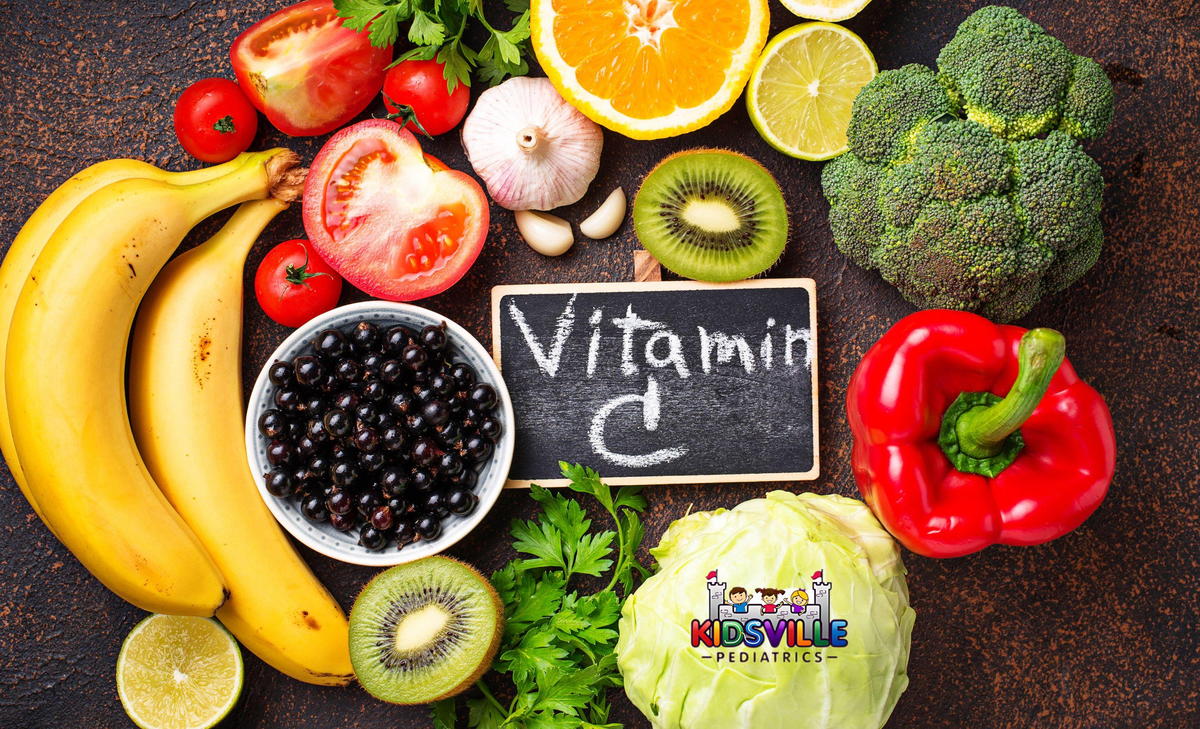
Vitamin C enhances iron absorption, supports the immune system, and promotes healthy skin. Pregnant women should aim for at least 85 mg per day.
9. Zinc
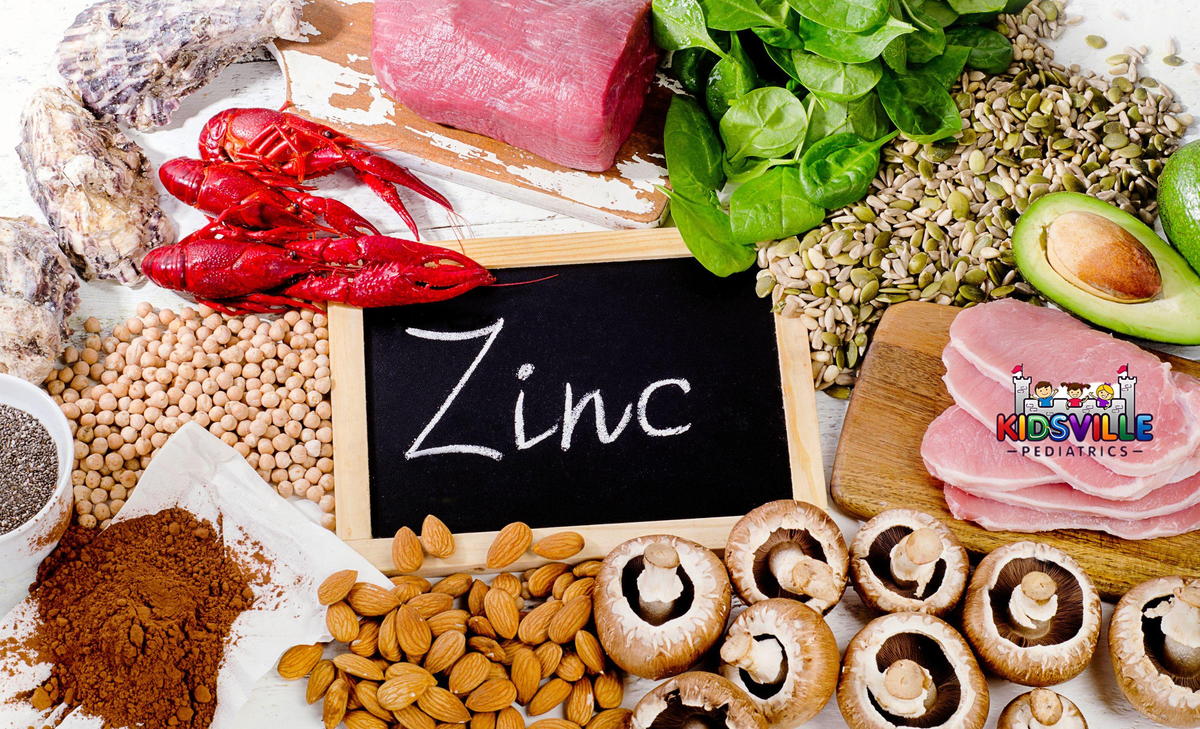
Zinc plays a role in cell division and immune function, which are crucial during pregnancy. The recommended daily intake is about 11 mg for pregnant women.
10. Choline
Choline supports brain development and helps prevent neural tube defects. The American College of Obstetricians and Gynecologists (ACOG) recommends at least 450 mg of choline per day during pregnancy.
Choosing the Right Prenatal Vitamins
When choosing a prenatal vitamin, keep these key factors in mind:
-
Doctor’s Recommendations: Always consult a healthcare provider before choosing a supplement, as individual needs vary.
-
Nutrient Composition: Look for a prenatal vitamin that contains at least the essential nutrients listed above.
-
Form and Dosage: Some women prefer chewable or liquid prenatal vitamins if they struggle with swallowing pills.
-
DHA Inclusion: Not all prenatal vitamins contain DHA, so consider a separate supplement if necessary.
-
Iron Sensitivity: If iron causes stomach discomfort, a lower-dose iron supplement or a slow-release formula may be more tolerable.
-
Allergen-Free Options: Some prenatal vitamins are free from allergens like gluten, dairy, or soy, which can be beneficial for those with dietary restrictions.
When to Start Taking Prenatal Vitamins
Ideally, women should start taking prenatal vitamins at least three months before conception. Since many pregnancies are unplanned, healthcare providers recommend that all women of childbearing age take folic acid regularly to prevent neural tube defects. If you find out you are pregnant and haven’t started prenatal vitamins, begin as soon as possible. Our doctors at Kidsville Pediatrics can provide expert guidance on prenatal nutrition to support a healthy pregnancy.
Common Side Effects and How to Manage Them
While prenatal vitamins are beneficial, they can cause mild side effects, including:
-
Nausea: Taking vitamins with food or switching to a different brand may help.
-
Constipation: Increasing fiber intake and staying hydrated can alleviate this issue. Some prenatal vitamins also contain stool softeners.
-
Upset Stomach: Trying a different formulation, such as a gummy or liquid vitamin, can reduce discomfort.
Can You Get Enough Nutrients from Food Alone?
A well-balanced diet should always be the primary source of nutrients, but even the healthiest diets may fall short during pregnancy. Factors like morning sickness, food aversions, and increased nutrient needs make it difficult to obtain all essential vitamins and minerals from food alone. Therefore, prenatal vitamins act as a safety net to ensure both mother and baby get the necessary nutrients. If you have concerns about your prenatal nutrition, you can schedule a same day doctor appointment to get personalized guidance and support.
Postpartum Use of Prenatal Vitamins
Prenatal vitamins are not just beneficial during pregnancy but also postpartum, especially for breastfeeding mothers. They help replenish depleted nutrients, support lactation, and promote overall recovery after childbirth. Many healthcare providers recommend continuing prenatal vitamins for at least six months postpartum or as long as breastfeeding continues.
Pedia Near Me: Kidsville Pediatrics
Prenatal vitamins play a vital role in ensuring a healthy pregnancy by providing essential nutrients for fetal development and maternal well-being. While a nutritious diet is key, prenatal vitamins serve as a crucial supplement to bridge any nutritional gaps. Choosing the right prenatal vitamin, taking it consistently, and managing any side effects can contribute to a smoother pregnancy and a healthier baby.
If you are considering pregnancy or are already expecting, consult your healthcare provider to determine the best prenatal vitamins for your needs. By prioritizing proper nutrition and supplementation, you can give your baby the best start in life while maintaining your own health throughout the journey of motherhood.


