
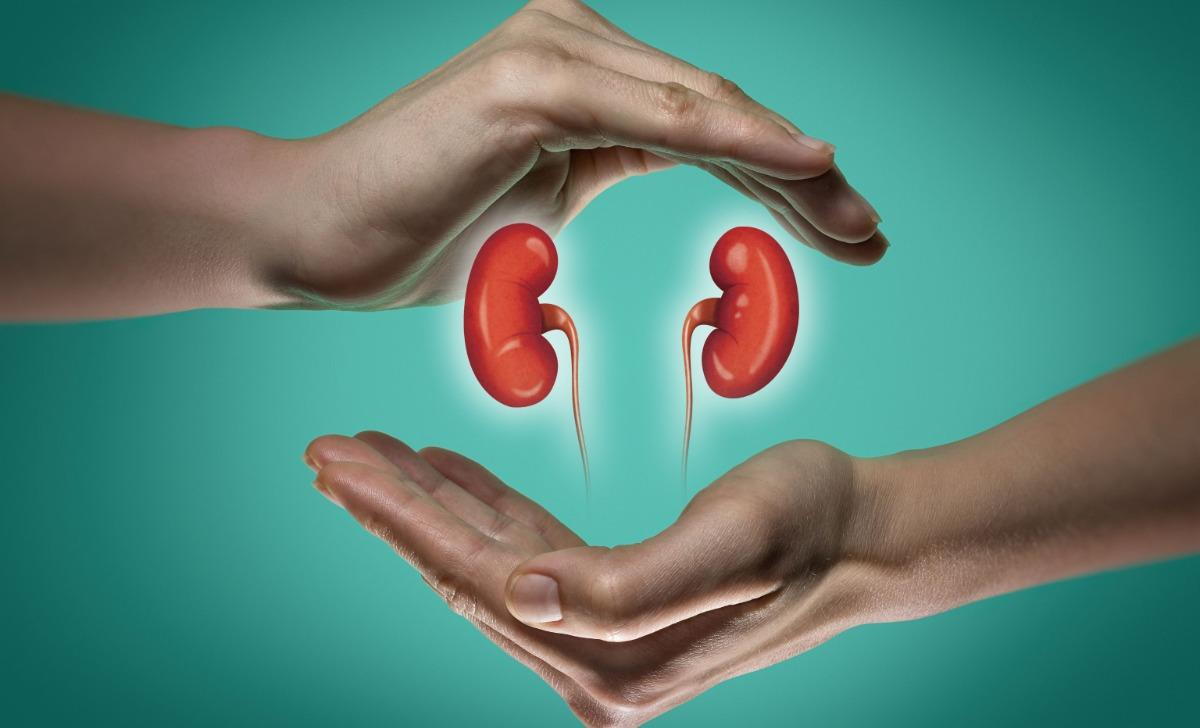
Hydration plays a crucial role in maintaining overall health, especially in children, whose bodies are still developing. Among the many organs that depend on adequate water intake, the kidneys are particularly vital. These bean-shaped organs help filter waste, balance electrolytes, and regulate blood pressure. Proper hydration is essential for healthy kidneys, as it allows them to function efficiently. Without enough water, kidney function can be compromised, increasing the risk of issues such as kidney stones, urinary tract infections (UTIs), and even long-term kidney disease.
For parents, ensuring that children drink enough water might seem like a simple task, but with the growing preference for sugary drinks, busy school schedules, and the natural tendency of kids to forget about hydration, it becomes a challenge.
In this article, we’ll explore the importance of hydration for kidney health, how dehydration affects the kidneys, signs that a child may not be drinking enough water, and practical ways to encourage proper hydration.
The Importance of Hydration for Healthy Kidneys

The kidneys are responsible for filtering about 50 gallons of blood every single day, removing toxins and excess waste through urine. This process relies on a consistent supply of water. Any Southlake clinic, will emphasize the importance of proper hydration to support kidney function. When children are adequately hydrated, their kidneys can efficiently flush out harmful substances, maintain the right balance of minerals and electrolytes, and regulate blood pressure.
Water also plays a crucial role in preventing kidney-related conditions, including:
-
Kidney stones: When there isn’t enough water to dilute minerals in the urine, small stones can form, causing pain and potential blockages.
-
Urinary tract infections (UTIs): Insufficient water intake can lead to concentrated urine, which provides an ideal environment for bacteria to grow. UTIs can, in turn, lead to kidney infections if left untreated.
-
Chronic kidney disease (CKD): While less common in children, persistent dehydration can contribute to kidney damage over time, especially in those with underlying health conditions.
How Dehydration Leads to (un)Healthy Kidneys
Dehydration occurs when the body loses more fluids than it takes in, leading to an imbalance that affects normal physiological functions. In children, dehydration can happen more quickly than in adults because of their higher metabolic rates and greater surface area relative to body weight.
When a child is dehydrated, the kidneys try to conserve water by producing less urine, making it more concentrated. This concentrated urine contains higher levels of waste products, which can lead to irritation, discomfort, and a higher risk of developing kidney stones or infections.
Long-term or repeated dehydration episodes may put excessive strain on the kidneys, potentially leading to kidney damage over time. If you’re concerned about your child’s hydration and kidney health, a pediatrician in Southlake can provide guidance on proper hydration habits and preventive care.
Causes of Dehydration in Kids
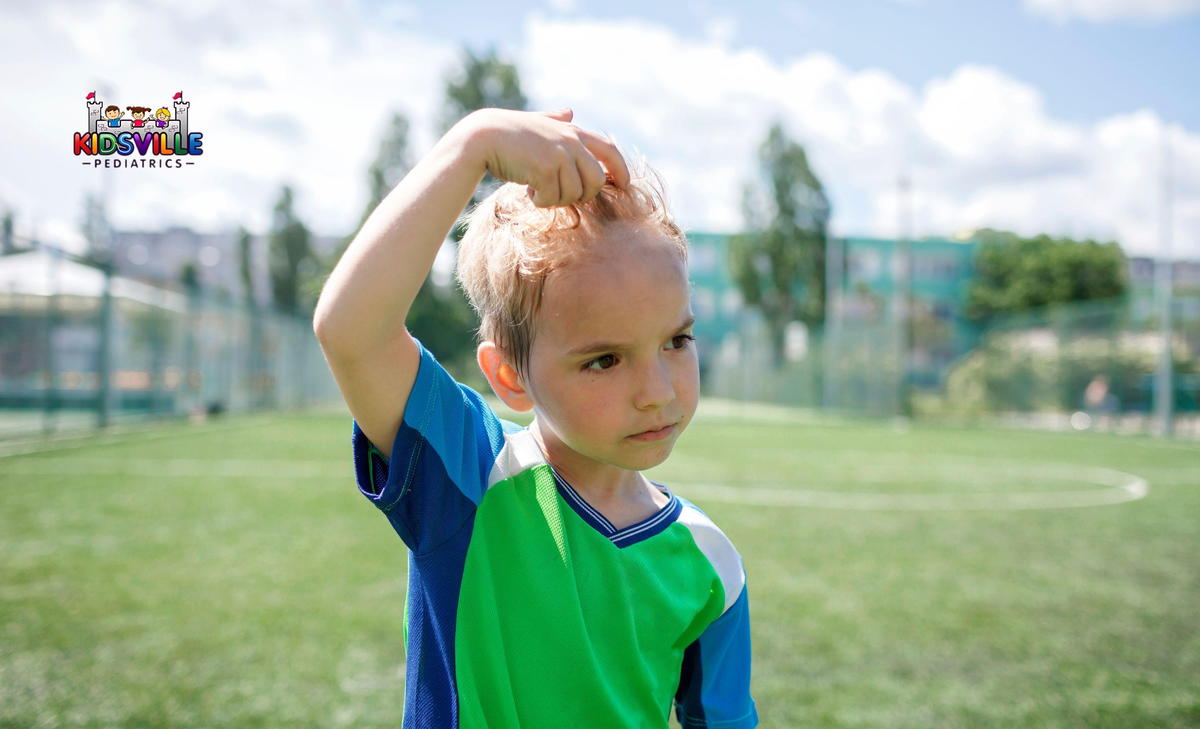
Children can become dehydrated due to various reasons, including:
-
Insufficient water intake: Some kids simply don’t drink enough water, whether due to forgetfulness, lack of access, or preference for flavored drinks.
-
Excessive sweating: Active children, especially those involved in sports, lose fluids through sweat, making it crucial to replenish lost water.
-
Illness: Vomiting, diarrhea, and fever can cause significant fluid loss, making dehydration a risk during illnesses.
-
Hot weather: Warmer temperatures increase water loss through perspiration and can lead to dehydration if fluids aren’t replaced.
Signs of Dehydration in Children

It’s not always easy to tell when a child is dehydrated, as they may not express thirst as clearly as adults do. However, there are several signs parents can look out for, including:
-
Dark yellow urine: Healthy urine should be light in color. Dark urine indicates dehydration.
-
Decreased urination: Fewer than six wet diapers a day in infants or going more than eight hours without urinating in older children is a red flag.
-
Fatigue or irritability: Dehydration can make children feel tired, cranky, or dizzy.
-
Dry mouth and lips: A lack of saliva and chapped lips may indicate low hydration levels.
-
Headaches or stomach aches: Dehydration can cause headaches and stomach discomfort.
-
Sunken eyes or cheeks: This is a more serious sign of dehydration and should be addressed immediately.
How Much Water Should Children Drink?

The recommended daily water intake varies by age, activity level, and climate, but general guidelines include recommendations from Southlake doctors, who emphasize the importance of proper hydration for maintaining kidney health and overall well-being in children:
-
Toddlers (1-3 years): Approx. 4 cups (32 oz.) each day
-
Preschoolers (4-5 years): About 5 cups (40 ounces) per day
-
School-age children (6-12 years): About 6-8 cups (48-64 ounces) per day
-
Teens (13+ years): About 8-11 cups (64-88 ounces) per day
These amounts should increase if a child is active, playing sports, or spending time in hot weather.
Tips to Encourage Kids to Drink More Water

Many kids prefer sugary drinks over water, making it a challenge to ensure they stay hydrated. Here are some effective ways to encourage better hydration habits:
1. Make Water Easily Accessible
Provide a fun, kid-friendly water bottle and keep it within reach. Let children pick their own reusable bottle with a design they like to encourage frequent sips.
2. Flavor It Naturally
If plain water isn’t appealing, try adding fresh fruits like lemon, orange slices, or berries to enhance the taste without added sugar.
3. Set Hydration Reminders
Use apps or set reminders on a watch or phone to encourage regular sips throughout the day, especially during school or playtime.
4. Offer Water-Rich Foods
Many fruits and vegetables are naturally rich in water content. Encourage kids to eat foods like watermelon, cucumbers, oranges, and strawberries to boost hydration.
5. Lead by Example
Children are more likely to drink water if they see their parents and caregivers doing the same. Make hydration a family habit.
6. Establish a Routine
Encourage drinking water first thing in the morning, before meals, and after physical activities to build a habit of hydration.
7. Use Fun Straws or Ice Cubes
Adding colorful ice cubes, silly straws, or fun-shaped cups can make drinking water more exciting for young children.
Hydration and Healthy Kidneys in Special Cases
Some children have medical conditions that require special attention to hydration. Kids with diabetes, kidney disease, or bladder disorders may need to follow specific hydration plans set by their doctor. In these cases, fluid intake might need to be monitored more closely to prevent complications.
Additionally, children who take medications that affect kidney function should drink enough water to help their bodies process and eliminate waste effectively.
Pediatric Clinic Near Me: Kidsville Pediatrics Southlake
Proper hydration is one of the most important factors in maintaining healthy kidneys in children. Water helps flush out toxins, prevents kidney-related issues like stones and infections, and ensures that the kidneys function optimally. However, many kids do not drink enough water, increasing their risk for dehydration and kidney problems. At Kidsville Pediatrics Southlake, we emphasize the importance of proper hydration to support kidney health and overall well-being in children.
By recognizing the signs of dehydration, understanding how much water children need, and implementing practical strategies to encourage hydration, parents can take proactive steps to support healthy kidneys in their little ones. With consistent efforts, drinking water can become a natural and enjoyable part of a child’s daily routine, setting the foundation for lifelong kidney health.


