

Pneumonia is one of the most serious respiratory infections affecting children worldwide. It is a leading cause of morbidity and mortality in young children, particularly in those under the age of five. Despite medical advancements, pneumonia continues to pose a significant threat, especially in low-resource settings. Understanding the dangers of pneumonia in children, its symptoms, risk factors, and prevention strategies can help parents and caregivers take the necessary steps to protect their little ones.
History of Pneumonia

Pneumonia has been recognized as a disease for centuries. The ancient Greek physician Hippocrates (460–370 BC) described symptoms of pneumonia and noted its severe impact on the lungs. In the 19th century, advancements in medical science allowed for better understanding and classification of pneumonia. Edwin Klebs, a German pathologist, identified bacteria in the lungs of pneumonia patients in 1875. Later, in 1882, Carl Friedländer discovered Streptococcus pneumoniae, a major bacterial cause of pneumonia, and in 1884, Albert Fraenkel further studied this pathogen.
During the 20th century, the development of antibiotics, such as penicillin, drastically improved pneumonia treatment outcomes. Oswald Avery, a key scientist in pneumococcal research, made groundbreaking discoveries about the pneumococcus bacterium in the 1940s, influencing both treatment strategies and genetic research. Sir William Osler, known as the “father of modern medicine,” also contributed significantly to the understanding of pneumonia, referring to it as the “captain of the men of death” due to its high mortality rate before antibiotics were discovered. Modern vaccines, such as the pneumococcal conjugate vaccine (PCV), have significantly reduced pneumonia cases worldwide.
What is Pneumonia?

Pneumonia is a lung infection that causes inflammation in the air sacs, leading them to fill with fluid or pus. This can lead to symptoms such as cough, fever, chills, and difficulty breathing. Southlake doctors emphasize the importance of early detection and treatment to prevent complications. It can be caused by a variety of pathogens, including bacteria, viruses, and fungi. In children, the most common causes of pneumonia include:
-
Bacterial pneumonia: Often caused by Streptococcus pneumoniae or Haemophilus influenzae type B (Hib).
-
Viral pneumonia: Typically results from respiratory syncytial virus (RSV), influenza, or adenoviruses.
-
Fungal pneumonia: Less common but may occur in children with weakened immune systems.
Why is Pneumonia Dangerous for Children?

Children, particularly infants and toddlers, are highly vulnerable to pneumonia due to their developing immune systems and smaller airways. A pediatrician in Southlake can provide early diagnosis and treatment to help manage the condition effectively. Several factors contribute to the dangers of pneumonia in children:
-
Rapid Disease Progression: Pneumonia can escalate quickly in children, leading to severe respiratory distress and complications if not treated promptly.
-
Breathing Difficulties: Inflamed lungs make it difficult for children to breathe, reducing oxygen levels and potentially leading to respiratory failure.
-
High Mortality Rates: Pneumonia remains a leading cause of childhood death, especially in developing countries where access to healthcare is limited.
-
Complications: Untreated or severe pneumonia can lead to complications such as sepsis, pleural effusion (fluid around the lungs), lung abscesses, and respiratory failure.
-
Increased Hospitalization Rates: Many children with pneumonia require hospitalization for oxygen therapy, intravenous (IV) fluids, and antibiotics.
-
Long-Term Effects: Severe pneumonia can cause lung damage and increase the risk of chronic respiratory conditions later in life.
Symptoms of Pneumonia in Children
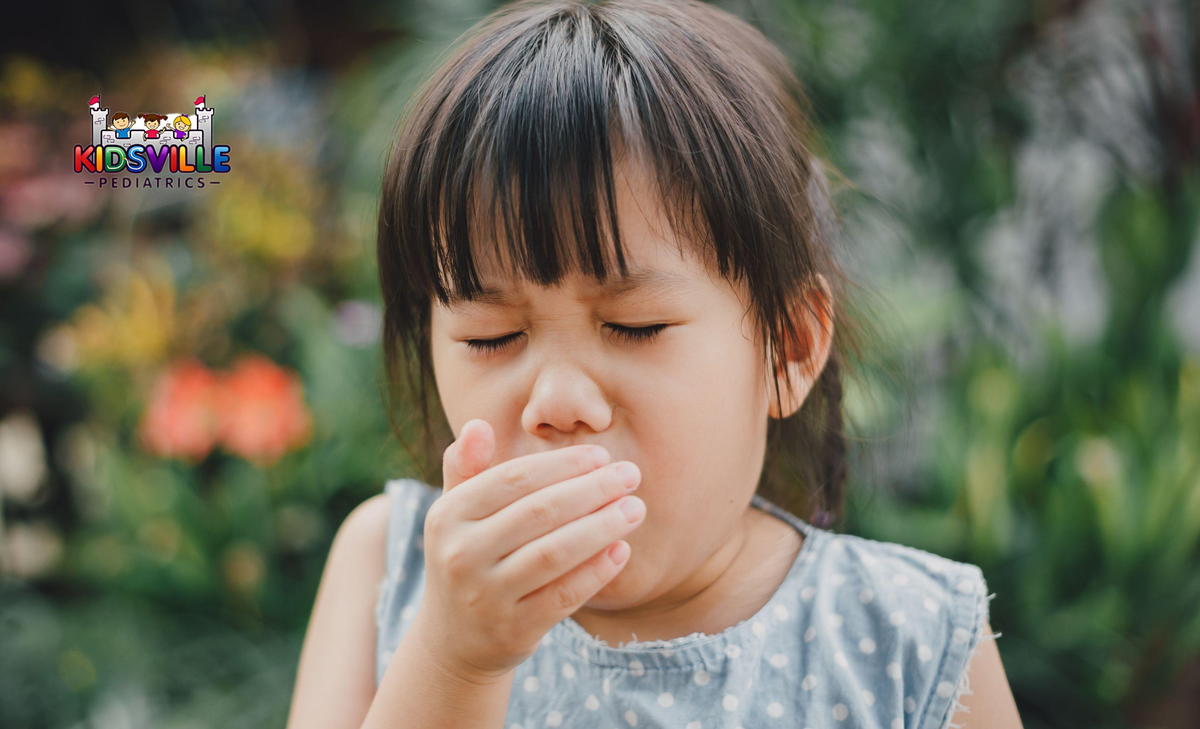
Recognizing the symptoms of pneumonia early is crucial for timely treatment. Common symptoms in children include:
-
Persistent cough (dry or with mucus)
-
Fever and chills
-
Rapid or labored breathing
-
Wheezing or grunting sounds
-
Bluish tint around lips or fingernails (a sign of low oxygen levels)
-
Fatigue or lethargy
-
Decreased appetite
-
Vomiting or diarrhea (especially in younger children)
If a child exhibits these symptoms, especially breathing difficulties or bluish discoloration, medical attention should be sought immediately.
Risk Factors for Pneumonia in Children

Certain factors increase the likelihood of a child developing pneumonia, including:
-
Premature birth and low birth weight: Weaker immune systems make infants more susceptible.
-
Malnutrition: A lack of essential nutrients weakens the immune response.
-
Lack of Vaccination: Vaccines such as the pneumococcal and Hib vaccines help prevent bacterial pneumonia.
-
Exposure to Tobacco Smoke: Secondhand smoke damages the lungs and makes infections more severe.
-
Crowded Living Conditions: Increases the spread of respiratory infections.
-
Pre-existing Conditions: Chronic illnesses like asthma, congenital heart disease, or cystic fibrosis can increase the risk.
-
Weakened Immune System: Children with conditions like HIV or those undergoing chemotherapy are at higher risk.
How is Pneumonia Diagnosed and Treated?
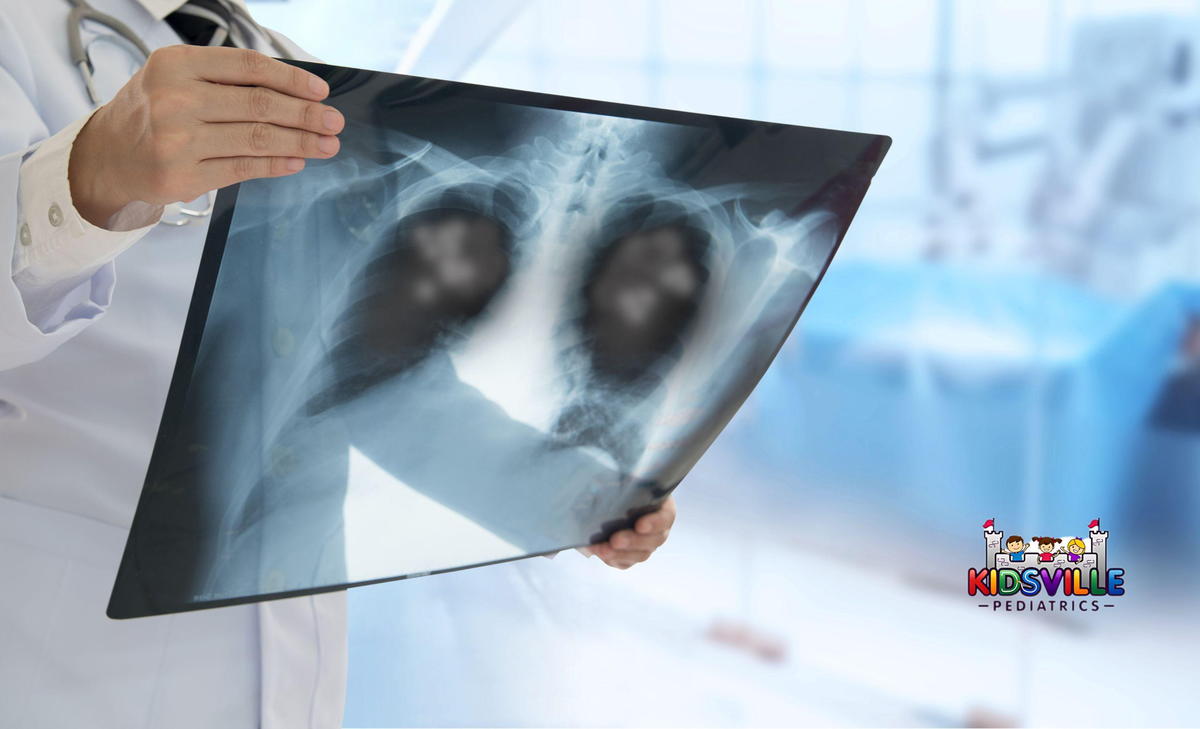
A Southlake pediatrician can diagnose pneumonia based on a child’s symptoms, physical examination, and diagnostic tests such as:
-
Chest X-rays to check for lung inflammation.
-
Blood tests to identify bacterial infections.
-
Pulse oximetry to measure oxygen levels.
-
Nasal swabs or sputum cultures to determine the causative pathogen.
Treatment depends on the cause:
-
Bacterial pneumonia: Treated with antibiotics like amoxicillin or azithromycin.
-
Viral pneumonia: Typically managed with supportive care, as antibiotics do not work against viruses.
-
Severe cases: May require hospitalization for oxygen therapy, IV fluids, and breathing support.
Preventing Pneumonia in Children

Preventive measures can significantly reduce the risk of pneumonia in children. These include:
-
Vaccination: The most effective way to prevent pneumonia. Key vaccines include:
-
Pneumococcal vaccine (PCV13)
-
Haemophilus influenzae type B (Hib) vaccine
-
Influenza vaccine
-
Measles vaccine (as measles can lead to pneumonia as a complication)
-
-
Good Hygiene Practices:
-
Frequent handwashing with soap and water
-
Covering mouth and nose when coughing or sneezing
-
Avoiding close contact with sick individuals
-
-
Breastfeeding: Provides essential antibodies that strengthen the immune system.
-
Proper Nutrition: A well-balanced diet rich in vitamins and minerals boosts immunity.
-
Avoiding Smoke Exposure: Keeping children away from cigarette smoke and air pollution.
-
Timely Treatment of Respiratory Infections: Seeking medical attention for colds, flu, and other respiratory infections to prevent them from worsening into pneumonia.
Pedia Near Me: Kidsville Pediatrics Southlake
Pneumonia is a serious threat to children’s health, but it is largely preventable and treatable with early intervention. Parents should be vigilant about symptoms, ensure their child receives recommended vaccinations, and promote a healthy lifestyle to strengthen immunity. Raising awareness about pneumonia’s dangers can help reduce childhood mortality and ensure children have the opportunity to grow up healthy and strong. By taking proactive steps, we can protect children from this potentially life-threatening illness and give them the best start in life.
Through continued research, medical advancements, and public health initiatives, the global fight against childhood pneumonia remains strong. Southlake doctors, scientists, and caregivers all play a vital role in minimizing its impact, making a future with fewer pneumonia-related deaths a reality.


