
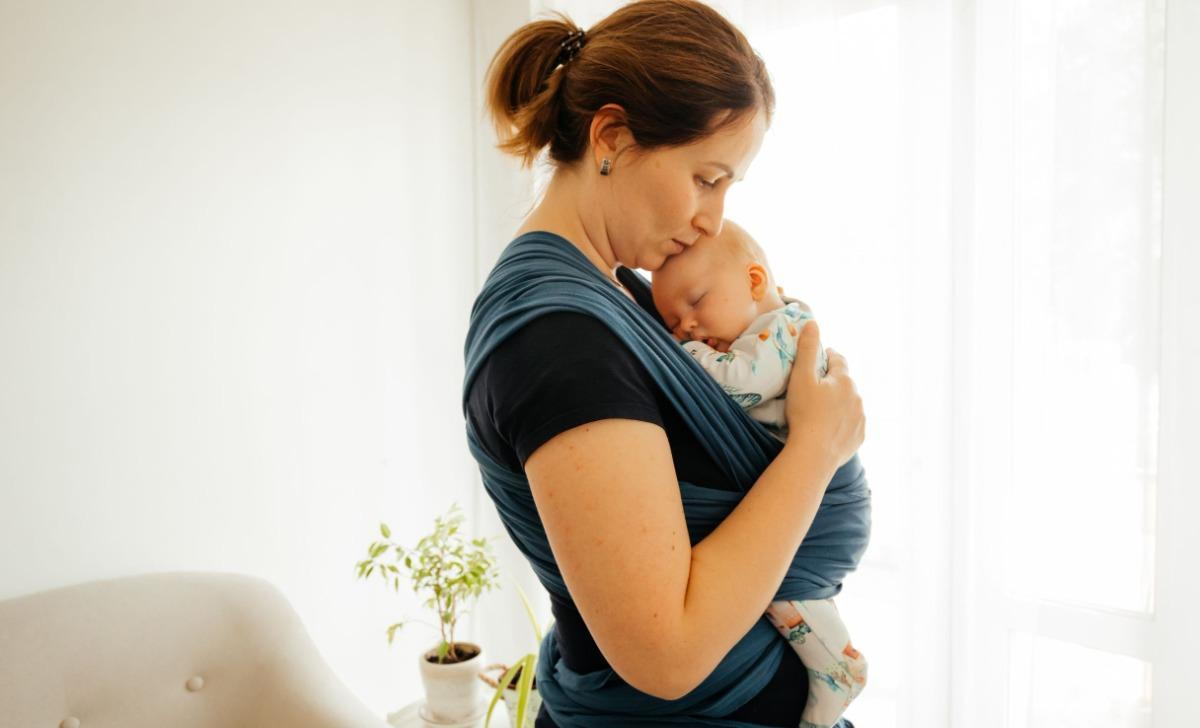
Infant attachment is one of the most crucial aspects of early childhood development. The bonds formed between a baby and their caregivers lay the foundation for the child’s emotional, social, and cognitive development. In this article, we’ll explore the significance of infant attachment, how it affects a child’s future relationships, and what parents and caregivers can do to foster healthy attachment in their infants.
What is Infant Attachment?

Infant attachment refers to the deep emotional bond that forms between a baby and their primary caregivers, often the mother or father. This bond is essential for the baby’s survival and emotional well-being. The attachment system, as theorized by psychologist John Bowlby, is biologically programmed to ensure that babies seek proximity to their caregivers for safety, comfort, and nourishment. As a result, these early relationships become the blueprint for how children will relate to others throughout their lives. For guidance and support on fostering healthy infant attachment, consulting a pediatrician Mansfield can be beneficial.
The Four Types of Infant Attachment

While all babies form attachments to their caregivers, not all attachments are created equal. Psychologist Mary Ainsworth, who worked alongside Bowlby, conducted research that identified four main types of infant attachment: secure, insecure-avoidant, insecure-ambivalent, and disorganized. Understanding these attachment styles can help caregivers better support a child’s emotional development.
-
Secure Attachment: In this type of attachment, babies feel safe and supported by their caregivers. They trust that their needs will be met, and they seek comfort from their caregivers when they are distressed. Securely attached infants are more likely to explore their surroundings and form positive relationships as they grow. This attachment style is associated with higher emotional regulation and better social outcomes in the child’s later years. If you’re seeking advice on fostering secure attachment, a Mansfield pediatrician can provide valuable insights tailored to your child’s development.
-
Insecure-Avoidant Attachment: Babies with this attachment style tend to avoid or ignore their caregivers. They may not seek comfort when upset, and they appear to be emotionally distant. This type of attachment can occur when a caregiver is emotionally unavailable or unresponsive to the child’s needs.
-
Insecure-Ambivalent Attachment: These babies often show anxiety and clinginess, even when their caregivers are present. They may have trouble calming down when upset and may appear uncertain about whether or not they can rely on their caregiver. This attachment style can develop when a caregiver is inconsistent in meeting the child’s emotional needs.
-
Disorganized Attachment: Disorganized attachment is characterized by confusion and fear. Babies may act unpredictably or seem disoriented when interacting with their caregivers. This attachment style often results from experiences of trauma, abuse, or neglect. Disorganized attachment is associated with emotional and behavioral challenges later in life.
Why is Infant Attachment So Important?

The importance of infant attachment cannot be overstated. Studies have shown that the bonds formed during infancy influence a wide range of developmental outcomes, including emotional regulation, social skills, and cognitive abilities. Secure attachment, in particular, is linked to a range of positive outcomes, both in childhood and later in life. For expert guidance on promoting healthy attachment, an expert pediatrician in Mansfield can offer personalized advice based on your child’s needs.
-
Emotional Regulation: Infants who form secure attachments are better able to manage their emotions. They learn to rely on their caregivers for comfort, which helps them cope with stress and anxiety. These children are also more likely to develop healthy coping strategies as they grow older.
-
Social Relationships: The early attachment bond serves as the foundation for future relationships. Children who experience secure attachment are more likely to form healthy, trusting relationships with peers, teachers, and romantic partners as they grow up. Conversely, those with insecure attachment may struggle with forming close, meaningful relationships.
-
Cognitive Development: Secure attachment has been shown to positively influence cognitive development. Infants with secure attachment are more likely to explore their environment, engage in play, and develop problem-solving skills. This exploratory behavior is critical for learning and cognitive growth.
-
Physical Health: Attachment can also affect a child’s physical health. Babies with secure attachment are less likely to develop chronic stress, which can negatively impact the immune system and overall well-being. Consistent caregiving, including feeding, comforting, and nurturing, supports physical health and development.
How Infant Attachment Affects Future Development

Infant attachment sets the stage for a child’s emotional and social development throughout their life. As children grow and enter different developmental stages, the bonds formed in infancy influence their ability to form and maintain relationships, manage stress, and regulate their emotions. For advice on nurturing these crucial early bonds, Mansfield pediatricians can offer expert insights tailored to your child’s unique needs.
-
Attachment in Early Childhood: In the early years, a child’s attachment to their caregiver influences their ability to navigate the world around them. Securely attached children are more likely to show confidence in exploring new environments, whether it’s a new daycare or a social setting. Their ability to form positive relationships with peers is also enhanced by their early attachment experiences.
-
Attachment in Adolescence: By the time children reach adolescence, their attachment style continues to impact their behavior and relationships. Teens with a history of secure attachment tend to have healthier relationships with their friends and family members. They are also more likely to engage in open communication and seek support when facing challenges.
-
Attachment and Mental Health: The early attachment bond is closely linked to mental health outcomes. Children with secure attachment are less likely to develop mental health issues such as anxiety, depression, or behavioral disorders. In contrast, children with insecure attachment may be at a higher risk for developing emotional or psychological difficulties later in life.
How to Foster Healthy Infant Attachment

While some aspects of infant attachment are instinctive and biologically driven, caregivers play a significant role in shaping the attachment bond. Here are some strategies to foster healthy attachment:
-
Responsive Parenting: One of the most important factors in forming secure attachment is responsive parenting. This means being attuned to your baby’s needs and responding consistently with comfort and care. Whether it’s feeding, comforting, or simply providing a soothing presence, being there for your baby when they need you helps build trust.
-
Physical Contact: Babies thrive on physical touch, and consistent cuddling, holding, and skin-to-skin contact are vital for forming strong attachments. Research shows that babies who experience regular physical contact are more likely to form secure attachments.
-
Eye Contact and Communication: Babies are naturally drawn to eye contact and human faces. Talking to your baby, making eye contact, and using soothing tones can help strengthen the attachment bond. Even if your baby can’t respond verbally yet, they are absorbing the emotional cues from your interactions.
-
Create a Safe and Nurturing Environment: Infants need a stable and nurturing environment to feel secure. This includes not only meeting their physical needs (like feeding and sleep) but also providing a safe and loving space where they can feel protected.
-
Be Consistent: Consistency in caregiving helps babies learn that they can rely on their caregivers. Predictable routines for feeding, sleeping, and playtime give infants a sense of security and stability.
The Role of Infant Attachment in Parenting

Parenting is an ongoing journey, and the early stages of life are crucial for setting the foundation for a child’s future. Infant attachment plays a key role in shaping a child’s emotional and social well-being, and the bond formed during infancy can have a lasting impact. By being attuned to their child’s needs, providing responsive care, and fostering a loving and stable environment, parents can help ensure that their child forms a secure attachment that will benefit them throughout their life.
Parents should also be aware that attachment is not a one-size-fits-all concept. Every child is different, and it’s important to be patient and understanding as you navigate the journey of attachment. Whether you’re fostering a bond with your newborn or looking for ways to strengthen your relationship with your child, the effort you put into forming a secure attachment will pay off in the long run. For additional support, a psychiatric mental health nurse practitioner, such as Alexander Ng, PMHNP-BC from our Mansfield clinic, can offer helpful strategies to navigate attachment challenges, especially when emotional or behavioral concerns arise.
Pedia Near Me
In conclusion, infant attachment is a foundational aspect of early childhood development that has profound implications for a child’s emotional, social, and cognitive growth. By fostering a secure attachment, caregivers lay the groundwork for a child’s future relationships and mental well-being. While every child’s attachment style may differ, understanding the importance of these early bonds helps parents and caregivers create a nurturing environment where children can thrive.
By focusing on responsive, consistent care and emotional attunement, parents can help their babies develop the secure attachment they need to navigate the world with confidence and emotional resilience. After all, these early attachments are not just about the present moment—they shape the future. Infant attachment matters, and it’s the key to raising happy, healthy children who feel loved and secure in a world that is often full of challenges.
|
Click to Schedule An Appointment. Or visit/call our clinics: Kidsville Pediatrics Mansfield TX: 682-341-3910; 1759 Broad Park Circle S, Suite 201 & 205, Mansfield, TX Kidsville Pediatrics Southlake: 682-345-8010; 2813 W. Southlake Blvd Suite 100 Southlake, TX Kidsville Pediatrics McKinney: 469-885-9400; 5881 Virginia Pkwy. Suite 300 Mckinney, TX |


