
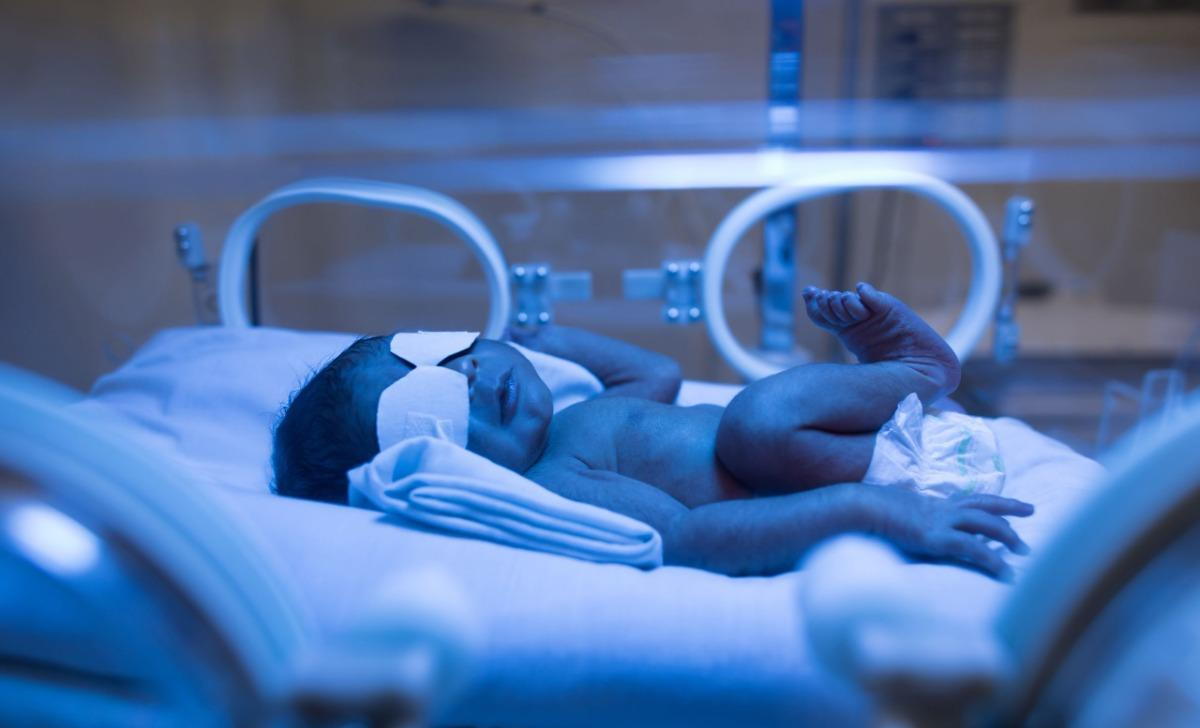
Jaundice in newborns is a common condition, typically caused by an excess of bilirubin, a yellow pigment produced during the breakdown of red blood cells. While it’s usually not serious and often resolves on its own, severe cases of jaundice can lead to complications. Understanding how to prevent jaundice in newborns is crucial for new parents and caregivers to ensure their baby’s health and well-being.
Understanding Newborn Jaundice
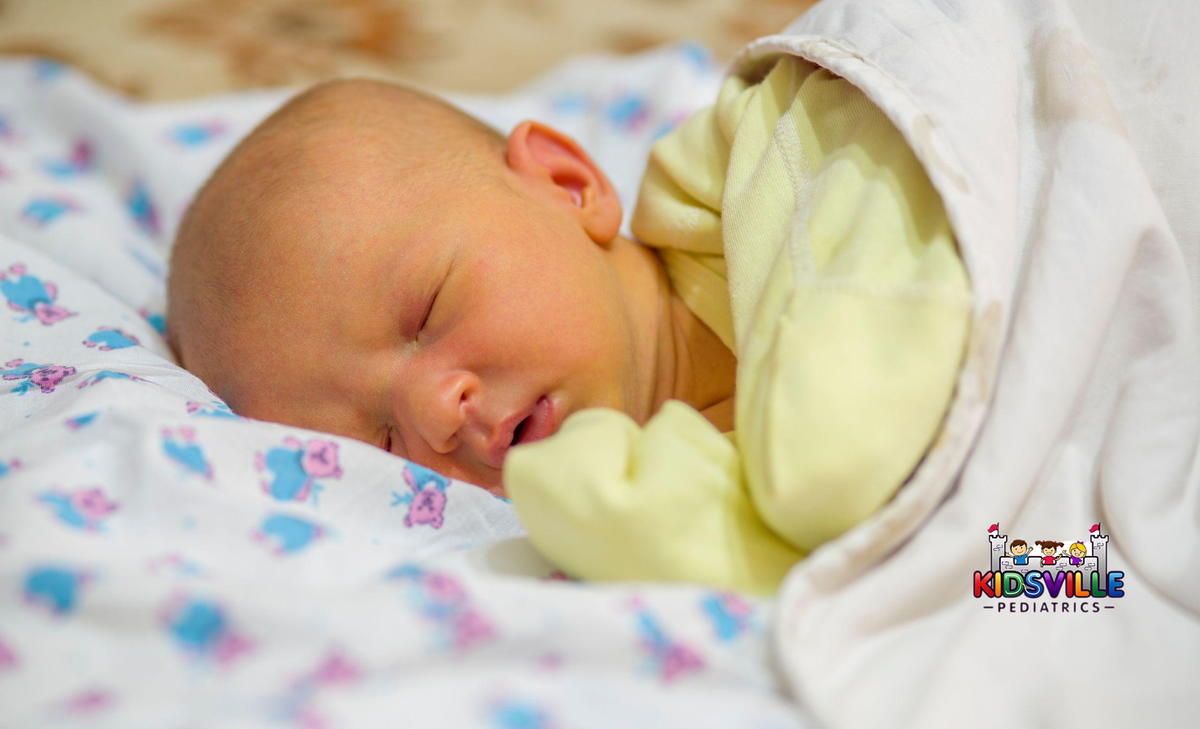
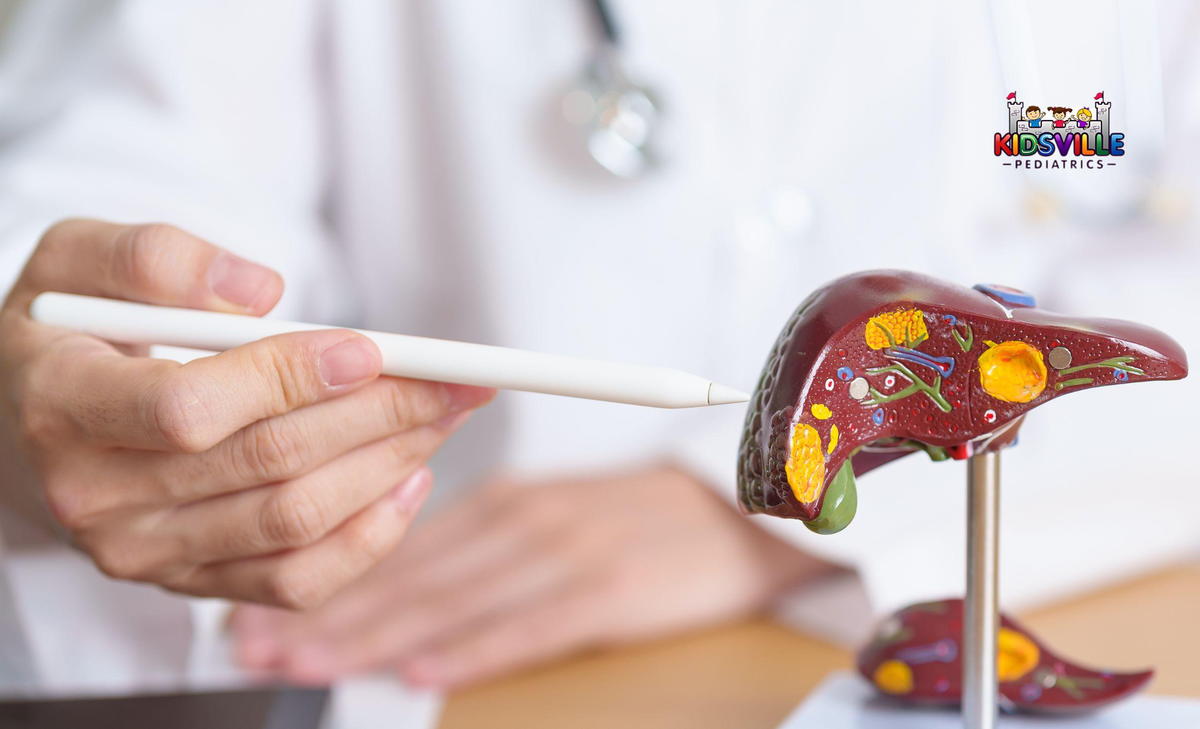
Newborn jaundice typically appears within the first few days after birth, manifesting as a yellowish tint to the skin and eyes. It occurs because a newborn’s liver is not fully developed and may struggle to efficiently process bilirubin. Other contributing factors include premature birth, breastfeeding challenges, and certain medical conditions.
Most cases of jaundice are mild (known as physiological jaundice), but some babies may develop more severe forms, such as pathological jaundice, which requires medical intervention from a McKinney pediatrician.
Tips on How to Prevent Jaundice in Newborns
-
Frequent Feeding
One of the simplest and most effective ways to prevent jaundice is to ensure your baby feeds frequently. Breastfeeding 8-12 times a day during the first week helps stimulate bowel movements, which assist in eliminating bilirubin from the body. Similarly, formula-fed babies should also be fed on a regular schedule to promote digestion and bilirubin excretion.
-
Monitor for Early Signs
Parents should stay vigilant for early signs of jaundice, such as yellowing of the skin and eyes, lethargy, or poor feeding. Identifying these symptoms early allows for timely consultation with a pediatrician, reducing the risk of severe jaundice.
-
Expose Baby to Natural Light
Light therapy (phototherapy) is a common treatment for jaundice, but you can take preventative measures by exposing your baby to indirect sunlight. A few minutes of sunlight daily can help break down bilirubin in the skin. Always avoid direct sunlight to protect your baby’s delicate skin. For professional guidance, visit our McKinney clinic.
-
Ensure Proper Latch During Breastfeeding
A good latch ensures your baby gets enough milk, which is vital for regular bowel movements. Seek assistance from a lactation consultant if breastfeeding challenges arise, as adequate milk intake is essential for preventing jaundice.
-
Regular Check-Ups
Regular pediatric visits during the first week of life are vital for monitoring bilirubin levels. Your baby’s doctor may perform a skin test or blood test to check bilirubin levels, especially if your newborn has risk factors such as premature birth or a family history of jaundice.
-
Encourage Colostrum Intake
Colostrum, the nutrient-rich first milk produced after delivery, acts as a natural laxative, helping newborns pass their first stools (meconium). This process aids in removing excess bilirubin from the body.
-
Avoid Dehydration
Dehydration can increase bilirubin levels, so it’s essential to ensure your baby stays hydrated. Look for signs of adequate hydration, such as frequent wet diapers (6-8 per day) and a satisfied demeanor after feeding. If you have concerns, consult a McKinney doctor.
Risk Factors for Newborn Jaundice

While understanding how to prevent jaundice in newborns is vital, recognizing the risk factors can help parents stay proactive. Babies with the following risk factors may require closer monitoring:
-
Premature Birth: Babies born before 37 weeks have underdeveloped livers, which may struggle to process bilirubin effectively.
-
Blood Type Incompatibility: If the mother and baby’s blood types are incompatible, it can cause rapid red blood cell breakdown, leading to jaundice.
-
Poor Feeding: Difficulties with breastfeeding or formula feeding can result in dehydration and reduced bilirubin elimination.
-
Family History: A family history of severe jaundice increases the likelihood of the condition.
-
Bruising During Delivery: Significant bruising or cephalohematoma during birth can lead to an increase in bilirubin production.
When to Seek Medical Attention
In most cases, jaundice resolves on its own within a few weeks. However, parents should consult a pediatrician McKinney expert if:
-
The yellowing spreads to the baby’s arms, legs, or abdomen.
-
The baby is very sleepy, irritable, or difficult to wake for feedings.
-
There are signs of poor feeding or dehydration, such as fewer wet diapers or dark-colored urine.
-
The baby’s stool is pale or chalky in color.
Early medical intervention can prevent complications like kernicterus, a rare but severe condition caused by very high bilirubin levels. For expert care, explore pediatric healthcare McKinney guidance from our pediatricians.
Treatment Options for Newborn Jaundice
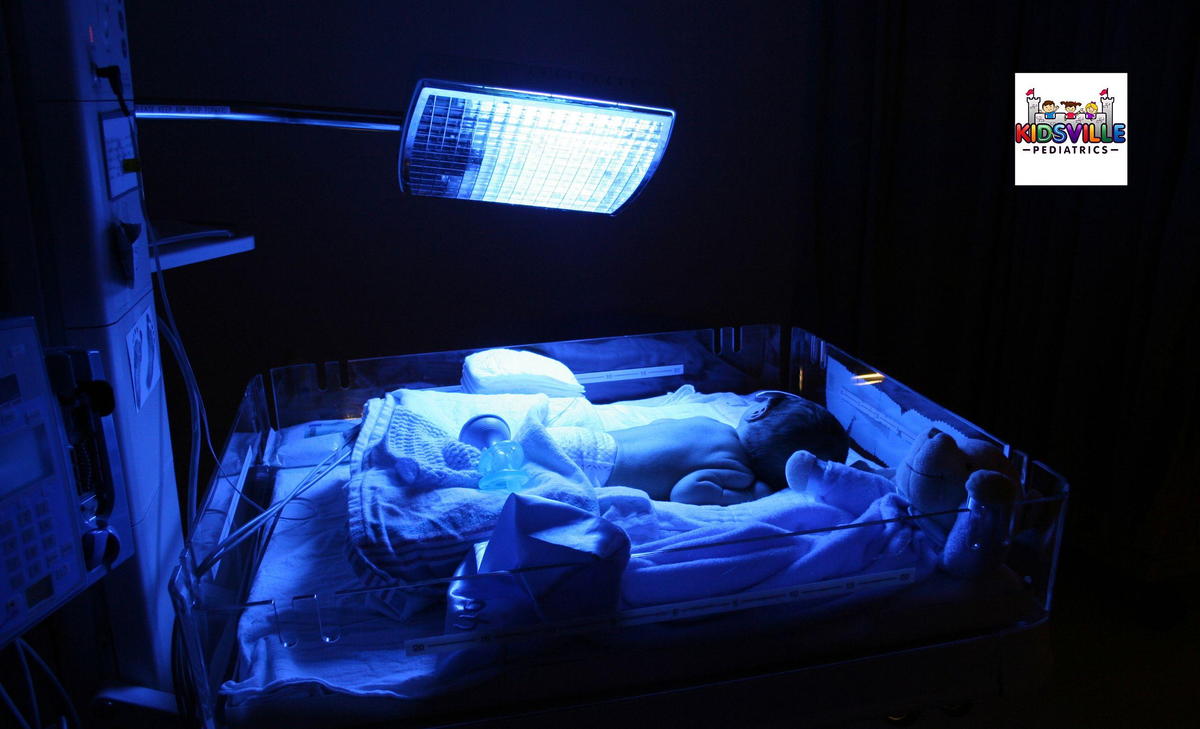
If preventive measures are insufficient, treatment options for jaundice include:
-
Phototherapy: A common treatment where the baby is placed under special blue lights that help break down bilirubin in the skin.
-
Exchange Transfusion: In severe cases, a portion of the baby’s blood may be replaced with donor blood to rapidly reduce bilirubin levels.
-
IV Fluids: If dehydration contributes to jaundice, intravenous fluids may be administered.
-
Supplemental Feedings: In cases where breastfeeding challenges contribute to jaundice, formula supplementation may be recommended to ensure adequate nutrition and hydration.
The Importance of Education and Support
Understanding how to prevent jaundice in newborns can significantly reduce anxiety for new parents. Healthcare providers should educate families about risk factors, early signs, and preventive strategies. Support from lactation consultants, pediatricians, and family members can also ensure a smoother experience for both parents and babies.
Pedia Near Me: Kidsville Pediatrics McKinney
Newborn jaundice is a common condition, but with the right knowledge and proactive measures, it can often be prevented or managed effectively. Frequent feeding, monitoring for early signs, and maintaining regular pediatric check-ups are critical steps in keeping your baby healthy. By understanding how to prevent jaundice in newborns, parents can feel confident in providing the best care for their little ones, ensuring a bright and healthy start to life.
|
Click to Schedule An Appointment. Or visit/call our clinics: Kidsville Pediatrics Mansfield TX: 682-341-3910; 1759 Broad Park Circle S, Suite 201 & 205, Mansfield, TX Kidsville Pediatrics Southlake: 682-345-8010; 2813 W. Southlake Blvd Suite 100 Southlake, TX Kidsville Pediatrics McKinney: 469-885-9400; 5881 Virginia Pkwy. Suite 300 Mckinney, TX |


