

Journaling, often seen as a helpful tool for adults, is proving to be just as valuable for children. As kids go through the complexities of growing up—school pressures, social dynamics, and emotional development—they can greatly benefit from having a space to express themselves. Journaling offers a creative and safe outlet for emotional and mental exploration. When utilized regularly, journaling has been shown to improve behavioral health, support mental well-being, and help children manage stress, anxiety, and other emotions. In this article, we’ll explore 10 benefits of journaling for kids, connecting each one to pediatric behavioral health and mental health.
1. Encourages Emotional Expression

One of the most fundamental benefits of journaling is that it encourages children to express their emotions. For many kids, verbalizing their feelings can be difficult, especially if they lack the vocabulary or confidence to do so. Journaling provides a non-threatening and private space for children to articulate their emotions, whether they are experiencing happiness, sadness, frustration, or confusion.
Writing helps kids organize and understand their emotions, which can reduce emotional confusion and lead to better mental clarity. This emotional expression can be especially important for children with behavioral challenges, as it reduces the likelihood of outbursts or aggression resulting from bottled-up feelings. For parents seeking guidance on supporting their child’s emotional health, consulting with a pediatrician Mansfield expert can provide valuable insights into how journaling and other therapeutic practices can benefit their child’s mental well-being.
2. Reduces Stress and Anxiety

Journaling is an effective strategy for managing stress and anxiety in children. Kids often face pressures in school, relationships, and family dynamics, and these pressures can manifest as anxiety or stress. Writing allows children to “offload” their concerns in a way that externalizes their worries, helping them feel more in control. The act of writing about their anxieties can give children the space to reflect and reframe negative thoughts, easing feelings of tension. Regular journaling helps kids process difficult situations in a more constructive manner, promoting emotional well-being and mental health.
3. Improves Self-Regulation and Behavioral Health

Self-regulation is critical to behavioral health, and journaling plays a pivotal role in its development. Children often struggle with impulse control and emotional outbursts, especially during challenging situations. Journaling gives them the opportunity to pause and reflect on their emotions before reacting impulsively.
By documenting feelings, children can better understand what triggers negative emotions like anger, frustration, or jealousy. This heightened awareness helps kids regulate their emotions more effectively, leading to healthier behavioral responses and improved emotional control. For families in need of support, pediatrics in Mansfield, TX can offer additional strategies and resources to foster self-regulation and emotional well-being in children.
4. Builds Emotional Resilience
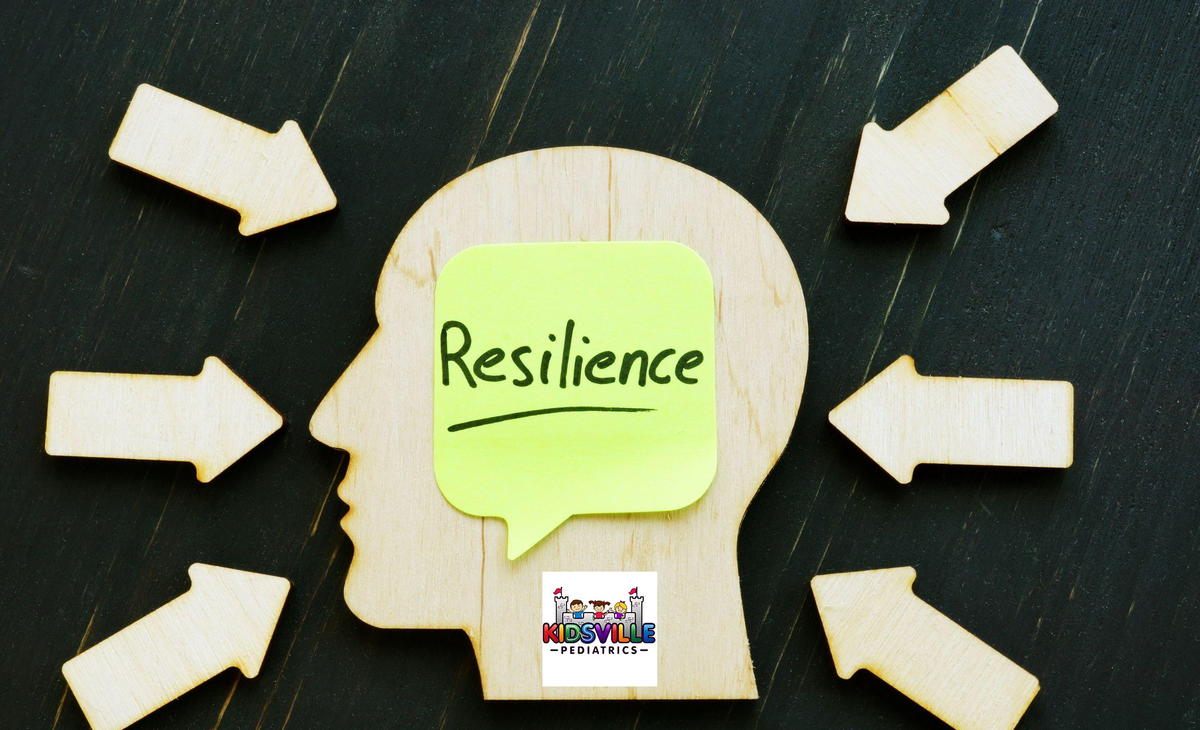
Emotional resilience is the ability to cope with setbacks and bounce back from difficult situations. Journaling supports emotional resilience by helping kids reflect on adversity and build coping strategies. When children encounter challenges—whether in school, friendships, or family matters—journaling allows them to process these experiences and gain a sense of mastery over their emotions. By reflecting on past difficulties in their journals, kids can recognize their strengths, feel empowered, and develop the ability to face future obstacles with greater confidence.
5. Fosters Self-Awareness

Journaling helps children develop self-awareness by encouraging them to reflect on their thoughts, actions, and emotions. As kids write about their experiences, they gain insights into their personal growth and how their emotions and behaviors impact themselves and others. This self-awareness is especially valuable in pediatric mental health, as it helps kids identify patterns in their thoughts and behaviors that may contribute to emotional challenges.
Understanding their emotional landscape enables children to take proactive steps toward emotional growth and mental well-being. A pediatrician in Mansfield can provide further guidance on how journaling and other strategies can support a child’s self-awareness and mental health.
6. Boosts Self-Esteem and Confidence

As children journal, they can celebrate their successes and acknowledge their progress. Reflecting on accomplishments, whether big or small, fosters a positive self-image and boosts self-esteem. Journaling gives kids an opportunity to record positive experiences, affirm their strengths, and recognize their achievements, which in turn builds confidence. This increased self-esteem is particularly important for children who may struggle with mental health concerns such as depression or low self-worth. Regular journaling helps kids stay connected to their positive qualities and reminds them of their ability to overcome challenges.
7. Improves Communication Skills

Journaling can significantly enhance a child’s communication skills. By writing down their thoughts and feelings, children practice organizing their ideas and expressing themselves more clearly. This skill carries over into verbal communication, as kids who journal are often better able to articulate their emotions and needs.
For children who may find it challenging to open up about their feelings, journaling serves as an initial step to organize their thoughts before sharing them with parents, teachers, or therapists. Improved communication helps children express their emotions in healthier ways, which is critical for their overall mental health and well-being. In cases where additional support is needed, pediatric behavioral therapy can further enhance communication skills and emotional expression in children.
8. Encourages Creative Thinking and Problem-Solving
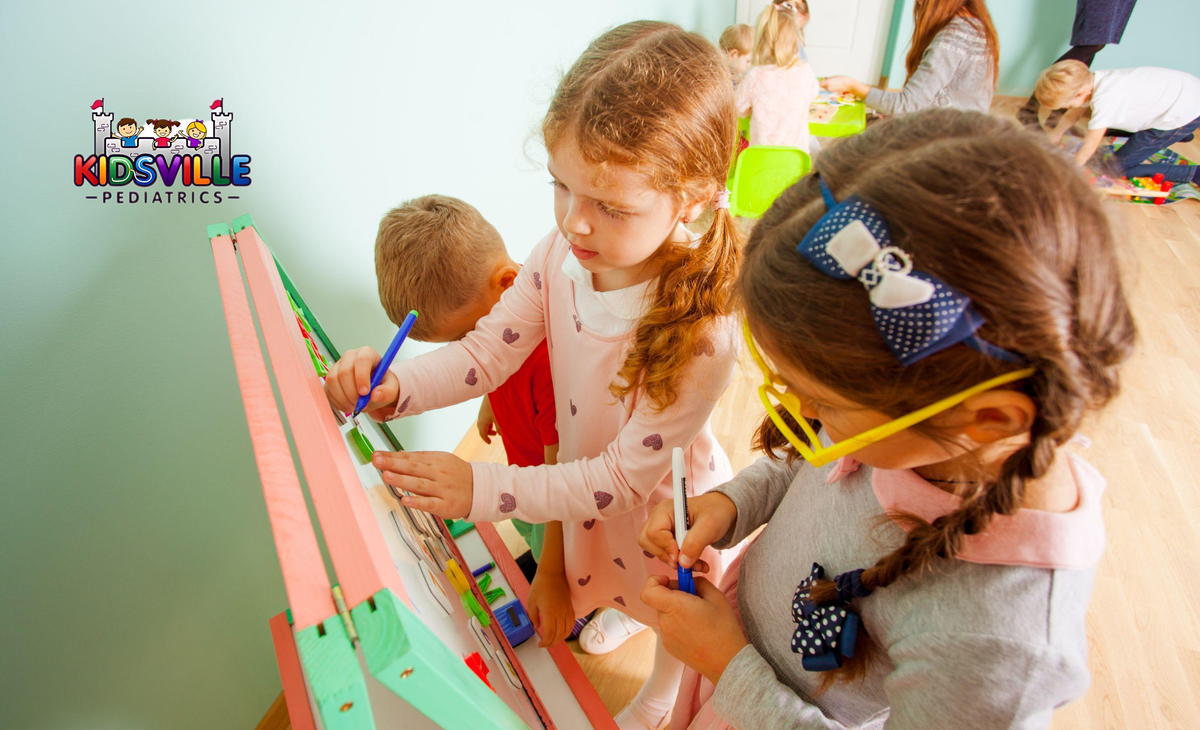
Journaling provides children with the opportunity to explore their creative potential. Creativity in journaling can take many forms—writing stories, drawing pictures, or brainstorming solutions to problems. This creative exploration fosters imaginative thinking, which can help children develop innovative problem-solving skills.
By thinking creatively about challenges and writing down potential solutions, children build the resilience needed to address difficulties in real life. This ability to solve problems creatively is especially important in pediatric behavioral health, as it encourages adaptive coping strategies and a proactive approach to difficult emotions or situations.
9. Supports Mental Health Recovery

Journaling is a valuable tool for children recovering from mental health issues such as depression, anxiety, or trauma. Writing allows children to process their emotions and reflect on their experiences, which is critical in understanding and managing their mental health. For children who have experienced trauma, journaling provides a safe way to express difficult memories and emotions at their own pace. By revisiting their experiences in their journals, children can gain clarity, reduce emotional distress, and gradually heal from painful experiences. Pediatric mental health professionals often encourage journaling as part of a therapeutic approach to support mental health recovery.
10. Improves Focus and Academic Performance

Journaling can help improve focus and academic performance by encouraging mindfulness and concentration. Writing regularly encourages children to organize their thoughts and become more mindful of their daily activities. This practice can translate into better focus in school, as children develop improved attention to detail and the ability to prioritize tasks. Journaling also supports academic performance by promoting reflection and goal-setting, helping children track progress and stay motivated.
For children who struggle with ADHD or other attention-related issues, journaling can be a helpful tool to enhance concentration and keep them on track with schoolwork and personal goals. Alexander Ng, our pediatric mental health nurse practitioner, can provide additional strategies to support children with focus-related challenges, further enhancing the benefits of journaling.
How to Encourage Journaling in Kids
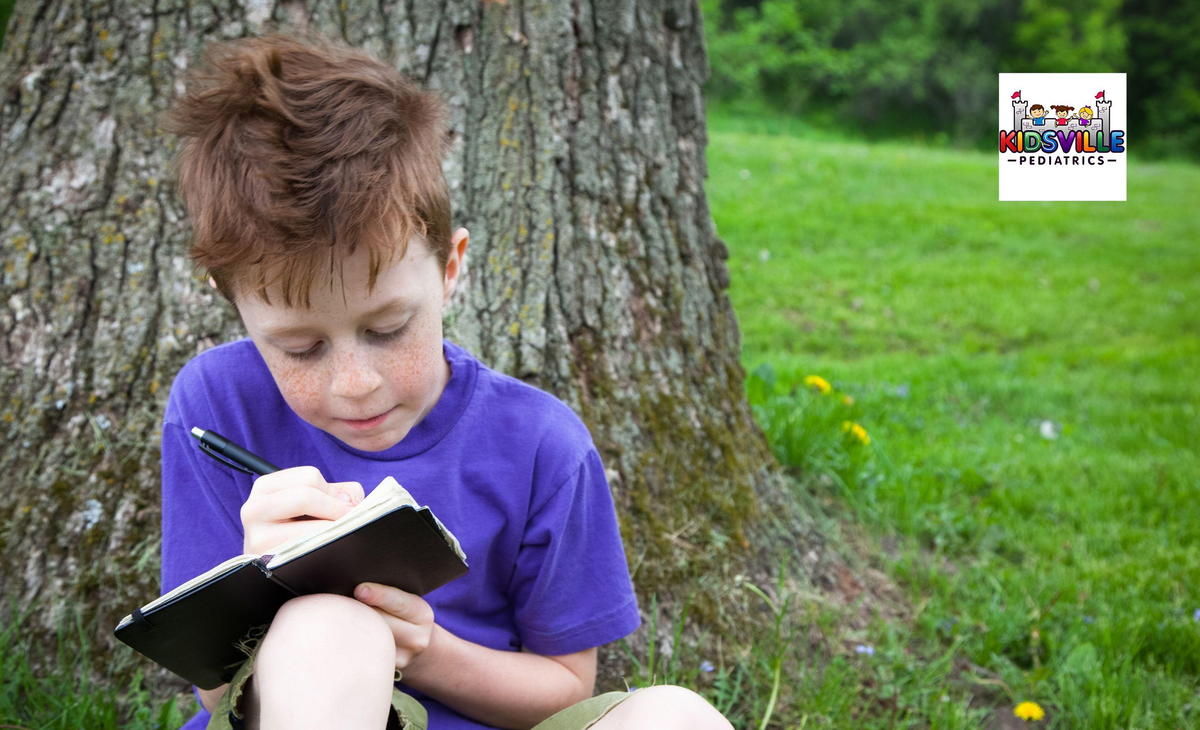
To help children experience the full benefits of journaling, it’s important to make the practice enjoyable and accessible. Here are a few tips for encouraging journaling in children:
-
Make It Fun and Flexible: Let children choose how they want to use their journal—whether it’s through writing, drawing, or creative storytelling. The more freedom they have, the more likely they are to engage with it regularly.
-
Create a Comfortable Environment: Provide a quiet, comfortable space for journaling where children can feel relaxed and focused.
-
Set a Routine: Encourage children to write in their journals at a set time each day, whether it’s in the morning or before bed. Consistency is key to making journaling a habit.
-
Be Supportive and Respectful: Encourage your child to share their journal with you, but respect their privacy. Let them know that their journal is a safe space for them to express their thoughts freely.
Pediatric Mental Health Nurse Practitioner Near Me
Journaling offers children a valuable tool for improving their emotional and behavioral health. By providing an outlet for emotional expression, stress relief, self-regulation, and creative thinking, journaling helps kids build emotional resilience, self-awareness, and coping skills. It enhances their mental health by supporting their ability to express and process emotions, and it helps develop problem-solving abilities that support healthier behaviors. Encouraging journaling in children can be a powerful step toward supporting their overall well-being, particularly in today’s world where mental health is a growing concern for younger generations.
At Kidsville Pediatrics Mansfield, we understand the importance of holistic mental health care for children. By integrating journaling into a child’s routine, parents can help their children develop the emotional tools necessary for navigating life’s challenges, building emotional resilience, and fostering long-term mental well-being.
|
Click to Schedule An Appointment. Or visit/call our clinics: Kidsville Pediatrics Mansfield TX: 682-341-3910; 1759 Broad Park Circle S, Suite 201 & 205, Mansfield, TX Kidsville Pediatrics Southlake: 682-345-8010; 2813 W. Southlake Blvd Suite 100 Southlake, TX Kidsville Pediatrics McKinney: 469-885-9400; 5881 Virginia Pkwy. Suite 300 Mckinney, TX |


