
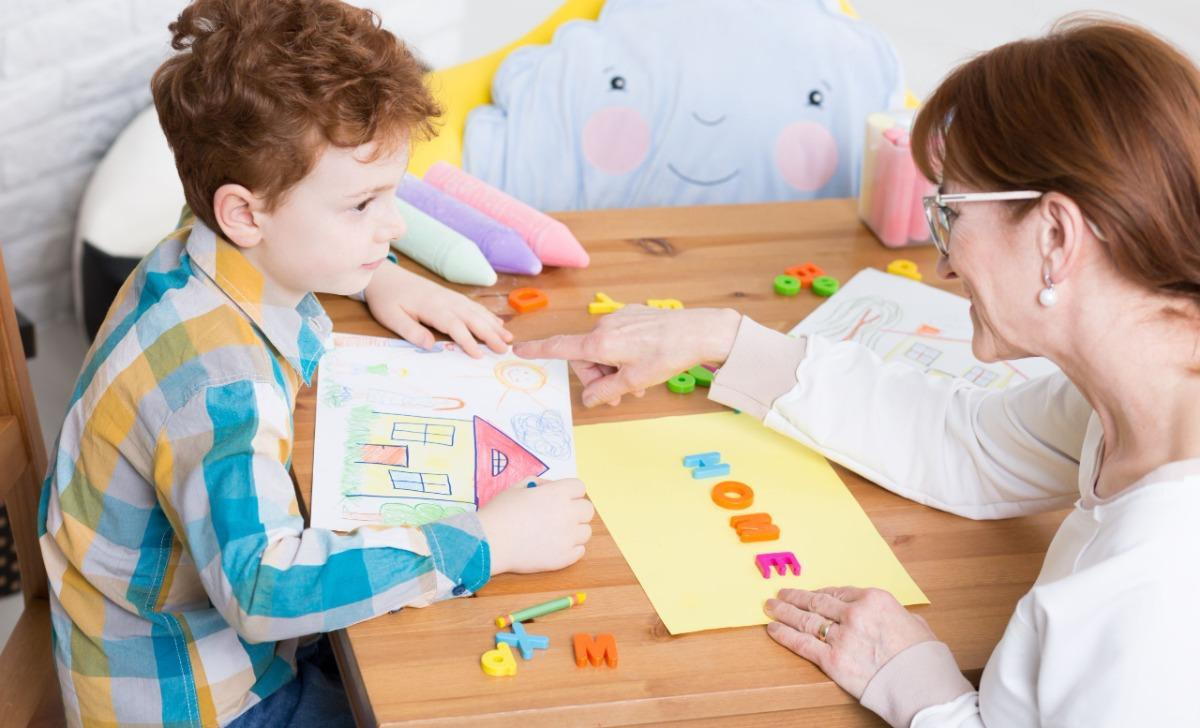
Childhood is a critical period for emotional, cognitive, and social development. When children face behavioral challenges or emotional difficulties, traditional therapeutic approaches like talk therapy may not be suitable. This is where play therapy comes in—a therapeutic approach designed specifically for children, using play as a medium to help them express their feelings and work through behavioral issues. This article will explore the role of play therapy in childhood behavioral health, how it works, and why it’s an effective tool for helping children navigate their emotions.
What Is Play Therapy?
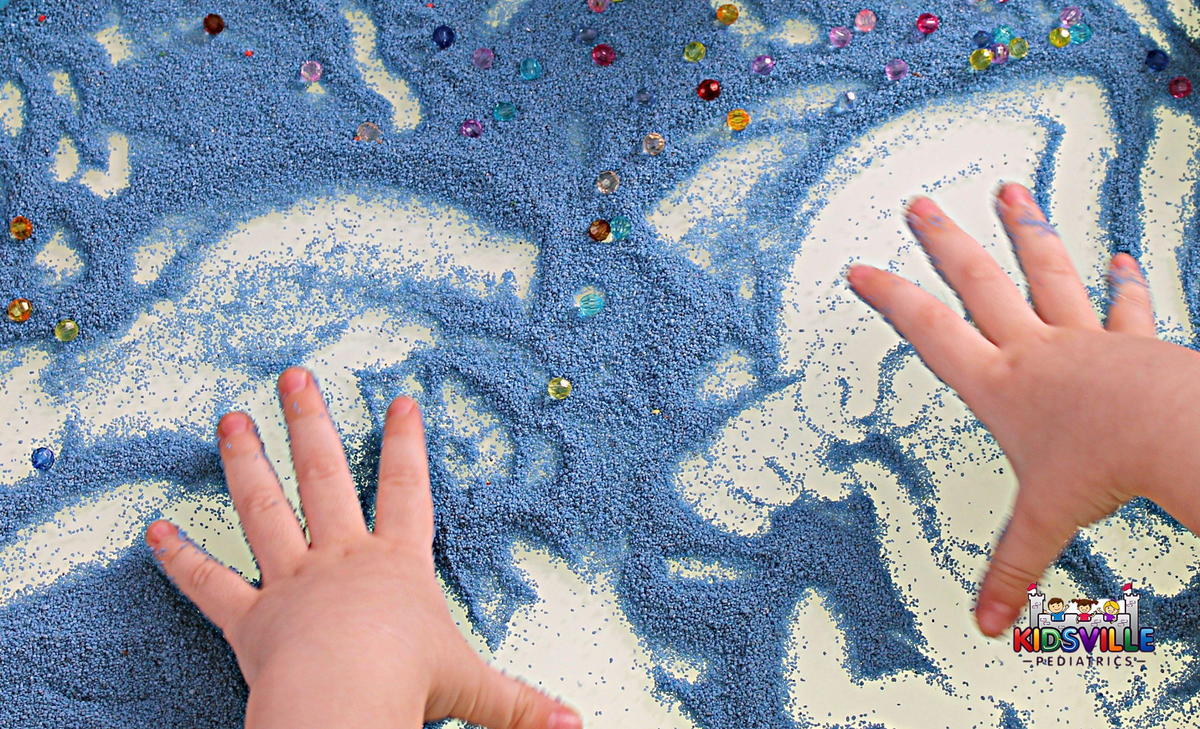
Play therapy is a form of psychotherapy that utilizes play to communicate with and treat children facing emotional or behavioral challenges. It is rooted in the idea that play is a child’s natural form of communication, just as verbal communication is for adults. Through play, children can express themselves more freely and safely, making it easier for therapists to understand their emotions, thoughts, and behaviors. At Kidsville Pediatrics Mansfield, play therapy is an essential tool for helping children navigate emotional difficulties and behavioral concerns in a supportive, non-threatening environment.
In a typical play therapy session, a therapist observes and interacts with a child while they engage in various play activities. These activities can include playing with toys, drawing, role-playing, or engaging in games. Each activity is carefully selected to allow children to express themselves and explore emotions they might find difficult to verbalize.
Why Is Play Therapy Important for Childhood Behavioral Health?
Children often lack the language skills necessary to articulate complex emotions or traumatic experiences. Behavioral issues in children can stem from a variety of sources, such as family changes, trauma, bullying, or social anxiety. When left unaddressed, these issues can lead to emotional distress, social isolation, or behavioral problems. Pediatrics Mansfield professionals recognize the importance of addressing these concerns early. Play therapy provides a safe environment for children to explore their feelings and develop coping mechanisms, ultimately leading to healthier behavior and emotional well-being.
How Does Play Therapy Work?
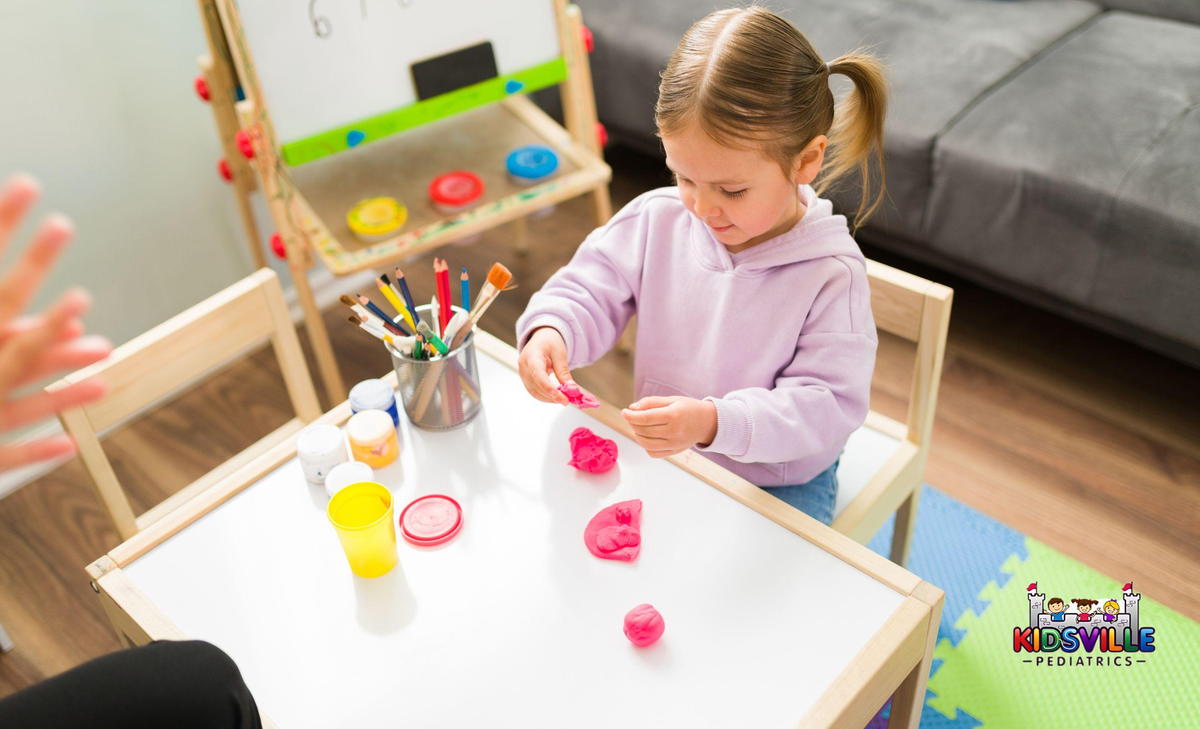
Play therapy can be directive or non-directive. In non-directive play therapy, the child takes the lead and chooses what and how to play, while the therapist observes and provides a supportive presence. This approach allows children to express themselves freely without guidance or influence. In directive play therapy, the therapist guides the session with specific activities or interventions designed to address particular behavioral issues.
Regardless of the method, the therapist’s role is to create a safe space, establish trust, and observe the child’s behavior, choices, and interactions during play. These observations can provide valuable insights into the child’s emotional state and identify the root causes of behavioral problems. Over time, the therapist uses this understanding to help the child develop healthier emotional and behavioral responses.
Key Benefits of Play Therapy in Childhood Behavioral Health

-
Emotional Expression
-
Play therapy encourages children to express emotions they may not fully understand or find difficult to articulate. Through play, children can release feelings of anger, sadness, anxiety, or frustration in a non-threatening environment.
-
-
Problem-Solving Skills
-
Play therapy helps children develop problem-solving skills by allowing them to navigate challenges through creative scenarios. This empowers children to find solutions to their real-life problems and boosts their confidence in handling difficult situations.
-
-
Building Resilience
-
Play therapy promotes emotional resilience by helping children learn to cope with and adapt to challenges. As they process emotions during play, they gradually become more comfortable facing and managing difficult feelings.
-
-
Improved Communication
-
Children who struggle with verbal communication due to age, developmental delays, or anxiety can benefit from the non-verbal nature of play therapy. It helps bridge the communication gap and enhances their ability to express themselves.
-
-
Strengthening Relationships
-
Play therapy often includes family or caregivers, which can strengthen relationships and improve family dynamics. When caregivers are involved, they learn how to better support their child’s emotional needs, leading to a more positive home environment.
-
Conditions That Benefit from Play Therapy
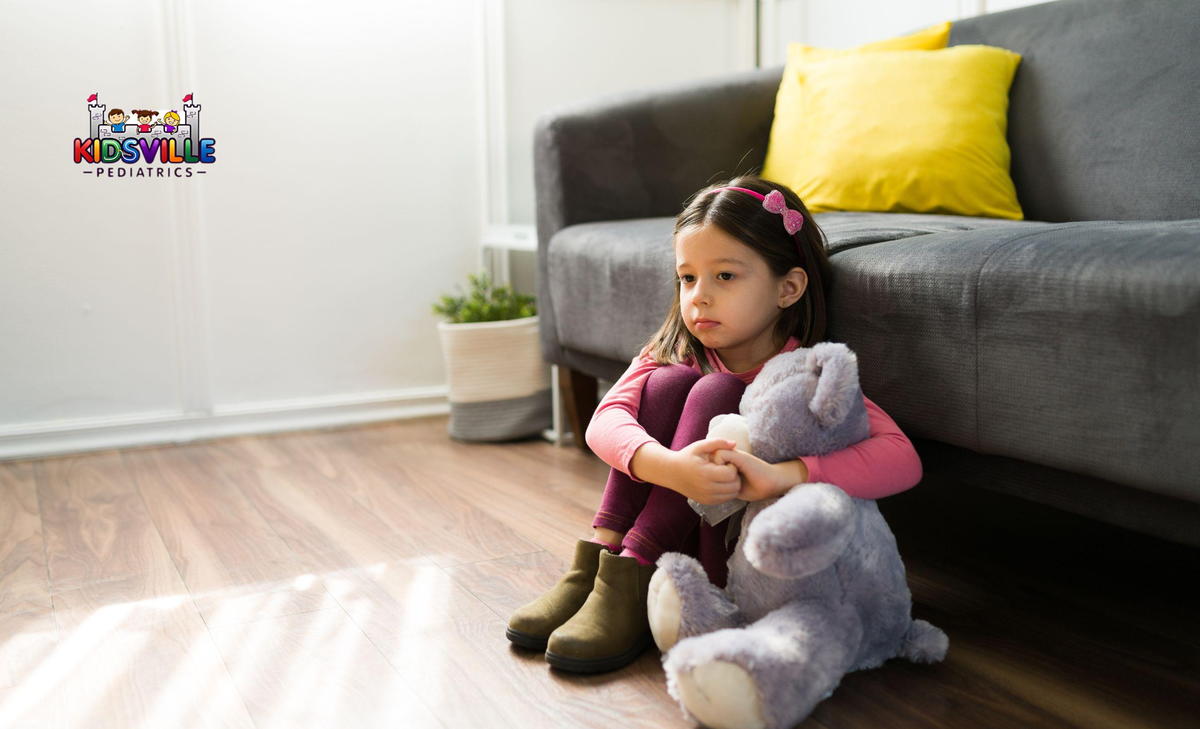
Any pediatrician in Mansfield often recommends play therapy as an effective treatment for a wide range of behavioral and emotional issues in children, including anxiety, depression, trauma, ADHD, and social challenges. By engaging in play, children can process their emotions and experiences in a non-threatening way, making it easier for them to express themselves and for the therapist to identify underlying concerns.:
-
Anxiety Disorders
-
Children with anxiety often struggle to express their fears. Play therapy provides a safe outlet for them to explore and manage their anxiety, leading to reduced symptoms and improved self-esteem.
-
-
Attention-Deficit/Hyperactivity Disorder (ADHD)
-
Children with ADHD may face challenges with impulse control, hyperactivity, or inattention. Play therapy can help them develop self-regulation skills and learn strategies to manage their behavior.
-
-
Trauma and PTSD
-
Children who have experienced trauma may exhibit symptoms of post-traumatic stress disorder (PTSD). Play therapy allows them to process traumatic events at their own pace, helping them regain a sense of safety and control.
-
-
Depression
-
Depression in children often presents as irritability, withdrawal, or behavioral changes. Play therapy helps uncover underlying emotions, allowing therapists to address the core issues contributing to depressive symptoms.
-
-
Behavioral Problems
-
Play therapy can be beneficial for children exhibiting behavioral problems, such as aggression, defiance, or social difficulties. It helps them understand the consequences of their behavior and develop healthier coping mechanisms.
-
-
Autism Spectrum Disorder (ASD)
-
For children on the autism spectrum, play therapy can improve social skills, enhance emotional understanding, and encourage interaction with others in a structured yet flexible environment.
-
Types of Play Therapy Techniques

Therapists use a variety of play therapy techniques to address behavioral health concerns. Some popular techniques include:
-
Sand Tray Therapy
-
Children use a sandbox and miniature figures to create scenes that represent their feelings or experiences. This technique provides insight into the child’s internal world and allows them to express themselves without words.
-
-
Art Therapy
-
Drawing, painting, and other art-related activities can help children communicate their emotions creatively. Art therapy is particularly useful for children who may have difficulty expressing themselves verbally.
-
-
Doll Play and Role-Playing
-
Role-playing with dolls or puppets allows children to act out scenarios they find challenging or scary. This technique helps them practice handling situations in a safe and controlled environment.
-
-
Therapeutic Storytelling
-
Therapists use stories to help children identify with characters and situations, encouraging them to explore their feelings and experiences. It can help children gain perspective and insight into their emotions.
-
-
Board Games and Structured Play
-
Board games with therapeutic purposes are designed to teach children social skills, patience, and how to cope with losing. These games help build resilience and provide a fun way to learn new skills.
-
The success of play therapy relies heavily on the therapist’s skills and ability to connect with the child. A trained play therapist will be:
-
Empathetic and Patient: Understanding that building trust takes time and allowing the child to express themselves at their own pace.
-
Observant: Paying attention to non-verbal cues, behavior patterns, and themes that arise during play.
-
Flexible: Adjusting therapeutic approaches based on the child’s needs and progress.
-
Supportive: Providing encouragement and validation to help the child feel safe and valued during sessions.
What to Expect in a Play Therapy Session
A typical play therapy session lasts 30 to 60 minutes, depending on the child’s age and attention span. During the initial sessions, the therapist focuses on building rapport and trust. As the child becomes more comfortable, the therapist begins to introduce play activities tailored to address specific concerns.
Parents or caregivers may be involved in some sessions, particularly if family dynamics are contributing to the child’s behavioral issues. The pediatrician, therapist, or mental health nurse practitioner may also provide guidance to parents on how to support their child’s emotional needs outside of therapy sessions.
Pedia Near Me: Kidsville Pediatrics Mansfield
Alexander Ng, APRN, PMHNP-BC, with his expertise in pediatric mental health, recognizes the importance of play therapy in addressing behavioral and emotional challenges in children. His experience in working with children facing issues like anxiety, depression, and behavioral problems aligns with the therapeutic power of play to help children express their emotions and develop essential coping skills.
Through this approach, Alexander “Alex” Ng understands how play therapy empowers children to build resilience, overcome difficulties, and achieve emotional well-being. His work reflects the growing understanding of childhood behavioral health and the significant role play therapy plays in helping children thrive, particularly within a pediatric setting like Kidsville Pediatrics Mansfield. By providing children with a safe space to explore their emotions, Alex ensures that they develop healthy coping mechanisms and resilience that can last a lifetime.
|
Click to Schedule An Appointment. Or visit/call our clinics: Kidsville Pediatrics Mansfield TX: 682-341-3910; 1759 Broad Park Circle S, Suite 201 & 205, Mansfield, TX Kidsville Pediatrics Southlake: 682-345-8010; 2813 W. Southlake Blvd Suite 100 Southlake, TX Kidsville Pediatrics McKinney: 469-885-9400; 5881 Virginia Pkwy. Suite 300 Mckinney, TX |


