
Diarrhea is one of the most common health issues that affect children, and while it may seem like a minor concern, it can sometimes be indicative of a more serious condition. Understanding when to worry about your child’s diarrhea and knowing how to help them recover can be crucial for their well-being. At Kidsville Pediatrics Mansfield, our pediatricians frequently see young patients experiencing diarrhea, and we aim to provide parents with all the information they need to manage this condition effectively.
What Is Diarrhea?
Diarrhea occurs when a child passes loose, watery stools more frequently than usual. It is usually a symptom of an underlying issue, such as an infection, diet change, or even stress. While many cases of diarrhea resolve on their own, some may require medical intervention, especially when accompanied by dehydration or other concerning symptoms. If you are ever unsure about your child’s condition, pediatricians can guide you through the steps to ensure your child’s safety.
Common Causes of Diarrhea in Children
Diarrhea can stem from various causes, and pinpointing the reason can help determine the appropriate treatment. Some common causes include:
-
Infections: Viral infections, such as rotavirus or norovirus, are among the leading causes of diarrhea in children. Bacterial infections like salmonella or E. coli can also result in diarrhea, particularly if your child consumes contaminated food or water. Parasitic infections such as giardia may also be a culprit.
-
Dietary Factors: Food intolerances or allergies can lead to diarrhea. Lactose intolerance, for example, causes many children to experience diarrhea after consuming dairy products. Additionally, introducing new foods too quickly into your child’s diet may upset their stomach.
-
Antibiotics: While antibiotics are essential for treating bacterial infections, they can sometimes upset the balance of good bacteria in the digestive system, leading to diarrhea. If your child has been prescribed antibiotics and begins to experience diarrhea, be sure to consult your pediatrician.
-
Teething: Some parents notice their child experiencing mild diarrhea when teething, although this is usually temporary and not a major concern.
-
Traveler’s Diarrhea: If you’ve recently traveled to a new region with different sanitation standards or water quality, your child may develop diarrhea as a result of consuming contaminated food or water.
-
Chronic Conditions: In rare cases, diarrhea can be a symptom of a more chronic issue such as irritable bowel syndrome (IBS), celiac disease, or Crohn’s disease. Mansfield pediatrics experts can help assess your child for these conditions if diarrhea persists over an extended period.
When to Worry About Diarrhea

Not all diarrhea requires a trip to the Mansfield pediatrician, but there are several red flags that may indicate a more serious issue. As a general rule, if your child’s diarrhea lasts more than a couple of days or is accompanied by other symptoms, it’s time to consult a Mansfield pediatrics expert. Here’s when you should be concerned:
-
Severe Dehydration: Dehydration is the most significant concern with diarrhea, particularly in infants and younger children who may lose fluids more quickly. Signs of dehydration include:
-
Dry mouth
-
Sunken eyes
-
Lack of tears when crying
-
Dark yellow urine or infrequent urination
-
Lethargy or irritability
-
-
Blood in Stool: Blood or mucus in the stool is always a sign to consult a doctor. It can indicate a bacterial infection or other serious gastrointestinal issue.
-
Fever: A fever over 102°F (38.9°C) accompanying diarrhea can point to a more severe infection. If your child has a high fever, especially when combined with diarrhea, it’s best to get them checked by a pediatrician.
-
Severe Abdominal Pain: If your child is complaining of intense abdominal pain or if their belly feels tender to the touch, it could suggest an underlying issue that requires medical intervention.
-
Persistent Diarrhea: Diarrhea lasting more than 48 hours in young children or more than 72 hours in older children should be evaluated by a doctor. Persistent diarrhea can cause nutritional deficiencies and dehydration.
-
Changes in Behavior: If your child becomes unusually irritable, lethargic, or shows a lack of interest in activities, this could be a sign that their condition is worsening.
At Kidsville Pediatrics Mansfield, we encourage parents to reach out whenever they feel uncertain. It’s always better to err on the side of caution, especially when it comes to your child’s health.
How to Help Your Child Recover from Diarrhea
If your child has a mild case of diarrhea, there are several ways you can help them recover at home. The goal is to keep them hydrated and comfortable while their body fights off the infection or adjusts to changes. Here’s how you can help:
-
Hydration is Key Dehydration is the biggest risk when it comes to diarrhea, so ensuring your child gets enough fluids is crucial. Offer plenty of water, clear broths, or oral rehydration solutions like Pedialyte. Avoid sugary drinks like soda or fruit juice, as these can worsen diarrhea. Breastfed infants should continue breastfeeding, as breast milk provides both hydration and nutrients.
-
BRAT Diet For older children, consider the BRAT diet, which includes bananas, rice, applesauce, and toast. These foods often taste bland, are low in fiber, and can aid in achieving firmer stools. However, don’t rely solely on the BRAT diet for more than a day or two, as it lacks essential nutrients. Gradually reintroduce other bland foods such as plain chicken, yogurt, and mashed potatoes once your child begins to recover.
-
Avoid Dairy If your child is lactose intolerant or sensitive to dairy products, avoid milk, cheese, and other dairy items until their diarrhea resolves. In some cases, temporary lactose intolerance can develop after a bout of diarrhea, so it’s best to steer clear of dairy for a while.
-
Rest and Comfort Diarrhea can leave your child feeling fatigued and weak. Make sure they get plenty of rest and stay in a comfortable environment. Encourage quiet activities such as reading or watching a favorite show to keep them relaxed.
-
Medications Over-the-counter anti-diarrheal medications are not typically recommended for children, as they can sometimes do more harm than good. Instead, consult your doctor at pediatrics Mansfield clinic for advice on whether medication is appropriate for your child’s specific situation.
-
Probiotics Probiotics can help restore the balance of good bacteria in the gut, particularly if your child’s diarrhea was caused by antibiotics. Speak with your doctor at Kidsville Pediatrics Mansfield about whether probiotic supplements or probiotic-rich foods like yogurt may be beneficial.
When to Seek Medical Help

If your child’s diarrhea persists or is accompanied by concerning symptoms like dehydration or a high fever, don’t hesitate to seek medical advice. The best pediatrics in Mansfield TX is trained to handle all types of childhood illnesses, including gastrointestinal issues like diarrhea.
You can schedule an appointment with us to discuss your child’s symptoms and find the best course of treatment. Our team can perform necessary tests to rule out more serious conditions, provide medication if needed, and guide you on how to manage your child’s condition effectively at home.
Prevention: How to Minimize the Risk of Diarrhea
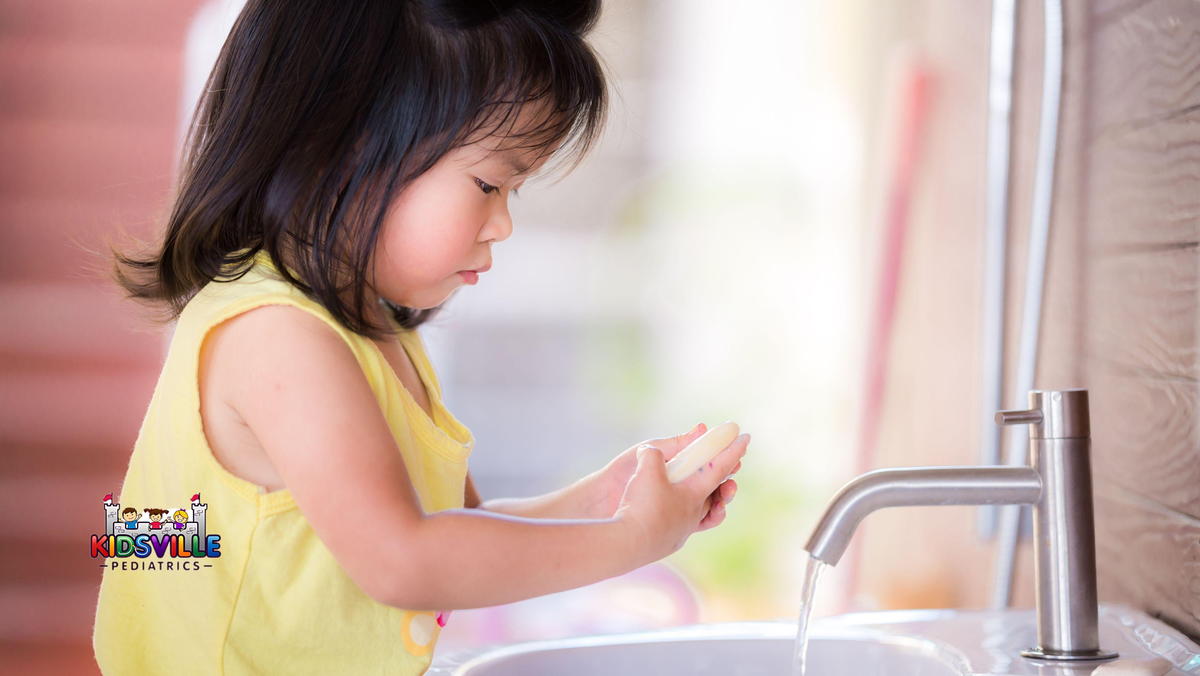
Preventing diarrhea, particularly in children, can sometimes be challenging due to the wide variety of potential causes. However, there are several preventive measures parents can take to minimize the risk:
-
Handwashing: Teach your child the importance of washing their hands with soap and water before meals, after using the bathroom, and after playing outside. Good hygiene can prevent the spread of germs that cause diarrhea.
-
Safe Drinking Water: Ensure your child drinks clean, filtered water, particularly when traveling or in areas where water quality may be questionable.
-
Food Safety: Be mindful of food preparation and storage. Ensure that meats are cooked thoroughly and that your child avoids foods that may have been left out for too long.
-
Vaccination: The rotavirus vaccine can prevent one of the leading viral causes of diarrhea in children. Talk to your pediatrician at Kidsville Pediatrics Mansfield to ensure your child is up to date on their vaccines.
Pediatrician Near Me: Trusting Kidsville Pediatrics Mansfield
Diarrhea is an unpleasant but common issue in childhood. Understanding the potential causes and knowing when to seek medical attention can make a big difference in your child’s recovery. While many cases of diarrhea can be managed at home, it’s essential to know the warning signs of a more serious issue and how to respond.
By following these tips and staying informed, you can help your child recover from diarrhea quickly and safely, knowing that Kidsville Pediatrics Mansfield is here to support you every step of the way.


