
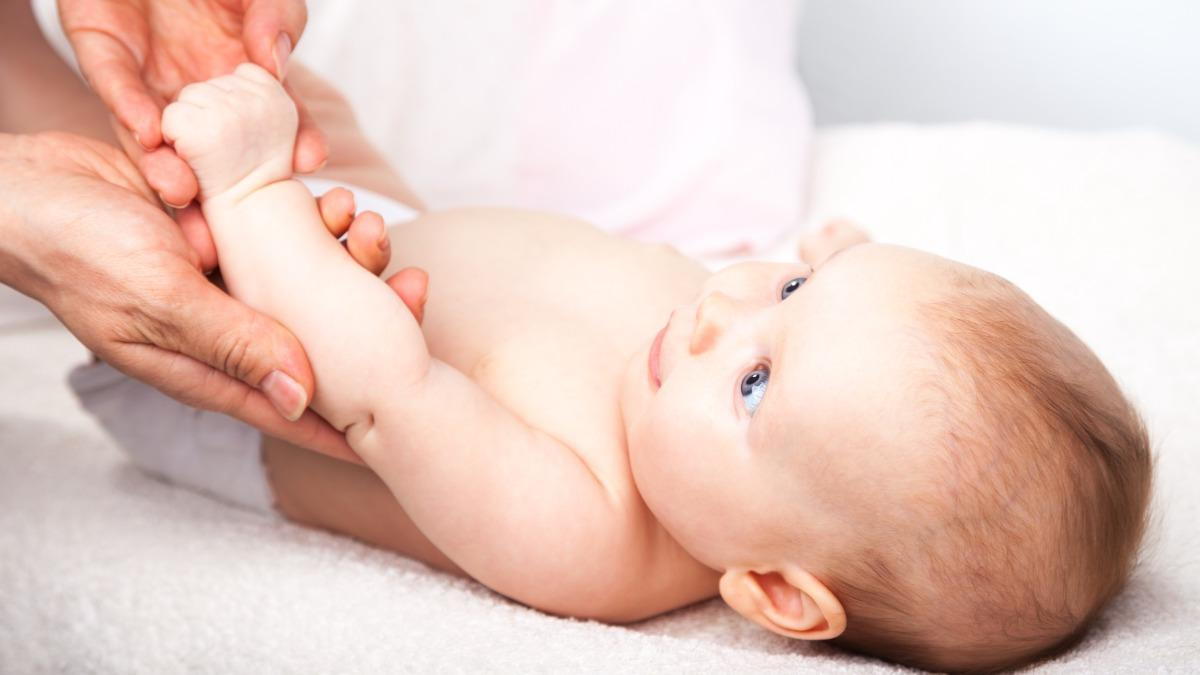
Bringing your newborn home is a beautiful experience filled with joy and new responsibilities. While keeping your baby warm and nourished is paramount, don’t forget that infant skin care is just as important. Your little one’s skin is delicate and requires special attention to ensure its health and well-being.
Babies inherently have more sensitive skin compared to older children and adults, which can make it difficult for parents to discern certain sensitivities. Understanding what is typical for infant skin can help alleviate this confusion. For example, heat rashes and dry skin are very common during infancy and do not necessarily indicate that your baby has sensitive skin.
Understanding Infant Skin Care

Newborn skin is soft and sensitive, making it more susceptible to irritation. In fact, a baby’s immune system is still developing, so it’s crucial to protect their skin from chemicals, fragrances, and dyes commonly found in clothing, detergents, and baby products. Although some newborn rashes are perfectly normal, taking preventive measures can help minimize skin problems.
The good news is that your touch has a soothing effect on your baby’s skin. Skin-to-skin contact is not only nurturing but also essential for your baby’s development. This is where the expertise of your McKinney pediatrician can guide you in fostering a healthy environment for your baby’s skin.
The Basics of Natural Baby Skin Care
When it comes to caring for your newborn’s skin, the rule of thumb is “less is more.” Here are some essential tips to keep your baby’s skin healthy and irritation-free:
1. Bathe Your Baby Wisely

Resist the temptation to bathe your baby frequently. In the first year, bathing more than three times a week can strip away natural oils that protect their skin, leading to dryness and vulnerability. For the first month, sponge baths two to three times a week will suffice. For babies with the umbilical cord still attached, limit sponge baths to once a week or even less.
2. Avoid Scented Products
In the early months, it’s best to avoid scented baby products. Fragrances can irritate sensitive skin, leading to rashes and discomfort. Opt for fragrance-free and hypoallergenic options whenever possible, and consult your McKinney pediatricians for recommendations.
3. Wash Baby’s Clothing Separately
Before dressing your little one, wash their clothes, bedding, and blankets in a gentle, fragrance-free detergent. This helps eliminate any irritants that may linger from manufacturing. If you prefer to use the same detergent for the whole family, ensure it’s suitable for sensitive skin.
Recognizing and Preventing Common Skin Issues
Newborn Dry Skin and Eczema
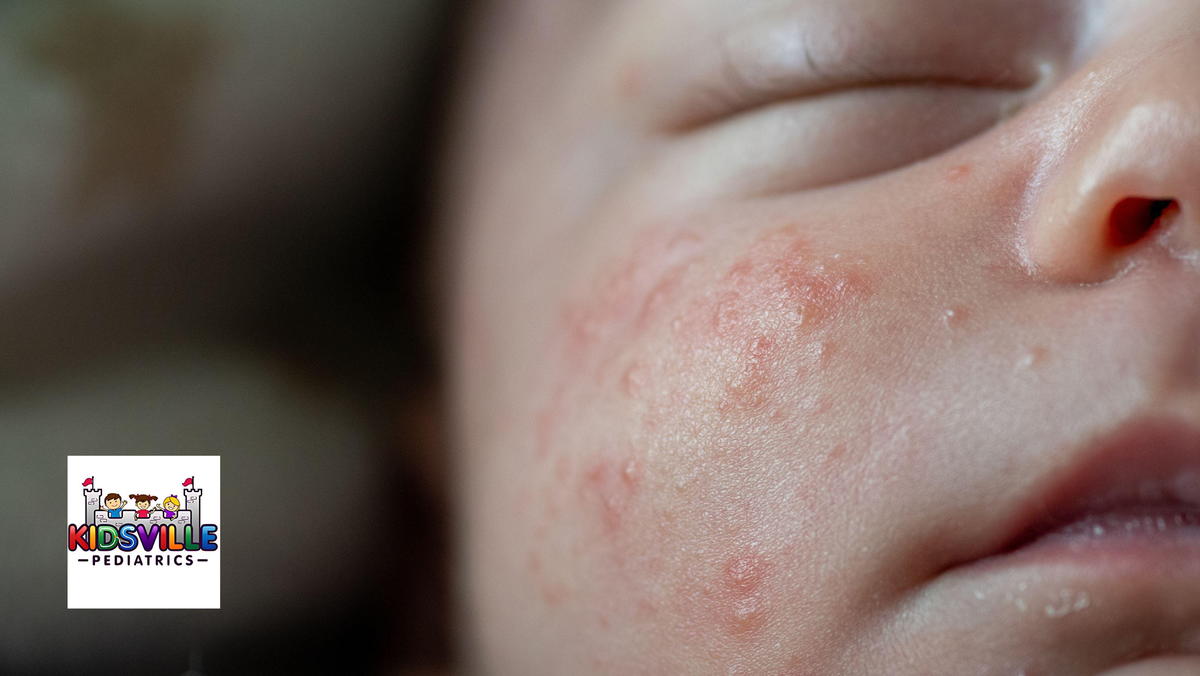
Eczema is one of the most common skin problems in infants. It appears as a red, itchy rash that often affects the face, scalp, elbows, and knees. Here are some tips to help prevent eczema and dry skin:
-
Minimize Soap Use: Use soap sparingly and keep bath times short to maintain natural moisture.
-
Limit Scented Products: Stick to fragrance-free lotions or ointments for any dry patches.
-
Choose Soft Fabrics: Dress your baby in soft, breathable clothing made of cotton to reduce irritation.
-
Consult Your Pediatrician: If you notice persistent dryness or irritation, speak to your pediatrician McKinney expert about appropriate treatments.
Read more about eczema in our past article:
Baby Eczema Relief: McKinney Pediatrics Doctors Must-Know Advice.
Managing Diaper Rash

Diaper rash is another common concern for new parents. It often arises from prolonged exposure to wetness or inadequate drying after baths. Here’s how to manage and prevent diaper rash effectively:
Caring for diaper rash involves several steps to help soothe and heal your baby’s skin:
-
Change Diapers Frequently
Frequent diaper changes are key to preventing and treating diaper rash. Aim to check your baby’s diaper every couple of hours and change it immediately when wet or soiled. This helps minimize moisture and irritation on the skin. -
Use Gentle Cleansing Methods
When cleaning your baby’s bottom, avoid using wipes that contain fragrances or alcohol, as these can irritate the skin further. Instead, use a soft cloth dampened with warm water or a gentle, fragrance-free cleanser. Pat the area dry rather than rubbing, which can cause additional irritation. -
Allow for Air Exposure
Whenever possible, let your baby go without a diaper for short periods. Air exposure can help dry out the rash and promote healing. Lay your baby on a towel or a waterproof pad during diaper-free time to prevent any mess. -
Apply Barrier Creams
After cleaning and drying the diaper area, apply a thick layer of barrier cream or ointment. Products containing zinc oxide or petroleum jelly create a protective layer on the skin, which helps shield it from moisture and irritants. Brands like Desitin, A&D, or Triple Paste are popular options. -
Choose the Right Diaper
If your baby continues to experience diaper rash, consider switching to a different brand of disposable diapers or trying cloth diapers that are gentler on the skin. Ensure that the diaper fits well—not too tight, but snug enough to prevent leaks. -
Monitor for Infections
If the diaper rash does not improve within two to three days or if you notice any signs of infection, such as oozing, pus, or fever, consult your pediatrician. Your McKinney pediatrics expert may recommend medicated creams or other treatments tailored to your baby’s needs. -
Practice Good Hygiene
Regularly wash your hands before and after changing diapers to minimize the risk of transferring bacteria to your baby’s sensitive skin. Keeping the diaper changing area clean and organized can also help maintain good hygiene practices.
The Power of Touch: Infant Massage
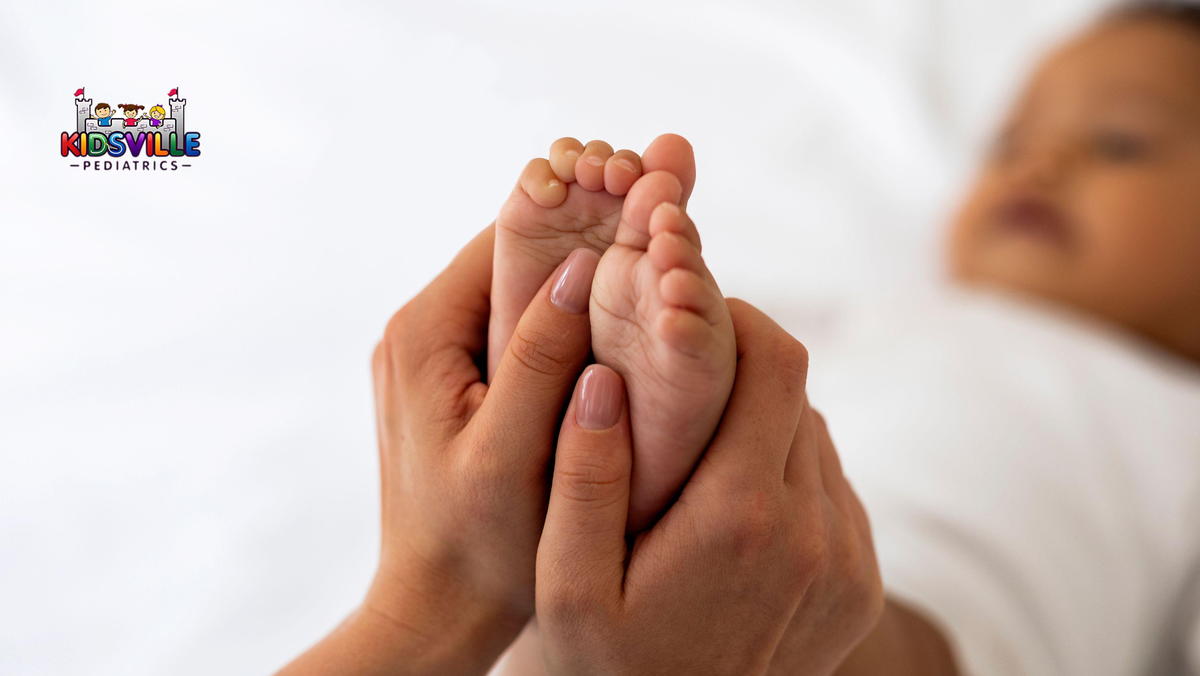
Touch plays a crucial role in your baby’s growth and development. Infant massages offer not just physical benefits but also emotional connection. Research shows that touching stimulates the release of hormones that enhance immunity and promote overall health. Massaged babies tend to be calmer, sleep better, and cry less.
Tips for Infant Massage
To give your baby a relaxing massage:
-
Choose a Comfortable Setting: Find a warm, quiet room with a soft blanket or fabric for your baby to lie on.
-
Use Gentle Products: Warm a small amount of baby oil or lotion in your hands before applying it to your baby’s skin.
-
Focus on Connection: Massage your baby’s chest and tummy gently while making eye contact and speaking softly.
-
Follow Baby’s Cues: If your baby seems fussy, it might be a sign they’re not ready for a massage. Pay attention to their reactions and adjust your touch accordingly.
-
Enjoy the Moment: Remember, the goal is to bond with your baby, so take your time and enjoy the experience.
Pediatrician Near Me: Nurturing Your Baby’s Skin
Infant skin care is an essential aspect of your baby’s overall health and comfort. By understanding their unique needs and implementing a gentle routine, you can help protect their delicate skin from irritation and rashes. Remember, when it comes to caring for your little one, the simplest methods often yield the best results.
For more tips on infant skin care, consult your McKinney pediatricians at Kidsville Pediatrics. Your McKinney doctor is committed to providing you with the guidance tailored to your baby’s specific needs. Your love and attention will go a long way in nurturing your baby’s skin and overall well-being.
|
Click to Schedule An Appointment. Or visit/call our clinics: Kidsville Pediatrics Mansfield TX: 682-341-3910; 1759 Broad Park Circle S, Suite 201 & 205, Mansfield, TX Kidsville Pediatrics Southlake: 682-345-8010; 2813 W. Southlake Blvd Suite 100 Southlake, TX Kidsville Pediatrics McKinney: 469-885-9400; 5881 Virginia Pkwy. Suite 300 Mckinney, TX |


