

As a parent, navigating the complexities of ADHD in children can feel overwhelming, but you’re not alone. ADHD, or Attention-Deficit/Hyperactivity Disorder, is a common condition affecting many children and their families.
This guide is designed to provide you with the essential tools and insights you need to support your child effectively. From understanding the basics of ADHD to implementing strategies that can make everyday life smoother, we’re here to help you through every step of the journey.
The world of ADHD can be complex, filled with various challenges and misconceptions. Our goal is to offer clear, practical advice that empowers you to advocate for your child and ensure they receive the best possible care and support. With the right approach and resources, you can help your child thrive academically, socially, and emotionally.
Stay tuned as we delve into key strategies, practical tips, and expert advice on how to manage ADHD effectively. At Kidsville Pediatrics McKinney, we are committed to supporting you and your child every step of the way. Let’s work together to create an environment where your child can succeed and feel understood.
Identifying ADHD Symptoms in Children

Understanding Inattentiveness
Children with ADHD who are inattentive often struggle with focusing on tasks and following through on instructions. They may miss important details, forget their belongings, and have trouble completing assignments.
Recognizing Hyperactivity
Hyperactive children with ADHD exhibit restlessness and fidgetiness. They might have difficulty remaining still or quiet and may engage in disruptive behaviors like climbing or jumping when they shouldn’t.
Identifying Impulsivity
Impulsivity in children with ADHD can manifest as acting without thinking, interrupting others, or engaging in risky behaviors. Their emotional reactions may also be intense and disproportionate to the situation.
Normal Development vs. ADHD
It’s crucial to distinguish between normal childhood behavior and ADHD. While many children exhibit distractions, restlessness, and impatience, these behaviors can become problematic when they persist and interfere with daily life.
ADHD Symptoms in Toddlers: What to Watch For
Although ADHD in children younger than 4 is often not diagnosed, some toddlers may display early signs of the condition. While many ADHD symptoms can resemble typical toddler behavior, there are a few indicators that might suggest a deeper issue:
-
Frequent Trouble at Preschool or Daycare: If your toddler frequently gets into trouble at preschool or daycare, it could be a sign of ADHD. Persistent issues with behavior in these settings can be a red flag.
-
Behavioral Differences from Peers: Noticeable differences in behavior compared to other children of the same age may also suggest ADHD. If your child’s actions consistently stand out from their peers, it might be worth discussing with a pediatrician in McKinney.
When to Seek Professional Help
If your child’s difficulties with attention, activity levels, or self-control continue and affect their school performance and relationships, consulting pediatric healthcare in McKinney can help determine if ADHD is a factor and provide appropriate support.
Understanding ADHD: Causes and Diagnosis
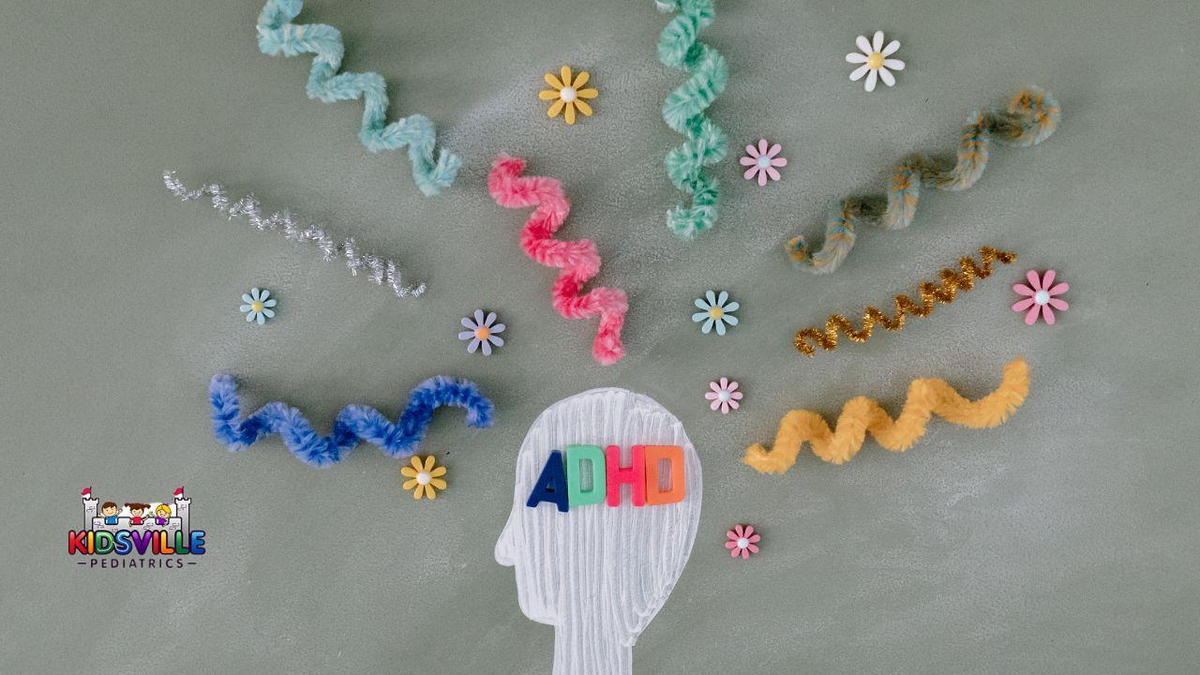
ADHD (Attention Deficit Hyperactivity Disorder) can arise from various factors. At Kidsville Pediatrics in McKinney, TX, understanding these causes is crucial for accurate diagnosis and effective management. Here’s a closer look at some potential factors:
Brain Anatomy and Function
Research suggests that ADHD may be linked to differences in brain anatomy and function. Specifically, lower activity levels in the brain areas responsible for attention and activity control can be associated with ADHD. For a deeper dive, check out resources like ADHD and the Brain from Understood.org.
Genetics and Heredity
ADHD often runs in families. If your child has ADHD, there is a 1 in 4 chance that a parent also has the condition. Additionally, other close family members, such as siblings, may also have ADHD. It’s not uncommon for a child and parent to receive a diagnosis around the same time. For more information, see Inheriting Mental Disorders.
Significant Head Injuries
In some cases, significant head injuries can contribute to the development of ADHD. It’s essential to consider any history of head trauma when evaluating your child’s symptoms.
Prematurity and Prenatal Exposures
Children born prematurely or exposed to substances like alcohol or nicotine during pregnancy are at higher risk for ADHD. These prenatal and early-life factors can impact a child’s development and behavior.
Environmental Toxins
While rare, exposure to environmental toxins, such as lead, may affect child development and lead to ADHD.
What ADHD Is Not Caused By
It’s important to clarify that ADHD is not caused by eating too much sugar, food additives, allergies, or immunizations. These factors have not been shown to contribute to ADHD.
Rising Diagnosis Rates
The number of children receiving ADHD diagnoses and treatment has increased. This may reflect a higher awareness and better diagnostic methods rather than a true rise in prevalence. CDC data shows that ADHD affects about 7 million or 11.4% of U.S. children aged 3-17. ADHD often coexists with other mental disorders and can affect school performance due to its impact on learning and behavior.
Increased awareness and improved diagnostic techniques mean more children are receiving the support they need. If you have concerns about ADHD, consulting with a pediatrician provides valuable insights and guidance.
Creating a Supportive Home Environment
Managing behavior in children with ADHD requires a structured approach grounded in two basic principles: positive reinforcement and appropriate consequences. As any pediatrician McKinney expert would emphasize, these strategies can help families create effective behavior management plans.
Encourage and Reward Good Behavior
Positive reinforcement is all about encouraging and rewarding desirable behaviors. Start by identifying which behaviors you want to promote. For instance, if you want to encourage your child to complete their homework on time, reward them with praise, extra screen time, or a small treat when they meet this expectation. Establishing a clear reward system can be particularly effective. For example, a points system where your child earns points for good behavior that can be redeemed for privileges or small rewards can motivate them to follow rules. Make sure these rewards are meaningful to your child and consistently applied.
Set Clear and Consistent Rules
To manage behavior effectively, it’s crucial to decide which behaviors are acceptable and which are not. Consistency is key. If you punish a behavior one day and ignore it the next, it confuses your child and undermines your efforts. Identify clear, simple rules and communicate them effectively. For example, always enforce rules around screen time, bedtimes, and chores. Writing down these rules and posting them in a visible area can help reinforce them. Regular repetition and positive reinforcement will aid in your child’s understanding and adherence to these guidelines.
Allow Flexibility and Embrace Individuality
While consistency is important, it’s equally important to allow some flexibility. Children with ADHD may struggle with rigid routines and changes. Be patient and understand that occasional mistakes are part of the learning process. It’s also essential to accept some of your child’s quirky behaviors as part of their personality, as long as they do not harm themselves or others. Overly rigid expectations can lead to frustration and hinder your child’s progress.
Manage Aggression and Outbursts
Aggression and outbursts can be challenging aspects of ADHD in children. Using techniques like “time-out” can help both you and your child calm down. When your child acts out, remove them from the situation calmly and explain that the time-out is for them to cool off and reflect on their behavior. For less severe disruptions, try to ignore them and allow your child to release energy. However, always address destructive or intentionally disruptive behaviors according to the rules you’ve established.
Incorporating these strategies into your parenting approach can create a more structured and supportive environment for your child. For further guidance tailored to your child’s specific needs, consult with a pediatrician in McKinney who can provide personalized advice and support.
Effective Communication Strategies

Clear and effective communication can significantly enhance daily interactions with children who have Attention Deficit Hyperactivity Disorder (ADHD). As a parent, it’s essential to use strategies tailored to your child’s needs to foster better understanding and reduce frustration. If you’re seeking support from a pediatrician in McKinney, these tips can help streamline communication and make family life smoother.
1. Observe Your Child’s Attention Patterns
Understanding when your child is truly engaged can be a game-changer. Children with ADHD might not always make eye contact, but this doesn’t mean they aren’t listening. They may be fidgeting or focusing on something else while still absorbing information. Pay attention to patterns in their behavior to identify the best times for communication. Remember, just because your child has paused an activity doesn’t necessarily mean they’re ready to listen—sometimes they need a moment to rest before they can focus on what you’re saying.
2. Provide Short and Simple Directions
Children with ADHD can easily become overwhelmed by lengthy instructions. Break down tasks into manageable steps and provide one or two instructions at a time. For instance, if you need your child to clean their room, start by asking them to pick up toys, then move on to organizing books. Check their understanding by asking them to repeat the steps back to you. This approach reinforces their comprehension and helps them follow through more effectively.
3. Establish Communication Strategies
Creativity in communication can be very effective. Use visual and auditory cues to help your child understand what is expected. Picture cards can illustrate tasks like brushing teeth or getting dressed. At bedtime, consider using a favorite stuffed animal or adjusting the lighting to signal it’s time to wind down. Developing routines with these cues can help your child with ADHD associate actions with specific images or objects, making transitions smoother.
4. Utilize Visual Aids
Visual aids can be incredibly helpful for children with ADHD. Create a visual timetable that outlines daily activities or design a poster with pictures showing the steps for different routines. Children often enjoy participating in making these aids, so involve them in the process using their drawings or photos. This not only makes the visual aids more engaging but also gives them a sense of ownership and connection to the process.
5. Communicate Calmly and Softly
Maintaining a calm demeanor is crucial when interacting with your child, especially during challenging moments. If you become agitated, it can heighten your child’s anxiety and disrupt communication. Speak softly and stay composed, even if your child is upset. Removing yourself from the situation momentarily, if needed, can help both you and your child calm down. Reassure them that you’re there to support them and that they can approach you when they feel ready.
6. Practice Mindful Meditation
Mindfulness is a proven technique to manage ADHD symptoms and can improve communication. Simple mindfulness practices, such as deep breathing exercises, can help calm a racing mind and bring focus to the present moment. Engaging in mindfulness with your child can create a more receptive environment for communication. For additional resources on mindfulness, consider speaking with our behavioral health experts.
7. Connecting with Supportive Communities
While professional treatment is essential, connecting with other parents facing similar challenges can provide valuable support. Local Facebook groups or online communities for parents of children with ADHD can offer practical advice and emotional support. Sharing experiences and strategies with others who understand your situation can make the journey of parenting a child with ADHD less isolating.
Behavioral Therapy and Professional Help
For older children, the most effective approach to treating ADHD often involves a combination of behavior therapy and medication. However, when it comes to children under 6 years of age, experts recommend starting with behavior therapy as the first line of treatment before considering medication.
For younger children, behavior therapy is crucial, and the most effective type at this age is parent training in behavior management. This approach involves working with parents to teach them essential skills and strategies to help their child manage ADHD symptoms. Consulting with the best pediatrician in McKinney, TX, can guide you in choosing the most appropriate behavior therapy for your child’s needs.
You may schedule an appointment online: https://www.kidsvillepeds.com/appointment/
Or visit/call our clinics:
Kidsville Pediatrics Mansfield TX: 682-341-3910; 1759 Broad Park Circle S, Suite 201 & 205, Mansfield, TX
Kidsville Pediatrics Southlake: 682-345-8010; 2813 W. Southlake Blvd Suite 100 Southlake, TX
Kidsville Pediatrics McKinney: 469-885-9400; 5881 Virginia Pkwy. Suite 300 Mckinney, TX


