
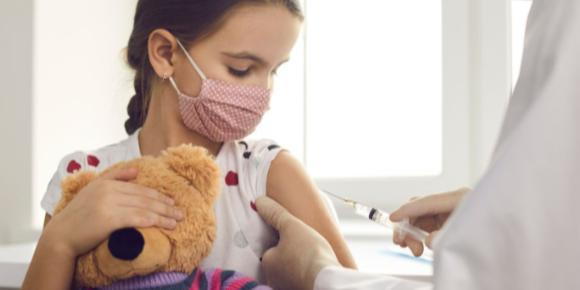
As summer approaches, parents gear up for sunny days filled with outdoor adventures. Alongside packing sunscreen and swim gear, ensuring your child’s vaccinations are up to date is crucial for a safe and healthy season. Vaccination protects children from preventable diseases that can spread more easily during warmer months when outdoor activities increase.
This post aims to guide parents through the importance of summer vaccinations, offering insights into which vaccines are essential, how to schedule them effectively, and addressing common concerns. By understanding the significance of vaccinations in the context of summer safety, parents can confidently navigate their child’s health needs while enjoying all the season has to offer.
Whether planning a beach vacation or backyard playdates, being informed about vaccinations ensures that your child can explore, learn, and grow with minimal health risks. Join us as we delve into practical tips and expert advice to help you safeguard your child’s well-being throughout the summer months.
1. Combining Safety Measures: Sunscreen and Vaccination Tips

Sunscreen shields their skin from harmful UV rays, reducing the risk of sunburn and long-term skin damage. Applying sunscreen with SPF 30 or higher, and reapplying every two hours or after swimming, ensures they stay protected while having fun outdoors.
Equally important are vaccinations, which shield against preventable illnesses that can spread more easily during summer. Ensure your child is up to date with their vaccinations, including those recommended for their age and any specific travel plans. Vaccines like MMR (measles, mumps, rubella) and Tdap (tetanus, diphtheria, pertussis) safeguard their health and contribute to community immunity, protecting everyone around them.
Combining these safety measures ensures your child can enjoy summer to the fullest without unnecessary health concerns. Sunscreen and vaccinations go hand in hand in keeping them safe and healthy while they explore new places, play with friends, or relax at the beach. By instilling these habits early, you’re teaching your child lifelong lessons in self-care and responsibility, setting a foundation for a summer filled with joy and adventure.
2. Understanding Summer Risks: Why Vaccinations Matter
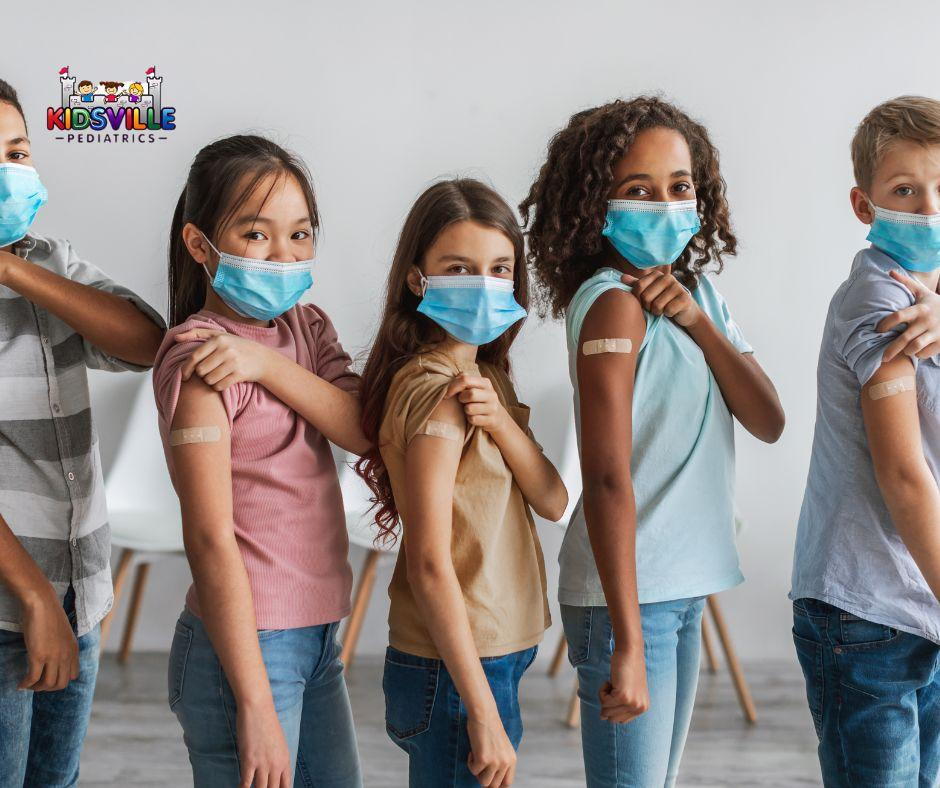
Summer is a time for endless fun under the sun, but it also brings specific health risks for children that vaccinations can help mitigate. The warmer weather draws kids outdoors where they interact closely, making them more susceptible to contagious illnesses like measles, chickenpox, and whooping cough. These diseases spread quickly in crowded places like playgrounds and pools, putting unvaccinated children at risk.
Additionally, travel during summer vacations can expose children to different environments and new people, increasing the chances of encountering infectious diseases. Whether you’re visiting relatives across the country or exploring new destinations abroad, ensuring your child’s vaccinations are current provides peace of mind and protects against unforeseen health threats.
Moreover, insect bites become more prevalent during summer, potentially leading to infections such as Lyme disease or West Nile virus. Vaccines like those for Lyme disease, when available, offer an extra layer of protection against these risks. Proper immunization not only safeguards your child’s health but also contributes to community immunity, reducing the overall spread of contagious diseases among peers and vulnerable populations.
3. Key Vaccines for Summer: What Your Child Needs
Summer vacations often mean crowded airports, theme parks, and beaches, where diseases like measles and mumps can easily spread. These highly contagious viruses can lead to serious complications, but thankfully, the MMR (measles, mumps, and rubella) vaccine provides robust protection. Ensure your child is up to date with their MMR vaccine, typically administered in two doses, to safeguard their health during summer adventures.
Guarding Against Varicella (Chickenpox)

Chickenpox might seem like a rite of passage for kids, but its itchy blisters can put a damper on summer fun. The varicella vaccine not only prevents the discomfort of chickenpox but also reduces the risk of complications such as bacterial infections or pneumonia. Most children receive two doses of the varicella vaccine, ensuring they stay itch-free and ready for all the outdoor activities summer brings.
Staying Safe with Tdap (Tetanus, Diphtheria, Pertussis)

As your child explores playgrounds and campsites, they may encounter cuts and scrapes where bacteria like tetanus can thrive. The Tdap vaccine not only protects against tetanus but also diphtheria and pertussis (whooping cough). These diseases can spread easily among children, especially in close quarters. Make sure your child’s Tdap vaccinations are up to date to keep them safe from these preventable illnesses throughout the summer.
Shielding Against HPV (Human Papillomavirus)

For older children and teenagers, the HPV vaccine is crucial in protecting against several types of cancer caused by human papillomavirus. Summer often brings more social activities and outdoor events where close contact is common. By completing the HPV vaccine series, typically administered in two or three doses depending on age, you’re not only safeguarding their health now but also reducing their risk of HPV-related cancers in the future.
Defending Against Hepatitis A and B

Traveling abroad or even within your own country can expose your child to hepatitis A and B, viral infections that affect the liver. The hepatitis A vaccine is recommended for all children, especially those traveling to regions where the virus is more common. Additionally, the hepatitis B vaccine protects against a potentially chronic infection that can lead to liver damage. Ensure your child’s vaccinations include both hepatitis A and B to keep their liver healthy and their summer travels worry-free.
Preventing Meningococcal Disease
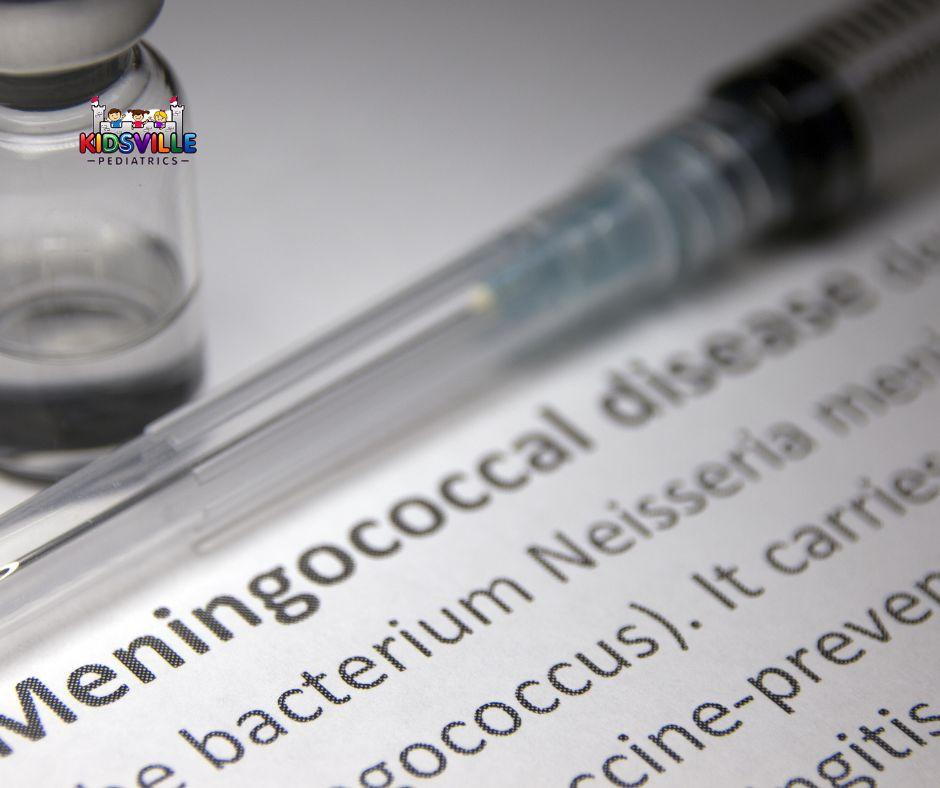
Meningococcal disease, caused by bacteria, can lead to severe infections such as meningitis or bloodstream infections. Summer camps, dormitories, and other communal settings increase the risk of transmission among children and teenagers. The meningococcal vaccine, usually given in a series of doses, helps protect against several strains of the bacteria. By staying current with their vaccinations, your child can enjoy summer activities with reduced risk of these serious infections.
Additional Recommendations and Considerations
In addition to these key vaccines, consider discussing other immunization needs with your pediatrician. Depending on your child’s age, health history, and travel plans, they may benefit from vaccines such as those for influenza, pneumococcal disease, or even COVID-19, depending on current recommendations.
Remember, vaccines not only protect your child but also contribute to community immunity, reducing the overall spread of preventable diseases. Stay informed about recommended immunizations and maintain regular visits with your pediatrician to ensure your child is fully protected and ready to make the most of their summer adventures. By prioritizing vaccinations, you’re investing in their health and well-being today and for years to come.
4. Debunking Myths: Common Misconceptions About Summer Vaccinations

One common myth is that vaccines weaken the immune system. In reality, vaccines strengthen your child’s immune response by introducing harmless versions of viruses or bacteria, priming their body to recognize and fight the real thing more effectively.
Another misconception is that vaccines cause autism. Extensive research has shown no link between vaccines and autism spectrum disorder. The ingredients in vaccines are carefully studied for safety, and the benefits of vaccination far outweigh any perceived risks.
Some parents worry that their child doesn’t need vaccines if they’re healthy or that natural immunity from contracting a disease is better. However, vaccines are designed to prevent illnesses before they occur, providing safer and more reliable protection than relying on the unpredictability of natural infection.
A common concern among parents is the number of vaccines given at once overwhelming a child’s immune system. Mckinney pediatricians carefully follow vaccination schedules to ensure they’re safe and effective, spacing out vaccines based on research and clinical guidelines.
Lastly, some believe that diseases like polio or measles are no longer a threat, making vaccination unnecessary. However, these diseases can still exist in communities with low vaccination rates, posing a risk to unprotected children.
By understanding the facts and dispelling myths, you empower yourself to make informed decisions about your child’s health. Vaccinations are a crucial tool in preventing diseases and ensuring a healthy summer full of outdoor fun and adventures.
5. Planning Ahead: Vaccination Schedule for Children

Planning ahead for the vaccination schedule for children is key to ensuring a safe and enjoyable summer. By scheduling vaccinations early, you avoid last-minute rushes and ensure your child is protected before the busy summer season begins. Discuss with your pediatrician which vaccines are due or recommended based on your child’s age, health history, and any upcoming travel plans. This proactive approach not only safeguards your child’s health but also provides peace of mind, knowing they’re ready to embrace all the fun activities summer offers without worry about preventable illnesses.
Consider the timing of vaccinations to allow for any possible side effects, such as mild soreness or low-grade fever, which are normal and usually subside quickly. By planning vaccinations strategically, you can minimize any potential disruptions to your child’s summer plans. If you’re planning a family vacation or sending your child to summer camp, check if specific vaccines are recommended for travel or required by the camp.
Remember, vaccines are a proactive measure that contribute to community immunity, protecting not just your child but also those around them who may be more vulnerable to certain diseases. Keep track of your child’s vaccination records and stay informed about any updates or new recommendations from health authorities.
By prioritizing vaccination scheduling now, you set the stage for a healthy and worry-free summer filled with sunshine, adventures, and cherished memories for your child.
6. Preparing for Travel: Vaccination Recommendations for Vacation
As you plan your family’s summer getaway, it’s essential to consider vaccination recommendations to ensure a safe and healthy trip. Depending on your destination, specific vaccines may be recommended to protect against diseases prevalent in that region. For tropical destinations, vaccines like hepatitis A and typhoid can safeguard against food and waterborne illnesses. These vaccines not only protect your child but also ensure that everyone enjoys their vacation to the fullest without concerns about preventable diseases.
If you’re traveling internationally, research the vaccination schedule and requirements of your destination well in advance. Some countries may require proof of certain vaccinations before entry, so checking with your Mansfield pediatrician or a travel health clinic is crucial to avoid any last-minute surprises.
For outdoor adventures in wilderness areas or camping trips, consider vaccines for diseases like rabies or tick-borne illnesses such as Lyme disease, depending on the local risks. These vaccines provide an added layer of protection against potential health hazards encountered in nature.
Remember, vaccines typically require some time to become effective in your child’s system, so plan ahead and schedule vaccinations well before your departure date. This proactive approach ensures your child is fully protected by the time you embark on your adventure.
By prioritizing vaccinations as part of your travel preparations, you’re not only safeguarding your child’s health but also promoting a worry-free and enjoyable vacation for the whole family. Stay informed, plan ahead, and focus on creating lasting memories while exploring new destinations with peace of mind.
7. Consulting Your Pediatrician: Individualized Vaccination Advice
When it comes to child health, consulting your pediatrician for personalized vaccination advice is key. Every child is unique, and their vaccination needs may vary based on factors like age, medical history, and current health status. Your pediatrician is your trusted partner in ensuring your child receives the right vaccines at the right time.
During your visit to the best pediatrician in McKinney TX, discuss any concerns or questions you have about vaccines. Your pediatrician can provide evidence-based information, address misconceptions, and help you make informed decisions that align with your family’s values and health goals.
If your child has specific health conditions or allergies, your pediatrician can recommend appropriate vaccines or adjustments to the vaccination schedule to ensure safety and effectiveness. They can also advise on any additional vaccines that may be beneficial based on your child’s lifestyle, travel plans, or community outbreaks.
Regular pediatric care through check-ups provide opportunities to review your child’s vaccination records and ensure they are up to date with recommended immunizations. This proactive approach not only protects your child but also contributes to community immunity, reducing the spread of vaccine-preventable diseases.
By consulting your pediatrician Southlake professionals for individualized vaccination advice, you empower yourself with the knowledge and confidence to make informed decisions that prioritize your child’s health and well-being. Together with your pediatrician, you can create a personalized vaccination plan that supports your child’s growth, development, and readiness for a healthy and active summer and beyond.
Conclusion
Summer is here so it’s crucial to wrap up our discussion on vaccinations with a clear understanding of how they safeguard your child during this vibrant season. By ensuring your child is up to date with their vaccinations, including those recommended for summer activities and travel, you’re not only protecting their health but also promoting a safer environment for everyone around them. Vaccines like MMR and varicella shield against common childhood illnesses, allowing your child to fully immerse themselves in summer adventures without the worry of missed moments due to preventable diseases.
Remember, vaccination is not just a personal choice but a community responsibility. By maintaining regular check-ups with your pediatrician and staying informed about vaccination schedules, you contribute to the collective effort in reducing the spread of contagious diseases. It’s reassuring to know that your proactive approach to vaccination schedule ensures your child can explore new destinations, make friends at camp, and enjoy outdoor playdates with confidence and resilience.


