

Imagine a world where your child faces every challenge with a smile, bounces back from setbacks with ease, and approaches each day with unwavering confidence. What if you could unlock the secrets to nurturing this resilient spirit within your own home? Raising a confident and happy child in today’s fast-paced, ever-changing world might seem daunting, but it’s within your reach.
Picture your child stepping into life’s adventures with a sense of optimism, seeing opportunities in every obstacle, and growing stronger with each experience. The key lies in building resilience—a foundational skill that not only enhances their self-belief but also prepares them to navigate the unpredictable twists and turns of life.
Have you ever wondered how some children seem to thrive under pressure while others struggle to cope? The answer is not about shielding them from every disappointment or failure. Instead, it’s about equipping them with the mindset and tools to turn setbacks into comebacks. Imagine empowering your child with the ability to see failures as stepping stones, fostering a sense of independence, and celebrating their efforts along the way.
Are you ready to discover the parenting practices that can shape your child’s ability to handle stress and adversity? What if you could teach them problem-solving skills and emotional regulation, boosting their confidence and happiness simultaneously?
Join us on a journey to explore how you can transform your parenting approach and unlock your child’s potential for resilience. Together, we will uncover strategies to create a supportive environment, model resilient behaviors, and encourage a growth mindset. Get ready to guide your child towards a future filled with confidence, joy, and an enduring sense of self-worth. Remember, having a supportive network that includes pediatricians and knowing where to answer the query – pediatrician near me – can be crucial in aiding you in your journey.
Building a Supportive Home Environment

Creating a supportive home environment is like building a cozy, strong nest where your child can grow, explore, and thrive. Imagine your home as a sanctuary filled with warmth, love, and encouragement. This nurturing atmosphere is essential in helping your child develop resilience, the ability to bounce back from challenges and setbacks. Picture the days filled with laughter, open conversations, and a sense of security. Every hug, kind word, and shared moment becomes a building block for your child’s confidence and emotional strength. Remember, having a supportive network that includes your pediatric office and knowing where to find a pediatrician near you can be crucial in aiding you in your journey.
Think about the little things you do every day that create a positive home environment. Simple acts like eating meals together, reading bedtime stories, or even tackling chores as a team can foster a sense of belonging and stability. It’s in these moments that children learn to feel valued and understood, knowing they have a safe place to return to, no matter what the world throws at them. Your reactions to their achievements and disappointments teach them how to handle their own emotions. When you celebrate their successes and comfort them through failures, you’re modeling resilience and showing them it’s okay to make mistakes and try again.
Consistency is key. Establishing routines and traditions, whether it’s a weekly game night or a special way to celebrate birthdays, gives children something to look forward to and rely on. These routines create a predictable environment that helps reduce anxiety and build trust. Encouraging open communication is another vital aspect. Let your child express their feelings and thoughts without fear of judgment. By listening and validating their emotions, you teach them that their feelings matter and equip them with the tools to handle life’s ups and downs.
Your supportive home environment becomes the fertile ground where resilience can take root and flourish, preparing your child for a world full of possibilities.
Modeling Resilient Behaviors

Kidsville Pediatrics believes that modeling resilient behaviors is all about demonstrating how to handle adversity with grace and grit. When you face tough times, your child is watching and learning from your reactions. Show them that setbacks are just stepping stones to success by keeping a positive attitude and finding solutions.
Think about the previous time you faced a highly stressful situation. Did you tackle it head-on, break it down into manageable parts, and stay calm? By showing your child that stress can be managed, you teach them that no problem is too big to handle. When they see you staying composed and taking action, they learn that resilience means not giving up when things get tough.
It’s also important to talk openly about your own challenges and how you overcome them. Share stories from your day, whether it’s a tricky project at work or dealing with a difficult situation. Discussing these experiences shows your child that everyone faces obstacles and that it’s normal to encounter difficulties. More importantly, it shows them that resilience is about persistence and finding ways to move forward.
Celebrate your small victories and let your child see that progress, not perfection, is the goal. This helps them understand that resilience involves appreciating the journey and recognizing efforts. Encourage them to try new things and reassure them that failure is just a part of learning. When they see you embracing new challenges and learning from mistakes, they will feel empowered to do the same.
By modeling resilient behaviors, you’re giving your child a powerful toolkit to navigate life’s ups and downs. Your actions teach them that resilience isn’t about avoiding difficulties, but about facing them with courage and confidence. Your example becomes their guide, showing them how to thrive in a world full of challenges.
Encouraging a Growth Mindset

First, you sit down together and talk about how everyone makes mistakes, even adults. You share a story about when you failed at something but learned from it. Then, you gently remind your child that their intelligence isn’t fixed – it can grow with effort and practice.
Next, you encourage them to approach the situation differently. Instead of viewing the failed test as a sign of incompetence, they should see it as a challenge to overcome. You brainstorm together about strategies they can use to improve their math skills, like practicing regularly or seeking help from a teacher.
You also emphasize the importance of perseverance. Remind your child that success rarely comes easily, and setbacks are just part of the journey. Prod them to keep keep improving, even when things get tough.
Throughout the process, be sure to praise their efforts, not just their achievements. Celebrate every small victory along the way, whether it’s mastering a difficult concept or simply showing determination in the face of adversity.
By fostering a growth mindset in your child, you’re equipping them with the tools they need to thrive in school and beyond. With your guidance and support, they’ll learn to embrace challenges as opportunities for growth and discovery. And who knows? That crumpled math test might just be the catalyst for their greatest success yet.
Teaching Problem-Solving Skills

Start by asking open-ended questions to guide their thinking. “How could you get past that gap?” you might prompt. Encourage them to brainstorm different strategies, like using a different route or asking a friend for help.
As they weigh their options, resist the urge to intervene too quickly. Let them experiment and make mistakes – that’s how they’ll learn and grow. Offer support and encouragement from the sidelines, but let them take the lead in finding a solution.
Once they’ve successfully conquered the obstacle, celebrate their victory together. Acknowledge their perseverance and ingenuity, reinforcing the idea that they’re capable of overcoming challenges on their own.
Beyond the playground, you can incorporate problem-solving into everyday activities. Encourage your child to help brainstorm solutions to household problems, like figuring out how to reach an item on a high shelf or resolving a conflict with a sibling.
You can also introduce games and puzzles that require critical thinking and creativity. From building block towers to solving riddles, these activities are not only fun but also help sharpen problem-solving skills.
By empowering your child to tackle obstacles independently, you’re setting them up for success in school, relationships, and life. With your guidance and support, they’ll learn to approach challenges with confidence and resilience, knowing that they have the skills to overcome whatever comes their way.
Promoting Emotional Regulation

Begin by aiding your child to identify what they’re currently feeling. Ask questions like, “Are you feeling sad because your toy broke?” This simple act of labeling emotions can help them make sense of what they’re experiencing. Good pediatric care can also help you with this.
Next, teach them coping strategies to manage their emotions in healthy ways. Take deep breaths together, count to ten, or try squeezing a stress ball. These techniques can help calm their nervous system and bring their emotions back under control.
Coax your child to express their emotions through written words or art. Offer them a journal where they can write or draw about what’s bothering them. This can provide a safe outlet for their emotions and help them process their feelings more effectively.
Model healthy emotional regulation yourself. Let your child see you managing your own emotions in positive ways, whether it’s taking a break when you’re feeling overwhelmed or talking through your feelings with a friend.
Create a calm and supportive environment at home. Set clear expectations for behavior and provide plenty of opportunities for your child to practice self-regulation. Praise their efforts when they handle their emotions well, and offer guidance and support when they struggle.
Above all, be patient and understanding. Learning to regulate emotions is a process, and it’s okay for your child to have ups and downs along the way. With your help and support, they’ll develop the skills they need to navigate the rollercoaster of emotions that is childhood.
Building Independence and Self-Efficacy

As a parent, fostering autonomy in your child is one of the greatest gifts you can give them. Begin by assigning age-appropriate duties around the house. Let them help with simple tasks like setting the table or putting away their toys. Not only does this teach them valuable life skills, but it also boosts their confidence and sense of competence.
Encourage your child to make decisions for themselves whenever possible. Offer them choices, like what to wear or what snack to have, and respect their decisions. This helps them develop decision-making skills and gives them a sense of control over their own lives.
Allow your child to take risks and even to make some mistakes. It’s natural to want to protect them from failure, but it’s important for their growth and development to experience setbacks and learn from them. Offer support and guidance when needed, but resist the urge to swoop in and fix things for them.
Praise your child’s efforts, not just their achievements. Celebrate their attempts at independence, even if they don’t always succeed. Encourage them to keep trying and remind them that it’s okay to ask for help when they need it.
Above all, be patient and supportive as your child learns to navigate the world on their own. Building independence and self-efficacy takes time, but with your guidance and encouragement, they’ll grow into confident, capable individuals ready to take on whatever challenges life throws their way.
Celebrating Efforts and Small Wins
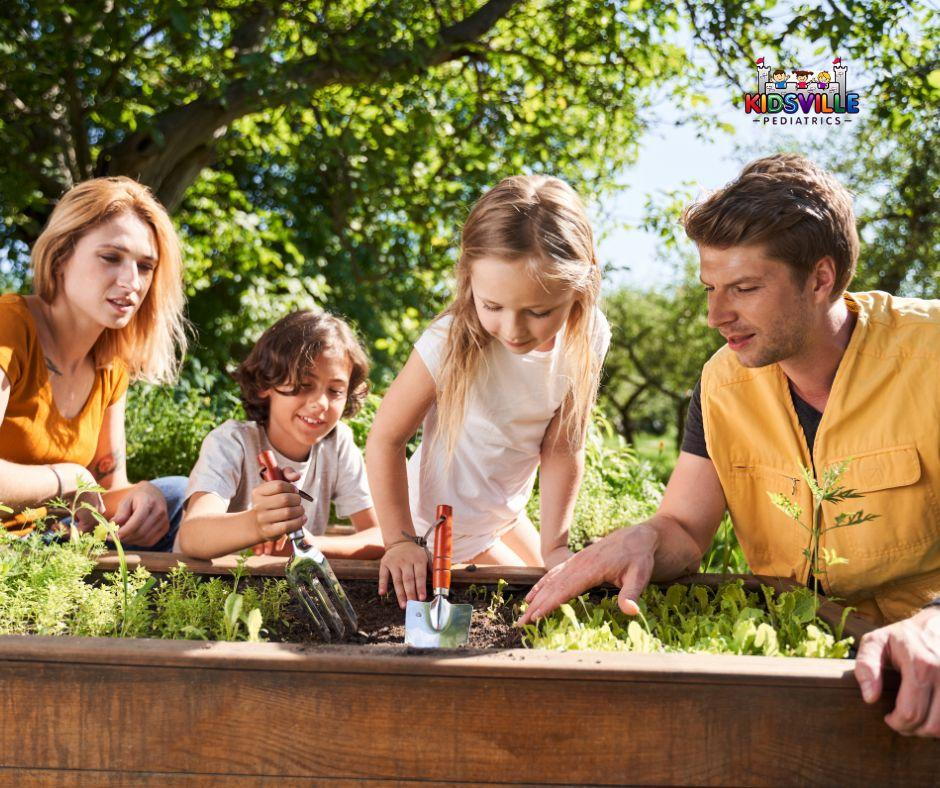
It’s a small victory, but it fills them with pride and joy. As a parent, celebrating these efforts and small wins is crucial for your child’s development.
Instead of focusing solely on achievements, shift your attention to the process. Recognize and applaud the effort your child puts into their tasks, whether it’s studying for a test, practicing a new skill, or overcoming a challenge.
Recognize their progress and growth, no matter how minute they may seem. Maybe they’re getting better at sharing toys with their siblings or showing more patience when waiting in line. These may seem like minor accomplishments, but they’re significant steps toward building character and resilience.
Emphasize the importance of perseverance and resilience. Encourage your child to keep trying, even when things get tough. Remind them that setbacks are a natural part of learning and that it’s okay to make mistakes along the way.
Create a culture of celebration at home. Make a big deal out of your child’s achievements, whether it’s with high-fives, hugs, or a special treat. Let them know that their efforts mean something and that they are valued and appreciated.
Lead by example by celebrating your own small wins. Whether you finally finish that DIY project or conquer a fear of public speaking, share your successes with your child and show them that effort and perseverance pay off.
By celebrating efforts and small wins, you’re teaching your child valuable lessons about resilience, determination, and self-worth. With your support and encouragement, they’ll learn to embrace challenges with confidence and optimism, knowing that their efforts are always worth celebrating. Remember, having a trusted doctor in Mansfield and accessing quality pediatrics in Mansfield can also provide essential support in nurturing your child’s overall well-being and development.
Conclusion

In conclusion, raising a confident and happy child is about more than just protecting them from adversity – it’s about equipping them with the tools and mindset to navigate life’s challenges with resilience and optimism. As a parent, you play a crucial role in fostering these qualities in your child.
By building a supportive home environment, you create a foundation where resilience can take root and flourish. Through simple acts of love, communication, and shared experiences, you help your child feel valued and understood, giving them the confidence to face whatever comes their way.
Modeling resilient behaviors is equally important. By demonstrating how to handle setbacks with grace and perseverance, you show your child that resilience is a skill that can be learned and practiced. Celebrating your own small victories and sharing stories of overcoming obstacles help reinforce this message and inspire your child to embrace challenges with confidence.
Encouraging a growth mindset is key to instilling resilience in your child. By teaching them to view failures as opportunities for growth and learning, you empower them to approach challenges with optimism and determination. Celebrating their efforts and small wins along the way reinforces this mindset, showing them that their hard work and perseverance are always worth celebrating.
In the end, raising a resilient child is a journey filled with ups and downs. There will be setbacks and challenges along the way, but with your love, guidance, and support, your child will develop the confidence and resilience they need to thrive in an ever-changing world. So keep celebrating those efforts and small wins, and watch as your child grows into a confident, resilient, and happy individual.



