
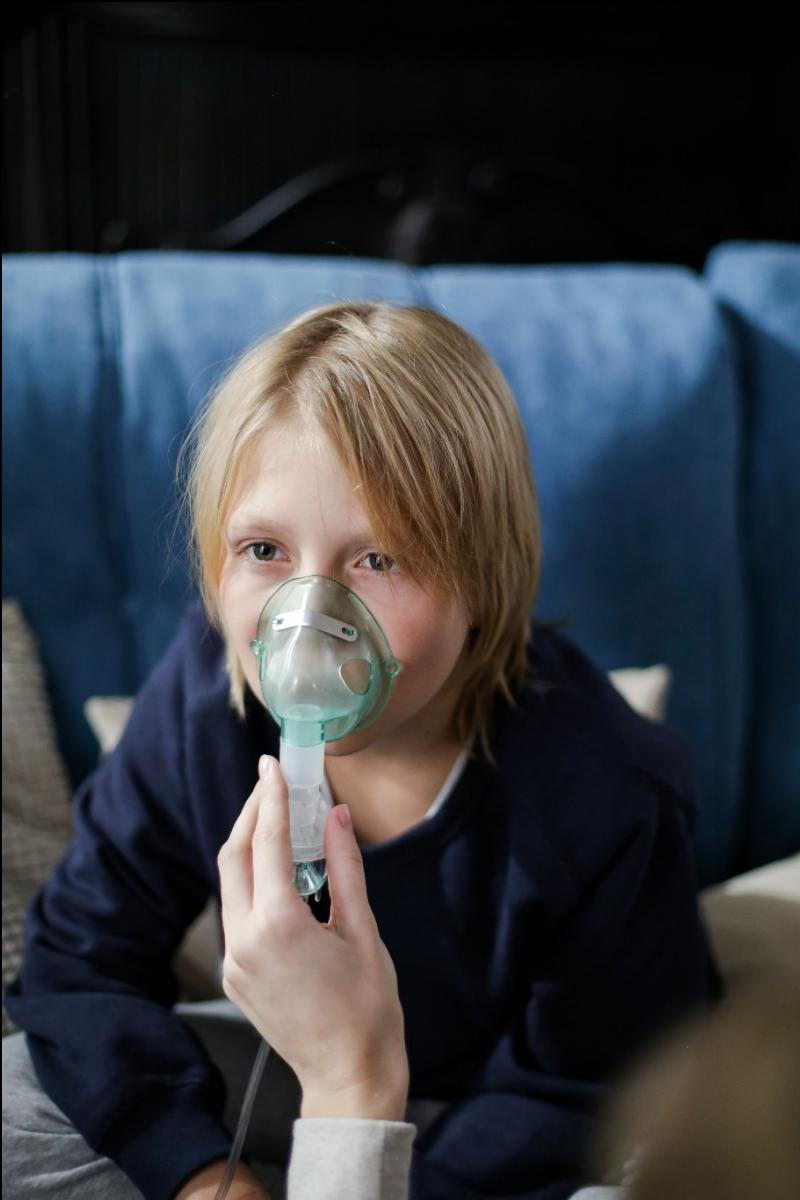
Yes. A child with asthma that is well controlled plays sports, sleeps through the night, attends school full-time, and grows into an adult with no restrictions on career or activity. Asthma limits a child’s life when it is undertreated, not because the diagnosis exists. Control is what makes life normal.
The discharge papers say “asthma,” and somewhere between the pharmacy and your driveway you have already decided your child is finished with soccer. Before you cancel anything, it is worth knowing what asthma actually restricts, which for most children is very little.
In this article
- What a normal life actually looks like
- How do I know if my child’s asthma is under control?
- Five things that keep life normal
- What about sports and school?
- When is asthma not under control?
- Frequently asked questions
What does a normal life look like for a child with asthma?

It looks unremarkable, which is the goal. Specifically, when asthma is well controlled your child should be able to:
- Take part fully in PE, recess, and competitive sport, including endurance sports
- Sleep through the night without coughing or waking to breathe
- Miss no school for asthma symptoms
- Skip no activity because of breathing, including sleepovers, camp, and travel
- Need a rescue inhaler no more than about twice a week, not counting doses taken before exercise if a clinician has prescribed that
That last item is the one parents find clarifying. Frequent rescue inhaler use is not evidence that asthma is being managed well. It is the standard signal that it is not, and it is measurable at home without any equipment (NHLBI, Asthma).
How do I know if my child’s asthma is under control?
Think about the past four weeks and answer four questions:
- Did your child have daytime coughing, wheezing, chest tightness, or shortness of breath more than twice a week?
- Did asthma wake your child at night, even once?
- Did your child need the rescue inhaler more than twice a week, excluding pre-exercise doses?
- Did asthma stop your child from doing anything they wanted to do?
Four noes means the asthma is well controlled and life should genuinely look normal. Any yes is worth an appointment, not because something has gone wrong, but because the treatment plan probably needs adjusting and that is routine work.
In our experience at Kidsville, families dramatically underreport night symptoms, because a child who coughs at 2am for twenty minutes and goes back to sleep does not feel like a problem worth mentioning. It is the single most useful thing to track.
Five things that keep a child with asthma living normally
None of these are complicated. All five are commonly skipped.
Give the daily controller medication every day, if one is prescribed. Controller medication works by reducing airway inflammation over time, so it has to be taken on days when your child feels completely fine. Stopping it because nothing is wrong is the most common reason asthma stops being controlled.
Learn which triggers apply to your child, not all of them. Viral colds, dust mites, pets, tobacco smoke, cold air, pollen, and exercise are the usual suspects, but no child reacts to all of them. Two or three matter for any individual child, and identifying those beats renovating your house.
Get a written asthma action plan, and hand out copies. School nurse, daycare, grandparents, coaches, anyone who watches your child overnight. A plan sitting in a drawer at home protects nobody.
Have inhaler technique checked at every visit. A large share of “the medication isn’t working” turns out to be technique, spacer use, or a device that has been empty for a month. Bring the actual inhaler and spacer to appointments and let us watch your child use it.
Keep well visits and flu vaccination current. Respiratory infections are a leading trigger of asthma flares in children, which makes routine immunizations part of asthma management rather than a separate errand.
What about sports and school?
Exercise is not something a child with asthma should avoid. Physical activity improves lung function and fitness, and children whose asthma is well controlled compete at every level, including elite sport. Symptoms triggered by exertion are common and generally manageable, often with a rescue inhaler taken before activity when a clinician has prescribed it that way.
School works the same way. Federal law supports accommodations where they are needed, and most children need very little beyond a plan on file and access to their inhaler (CDC, Asthma).
When is asthma not under control?
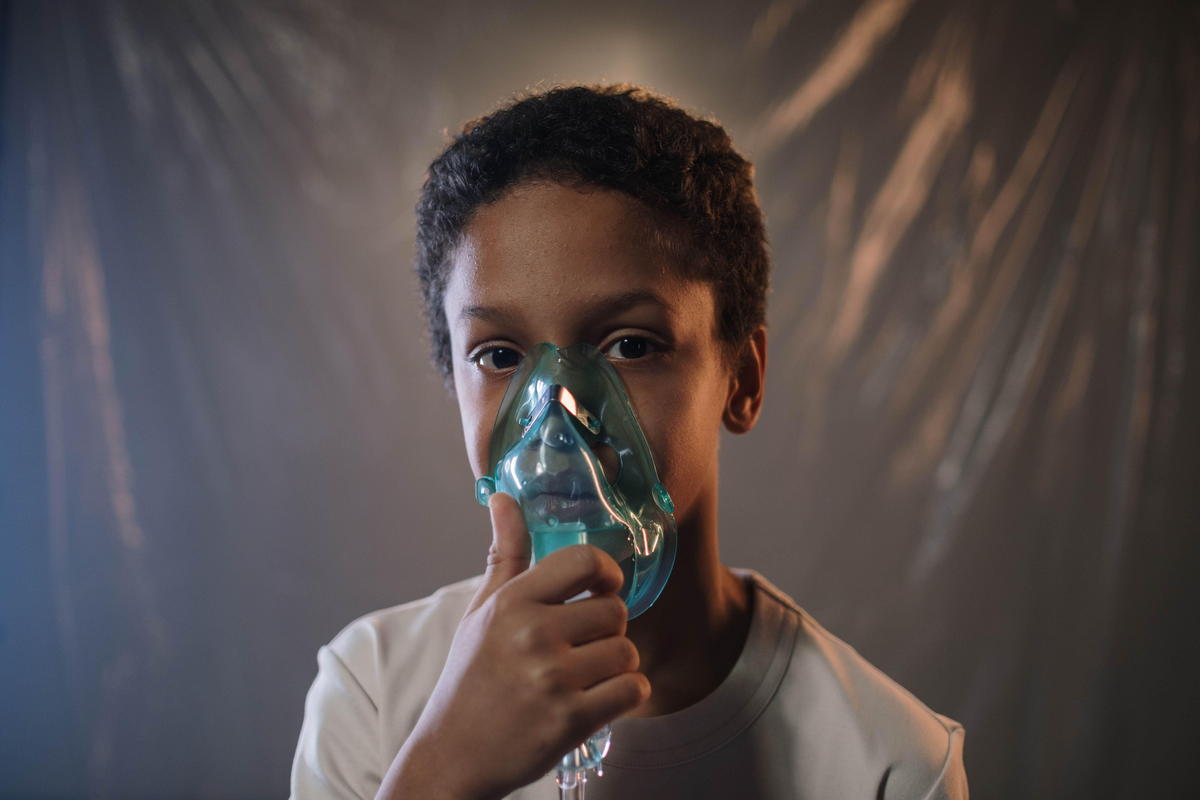
Book an appointment if any of these apply:
- Rescue inhaler needed more than twice a week
- Any night waking from asthma
- School missed for breathing symptoms
- More than one course of oral steroids in a year
- Any emergency room visit or urgent care visit for asthma
- Activity being quietly avoided, which children often do without telling anyone
That last one is easy to miss. Children rarely announce that they have stopped trying out for teams or stopped keeping up on the playground. They just stop, and it gets read as a change in interests. Ask directly.
Separately, some symptoms need care immediately rather than an appointment: struggling to speak in full sentences, skin pulling in between the ribs or at the neck with each breath, lips or fingernails looking grey or blue, or a rescue inhaler that is not helping. Those mean emergency care or 911, not a phone call.
Frequently asked questions
Will my child outgrow asthma?
Some children have symptoms that quiet down substantially through adolescence, and others carry asthma into adulthood. Airway sensitivity often persists even when symptoms fade, which is why a teenager who has been symptom-free for years can flare during a bad respiratory illness. It is a reasonable question to revisit with us every few years rather than something to settle now.
Does long-term asthma medication affect my child’s growth?
Inhaled controller medications have been studied extensively for this, and the effect on growth is small and largely limited to the first years of treatment, with minimal impact on final adult height (HealthyChildren.org, Asthma). Uncontrolled asthma also affects growth, sleep, and school performance. Bring the question to a visit so we can weigh it against your child’s real treatment plan rather than in the abstract.
Can my child with asthma still get vaccinated?
Yes, and the annual flu vaccine is particularly recommended for children with asthma, because respiratory infections are one of the most reliable triggers of a flare.
This article is general educational information based on CDC, NHLBI, and AAP guidance and is not a substitute for individualized medical advice about your child. If your child is struggling to breathe, cannot speak in full sentences, or is not responding to a rescue inhaler, seek emergency care immediately.
Let’s get your child’s asthma properly controlled
If any of the four control questions came back as a yes, that is worth an appointment rather than a wait-and-see. Bring the inhaler and the spacer. Book at kidsvillepeds.com/appointment, or see what we cover at a routine visit on our Well-Child Visits page. You can also call the office nearest you:
- Mansfield: (682) 341-3910
- Southlake: (682) 345-8010
- McKinney: (469) 885-9400
Tags:
Asthma,
Child Health,
Pediatric Care,
Pediatric Health,
Asthma Management,
Childhood Asthma


