
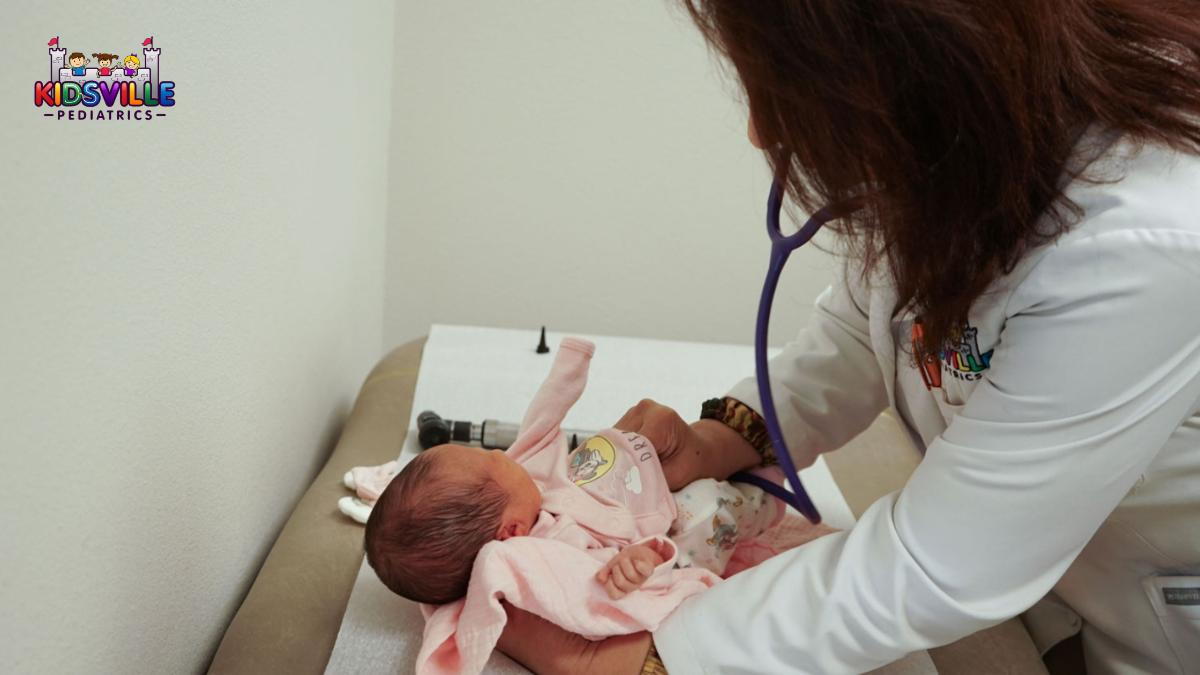
Well-Child Visits Explained: Why Preventive Pediatric Care Is Essential for Your Child’s Health
Well-child visits are one of the most important components of pediatric healthcare. These routine appointments are designed not only to treat illness but to prevent it, track development, and ensure children are growing and thriving.
What Is a Well-Child Visit?
A well-child visit is a scheduled checkup where a pediatrician evaluates a child’s:
- Growth (height, weight, BMI)
- Developmental milestones
- Physical health
- Emotional and behavioral well-being
- Immunization status
These visits occur at regular intervals from infancy through adolescence.
Why Preventive Care Matters
Preventive care focuses on identifying potential health concerns early—often before symptoms appear. Early detection allows for faster intervention and better outcomes.
It also helps establish a long-term health baseline for each child, making it easier to detect changes over time.
What Happens During a Visit?
A typical well-child appointment may include:
1. Physical Examination
The pediatrician checks:
- Heart and lungs
- Eyes, ears, and throat
- Growth measurements
- Overall physical condition
2. Developmental Screening
This assesses:
- Motor skills
- Language development
- Social behavior
- Cognitive milestones
3. Vaccinations
Immunizations are reviewed and updated according to recommended schedules to protect against serious diseases.
4. Health and Lifestyle Discussion
Pediatricians discuss:
- Nutrition
- Sleep habits
- School performance
- Emotional health
- Safety concerns
Why Consistency Matters
Regular visits allow pediatricians to track changes over time. Even when a child appears healthy, these appointments ensure they remain on a healthy developmental trajectory.
Skipping visits can delay detection of:
- Growth concerns
- Learning delays
- Behavioral issues
- Nutritional deficiencies
Supporting Parents Through Each Stage
Parenting comes with evolving questions at every stage of childhood. Well-child visits provide a space to address concerns, from infancy sleep patterns to teenage mental health.
They also help parents feel more confident in managing everyday health decisions.
Preparing for a Well-Child Visit
To make the most of the appointment:
- Bring a list of questions
- Track concerns ahead of time
- Note changes in behavior or health
- Bring immunization records if needed
The Long-Term Impact of Preventive Care
Children who receive consistent preventive care are more likely to:
- Maintain healthier growth patterns
- Receive timely vaccinations
- Develop healthier habits
- Experience earlier intervention when needed
Preventive care is one of the most effective tools in pediatric medicine, ensuring children have the strongest possible foundation for lifelong health.


