
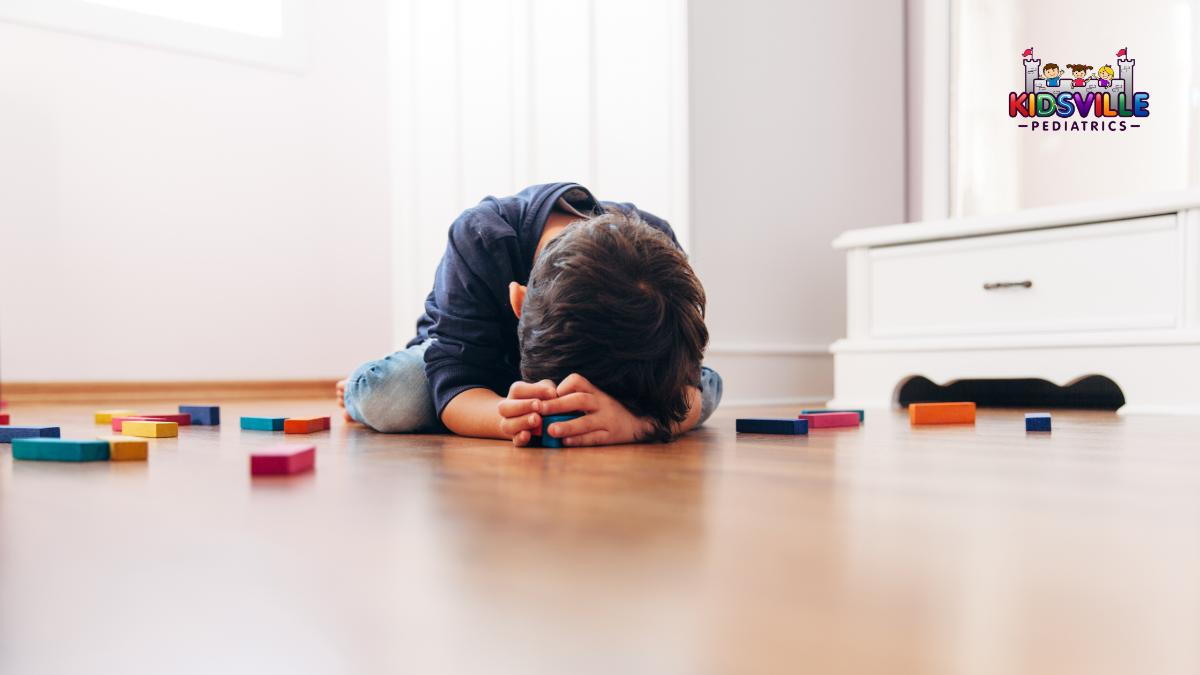
Introduction: Childhood Burnout Is Becoming a Real Concern
For years, burnout was considered an adult problem associated with careers and workplace stress. Today, however, pediatricians, educators, and mental health professionals are seeing a rise in emotional exhaustion among children and teenagers.
In 2026, many children face packed schedules, academic pressure, social media influence, competitive extracurricular activities, and constant digital stimulation. While these opportunities can be beneficial, they may also create chronic stress that overwhelms a child’s developing emotional system.
Parents are increasingly searching for answers when children begin showing signs of irritability, fatigue, anxiety, or withdrawal. Understanding childhood burnout early can help families intervene before symptoms worsen.
What Is Childhood Burnout?
Childhood burnout refers to a state of physical, emotional, and mental exhaustion caused by prolonged stress and overstimulation.
Unlike occasional tiredness or frustration, burnout affects a child’s overall ability to function and cope with everyday responsibilities.
Children experiencing burnout may feel:
- Constantly overwhelmed
- Emotionally drained
- Unmotivated
- Disconnected from activities they once enjoyed
Burnout can affect school performance, social relationships, sleep quality, and emotional regulation.
Why Childhood Burnout Is Increasing in 2026
Several modern lifestyle trends contribute to rising stress levels in children.
1. Overscheduled Routines
Many children move from school directly into tutoring, sports, music lessons, or enrichment activities with little downtime.
While structured activities can support growth, excessive scheduling leaves minimal time for:
- Free play
- Rest
- Emotional decompression
Children need unstructured time to process experiences and recharge mentally.
2. Academic Pressure
Competitive academic environments continue to intensify.
Even elementary-age children may feel pressure related to:
- Standardized testing
- Grades
- Performance expectations
- Future success
Some children internalize these expectations and develop chronic anxiety around achievement.
3. Social Media and Digital Comparison
Social media exposure affects children at increasingly younger ages.
Constant online comparison can contribute to:
- Low self-esteem
- Fear of missing out
- Anxiety
- Social stress
Children may feel pressure to appear perfect socially, academically, or physically.
4. Reduced Sleep Quality
Late-night screen use and overstimulation contribute to poor sleep habits.
Insufficient sleep affects:
- Mood regulation
- Focus
- Stress tolerance
- Emotional resilience
Sleep deprivation alone can significantly worsen burnout symptoms.
Signs of Burnout in Children
Burnout symptoms may vary by age and personality.
Emotional Symptoms
- Irritability
- Frequent emotional outbursts
- Increased sensitivity
- Anxiety or sadness
- Loss of motivation
Physical Symptoms
- Fatigue
- Headaches
- Stomachaches
- Difficulty sleeping
Behavioral Symptoms
- Withdrawal from activities
- Declining school performance
- Avoidance behaviors
- Increased screen dependence
Children often express emotional distress physically or behaviorally rather than verbally.
How Burnout Differs From Laziness
Burnout is not laziness or lack of discipline.
Children experiencing burnout are often:
- Mentally overloaded
- Emotionally exhausted
- Struggling to cope
Punishment or criticism may worsen symptoms instead of helping.
Supportive conversations and balanced expectations are far more effective.
The Importance of Emotional Validation
Children need to feel heard and understood.
Parents can help by:
- Listening without immediate judgment
- Acknowledging emotions
- Avoiding minimizing phrases like “You’re fine”
- Encouraging open communication
Validation helps children feel emotionally safe.
Building Healthier Routines
Preventing burnout requires balance.
Prioritize Rest
Children need downtime just as much as productivity.
Limit Overscheduling
Avoid filling every hour with structured activities.
Encourage Outdoor Play
Physical activity and nature exposure improve emotional health.
Protect Sleep Routines
Consistent bedtime schedules support emotional regulation.
When to Seek Professional Support
Parents should consider professional evaluation if symptoms:
- Persist for weeks
- Affect daily functioning
- Lead to severe emotional distress
- Include self-isolation or hopelessness
Early intervention supports healthier coping skills.
Final Thoughts
Childhood burnout is becoming increasingly common, but it is manageable with awareness, support, and balance.
Children thrive when they feel emotionally safe, well-rested, and supported—not constantly pressured to perform.
Recognizing early signs allows families to protect both mental wellness and long-term development.


