
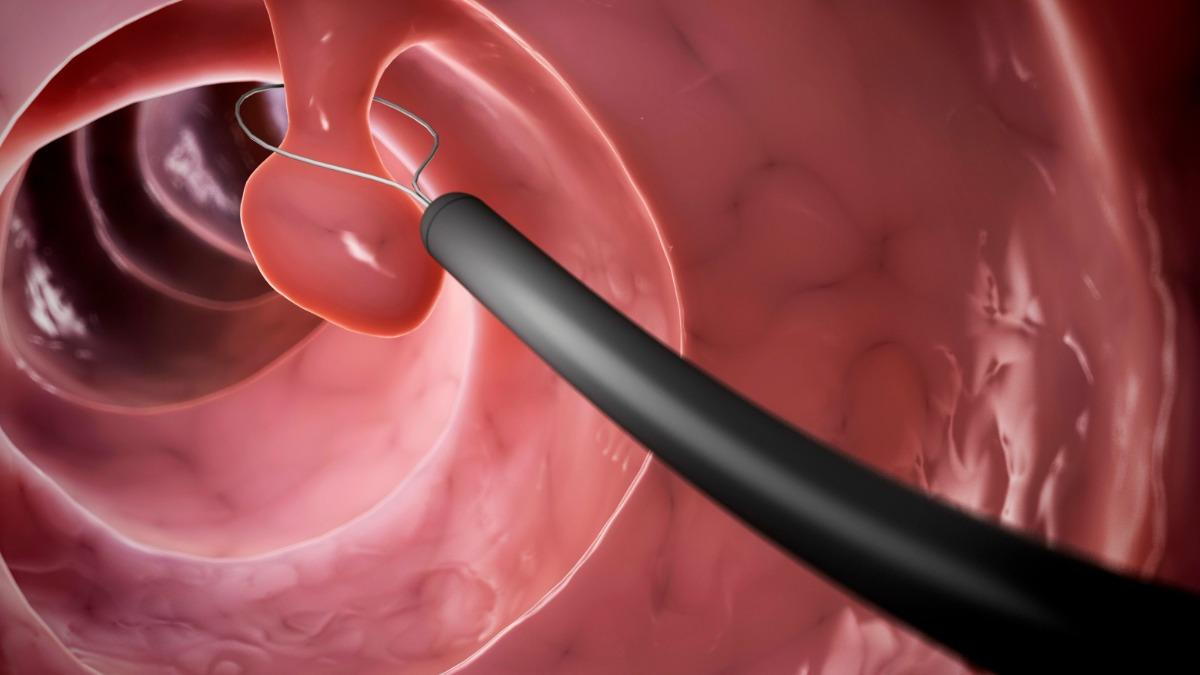
Nasal polyps are not often talked about in everyday pediatric care, but they can quietly cause a range of uncomfortable symptoms for children and teens. These soft, noncancerous growths form in the lining of the nasal passages or sinuses due to ongoing inflammation.
While more common in adults, nasal polyps can develop in children, especially those with chronic allergies, asthma, or immune-related issues. Understanding what they are, how to recognize the signs, and when to seek treatment can help parents stay ahead of this often-overlooked condition.
Recognizing Nasal Polyps in Children

Children with nasal polyps may not always be able to express what they’re feeling. That’s why it’s important for parents to consult a trustworthy Southlake clinic to watch for signs that may indicate something is affecting their child’s nasal passages. These symptoms can include:
-
Constant nasal congestion
-
Runny nose that doesn’t go away
-
Breathing through the mouth
-
Reduced or lost sense of smell
-
Snoring or disturbed sleep
-
Frequent sinus infections
-
Postnasal drip or cough
In younger children, persistent stuffiness or difficulty breathing through the nose can even affect speech development or eating habits.
It’s important to note that nasal polyps are different from the occasional swelling caused by a cold or allergy flare-up. These are chronic polyps and often associated with long-term inflammation in the sinuses or nose.
Causes and Risk Factors
So, why do nasal polyps appear? They tend to develop when the nasal lining remains inflamed for long periods. This can happen for several reasons in children:
-
Chronic allergies such as hay fever
-
Asthma, especially poorly controlled cases
-
Cystic fibrosis, a genetic condition that thickens mucus and leads to sinus blockages
-
Aspirin sensitivity, though less common in younger children
-
Frequent sinus infections that don’t fully resolve
Children with immune system issues or structural problems in their nasal passages may also be at greater risk, especially those monitored by Southlake doctors.
If your child has cystic fibrosis, it’s especially important to be alert to the possibility of nasal polyps. Up to half of children with this condition develop polyps in their nasal or sinus cavities.
Diagnosing Nasal Polyps in Kids
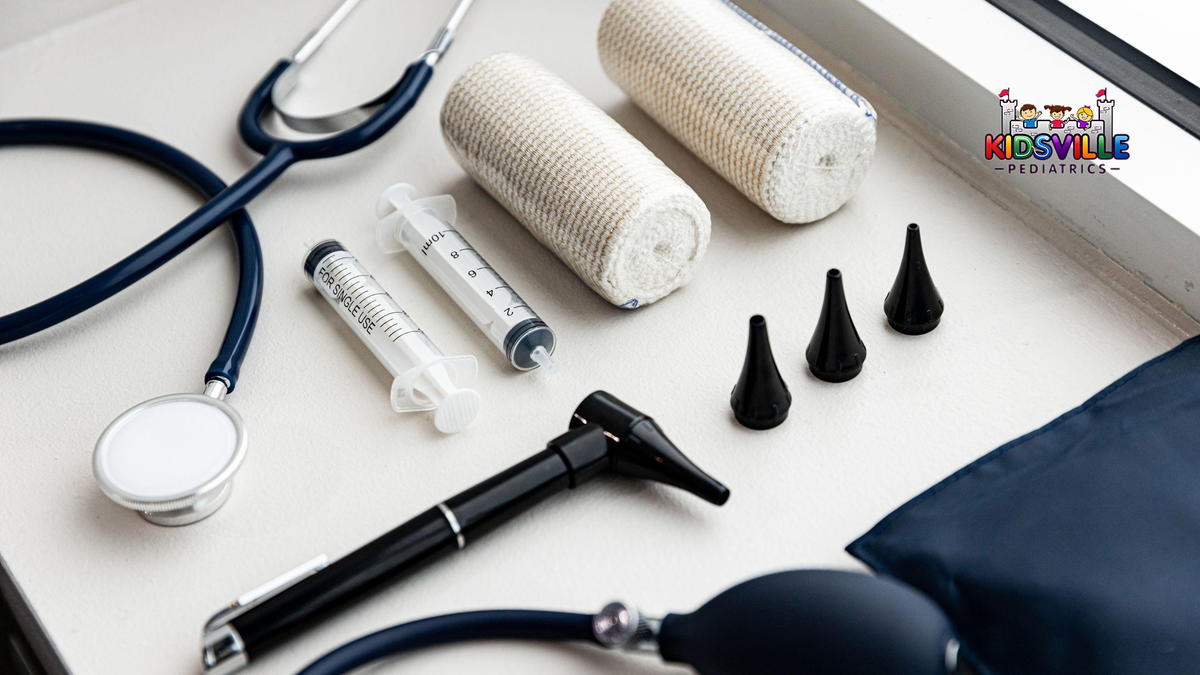
If your child is showing signs of ongoing nasal discomfort or chronic sinus infections, your pediatrician or an ENT (ear, nose, and throat) specialist might suggest an examination for nasal polyps.
A diagnosis usually begins with a physical exam and a review of your child’s symptoms. In some cases, a small instrument called a nasal endoscope may be used to look deeper into the nasal passages. Imaging tests like a CT scan can also help identify the size and location of the polyps, and rule out other issues like sinus infections or tumors.
For children, doctors may also recommend testing for allergies, cystic fibrosis, or immune disorders if the polyps appear unusually early or frequently return.
Treatment Options for Children

The goal of treatment is to reduce the size of the nasal polyps, relieve symptoms, and prevent recurrence. Here’s how it might look like on a child:
-
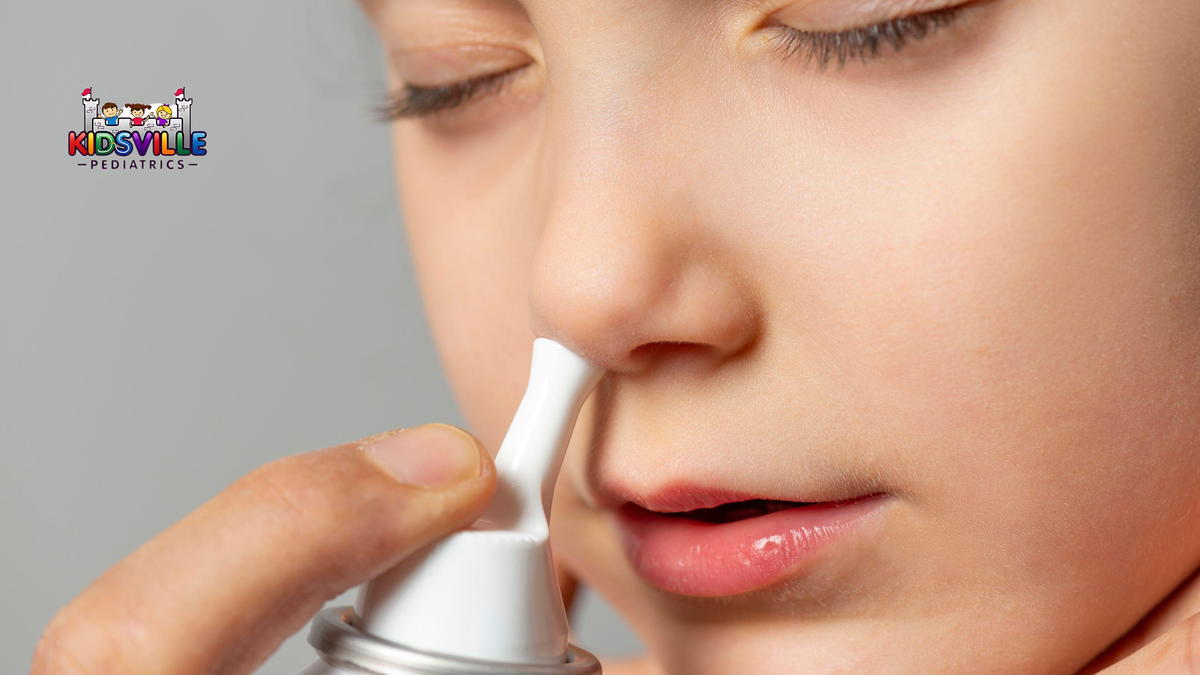
Nasal corticosteroid sprays: These reduce inflammation in the nose and may shrink or eliminate small polyps.
-
Saline nasal rinses: Safe and helpful for clearing the nose of allergens or irritants.
-
Antihistamines or allergy medications: These may help manage allergic triggers contributing to the inflammation.
-
Oral corticosteroids: Used in more severe cases, though with caution in children due to side effects.
-
Antibiotics: Only if there’s an accompanying infection.
-
Surgery: If polyps are large, recurrent, or not responding to medication, endoscopic sinus surgery may be necessary. A pediatrician in Southlake can help guide families through this low-risk procedure, which is typically done under general anesthesia.
Most importantly, if the underlying condition—like asthma or allergies—is well-managed, children are less likely to experience recurring polyps.
Supporting Your Child at Home

Helping manage your kid’s nasal polyps means combining medical treatment as well as lifestyle support:
-
Use a humidifier to keep indoor air moist, especially in dry climates or during winter.
-
Teach your child to gently blow their nose—forceful blowing can worsen swelling.
-
Encourage regular saline rinses as recommended by the doctor.
-
Make sure they’re taking allergy or asthma medications consistently if prescribed.
-
Limit exposure to known triggers, like dust, pollen, smoke, and pet dander.
Also, keep regular checkups with your child’s pediatrician Southlake TX expert or ENT specialist. Monitoring the condition closely ensures early intervention if polyps begin to grow again.
When to Seek A Southlake Pediatrician’s Help
While nasal polyps are not dangerous, they can interfere with daily life and signal underlying issues that need treatment. If your child has symptoms that last more than 10 days, or if they keep getting sinus infections, a professional evaluation is a good next step.
A loss of smell, mouth breathing, fatigue, or poor sleep are all reasons to investigate further. In some children, untreated polyps can lead to complications like sinus infections, sleep apnea, or even developmental concerns if the condition interferes with breathing or eating over time.
Helping Kids Breathe and Thrive
Though they may be small, nasal polyps can have a big impact on a child’s comfort, energy, and health. Early recognition and treatment are key to preventing complications and ensuring your child can breathe easily and enjoy everyday activities.
With proper medical care and support at home, children with nasal polyps can manage their symptoms, avoid unnecessary discomfort, and live active, happy lives.


