

It’s a scenario nearly every parent has faced: your child wakes up complaining of a tummy ache, refuses breakfast, and soon enough, is camped out near the bathroom with vomiting or diarrhea. Most of the time, these symptoms point to a simple stomach bug, also known as viral gastroenteritis—a common, usually mild illness that runs its course in a few days. But sometimes, what seems like a routine bug may be a sign of something more serious. As a parent or caregiver, how do you know when to wait it out and when to seek medical help?
Here are seven signs your child’s stomach bug might actually be a more concerning health issue.
1. Persistent High Fever

A mild fever is a typical part of many viral infections, including a stomach bug. However, if your child’s temperature rises above 102°F (38.9°C) and stays high for more than a day, it could point to something more serious. A high or prolonged fever may suggest a bacterial infection, such as salmonella or E. coli, or even appendicitis or a urinary tract infection—especially if the fever doesn’t come down with fever-reducing medications like acetaminophen or ibuprofen.
Watch for additional symptoms, including chills, lethargy, or a noticeably rapid heartbeat, which can be signs the body is fighting off more than just a minor virus—when in doubt, consult a trusted Southlake pediatrician.
2. Severe or Localized Abdominal Pain
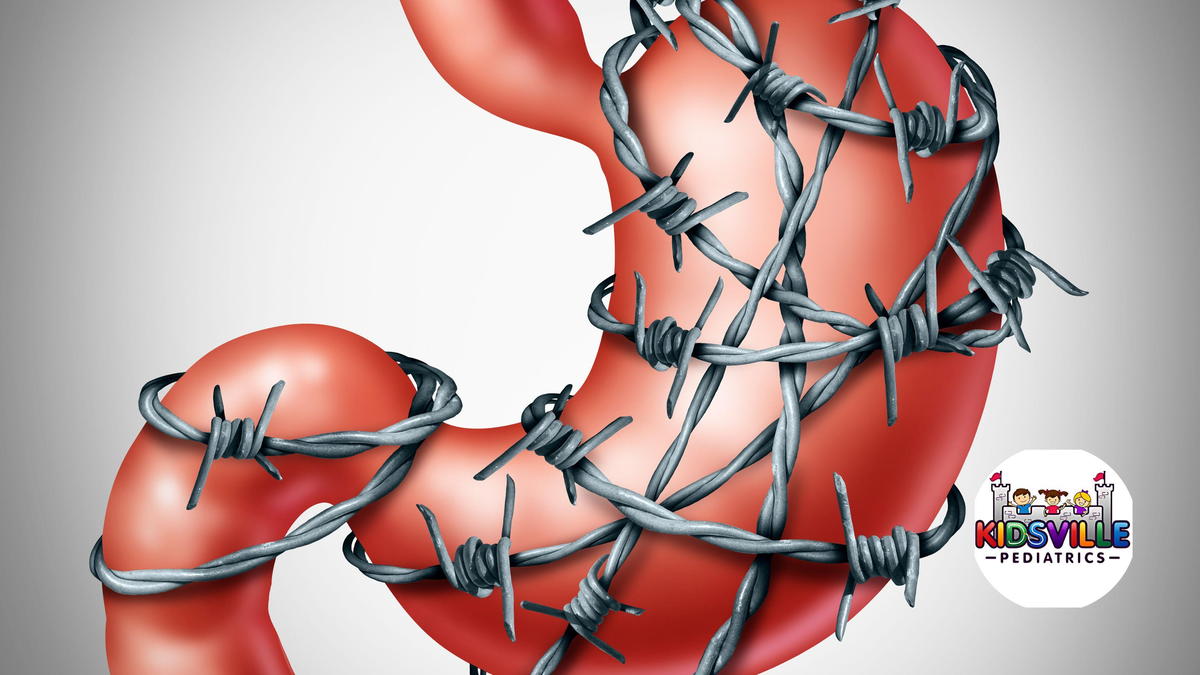
With most stomach viruses, children experience cramping or a general discomfort that improves after vomiting or a bowel movement. But if your child has severe, constant, or sharp pain—particularly in the lower right side of the abdomen—it could indicate appendicitis, which requires urgent surgery.
Other red flags include pain that worsens with movement, walking, or coughing. In younger children, this might show up as unusual stillness or crying when picked up. Trust your instincts: if your child seems unusually distressed or can’t find a comfortable position, seek medical evaluation from a Southlake Texas pediatrician immediately.
3. Dehydration Symptoms

Vomiting and diarrhea often accompany a stomach bug, but they can quickly lead to dehydration—especially in infants and toddlers, who have smaller fluid reserves. Signs of dehydration include:
-
Dry lips and mouth
-
Decreased urination (fewer wet diapers or trips to the bathroom)
-
Sunken eyes or soft spot in infants
-
No tears when crying
-
Unusual drowsiness or irritability
If your child can’t keep fluids down for more than eight hours or shows signs of dehydration, it’s time to consult your pediatrician Southlake expert or visit urgent care. Severe dehydration can require intravenous fluids.
4. Blood in Vomit or Stool

While it’s not uncommon for forceful vomiting to result in small streaks of blood due to irritation of the esophagus, actual blood in vomit or stool is a serious symptom. If you notice red or black (which may resemble coffee grounds) in vomit, or red or tarry stools, it could signal something that needs immediate attention from a pediatrician Southlake TX professional:
-
Gastrointestinal bleeding
-
Bacterial infections like shigella or campylobacter
-
Intussusception (bowel obstruction often seen in infants and toddlers)
-
Inflammatory bowel disease (IBD)
Don’t wait to see if these symptoms go away. Prompt medical evaluation can prevent complications and start your child on the right treatment path.
5. Symptoms That Last More Than a Few Days
Most stomach bug cases resolve within 24 to 72 hours. If your child’s symptoms persist beyond three days—especially without improvement—it could indicate a different diagnosis entirely. Extended periods of diarrhea, vomiting, or abdominal pain could be caused by:
-
Food poisoning
-
Parasitic infections like giardiasis
-
Lactose intolerance or other food sensitivities triggered by the initial illness
-
Underlying digestive disorders
If your child is still sick after several days, especially if they’re losing weight, showing fatigue, or refusing food entirely, it’s time for a deeper look—consider a visit to a Southlake pediatric clinic.
6. Neurological Symptoms
While rare, some severe infections can affect the nervous system. If your child has a stomach virus and begins experiencing symptoms like confusion, slurred speech, trouble waking up, seizures, or stiff neck, seek emergency care immediately. These could be signs of:
-
Reye’s syndrome (more so when aspirin was used to fight the viral illness)
These conditions can develop quickly and are considered medical emergencies.
7. Your Parental Instincts Say Something’s Off

Parents know their kids better than anyone. If your child seems “off” in a way you can’t quite describe—maybe they’re quieter than usual, sleeping excessively, or not responding in their normal way—it’s worth listening to that inner voice and checking in with Southlake doctors.
Maybe the stomach bug came on faster than usual, or your child recovered only to relapse hours later. Maybe the symptoms aren’t adding up. When something doesn’t feel right, don’t hesitate to reach out to your child’s healthcare provider. A quick call or visit could make all the difference in catching a more serious condition early.
Common Conditions That Mimic a Stomach Bug
Let’s take a closer look at a few conditions that can appear similar to a typical stomach bug but require more specific treatment:
Appendicitis

One of the most common emergency conditions mistaken for a stomach bug. It often starts with nausea and a vague bellyache, but the pain shifts to the lower right side and becomes more severe.
Food Poisoning
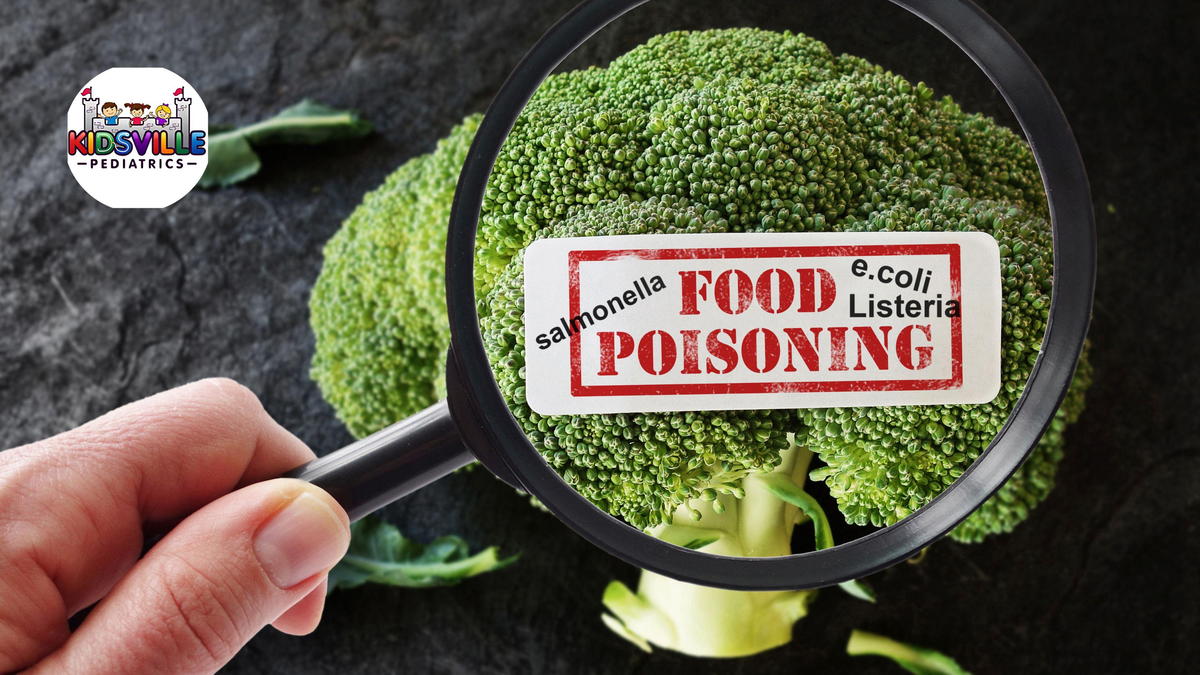
Bacterial contamination from undercooked or spoiled food can mimic a viral infection but might include high fever, blood in stool, or rapid symptom onset after a meal.
Urinary Tract Infection (UTI)

Especially in younger children, a UTI can cause abdominal pain, vomiting, and fever without clear urinary symptoms. A simple urine test can confirm the diagnosis.
Strep Throat

Believe it or not, strep can sometimes cause vomiting and stomach pain even before a sore throat appears. If your kid suffers from a rash or swollen lymph nodes, ask for a strep test.
Celiac Disease or Food Allergies

Some children may first show signs of gluten intolerance or food allergies through prolonged digestive upset. If your child has recurring “bugs” with no clear source, consider allergy or sensitivity testing.
When in Doubt, Ask: Pedia Near Me
In a world of online symptom checkers and social media advice, it’s easy to feel overwhelmed trying to decide what’s normal and what’s not. While many children will bounce back quickly from a routine stomach bug, it’s better to err on the side of caution if:
-
The symptoms are intense or worsening
-
Your child isn’t acting like themselves
-
You’re simply unsure
A quick evaluation by your child’s pediatrician or a visit to urgent care can bring peace of mind—or catch something serious early on. Pediatric professionals are trained to recognize subtle warning signs that might otherwise be missed.
A child’s tummy troubles are often just part of growing up—exploring new foods, picking up germs, and learning to listen to their own body signals. But every so often, what seems like a stomach bug could be a red flag for something more.
By knowing the signs to watch for—persistent fever, dehydration, blood in vomit or stool, and more—you can make informed decisions about when to wait and when to act. Also, never underestimate your intuition as the parent. When it comes to your child’s health, you’re their first and best advocate—don’t hesitate to consult a pediatrician in Southlake.
If you’re ever in doubt about whether a stomach bug is something more serious, don’t hesitate to contact your Southlake pediatrician. Trust your instincts, stay informed, and give your child the care they need to bounce back—stronger and healthier than ever.


