
Whether it’s due to a bout of the stomach flu, a long day of outdoor play, or simply not drinking enough fluids, dehydration can sneak up on children quickly. Kids are more vulnerable than adults when it comes to losing essential fluids and electrolytes, and the consequences can escalate if left unaddressed. Understanding the signs, symptoms, and progression of dehydration is crucial for keeping your child healthy and safe—especially during warm weather or illness.
Why Children Are More at Risk
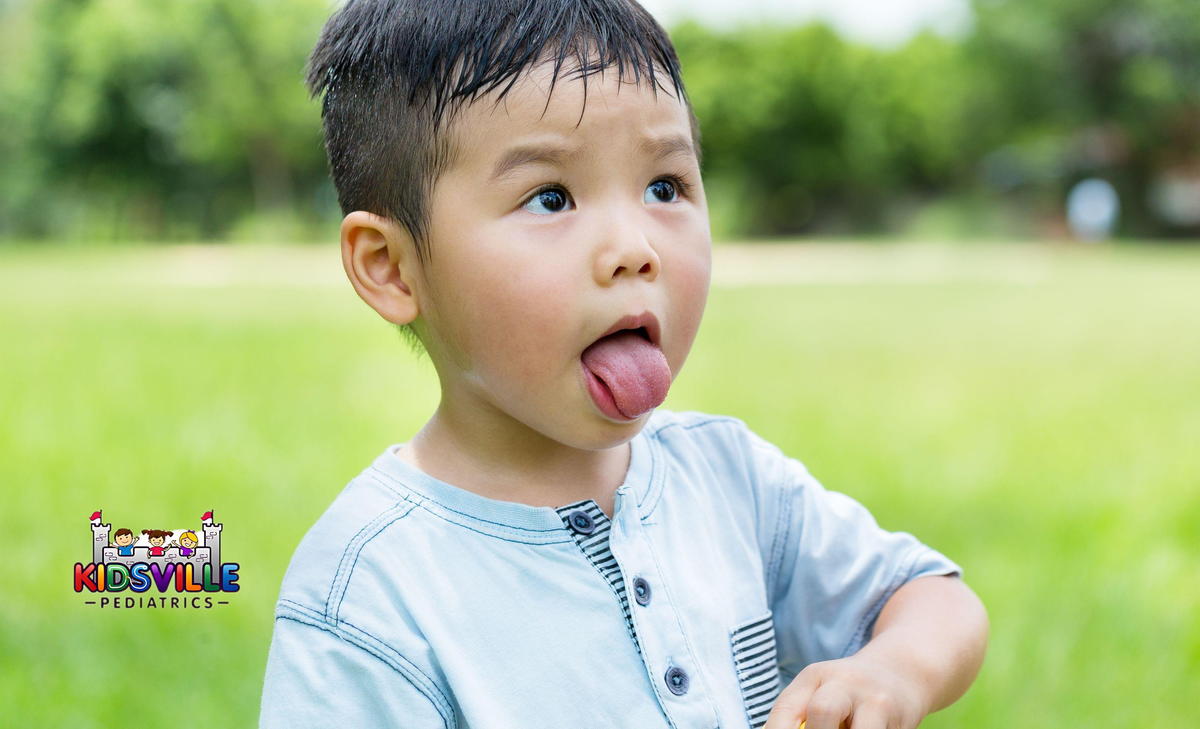
Children have a higher percentage of body water compared to adults, and their metabolic rates are faster, meaning they lose fluids more quickly. They’re also less likely to recognize the signs of thirst or take action on their own to stay hydrated. Southlake pediatrics experts often see how common childhood illnesses like vomiting, diarrhea, or fevers can quickly tip the balance—making it easy for kids to go from slightly dry to seriously dehydrated in a short span of time.
Stages of Dehydration in Kids
Dehydration exists on a spectrum—from mild and manageable at home to severe, which may require immediate medical intervention. Let’s take a look at each stage and what parents need to watch out for.
1. Mild Dehydration

At this stage, your child might not even realize anything is wrong. However, the body is already beginning to feel the strain of fluid loss. This could be from excessive sweating, a missed water bottle at school, or not replacing fluids lost during a mild fever—something a Southlake pediatrician often identifies during early checkups or sick visits.
Symptoms of mild dehydration:
-
Dry lips and mouth
-
Slightly reduced urine output
-
Pale or slightly flushed skin
-
Fatigue or low energy
-
Thirst
What to do: Encourage your child to drink small sips of water, oral rehydration solutions (like Pedialyte), or a diluted electrolyte drink. Serve water-rich foods like watermelon, cucumbers, or broths to help replenish lost fluids. Monitor for any worsening dehydration symptoms and keep track of fluid intake throughout the day.
2. Moderate Dehydration

If fluid loss continues or the child is ill with vomiting or diarrhea, dehydration can progress to a moderate stage. At this point, the body’s water loss is starting to affect circulation, digestion, and even cognition.
Symptoms of moderate dehydration:
-
Noticeably dry lips and tongue
-
Little to no tears when crying
-
Sunken eyes
-
Irritability or mood swings
-
Decreased urination (may not wet a diaper for several hours)
-
Dark yellow or strong-smelling urine
-
Rapid heartbeat
What to do: Continue giving fluids frequently—every few minutes if possible. Oral rehydration solutions are ideal because they restore both fluids and electrolytes. Avoid sugary drinks and undiluted fruit juices, which can make dehydration symptoms worse. If your child refuses fluids, seems unusually drowsy, or isn’t improving, call your pediatrician.
3. Severe Dehydration

Severe dehydration is a medical emergency. It means the body has lost so much fluid that vital organs are struggling to function. This can happen quickly in infants and toddlers or after prolonged vomiting and diarrhea—something a pediatrician Southlake professional is trained to recognize and treat promptly.
Symptoms of severe dehydration:
-
Lethargy or unconsciousness
-
Sunken soft spot (fontanelle) on an infant’s head
-
Very dry mouth and tongue
-
Cold, mottled, or bluish extremities
-
No urine output in 8 hours or more
-
Extremely low energy, limp body
-
Rapid breathing
Take your child to the nearest emergency room or contact emergency services without delay. Children in this stage may need IV fluids to quickly restore hydration and prevent shock, organ failure, or worse. A pediatrician in Southlake can also help assess the severity and coordinate urgent care. Do not try to rehydrate them at home if they are unresponsive, severely lethargic, or unable to drink.
Causes and Common Triggers
Understanding what leads to dehydration can help you prevent it before it begins.
Some common causes include:
-
Illnesses: Fever, vomiting, and diarrhea are among the top culprits. Even a mild fever can cause the body to lose more fluids than usual.
-
Heat and activity: Playing outside in warm weather, especially without enough breaks or fluids, can cause kids to sweat excessively.
-
Not drinking enough water: Some children simply don’t drink enough, especially if they’re picky or distracted.
-
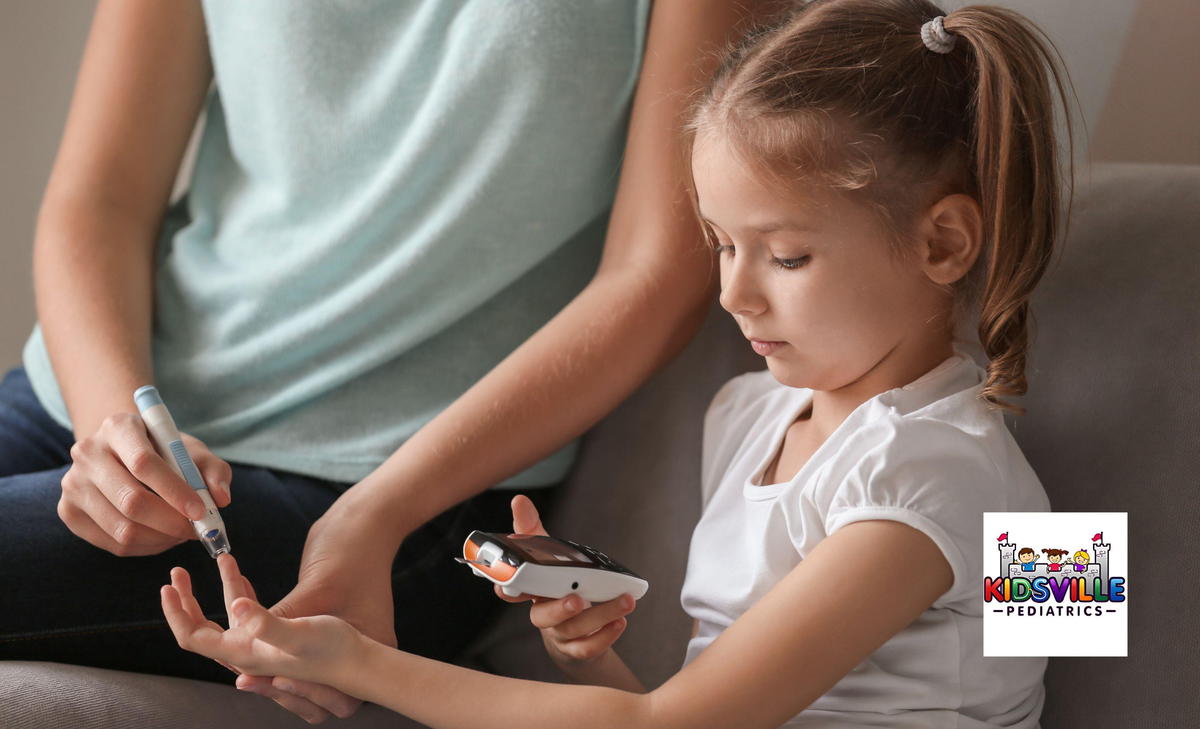
Medical conditions: Diabetes, certain medications, or metabolic disorders can also affect hydration levels.
How to Prevent Dehydration
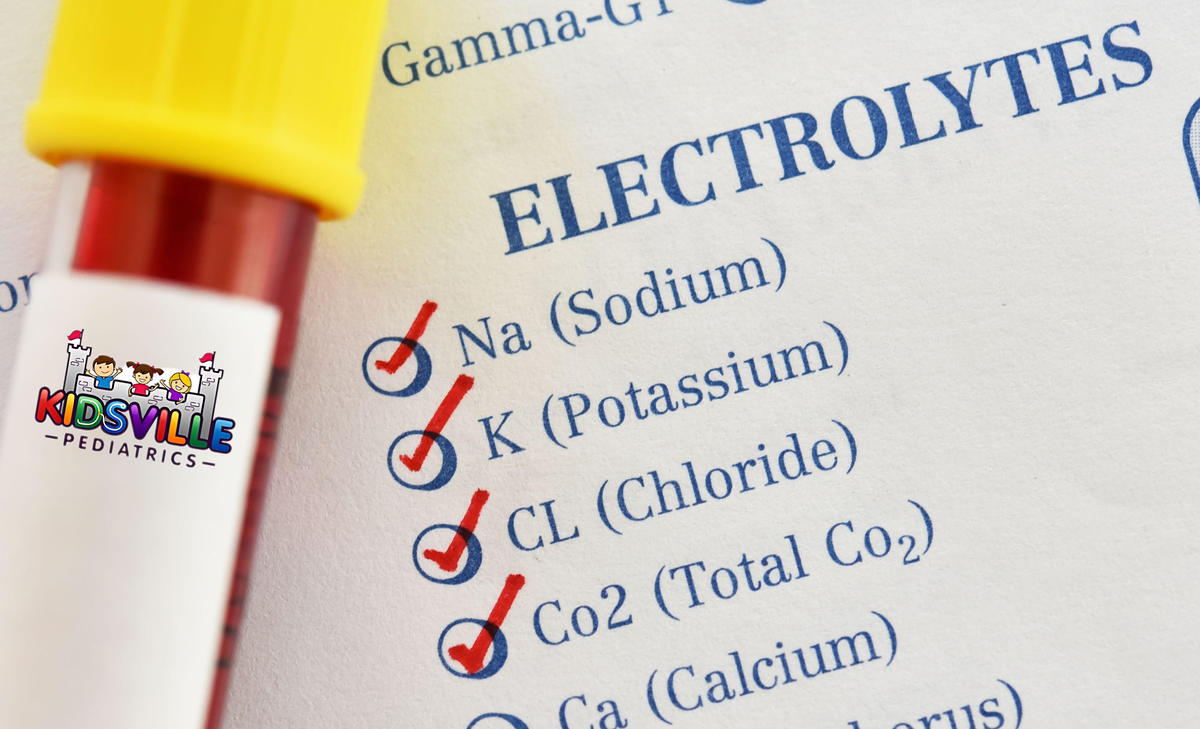
The good news is that dehydration is highly preventable with a bit of planning and attentiveness.
Tips for preventing dehydration:
-
Encourage frequent water breaks, especially during outdoor play or sports.
-
Keep oral rehydration solutions at home, especially during cold and flu season.
-
Offer water-rich foods like fruits and vegetables regularly.
-
Keep an eye on urine color—pale yellow is generally a good sign that your child is staying well-hydrated.
-
Encourage hydration by using fun water bottles or setting reminders to make drinking fluids more exciting for younger children.
-
During illness, keep a close watch on fluid intake, and replace what’s lost through vomiting or diarrhea.
Special Considerations for Infants

Babies under 6 months should not be given water directly. They get all their hydration needs from breastmilk or formula. However, they are also more susceptible to dehydration because of their small size and higher metabolic needs.
Signs of dehydration in infants include:
-
Fewer wet diapers (fewer than six per day)
-
Fussiness or unusual drowsiness
-
A sunken fontanelle (the soft spot on the head)
-
Poor feeding
Parents of newborns and young infants should contact their Southlake pediatrician at the first signs of trouble, as these little ones can deteriorate rapidly.
When to Call a Pediatrician
While mild dehydration can often be treated at home, don’t hesitate to reach out to your child’s healthcare provider if:
-
Dehydration symptoms persist or worsen despite fluid intake
-
Your child refuses to drink or vomits everything taken in
-
There are signs of moderate or severe dehydration
-
You’re unsure how much fluid your child needs or how to help them recover
A quick phone call or office visit can provide peace of mind and ensure your child gets the care they need before the situation escalates.
No parent wants to see their child suffer from dehydration, but knowing the signs and acting early can make all the difference. From dry lips and fatigue to sunken eyes and confusion, the symptoms progress in stages that mirror the body’s growing struggle to maintain balance. By staying informed and prepared—especially during hot weather or cold-and-flu season—you can help your child stay safe, hydrated, and on the path to recovery.


