
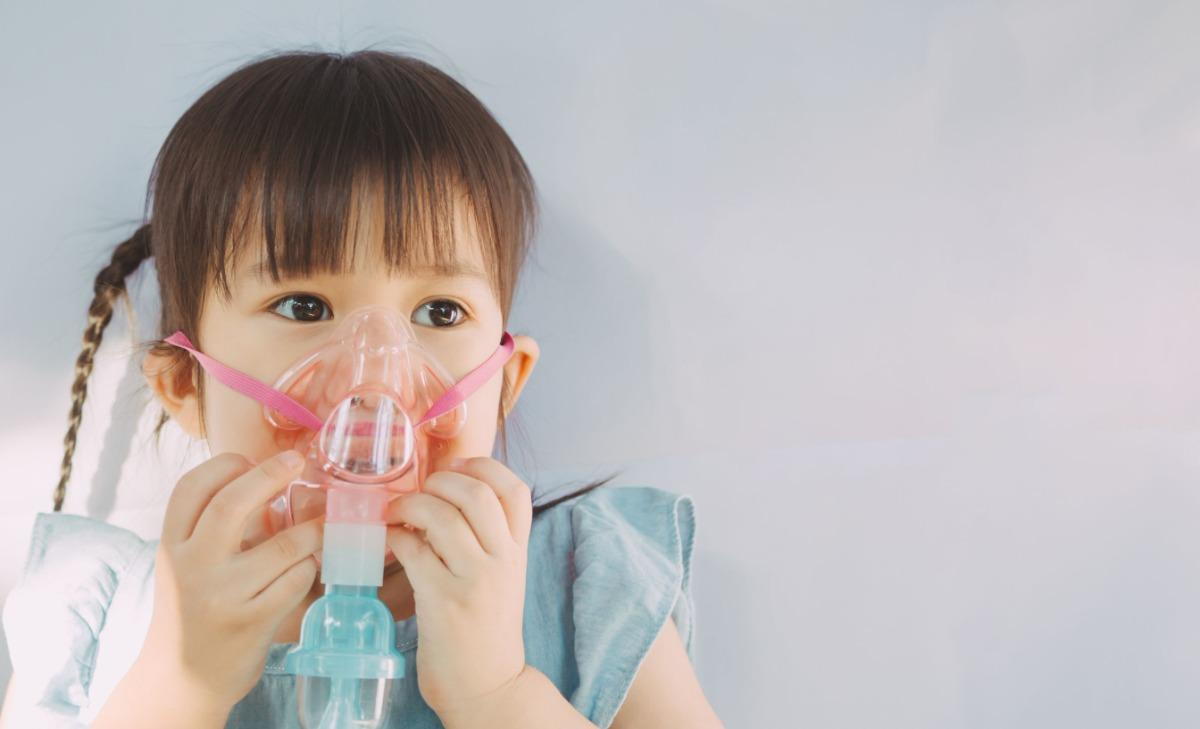
Pneumonia is a common but potentially serious respiratory infection that affects the lungs. In children, it can range from mild to severe and, in some cases, can even be life-threatening. The recent death of actor Val Kilmer at age 65 from pneumonia underscores the seriousness of this illness across all age groups. Understanding pneumonia—its symptoms, causes, and treatment options—is essential for parents and caregivers to ensure timely medical intervention and optimal care.
What Is Pneumonia?

Pneumonia is a respiratory infection that causes inflammation in the air sacs of one or both lungs. These sacs can become filled with fluid or pus, leading to symptoms like coughing, fever, chills, and trouble breathing.
Pneumonia can be caused by viruses, bacteria, fungi, or parasites, but viral pneumonia is the most common type in children. Pneumonia can impact children of any age, but infants and young children are particularly susceptible to severe cases because their immune systems are still developing. Pediatricians play a crucial role in diagnosing and treating pneumonia in children to ensure proper care and recovery.
Pneumonia can also be classified based on where it was acquired, such as community-acquired pneumonia (CAP), hospital-acquired pneumonia (HAP), and ventilator-associated pneumonia (VAP). CAP is the most common among children and typically arises from viral infections. HAP and VAP occur in medical settings and can be more resistant to treatment.
Causes of Pneumonia in Children

The primary causes of pneumonia in children include:
-
Viral Infections: Viruses such as respiratory syncytial virus (RSV), influenza (flu), adenoviruses, and human metapneumovirus are common causes. Viral pneumonia tends to spread easily through coughing and sneezing and is often less severe than bacterial pneumonia.
-
Bacterial Infections: The most common bacterial cause of pneumonia in children is Streptococcus pneumoniae. Other bacteria include Mycoplasma pneumoniae and Haemophilus influenzae type B. Bacterial pneumonia often follows a viral respiratory infection.
-
Fungal Infections: Though rare in healthy children, fungi like Histoplasma or Coccidioides can cause pneumonia, especially in children with weakened immune systems or those living in endemic areas.
-
Parasitic Infections: In some regions, parasites such as Plasmodium (malaria) and Toxoplasma gondii may lead to pneumonia. This is uncommon in the United States but more prevalent in tropical and subtropical areas. At Kidsville Pediatrics, we ensure children receive proper care and guidance to prevent and manage pneumonia, regardless of the cause.
Risk Factors
Certain factors increase the risk of developing pneumonia in children, including:
-
Weakened Immune System: Conditions like HIV/AIDS or cancer treatment can impair immunity.
-
Chronic Lung Diseases: Asthma or cystic fibrosis increases susceptibility.
-
Premature Birth: Immature lungs make preterm infants more prone to respiratory infections.
-
Malnutrition: Poor nutrition can weaken the body’s defenses.
-
Environmental Exposure: Secondhand smoke, air pollution, and crowded living conditions heighten risk.
Symptoms of Pneumonia in Kids
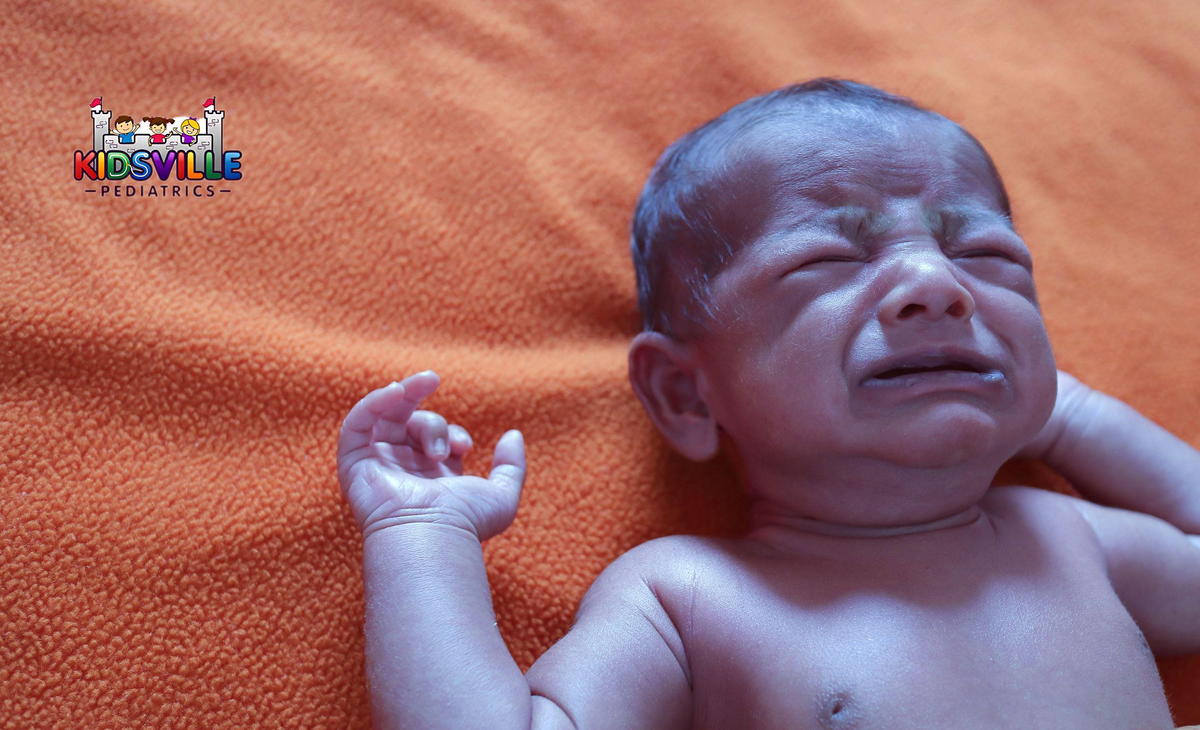
The symptoms of pneumonia in children can vary based on age, cause, and severity. Common signs include:
-
Cough: Typically persistent and may produce mucus or phlegm.
-
Fever: Ranges from mild to high and is often accompanied by chills.
-
Rapid Breathing: Shallow, fast breaths or difficulty breathing.
-
Chest Pain: Discomfort or pain when coughing or taking deep breaths.
-
Fatigue and Weakness: General tiredness and lethargy.
-
Loss of Appetite: Refusal to eat or drink.
-
Wheezing or Crackling Sounds: Detected during a physical exam.
-
Cyanosis: A bluish tint to the lips or nails, indicating low oxygen levels.
In infants and younger children, symptoms may include:
-
Grunting or wheezing sounds
-
Vomiting or difficulty feeding
-
Irritability and fussiness
-
Reduced activity or lethargy
Diagnosis of Pneumonia in Children

Diagnosing pneumonia typically involves a thorough medical history and physical examination. Doctors may perform the following tests:
-
Chest X-Ray: To visualize inflammation or fluid in the lungs.
-
Blood Tests: To detect infection and identify the causative organism.
-
Pulse Oximetry: To measure oxygen levels in the blood.
-
Sputum Culture: Analyzing mucus from cough to identify the pathogen.
Early and accurate diagnosis is essential for effective treatment, especially in young children who may be more vulnerable to severe illness. In severe cases, further tests such as a CT scan or bronchoscopy may be required to assess lung damage or complications. At a pediatric clinic, doctors are equipped with the expertise and tools to provide thorough evaluations and ensure the best care for your child.
Treatment Options
Treatment for pneumonia in children varies based on the cause:
-
Viral Pneumonia: Managed with supportive care, including rest, fluids, and fever management. Antiviral medications may be prescribed in severe cases.
-
Bacterial Pneumonia: Typically treated with antibiotics, such as amoxicillin or azithromycin. Timely treatment reduces the risk of complications like pleural effusion or lung abscesses.
-
Fungal Pneumonia: Antifungal medications are necessary but rarely needed in healthy children.
-
Supportive Care: Includes hydration, rest, and over-the-counter medications for fever and discomfort. Breathing exercises may also be recommended to help clear lung congestion.
Complications of Pneumonia

In certain cases, pneumonia can result in complications, including:
-
Pleural Effusion: Fluid build-up between the lungs and chest wall.
-
Lung Abscess: Pockets of pus within the lungs.
-
Sepsis: A severe bloodstream infection that can become life-threatening.
-
Acute Respiratory Distress Syndrome (ARDS): Severe lung inflammation requiring intensive care.
Hospital care is necessary if the child shows severe symptoms, including respiratory distress, high fever unresponsive to medication, or signs of dehydration. Hospital treatment may include:
-
Oxygen Therapy: To maintain adequate oxygen levels.
-
IV Fluids and Antibiotics: Administered when oral treatment is insufficient.
-
Respiratory Support: Such as a ventilator for critical cases.
Recovery and Home Care

Most children recover within 1 to 2 weeks, but cough and fatigue may linger. Home care tips include:
-
Keeping the child hydrated with fluids like water, broth, and oral rehydration solutions.
-
Following the prescribed medication schedule strictly.
-
Using a humidifier to ease breathing and reduce congestion.
-
Monitoring for any signs of worsening symptoms, such as persistent cough or shortness of breath.
Prevention of Pneumonia

Preventive strategies include:
-
Vaccination: Ensure your child receives the pneumococcal and influenza vaccines.
-
Hand Hygiene: Teach children to wash hands frequently with soap and water.
-
Smoke-Free Environment: Avoid exposing children to secondhand smoke.
-
Healthy Living: A balanced diet, regular exercise, and adequate sleep support a strong immune system.
When to See a Pediatrician
Immediate pediatric care is crucial if your child shows signs of severe pneumonia, including:
-
Difficulty breathing or rapid breathing
-
Chest pain or persistent coughing
-
High fever that doesn’t improve
-
Bluish lips or skin (cyanosis)
-
Extreme fatigue or confusion
Pneumonia is a serious health issue that can significantly impact children and their families. Early recognition and prompt treatment are key to minimizing complications and promoting recovery. By staying informed and practicing preventive measures, parents can help reduce the risk of pneumonia and ensure their children receive the care they need when illness strikes.


