
Every year on April 2, the world observes World Autism Awareness Day, a time dedicated to increasing understanding, promoting acceptance, and supporting individuals with Autism Spectrum Disorder (ASD). Autism affects millions of children worldwide, influencing their communication, behavior, and social interactions. Early diagnosis and intervention are crucial for improving outcomes, and this is where pediatrics and NP psychiatry (Nurse Practitioner Psychiatry) play a vital role.
Understanding Autism Spectrum Disorder (ASD)
Autism Spectrum Disorder is a neurodevelopmental condition characterized by challenges in social interaction, communication, and repetitive behaviors. The severity of symptoms varies widely, with some children requiring minimal support and others needing more comprehensive care.
While the exact cause of autism is unknown, research suggests a combination of genetic and environmental factors. Symptoms typically appear in early childhood, which is why pediatricians and psych NP professionals are critical in recognizing early signs and providing appropriate interventions.
The Role of Pediatricians in Autism Care
Pediatricians are often the first healthcare providers to evaluate children for developmental concerns, making them essential in the early detection and management of autism. Here’s how they contribute:
1. Early Screening and Diagnosis
-
The American Academy of Pediatrics (AAP) recommends autism screening at 18 and 24 months during routine well-child visits.
-
Pediatricians use standardized tools such as the Modified Checklist for Autism in Toddlers (M-CHAT) to identify early signs of ASD.
-
Early diagnosis allows for timely interventions, improving a child’s ability to develop communication and social skills.
2. Guiding Parents Through the Diagnosis
-
Getting an autism diagnosis can feel overwhelming for parents.
-
Pediatricians provide guidance, education, and emotional support to help families understand what it means and what steps to take next.
-
They direct families to specialists, therapists, and resources for additional support.
3. Coordinating Care with Specialists
-
Mansfield pediatricians collaborate with nurse practitioner psychiatry experts, speech therapists, occupational therapists, and behavioral therapists to create a holistic care plan.
-
They ensure that children receive appropriate therapies tailored to their specific needs.
4. Monitoring Growth and Development
-
Children with autism may have additional health concerns, such as gastrointestinal issues, sleep disturbances, and nutritional deficiencies.
-
Regular pediatric visits help track developmental progress and address any associated health issues.
The Role of NP Psychiatry in Autism Care
Nurse practitioner psychiatry experts provide invaluable support for children with autism, particularly in managing behavioral and emotional challenges. Here’s how they help:
1. Mental Health Assessment and Diagnosis
-
NP psychiatrists assess children’s cognitive, emotional, and behavioral patterns to determine their mental health needs.
-
They evaluate for coexisting conditions such as anxiety, ADHD, depression, or sensory processing disorders, which are common in children with autism.
2. Medication Management
-
While there is no medication to cure autism, NP psychiatrists can prescribe medications to manage symptoms like anxiety, aggression, or hyperactivity.
-
Selective serotonin reuptake inhibitors (SSRIs) and stimulants may be used to help with mood regulation and focus.
-
Medication decisions are made in collaboration with pediatricians and parents to ensure safety and effectiveness.
3. Behavioral Therapy Support
-
NP psychiatrists work closely with behavioral therapists to implement effective strategies for emotional regulation and social skill development.
-
They may recommend Applied Behavior Analysis (ABA) or Cognitive Behavioral Therapy (CBT) to help children manage their emotions and interactions.
4. Educating and Supporting Families
-
A psych nurse practitioner can offer parent training programs to help caregivers understand and manage their child’s behaviors.
-
They provide families with coping strategies to navigate the challenges of raising a child with autism.
Why Early Intervention Matters
Early intervention is key to improving communication, social skills, and independence for children with autism. Studies show that children who receive early therapies and structured support have a higher chance of developing essential life skills.
Pediatrics and NP psychiatry work together to provide:
-
Speech and language therapy to improve communication.
-
Occupational therapy to develop fine motor skills and daily living activities.
-
Behavioral therapy to enhance emotional and social responses.
-
Nutritional guidance to address dietary concerns and sensitivities.
Common Myths About Autism
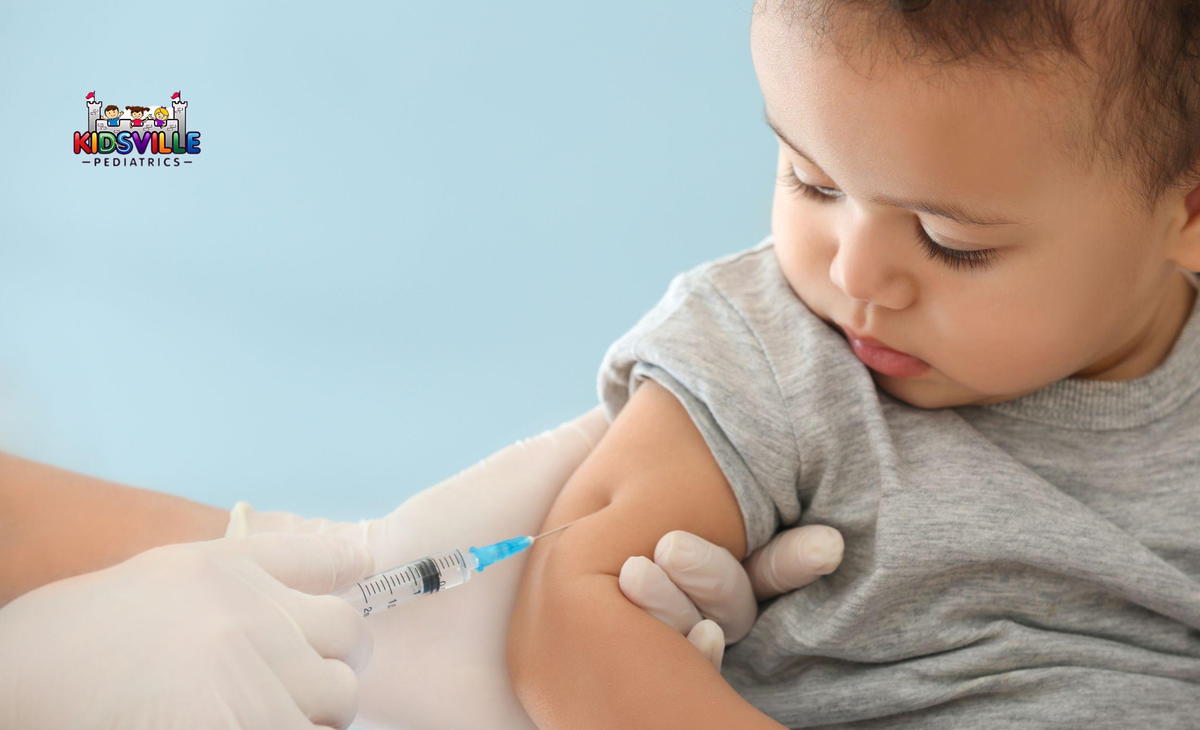
Myth 1: Autism is caused by vaccines
Fact: No scientific evidence supports a link between vaccines and autism. The 1998 study that suggested this was retracted and widely discredited. Vaccines are safe and essential for children’s health.
Myth 2: Autism is a childhood condition that can be outgrown
Fact: Autism is a lifelong condition, but with early intervention and support, individuals can learn strategies to improve their quality of life.
Myth 3: All children with autism have the same symptoms
Fact: Autism is a spectrum disorder, meaning that symptoms vary widely from child to child. Some may have mild social difficulties, while others may have severe communication and behavioral challenges.
How to Support Autism Awareness and Acceptance

On World Autism Awareness Day, communities, healthcare providers, and families can come together to:
-
Wear blue to show support for autism awareness.
-
Share educational resources to combat myths and misinformation.
-
Advocate for inclusive education and employment opportunities for individuals with autism.
-
Support local organizations that provide therapy and resources for children with ASD.
-
Encourage neurodiversity by promoting acceptance and understanding in schools, workplaces, and social settings.
The Future of Autism Care in Pediatrics and NP Psychiatry
Advancements in autism research and healthcare are improving the way pediatricians and NP psychiatrists support children with ASD. Some promising developments include:
-
Personalized therapy plans based on genetic and behavioral analysis.
-
Telehealth services to provide accessible psychiatric and behavioral consultations.
-
Innovative assistive technology, such as communication apps and AI-driven learning tools.
-
Increased awareness and inclusion efforts in schools and workplaces.
Pedia Near Me: Kidsville Pediatrics Mansfield
World Autism Awareness Day is a powerful reminder that early diagnosis, pediatric care, and NP psychiatric support are essential for helping children with autism thrive. By working together—parents, Mansfield pediatricians, NP psychiatrists, therapists, and educators—we can create a more inclusive world where every child, regardless of their neurodiversity, has the opportunity to reach their full potential.
Raising awareness is just the beginning—true impact comes from acceptance, action, and advocacy. This April 2, let’s not only spread awareness but also take meaningful steps toward supporting children with autism and their families every day of the year.


