
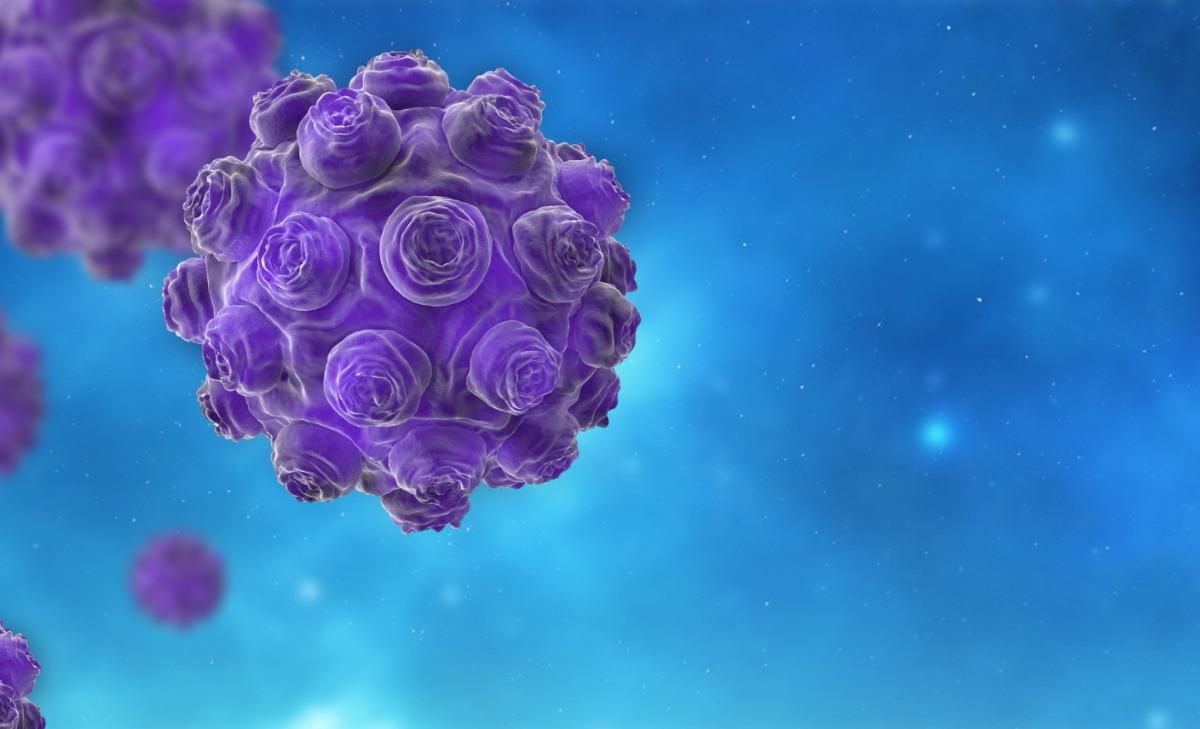
Measles is one of the most contagious diseases ever recorded in human history, with its origins tracing back centuries. This highly infectious viral illness has plagued societies for generations, spreading rapidly through populations with devastating consequences. The history of measles is deeply intertwined with medical advancements, global exploration, and vaccination efforts.
Early Historical Accounts of Measles
 Portrait of Rhazes (al-Razi) (AD 865 – 925), physician and alchemist who lived in Baghdad.
Measles has been a recognized disease for centuries, with descriptions dating as far back as the 9th century. Persian physician Abū Bakr Muhammad Zakariyyā Rāzī, commonly known as Rhazes in European literature, was among the first to document measles as a distinct illness. His detailed descriptions of the symptoms and progression of the disease helped early physicians understand and differentiate it from other infectious diseases.
With the rise of global exploration in the 16th century, measles spread more widely across the world. The movement of people between continents brought the virus to previously unexposed populations, often with disastrous consequences.
In 1757, Scottish physician Francis Home made a groundbreaking discovery when he identified that measles was caused by an infectious agent. By transferring the disease to healthy individuals using the blood of infected patients, he provided one of the earliest pieces of evidence that measles was not merely a condition but a contagious disease caused by a pathogen.
Today, advancements in medicine, including same day scheduling for vaccinations, have made it easier for individuals to receive timely protection against measles and other preventable illnesses.
The Devastation of Measles in Naïve Populations

Measles outbreaks proved particularly lethal in regions that had never encountered the virus before. Indigenous populations in isolated areas suffered severe consequences when exposed to measles for the first time. Some of the most devastating outbreaks occurred in communities with limited access to medical care.
Today, a well-equipped pediatric clinic plays a crucial role in preventing such outbreaks by providing timely vaccinations and comprehensive healthcare for children:
-
The Faroe Islands in 1846
-
Hawai‘i in 1848
-
Fiji in 1875
-
Rotuma in 1911
With no prior immunity, entire communities were ravaged, leading to widespread illness and death. In many of these cases, mortality rates soared as the virus spread unchecked through populations with no existing resistance.
Access to quality pediatric care plays a vital role in preventing such devastating outcomes, providing children with essential vaccinations and medical support to build immunity against infectious diseases.
Measles in the 20th Century: High Mortality and Medical Interventions
Before the development of vaccines, measles was a persistent global health threat. While improved nutrition and better overall health reduced death rates in wealthier nations, the disease continued to cause millions of cases and fatalities worldwide. Antibiotics, while unable to treat the virus itself, played an essential role in managing complications such as bacterial pneumonia. Nevertheless, common complications such as ear infections, croup, diarrhea, and pneumonia resulted in thousands of pediatric care issues annually.
One of the most severe complications, encephalitis, led to brain swelling, which could cause permanent brain damage, hearing or vision loss, and even death. Access to a well-equipped pediatric clinic is crucial in managing and preventing such complications, ensuring children receive timely medical care and vaccinations.
By the early 20th century, measles was still a significant global killer, with approximately 30 million cases and over 2 million deaths occurring every year. Despite medical advancements, the disease remained a major public health concern.
The Development of the Measles Vaccine
A pivotal moment in measles history occurred in 1954 when a measles outbreak at a Boston boarding school provided researchers with an opportunity to isolate the virus. Scientists at Boston Children’s Hospital collected throat swabs and blood samples from infected students, ultimately leading to the cultivation of the virus.
Dr. Thomas Peebles successfully obtained the measles virus from an 11-year-old student named David Edmonston. This breakthrough enabled further research and, eventually, the development of a vaccine. Peebles’ supervisor, Dr. John Franklin Enders, often referred to as “the father of modern vaccines,” used the Edmonston-B strain to create the first measles vaccine.
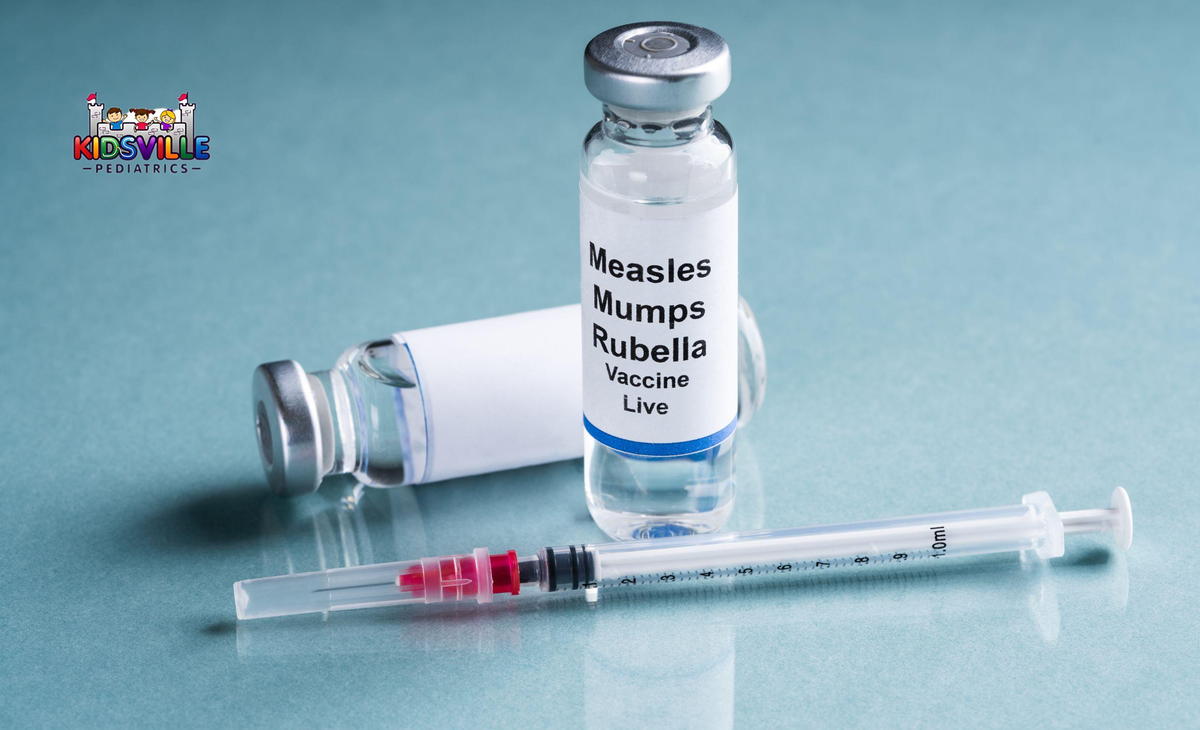
Between 1958 and 1960, trials of the vaccine were conducted on small groups of children before expanding to large-scale studies in New York City and Nigeria. In 1961, the vaccine was declared 100% effective, and in 1963, the first measles vaccine was officially licensed for public use.
Global Vaccination Efforts

With the introduction of measles vaccines in the 1960s, national immunization programs emerged worldwide. The first internationally coordinated measles vaccination efforts were launched in Africa in 1966. The World Health Organization (WHO), along with the United States Agency for International Development (USAID) and the Centers for Disease Control and Prevention (CDC), worked alongside newly independent nations to administer vaccines with the dual goal of controlling measles and eradicating smallpox.
Despite challenges such as maintaining the cold chain for vaccine storage, these campaigns demonstrated the effectiveness of measles immunization. In May 1967, The Gambia became the first country to successfully interrupt measles transmission through widespread vaccination.
In 1968, Dr. Maurice Hilleman, a pioneering vaccine researcher, improved upon the original measles vaccine by passing the virus through chick embryo cells 40 times, weakening it further. This version, known as the Edmonston-Enders strain, remains the foundation of measles vaccines used today.
In 1971, Hilleman combined the measles, mumps, and rubella vaccines into a single dose, creating the MMR vaccine. In 2005, a varicella (chickenpox) component was added to form the MMRV vaccine. However, standalone measles vaccines are still available in many countries as it is, too, in all of our three clinics here at Kidsville Pediatrics.
Challenges and Resurgences
In 1974, the WHO launched the Expanded Programme on Immunization (now the Essential Programme on Immunization) to develop global vaccination initiatives. The success of widespread immunization significantly reduced measles cases worldwide.
However, setbacks occurred in 1998 when a now-discredited study published in ‘The Lancet’ falsely claimed a link between the MMR vaccine and autism. This fraudulent research fueled anti-vaccine movements, leading to decreased vaccination rates in some countries. The resulting drop in immunization coverage led to outbreaks in the United Kingdom, the United States, and Canada.
In 2010, the British General Medical Council ruled that the study’s lead author had engaged in misconduct, and ‘The Lancet’ formally retracted the paper. Nevertheless, misinformation surrounding vaccines continues to impact immunization rates, leading to measles resurgences in various regions.
The Fight for Global Measles Eradication
Measles remains one of the most infectious diseases known to humanity. To achieve herd immunity and prevent outbreaks, at least 95% of a population must be vaccinated. When immunization rates fall below this threshold, measles can rapidly spread, causing significant health crises.
The impact of measles outbreaks remains stark. During the Ebola epidemic in the Democratic Republic of the Congo between 2018 and 2020, 2,299 people died from Ebola, while measles claimed 7,800 lives in the same period. These numbers underscore the continued threat measles poses, particularly in areas with gaps in immunization coverage.
In 2016, the Americas became the first WHO region to declare measles eliminated, thanks to sustained vaccination efforts. However, this status was lost two years later due to a measles outbreak in one country with declining vaccination rates.
To prevent future outbreaks, the Pan American Health Organization (PAHO) has focused on rapid response training, surveillance improvements, and follow-up vaccination campaigns. Between 2000 and 2023, measles vaccination efforts prevented an estimated 60 million deaths worldwide.
Despite the availability of a safe and cost-effective vaccine, global measles deaths began rising again before the COVID-19 pandemic. In 2019 alone, over 207,000 measles deaths were recorded—the highest number in 23 years.
Pedia Near Me: Kidsville Pediatrics
Measles has been a formidable health challenge throughout history, but thanks to vaccines, millions of lives have been saved. However, vaccine hesitancy, misinformation, and gaps in immunization coverage continue to pose threats to measles control. Achieving and maintaining high vaccination rates remains essential to preventing future outbreaks and ultimately eradicating this highly contagious disease. Kidsville Pediatrics is here to help ensure your child stays protected with timely immunizations, providing expert guidance and compassionate care to keep your family healthy.


