
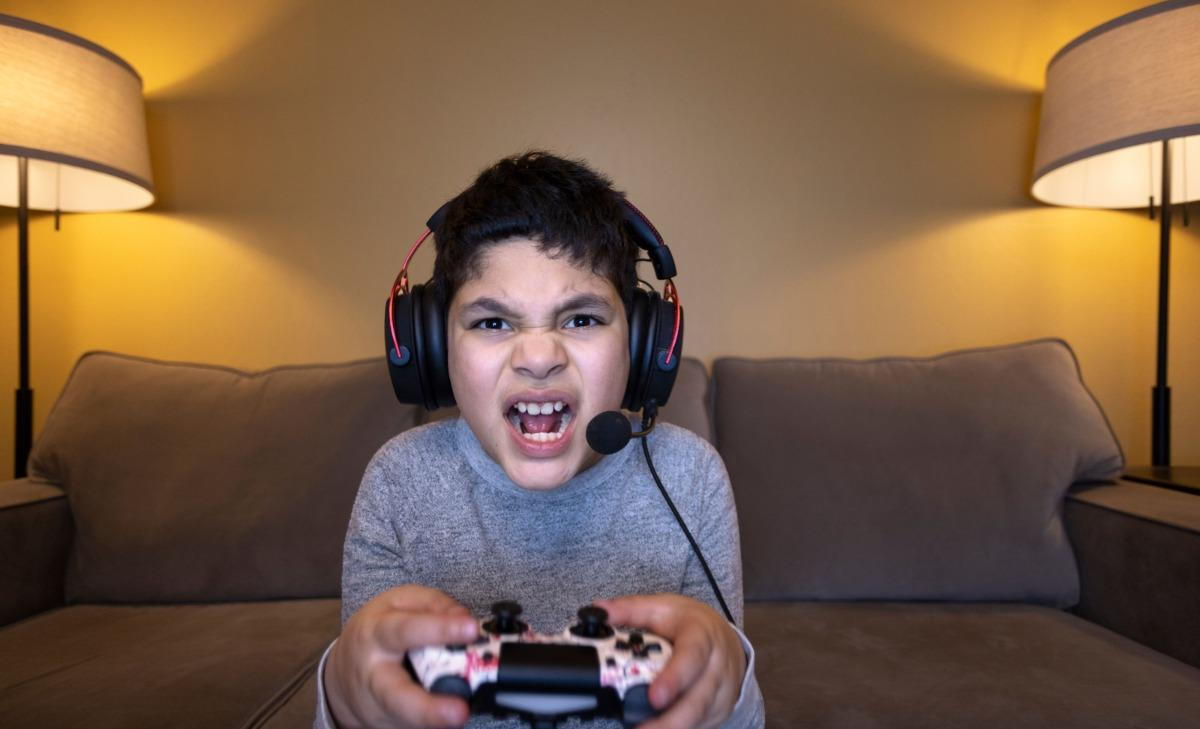
Video games have become an integral part of childhood in the digital age. While gaming offers entertainment, problem-solving challenges, and even social interaction, concerns about its impact on children’s behavioral health have grown significantly. With kids spending increasing amounts of time immersed in virtual worlds, researchers and psychologists are uncovering hidden risks that could affect emotional regulation, social skills, and overall mental well-being.
This article delves into the potential effects of video games on kids’ behavioral health, exploring the psychological and emotional consequences, the risks of addiction, and strategies for fostering a balanced approach to gaming.
The Connection Between Video Games and Behavioral Health

Pediatrics in Mansfield, TX should focus on children’s overall well-being, including behavioral health, which encompasses emotional well-being, the ability to manage emotions effectively, and the development of healthy relationships. Video games, particularly those that are violent, highly stimulating, or excessively time-consuming, have been linked to changes in children’s behavioral patterns. Some of the key areas of concern include:
-
Increased Aggression and Emotional Dysregulation
-
Research suggests that exposure to violent video games may lead to heightened aggression in children. The interactive nature of gaming, where players actively participate in violent scenarios, can desensitize them to real-world violence.
-
Repeated exposure to frustration in gaming, such as losing or facing difficult challenges, may cause increased irritability and difficulty in managing emotions outside of the game environment. Pediatric counseling can help children develop healthy coping strategies and emotional regulation skills.
-
Studies indicate that children who frequently play violent games may struggle with empathy and exhibit more aggressive tendencies in real-life situations. Over time, this can impact their relationships with peers and authority figures.
-
-
Impaired Social Skills and Isolation
-
While multiplayer games encourage teamwork and communication, excessive gaming can reduce face-to-face interactions. Kids who spend more time gaming than engaging in real-world socialization may struggle with empathy, communication, and building meaningful relationships. A pediatric mental health nurse practitioner can provide guidance and support to help children develop healthy social skills and balance screen time.
-
Online interactions in gaming environments are often anonymous, leading to behaviors such as cyberbullying and toxic competitiveness, which can impact a child’s perception of acceptable social conduct.
-
Furthermore, many online gaming communities foster environments where negative behaviors, such as trolling and harassment, are normalized. Exposure to such environments can reinforce poor social habits in real-life interactions.
-
-
Addiction and Its Consequences on Behavioral Health
-
The World Health Organization (WHO) recognizes gaming disorder as a mental health condition characterized by impaired control over gaming, prioritizing gaming over other interests, and continued gaming despite negative consequences.
-
Gaming addiction can lead to behavioral health issues such as anxiety, depression, and impulsivity. Children may become dependent on video games as a coping mechanism, avoiding real-life responsibilities and social situations. Kidsville Pediatrics Mansfield provides expert care and support to help families address these challenges and promote healthy gaming habits.
-
Gaming addiction can also impact academic performance, as children may prioritize gaming over studying, homework, and other essential responsibilities.
-
-
Disrupted Sleep Patterns and Emotional Well-Being
-
Many kids play video games late into the night, leading to sleep deprivation, which is closely linked to mood disorders, increased stress levels, and decreased academic performance.
-
The blue light emitted from screens suppresses melatonin production, making it harder for children to fall asleep and regulate their emotions effectively.
-
Poor sleep due to excessive gaming can exacerbate mental health issues such as anxiety and depression, making children more vulnerable to emotional instability. NP psychiatry specialists can help assess and manage these concerns, providing guidance for healthier sleep and screen time habits.
-
-
Decreased Attention Span and Impulse Control Issues
-
Fast-paced video games require quick decision-making and constant engagement, which can affect a child’s ability to concentrate on less stimulating activities such as reading or schoolwork.
-
Children who are accustomed to instant rewards in games may struggle with patience, delayed gratification, and impulse control in real-life situations.
-
Studies show that children who spend excessive time gaming may develop attention difficulties similar to those observed in conditions like ADHD, impacting their ability to focus in school or on everyday tasks.
-
The Hidden Risks: How Gaming Alters the Brain

Scientific studies reveal that excessive gaming can lead to neurological changes that impact behavioral health. Some of these include:
-
Dopamine Overload and Reward System Dysregulation:
-
Video games stimulate the brain’s reward system, releasing dopamine, the neurotransmitter associated with pleasure and motivation.
-
Over time, excessive gaming can condition children to seek instant gratification, making other activities like studying or socializing feel less rewarding.
-
Dopamine dependence can also lead to mood swings, withdrawal symptoms when not playing, and an inability to find enjoyment in non-gaming activities.
-
-
Altered Emotional Processing:
-
Research indicates that prolonged gaming can reduce activity in the prefrontal cortex, the part of the brain responsible for impulse control, decision-making, and emotional regulation.
-
This can result in mood swings, difficulty in managing frustration, and an increased likelihood of aggressive responses to stress.
-
A weakened prefrontal cortex can make it harder for children to assess risks and consequences, leading to reckless behaviors both online and offline.
-
The Debate: Are All Video Games Harmful?
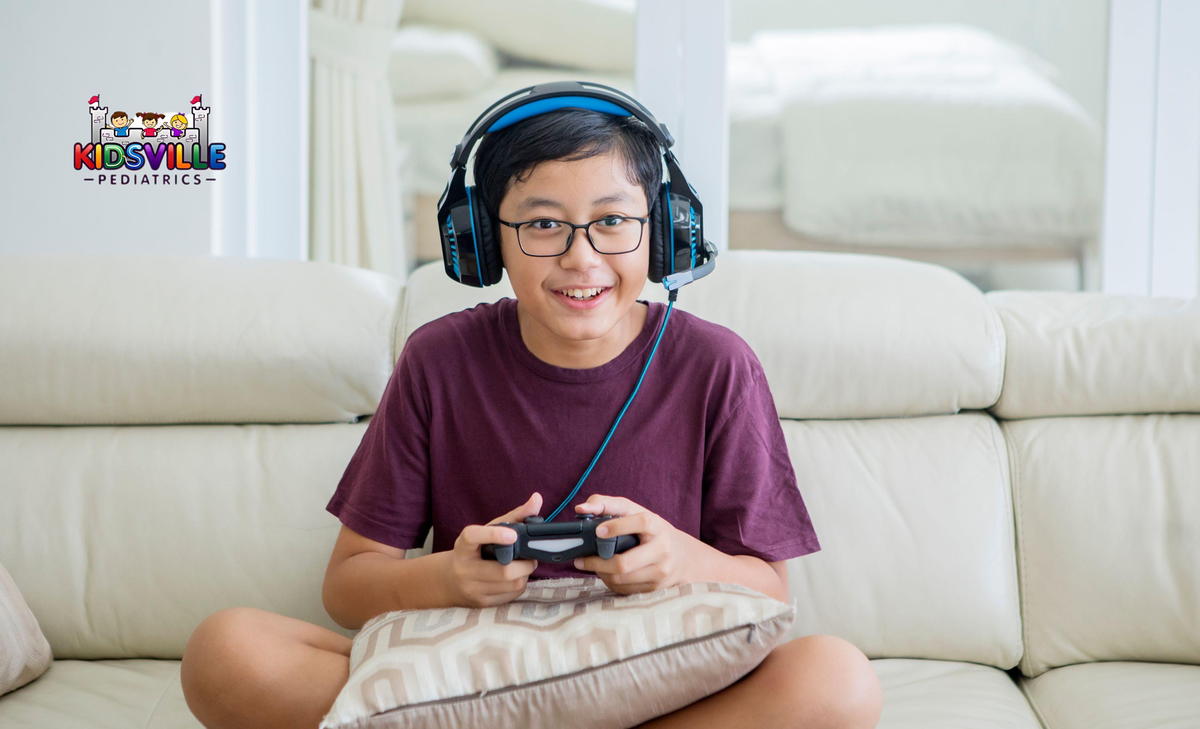
While video games have potential risks, not all games negatively impact behavioral health. Certain games can foster creativity, strategic thinking, and teamwork. Educational games and those that require problem-solving can improve cognitive function and hand-eye coordination. The key factor is moderation and content selection.
Positive Effects of Balanced Gaming:
-
Games that require problem-solving, like puzzles and strategy-based games, can enhance cognitive skills.
-
Cooperative games can encourage teamwork and communication skills when played in moderation.
-
Some games help children develop perseverance, learning from failure, and adapting strategies to succeed.
-
Some games can serve therapeutic purposes, such as those designed to help children with autism improve their social skills and communication abilities.
Parental Strategies for Healthy Gaming Habits
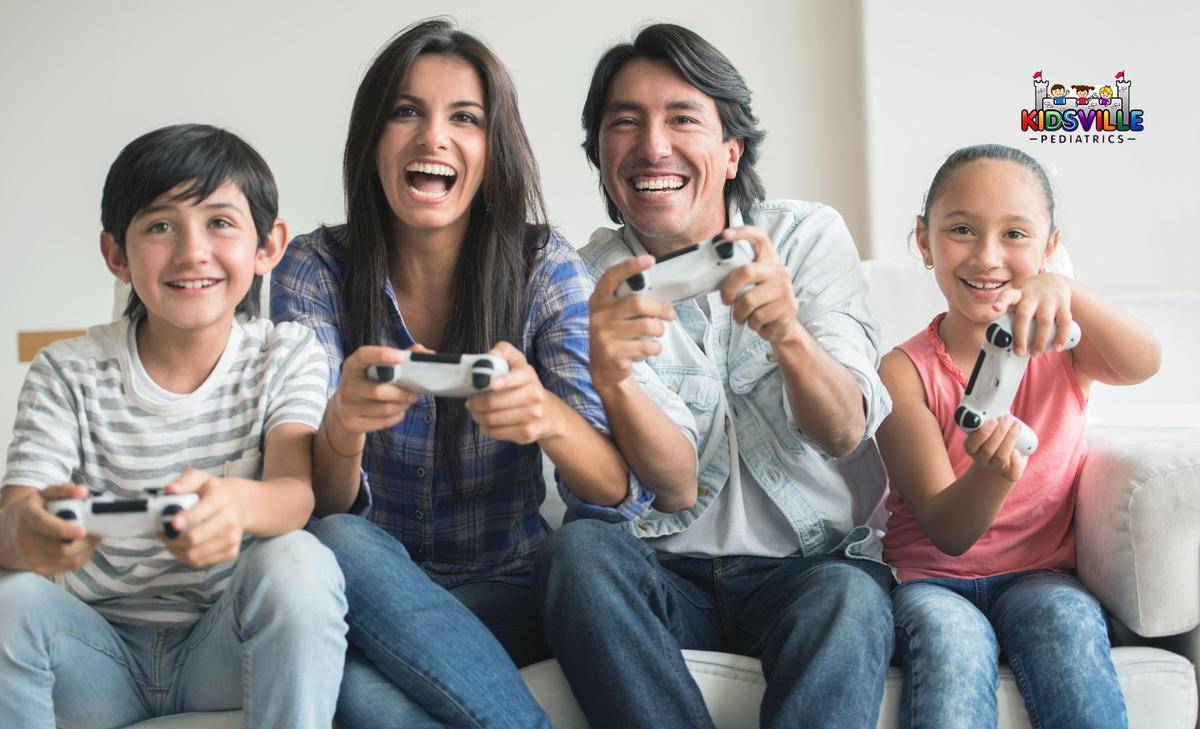
To mitigate the hidden risks of video games on children’s behavioral health, parents and caregivers must take proactive steps to encourage responsible gaming habits. Pediatric psychiatry can offer valuable strategies and support to help children develop healthy relationships with gaming while maintaining their mental well-being:
-
Set Time Limits and Boundaries
-
The American Academy of Pediatrics recommends limiting screen time to no more than 1-2 hours per day for children.
-
Encourage gaming breaks and ensure that video games do not replace physical activity, homework, or family interactions.
-
Establish clear gaming schedules that prioritize responsibilities before entertainment.
-
-
Monitor Game Content
-
Choose age-appropriate games with positive themes and avoid violent or excessively stimulating games.
-
Utilize parental controls and game ratings (ESRB) to determine suitability.
-
Engage in co-play with children to better understand the content they consume.
-
-
Encourage Social Interaction and Alternative Activities
-
Promote activities such as sports, outdoor play, and creative hobbies to balance gaming with real-world experiences.
-
Encourage children to engage in face-to-face social interactions to develop healthy communication skills.
-
Foster opportunities for community involvement, such as clubs and volunteer work, to build interpersonal skills.
-
-
Model Healthy Screen Behavior
-
Parents should set an example by demonstrating responsible screen usage and engaging in non-digital activities together as a family.
-
Designate “screen-free zones” in the home, such as during mealtime or before bedtime.
-
Encourage mindfulness and time management techniques to promote balanced screen use.
-
-
Teach Emotional Regulation and Coping Strategies
-
Help children develop healthy ways to manage frustration and disappointment without relying on video games.
-
Encourage mindfulness practices, such as deep breathing or journaling, to improve emotional regulation.
-
Support open discussions about emotions and stress management strategies. A psych nurse practitioner can provide valuable insights and techniques to help children navigate their emotions effectively.
-
Pedia Near Me: Kidsville Pediatrics Southlake
Video games are a major part of modern childhood, and while they offer benefits, the hidden risks to behavioral health cannot be ignored. Excessive gaming can lead to emotional dysregulation, social withdrawal, addiction, and neurological changes that affect impulse control and emotional well-being. However, with mindful parenting, content monitoring, and setting boundaries, children can enjoy video games without compromising their behavioral health. The key lies in moderation, responsible usage, and ensuring that gaming remains a balanced and positive part of a child’s life.


