
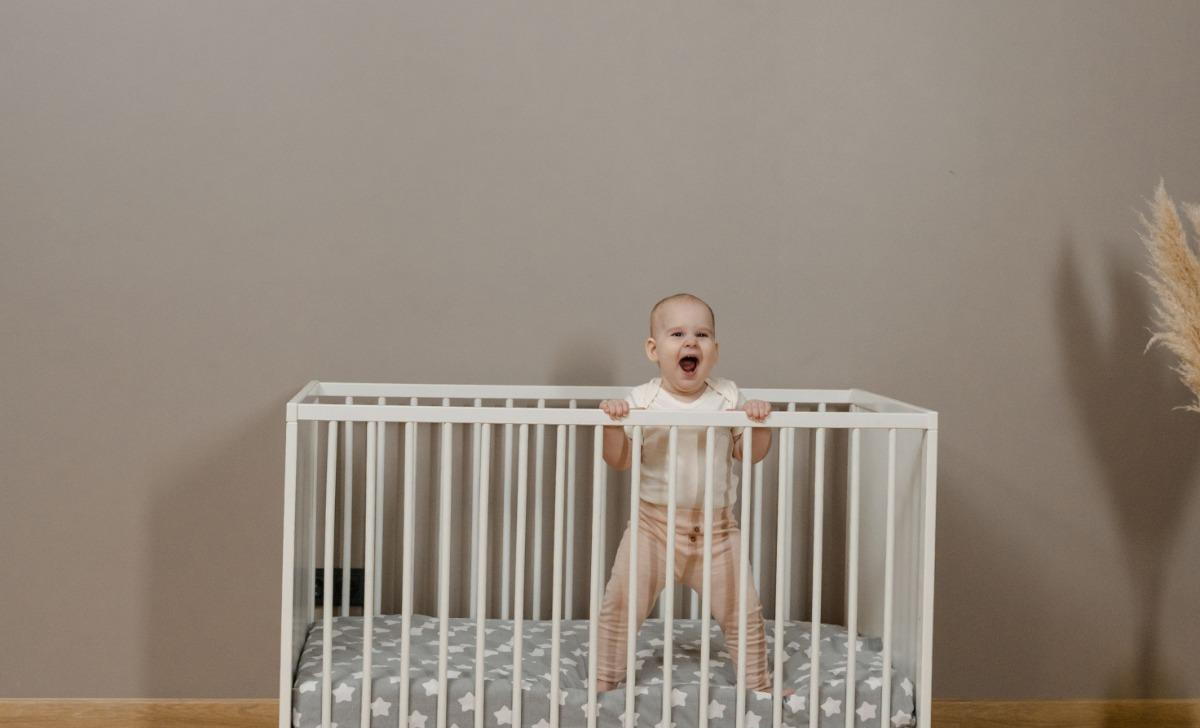
As parents, ensuring your baby’s safety is always a top priority, especially during sleep. Cribs, where babies spend a significant portion of their time, should be carefully selected and maintained for optimal safety. The right crib and safe sleep practices can help reduce the risk of accidents and injuries. Here’s an in-depth guide on crib safety, covering everything from crib selection to proper usage and maintenance.
1. Choose the Right Crib
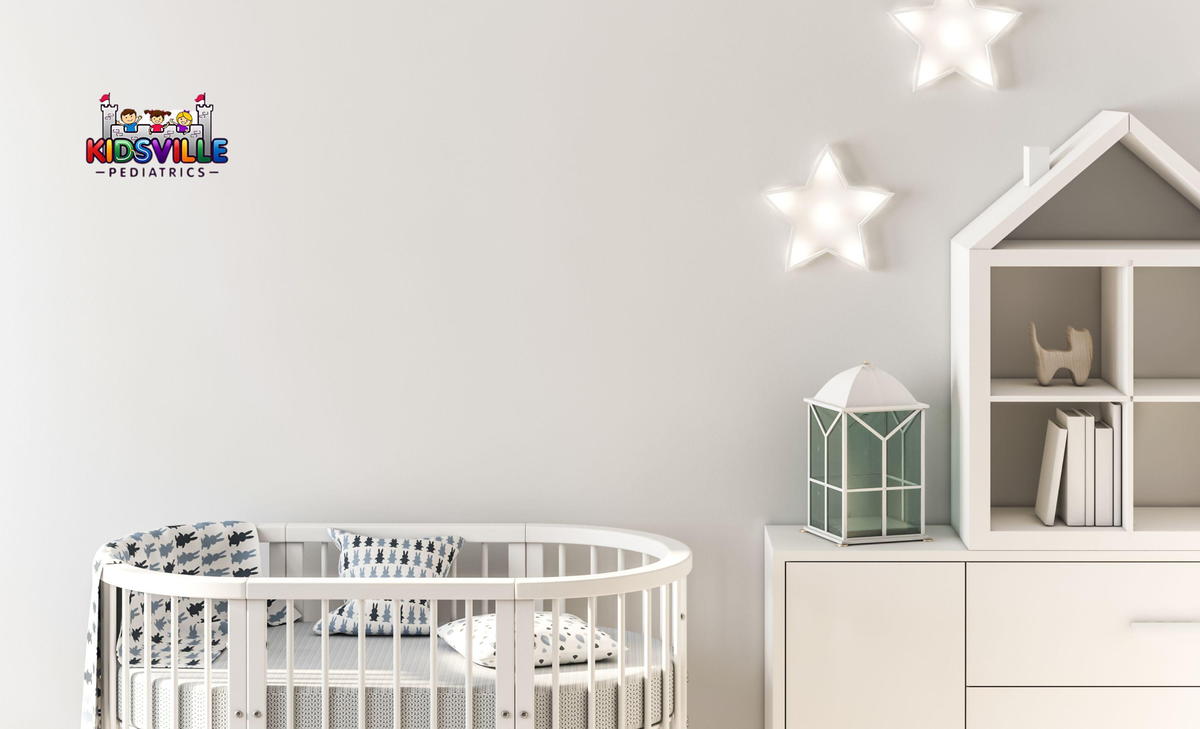
The first step to crib safety is selecting the right crib. Not all cribs are created equal, and it’s essential for you to choose one that meets safety standards, something we, at Kidsville Pediatrics, highly recommend.
Look for Safety Certifications:
When purchasing a crib, always look for certification from organizations like the Juvenile Products Manufacturers Association (JPMA). This ensures the crib has passed safety tests that meet or exceed federal safety standards. Look for the JPMA seal on the crib packaging or label.
Crib Type:
There are various types of cribs, including standard cribs, convertible cribs, and mini cribs. Regardless of the style, make sure the crib:
-
Has slats spaced no more than 2 3/8 inches apart to prevent the baby’s head or limbs from getting stuck.
-
Does not have decorative cutouts or sharp edges that could pose a safety hazard.
-
Is stable and does not wobble when touched.
Avoid Cribs with Drop-Sides:
Drop-side cribs, once common in many households, have been banned in the U.S. since 2011 due to safety concerns. The drop-side mechanism could malfunction, leading to entrapment and suffocation hazards. Opt for cribs with fixed sides for maximum safety, as advised by your pediatrician McKinney, TX expert.
Ensure a Firm Mattress Fit:
The crib mattress should fit snugly in the crib without any gaps between the sides of the mattress and the crib frame. Gaps could cause suffocation hazards if the baby’s face or body gets trapped between the mattress and the crib sides. Check the firmness of the mattress by pressing down on it; a soft mattress could pose a suffocation risk, so it’s important to choose a firm mattress that fits securely within the crib.
2. And the Right Bedding
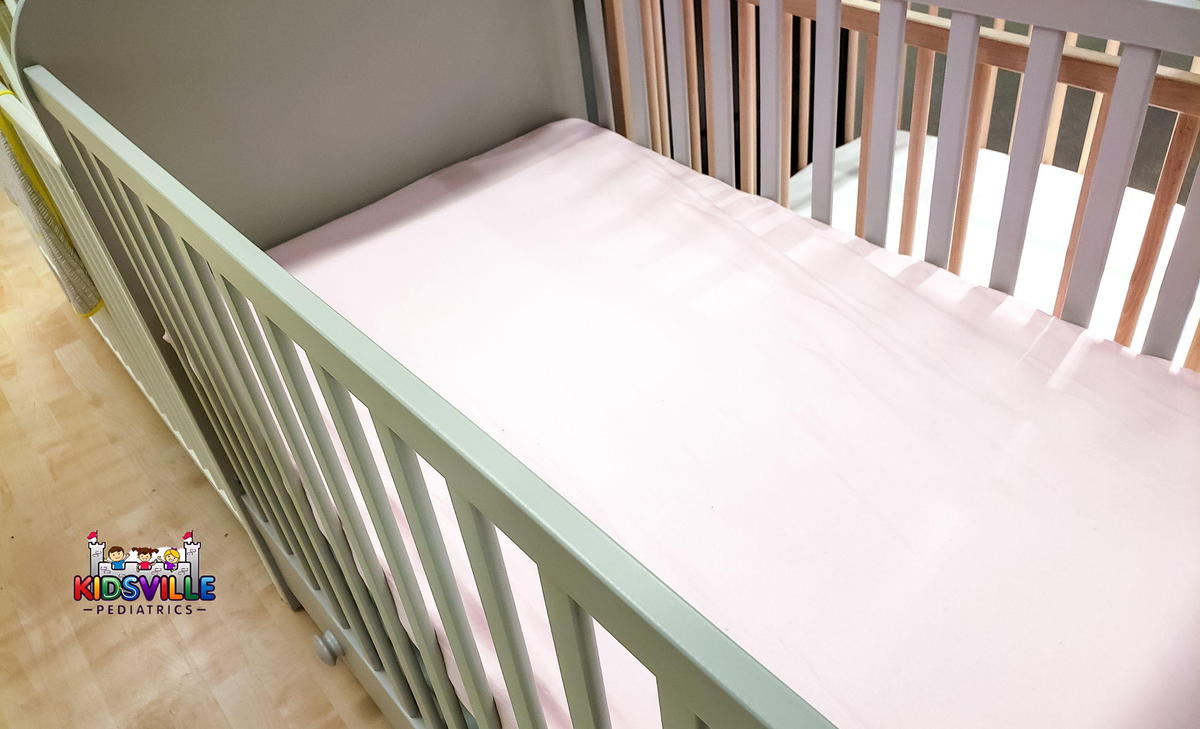
Once you have the crib set up, you’ll want to ensure the bedding is both safe and comfortable for your baby. Here’s what you need to know:
Use a Fitted Sheet:
Always use a tight-fitting fitted sheet designed specifically for your crib’s mattress. Avoid using loose blankets, pillows, or stuffed animals in your baby’s crib, as they can increase the risk of suffocation or Sudden Infant Death Syndrome (SIDS).
Avoid Soft Bedding:
Soft bedding such as comforters, quilts, or bumper pads should never be used in a crib. These items pose a risk of suffocation and strangulation. Bumper pads, in particular, have been associated with a significant number of infant deaths and should be avoided altogether. Instead, consider using wearable blankets or sleep sacks, which are designed to keep your baby warm without the risks associated with loose bedding, as recommended by McKinney pediatrics doctors.
Keep Pillows and Toys Out of the Crib:
It might be tempting to add a plush toy or a cute pillow to your baby’s crib, but these items can pose a suffocation hazard. Babies under 12 months old should not have any soft objects in their sleep environment.
3. Be Mindful of Positioning and Sleep Environment
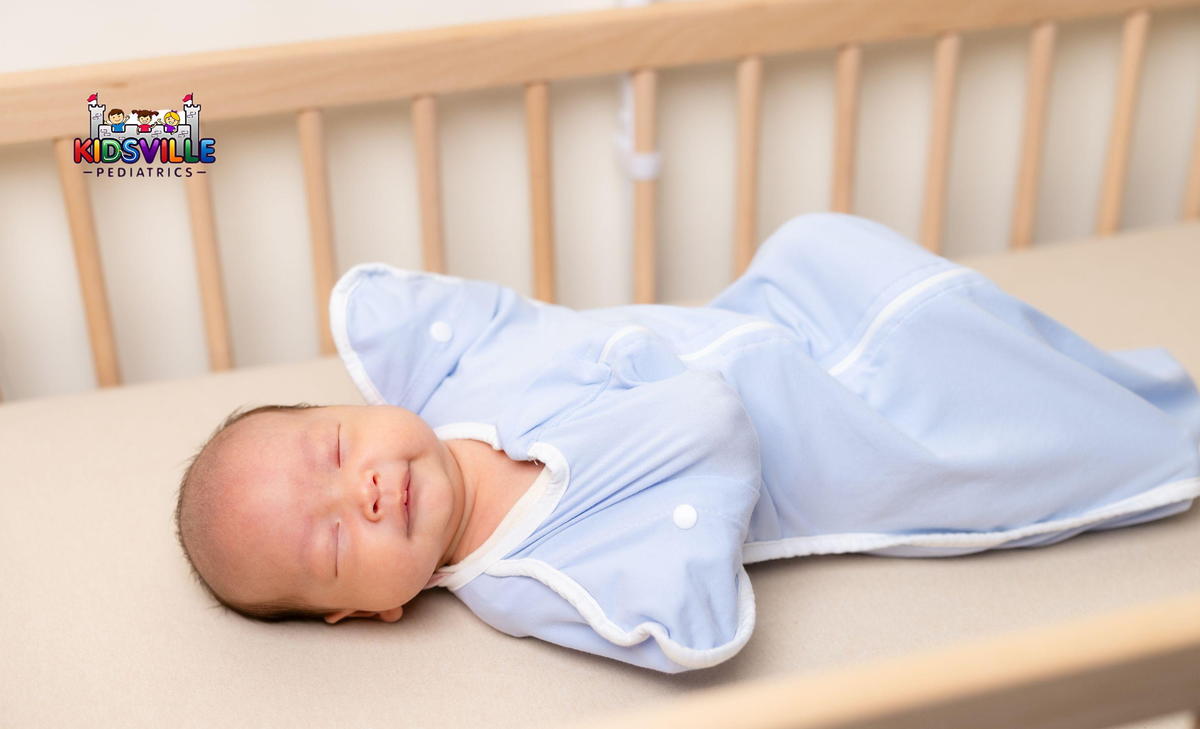
Creating a safe sleep environment for your baby includes paying attention to how and where your baby sleeps within the crib.
Place Baby on Their Back to Sleep:
Always lay your baby on their back to sleep, as this greatly lowers the risk of SIDS. Research has consistently shown that babies who are placed on their stomachs or sides to sleep have a higher risk of SIDS. This safe sleep practice should be followed for every nap and nighttime sleep, even if your baby can roll over on their own.
Avoid Overheating:
Keep your baby’s sleep environment cool and comfortable to avoid overheating. The ideal room temperature for a baby’s sleep space is between 68-72°F (20-22°C). Dress your baby in lightweight, breathable clothing, and avoid over-bundling them with too many layers of blankets.
Use a Sleep Sack or Wearable Blanket:
To avoid using loose blankets, consider using a sleep sack or wearable blanket to keep your baby warm. These items are designed to allow the baby to move freely while still providing warmth, all without the risk of suffocation, as recommended by your pediatrician McKinney specialist.
No Co-Sleeping:
Although co-sleeping with your baby may seem like a natural way to bond, it’s not recommended due to the risk of suffocation, falls, and overheating. The American Academy of Pediatrics (AAP) advises that babies sleep in the same room as their parents, but in their own separate crib or bassinet.
4. Maintain Crib Safety

Once you’ve chosen the perfect crib and set it up safely, you’ll need to regularly inspect it to make sure it remains secure.
Regularly Check for Loose or Broken Parts:
Periodically inspect the crib for any loose screws, broken slats, or other damaged parts. A damaged crib can be dangerous for your baby, so it’s essential to maintain the integrity of the crib. If any part of the crib is broken, it should be repaired or replaced immediately.
Ensure the Mattress Height is Appropriate:
As your baby grows, you’ll need to adjust the crib mattress height. When your baby is a newborn, the mattress should be in the highest position to make it easier for you to reach them. As your baby begins to sit and stand, lower the mattress to the lowest setting to prevent them from climbing out and risking a fall.
Avoid Hanging Items Over the Crib:
Never hang anything above the crib, such as mobiles, toys, or cords. These items could fall or become entangled, posing a strangulation risk. If you choose to use a mobile, make sure it is securely attached to the crib and that it’s out of reach of your baby, as we at Kidsville Pediatrics McKinney always recommend.
Keep the Crib Clear of Clutter:
It’s important to keep the crib clear of clutter, such as extra pillows, blankets, or stuffed animals. These items may seem harmless, but they can increase the risk of suffocation or entrapment. Stick to the essentials—fitted sheet and firm mattress—within the crib to ensure your baby has a safe sleep space.
5. Know How to Transition

As your baby grows and starts to show signs of wanting to transition out of the crib, keep these tips in mind:
Move the Baby to a Toddler Bed at the Right Time:
Babies typically move to a toddler bed when they are able to climb out of the crib, usually around 2 years old. When transitioning to a toddler bed, make sure the bed has guardrails to prevent your child from falling out. Keep the room safe by removing any potential hazards near the bed.
Safety Gates for Older Children:
As your child grows, be mindful of other safety hazards in their room. For older toddlers and young children, consider installing safety gates to keep them from accessing areas like stairs or sharp objects.
Pedia Near Me
Crib safety is one of the most important aspects of ensuring your baby’s well-being while they sleep. By choosing a crib that meets safety standards, using the right bedding, and maintaining a safe sleep environment, you’re taking essential steps to protect your little one. Always follow safe sleep practices and regularly inspect the crib to ensure it remains secure. A little preparation goes a long way in creating a safe, comfortable space for your baby to rest and grow, with guidance from your pediatrician.
Your baby’s crib should be a sanctuary, a peaceful place where they can sleep soundly and safely. By staying informed about the latest crib safety guidelines and practices, you’re ensuring that your baby has a safe, restful environment where they can thrive.


