
Early Identification of Developmental Delays: A Key to Unlocking Children’s Potential

Early childhood development is a critical period in a child’s life, where the foundations for future learning, behavior, and health are laid. However, some children may experience delays in their development, which can have a lasting impact on their future well-being. Developmental delays are a growing concern among healthcare providers, parents, and educators, as early intervention can significantly improve outcomes for children. This article explores the importance of early identification of developmental delays, the signs to look for, and how early interventions can make a difference.
What Are Developmental Delays?

Developmental delays refer to when a child does not achieve developmental milestones within the expected age range. These delays may occur in one or more areas of development, including cognitive, motor, speech and language, social-emotional, or adaptive skills. A delay is not necessarily a sign of a lifelong condition, but it can be an indication that a child may need additional support to reach their potential. These delays are often linked to various factors, such as genetics, prenatal exposure to toxins, environmental influences, or medical conditions. If you notice signs of developmental delays in your child, consulting a pediatrician McKinney expert is an essential first step in ensuring timely intervention and support for your child’s needs.
Children with developmental delays may take longer than their peers to master skills such as walking, talking, or problem-solving. For example, a child with a delay in motor skills may struggle with activities like stacking blocks or running, while a child with a delay in speech may have difficulty forming words or understanding language. While every child develops at their own pace, delays that persist or become more pronounced may require professional intervention.
The Importance of Early Identification
Identifying developmental delays early is critical because it allows for timely intervention, which can significantly improve a child’s development and quality of life. The earlier the intervention, the more effective it can be in addressing the child’s unique needs. Research has shown that early identification and treatment of developmental delays can prevent or reduce the severity of developmental disabilities, improve learning outcomes, and increase a child’s chances of achieving success in school and later in life.
The brain is highly malleable during the early years, meaning that early intervention can take advantage of this plasticity to help children develop skills that they may not have acquired without support. Early intervention can also minimize the emotional and social consequences of developmental delays, which may lead to frustration, behavioral problems, and social isolation.
Additionally, when developmental delays are identified early, parents can gain access to resources and support networks that can help them better understand and manage their child’s needs. Early identification also ensures that children are not falling behind their peers without receiving the necessary help and support. If you’re concerned about your child’s development, visiting your McKinney pediatrics specialists can be an important step to ensure the timely care and guidance needed for your child’s progress.
Signs of Developmental Delays in Children
Recognizing developmental delays can be challenging for parents and caregivers, particularly since every child develops differently. However, certain red flags may suggest that a child is experiencing developmental delays. These signs can be categorized into various domains of development:

Cognitive Development:
-
Difficulty with problem-solving or learning new concepts.
-
Trouble understanding basic concepts such as size, shape, or time.
-
Limited memory and inability to remember simple instructions or events.
Motor Development:
-
Delays in physical milestones, such as rolling over, sitting up, crawling, or walking.
-
Difficulty with hand-eye coordination, such as struggling to hold a spoon or a pencil.
-
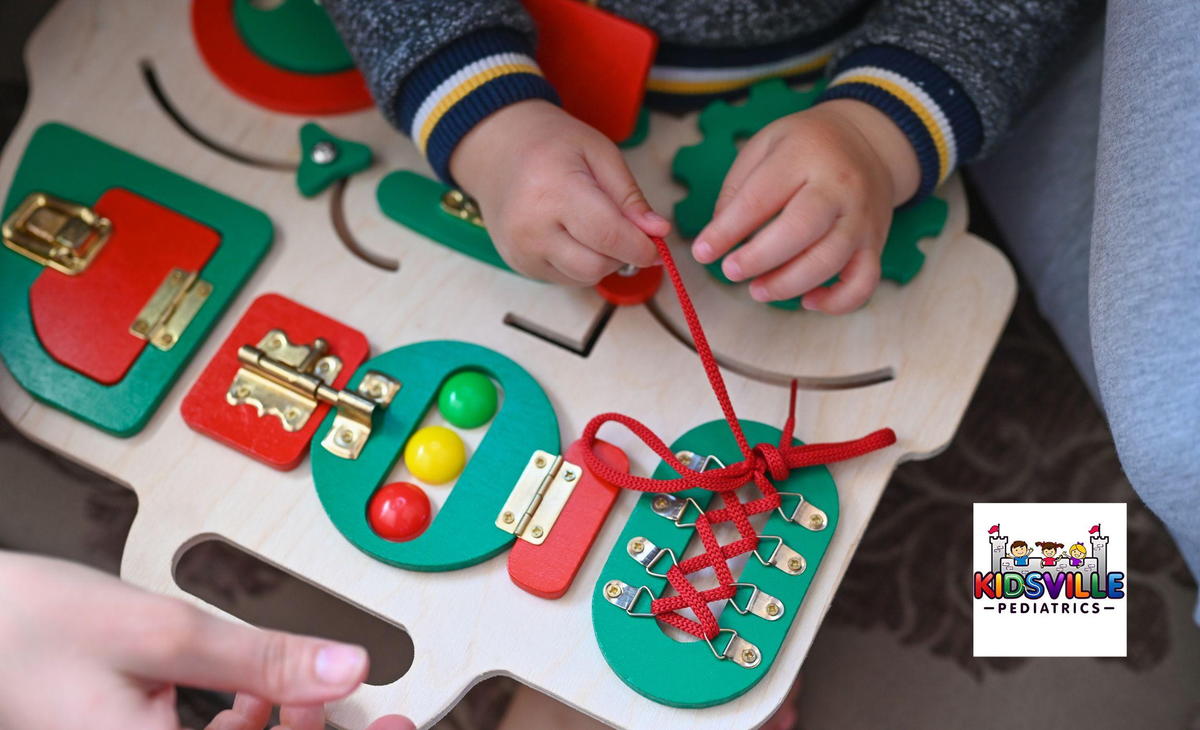
Limited fine motor skills, like trouble using a fork or buttoning clothes.

Speech and Language Development:
-
Limited or delayed vocabulary for age.
-
Difficulty forming sentences or pronouncing words clearly.
-
Challenges with understanding language, such as following simple instructions or answering questions.

Social and Emotional Development:
-
Difficulty making eye contact or interacting with others.
-
Limited interest in playing with peers or adults.
-
Trouble expressing emotions or understanding others’ emotions.

Adaptive Skills:
-
Difficulty with self-care tasks like dressing, feeding, or potty training.
-
Trouble with transitions or changes in routine.
-
Struggles with independence and a reliance on adults for daily activities.
Parents, caregivers, early childhood educators, and McKinney pediatrics doctors should be aware of these developmental milestones and watch for signs that a child may be experiencing delays. If any of these red flags are present, it is essential to seek professional advice as soon as possible.
Screening and Assessment for Developmental Delays
To identify developmental delays, healthcare providers typically use a combination of developmental screening tools and assessments. Screening is a quick process designed to detect children who may be at risk for developmental delays. Pediatricians or other healthcare professionals may ask parents to complete questionnaires about their child’s development or conduct simple tests that measure skills like speech, motor function, and social behavior.
The American Academy of Pediatrics (AAP) recommends that McKinney pediatrics doctors routinely screen children for developmental delays at well-child visits, particularly at ages 9, 18, and 30 months, with additional screening as needed for children at risk for developmental delays. Early screenings can catch delays early, allowing healthcare professionals to refer children to specialists or developmental therapists who can offer further evaluations and support.
In addition to screenings, comprehensive assessments are used to diagnose developmental delays and identify the specific areas in which a child is struggling. These assessments may include interviews with parents, observations of the child’s behavior, and formal evaluations by specialists, such as speech therapists, occupational therapists, or developmental psychologists.
Early Intervention: Making a Difference in Children’s Lives
Once developmental delays are identified, early intervention is critical. Early intervention programs focus on providing targeted therapies, resources, and support to children and their families. The goal is to help children reach their full potential by addressing developmental delays as early as possible.
In the United States, the Individuals with Disabilities Education Act (IDEA) mandates that children with developmental delays are entitled to early intervention services, often through a system known as Part C of IDEA. These services are tailored to meet the individual needs of the child and may include therapies such as speech therapy, physical therapy, occupational therapy, and behavioral therapy. Services are typically provided in natural environments, such as the home, childcare settings, or preschool, to ensure the child is comfortable and able to integrate their learning into everyday activities.
Early intervention can make a tremendous difference in the outcomes for children with developmental delays. For example, speech therapy can help children with language delays develop communication skills, while physical therapy can help children with motor delays improve their coordination and strength. In many cases, early intervention leads to significant improvements in a child’s ability to interact with peers, perform academic tasks, and develop emotionally and socially.
The Role of Parents and Pediatricians in Early Identification and Intervention
Parents and caregivers play a crucial role in the early identification and intervention process. They are often the first to notice developmental delays and can be instrumental in seeking help. Being proactive about seeking professional advice when concerns arise can lead to early identification and a more successful intervention.
It is important for parents to advocate for their children and seek second opinions if they feel that a delay is being overlooked. Support groups and organizations that focus on developmental delays can also be valuable resources for families, offering guidance, resources, and emotional support.
Additionally, parents and caregivers are integral to the success of early intervention. By actively participating in therapy sessions, reinforcing learned skills at home, and maintaining open communication with healthcare providers, parents can help their children achieve the best possible outcomes.
Pediatric Healthcare McKinney
Early identification of developmental delays is a critical component of ensuring that children grow and develop to their fullest potential. These can affect various aspects of a child’s life, but with early intervention, many children can overcome these challenges and thrive. Parents, caregivers, and healthcare providers all play an essential role in identifying delays early and providing the necessary support and therapies to address them. By prioritizing early identification, we can help children with these delays access the resources they need to lead successful, fulfilling lives.
|
Click to Schedule An Appointment. Or visit/call our clinics: Kidsville Pediatrics Mansfield TX: 682-341-3910; 1759 Broad Park Circle S, Suite 201 & 205, Mansfield, TX Kidsville Pediatrics Southlake: 682-345-8010; 2813 W. Southlake Blvd Suite 100 Southlake, TX Kidsville Pediatrics McKinney: 469-885-9400; 5881 Virginia Pkwy. Suite 300 Mckinney, TX |


