

Family dynamics profoundly shape a child’s emotional well-being, playing a critical role in their psychological development. The quality of interactions within a family—whether nurturing or conflict-ridden—can have lasting effects on pediatric mental health. Understanding how these dynamics impact children is crucial for creating supportive environments that foster resilience and healthy development.
Family Relationships as the Foundation of Mental Health

Children’s earliest experiences with relationships occur within the family, where they learn emotional regulation and coping strategies. Healthy family environments offer children:
-
Emotional security and stability
-
Opportunities to develop positive coping mechanisms
-
A strong sense of belonging and self-worth
On the other hand, family environments marked by frequent conflict or neglect can increase the risk of anxiety, depression, and behavioral issues, underscoring the importance of addressing family dynamics in pediatric mental health care.
The Importance of Secure Attachment
Attachment theory highlights how early relationships with caregivers shape a child’s ability to manage emotions and stress. Secure attachment, characterized by consistent emotional support, fosters confidence and emotional resilience. Conversely, children with insecure attachments may develop anxiety, trust issues, or difficulties with emotional regulation. Pediatricians often emphasize the role of responsive caregiving in promoting healthy attachment and, by extension, the child’s mental health.
The Role of Communication in Mental Health

Effective communication is a cornerstone of healthy family dynamics. Open, supportive dialogue helps children express their emotions and seek support when needed. Key elements of healthy communication include:
-
Active listening: Genuinely hearing and validating a child’s concerns.
-
Problem-solving: Collaborating on solutions to conflicts in a way that models healthy conflict resolution.
-
Emotional validation: Ensuring children feel heard and understood, which promotes emotional security.
Families that communicate effectively can better support pediatric mental health, while those with poor communication may contribute to emotional challenges in children.
Impact of Family Conflict on Children
While conflict is normal in families, chronic, unresolved disputes can negatively impact a child’s mental health. Exposure to high levels of conflict is linked to increased anxiety, depression, and behavior issues. Children witnessing frequent parental disputes may feel responsible for the tension, exacerbating emotional distress. Pediatric behavioral health professionals often advise families to resolve conflicts constructively to protect children’s mental health.
Parenting Styles and Their Effects

Parenting styles significantly influence a child’s mental health. The four common parenting styles include:
-
Authoritative (high warmth, high structure): Encourages independence while providing support, promoting optimal mental health.
-
Authoritarian (low warmth, high structure): Rigid and punitive, often leading to anxiety and low self-esteem.
-
Permissive (high warmth, low structure): Lacks boundaries, which can result in poor self-regulation.
-
Neglectful (low warmth, low structure): Associated with the most adverse mental health outcomes, including feelings of abandonment.
Authoritative parenting is widely regarded as the most beneficial for pediatric mental health, balancing discipline with emotional support.
Sibling Dynamics and Their Role
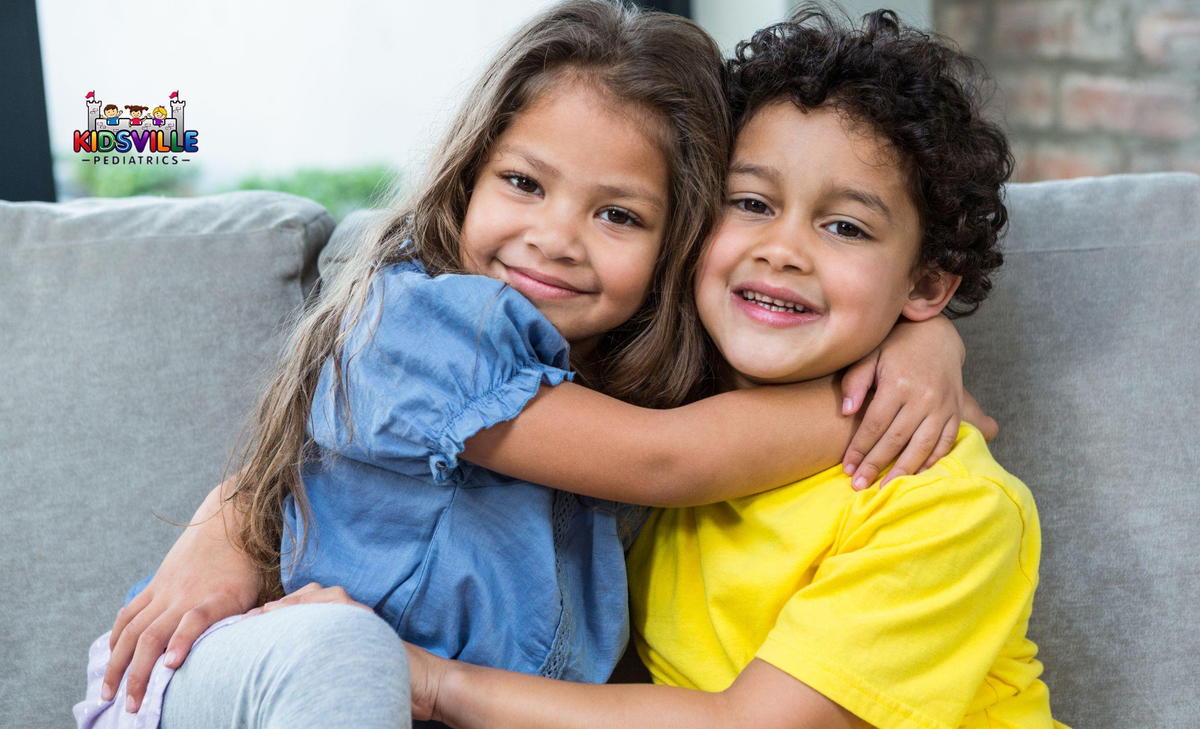
Sibling relationships play a pivotal role in a child’s emotional development. Positive interactions between siblings can provide vital emotional support and enhance social skills. Conversely, issues such as sibling rivalry or perceived favoritism may contribute to stress, anxiety, and feelings of inadequacy. Parents can help by mediating conflicts, fostering cooperation, and ensuring fair treatment among siblings, which bolsters overall pediatric mental health.
For families facing persistent challenges, a mental health clinic can offer professional guidance. Clinics provide tailored strategies to help families nurture healthier sibling bonds, ensuring emotional stability and long-term well-being.
Cultural Influences on Family Dynamics
Cultural beliefs shape family dynamics and, consequently, children’s mental health. Norms around emotional expression, discipline, and family roles vary, influencing how children perceive and manage emotions. Pediatricians providing culturally sensitive care can help families navigate these influences, ensuring children’s mental health needs are met.
Strengthening Family Dynamics to Support Mental Health

Families can enhance their dynamics through:
-
Modeling healthy emotional expression
-
Prioritizing quality time and shared activities
-
Establishing consistent routines
-
Seeking professional support when necessary
By fostering positive family interactions and addressing potential stressors, families can create an environment that supports children’s pediatric mental health. Prioritizing open communication, secure attachment, and healthy conflict resolution equips children with the emotional tools needed to navigate life’s challenges.
|
Click to Schedule An Appointment. Or visit/call our clinics: Kidsville Pediatrics Mansfield TX: 682-341-3910; 1759 Broad Park Circle S, Suite 201 & 205, Mansfield, TX Kidsville Pediatrics Southlake: 682-345-8010; 2813 W. Southlake Blvd Suite 100 Southlake, TX Kidsville Pediatrics McKinney: 469-885-9400; 5881 Virginia Pkwy. Suite 300 Mckinney, TX |


