
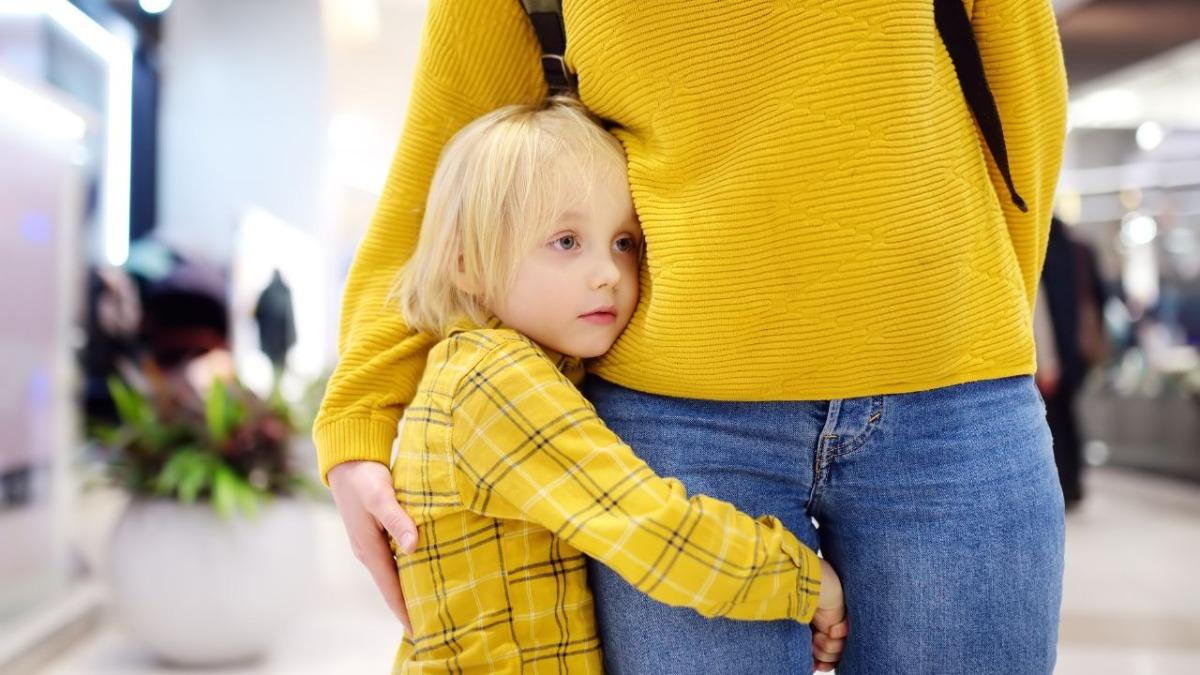
Separation Anxiety Disorder (SAD) is a significant mental health concern where a child experiences intense fear and anxiety about being apart from family members or caregivers. This anxiety goes beyond the typical separation distress seen in young children and can profoundly impact a child’s daily life. At Kidsville Pediatrics McKinney, we understand the challenges of dealing with SAD and are here to help guide you through understanding and managing this condition.
What is Separation Anxiety Disorder?
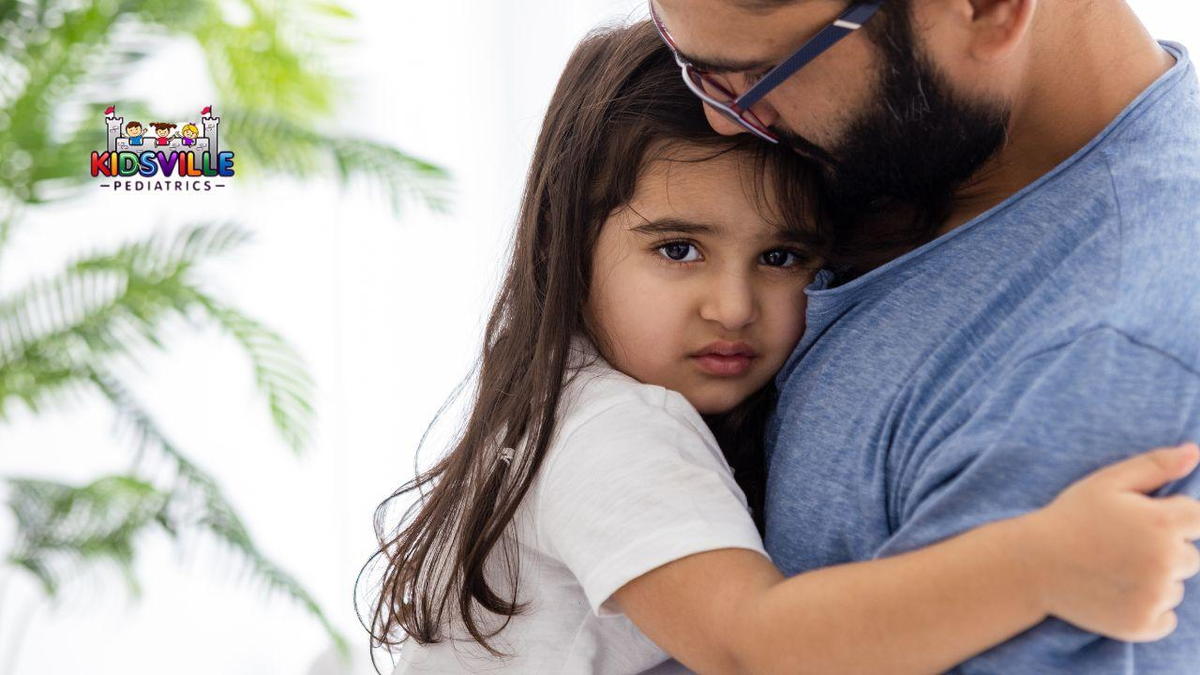
Separation Anxiety Disorder (SAD) is a condition characterized by excessive anxiety about being separated from primary caregivers or familiar environments. While some degree of separation anxiety is normal in young children, particularly between 18 months and 3 years old, SAD involves more severe and persistent symptoms that can interfere with a child’s ability to function normally. For a diagnosis of SAD, the symptoms must last for at least four weeks and be inappropriate for the child’s developmental level.
Understanding the Causes of Separation Anxiety Disorder

SAD is believed to result from a combination of biological and environmental factors:
1. Biological Factors
-
Genetic Predisposition: Children may inherit a predisposition to anxiety disorders. Research suggests that if a parent has an anxiety disorder, their child is more likely to develop SAD. Age can be a significant factor in determining whether your child’s anxiety or depression may have a genetic component. If your child or a close family member developed these conditions before the age of 20, it suggests a higher likelihood that the issue could be hereditary. Early onset of anxiety or depression often points to a genetic predisposition.
Genetic Factors in Anxiety and Depression
Even if anxiety or depression appears in older family members, genetics can still play a role. However, when these conditions develop after age 20, they are often linked to life stressors or traumatic events rather than purely genetic factors. If your child has a parent, sibling, or other close relative with a history of anxiety or depression, there is a higher chance that these conditions might affect them as well.
Recognizing the Symptoms: What to Look Out For
Being aware of the symptoms of anxiety and depression is crucial, especially if these conditions are present in your family. Early detection and intervention can make a significant difference in managing your child’s mental health.
Signs of Depression in Children
Children with depression might show:
-
Persistent feelings of hopelessness or sadness
-
Noticeable lack of energy or fatigue
-
Increased irritability or anger
-
Significant changes in appetite or weight
-
Loss of interest in activities they usually to like
-
Excessive feelings of guilt or worthlessness
-
Neglect of personal responsibilities or hygiene
-
Difficulty concentrating on tasks
For a diagnosis of depression, these symptoms need to be present for at least two weeks.
-
Brain Chemistry: Pediatricians suggest that Separation Anxiety Disorder (SAD) arises from a combination of biological and environmental factors. A child might inherit a predisposition to anxiety, and imbalances in brain chemicals such as norepinephrine and serotonin are believed to contribute to the condition.
2. Environmental Factors
-
Family Influence: Children can learn anxious behaviors from family members. If caregivers exhibit anxiety or stress, children may mirror these behaviors.
-
Traumatic Events: When children are repeatedly exposed to traumatic events like harsh words, neglect, or violence, they can experience toxic stress. This kind of stress causes their stress response systems to become overly active, which can result in emotional, behavioral, and developmental problems. Such challenges can profoundly affect a child’s sense of safety and security, potentially leading to severe separation anxiety.
-
Parent-Child Relationship: Insecure attachment styles or overprotective parenting can contribute to the development of SAD. Children who have difficulty separating from their parents or who have been shielded from normal life stresses may be more prone to SAD.
Identifying Risk Factors
SAD affects children of both genders equally, but certain factors can increase the likelihood of developing the disorder:
-
Family History: Children with parents who have anxiety disorders or mental health conditions are at a higher risk.
-
Previous Traumatic Experiences: Children who have experienced significant trauma or loss may be more susceptible to SAD.
-
Temperament: Children with a more inhibited or cautious temperament may be more prone to developing anxiety disorders.
Recognizing Symptoms of Separation Anxiety Disorder

Symptoms of SAD can vary from child to child, but common signs include:
1. Reluctance to Sleep Alone
Children with SAD often refuse to sleep alone or may require constant reassurance during bedtime. They might express fears about being alone in the dark or have nightmares related to separation.
2. Frequent Nightmares
Recurrent nightmares that focus on themes of separation or loss are common. These nightmares can significantly disrupt a child’s sleep and exacerbate anxiety during the day.
3. Excessive Worry About Safety
Children with SAD may excessively worry about the safety of themselves or their family members when apart. This can include fears that something bad will happen to a loved one or that they will be harmed while away from home.
4. Physical Complaints
Symptoms such as frequent stomach aches, headaches, or muscle tension can manifest as a result of anxiety. These physical complaints are often linked to the child’s emotional distress and can be a way of expressing their anxiety.
5. Extreme Clinginess
Children with SAD may display extreme clinginess, not only at home but also in public or social situations. They may resist participating in activities away from their primary caregivers or show reluctance to engage with peers.
6. Panic Attacks and Temper Tantrums
Separation from caregivers can lead to panic attacks or intense temper tantrums. These episodes often occur during times of separation or when faced with the prospect of being apart from loved ones.
Diagnosing Separation Anxiety Disorder

To diagnose SAD, a thorough evaluation by McKinney pediatricians is essential. The process typically involves:
1. Physical Examination
A physical exam helps rule out any underlying medical conditions that might be contributing to the child’s symptoms. This step ensures that physical health issues are not mistaken for psychological problems.
2. Mental Health Assessment
If physical causes are ruled out, a mental health professional, such as a child psychiatrist or psychologist, will conduct a comprehensive assessment. This evaluation involves discussing the child’s symptoms, behaviors, and emotional state.
3. Duration of Symptoms
For a diagnosis of SAD, symptoms must be present for at least four weeks. This timeframe allows McKinney pediatrics doctors to determine whether the anxiety is persistent and significantly impacting the child’s functioning.
Treatment Options for Separation Anxiety Disorder
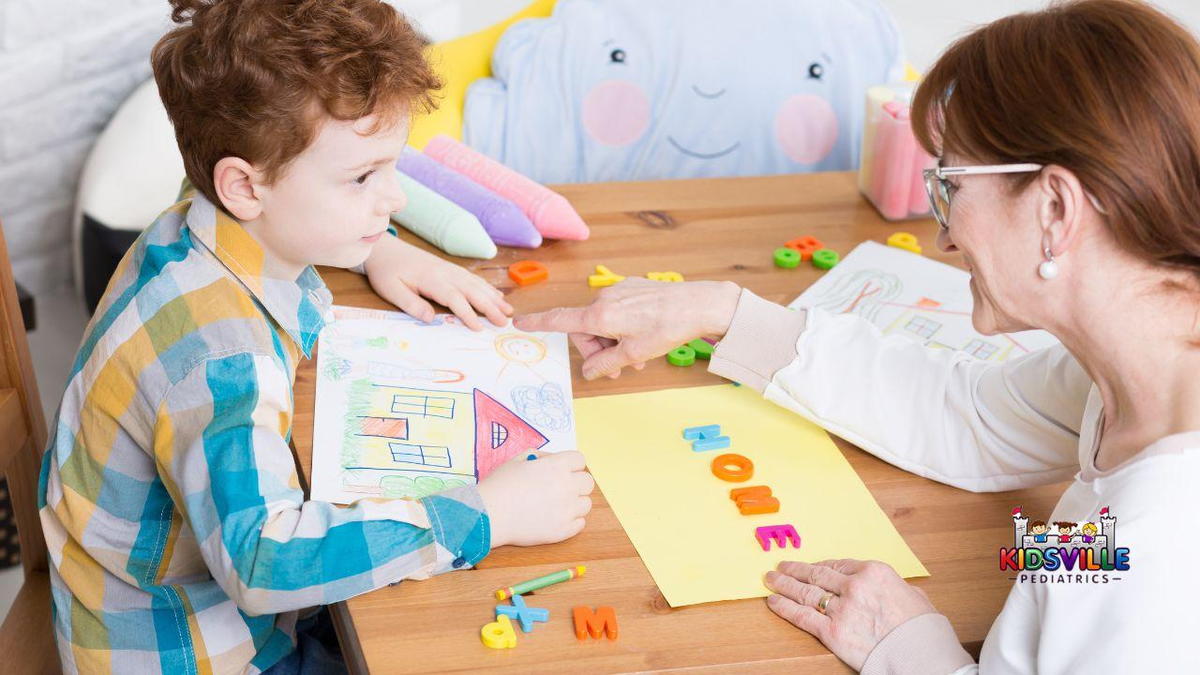
Treatment for SAD is tailored to the individual child and may involve a combination of therapies and interventions:
1. Cognitive Behavioral Therapy (CBT)
CBT is a common and effective treatment for SAD. This therapy helps children identify and challenge their anxious thoughts and develop coping strategies to manage their fears. CBT aims to reduce avoidance behaviors and gradually increase a child’s comfort with separation.
2. Medication
In some cases, medication may be prescribed to help manage symptoms of anxiety. Antidepressants or anti-anxiety medications can be effective in reducing the severity of SAD symptoms, but they are typically used in conjunction with therapy rather than as a standalone treatment.
3. Family Therapy
Family therapy involves working with parents and other family members to address dynamics that may contribute to the child’s anxiety. This approach helps improve communication, establish consistent routines, and provide support for both the child and family.
4. School Involvement
Collaborating with the child’s school can be beneficial in managing SAD. Educators can provide additional support and reassurance, create a more structured environment, and communicate regularly with parents about the child’s progress.
Preventing and Managing Separation Anxiety Disorder

While there is no guaranteed way to prevent SAD, early intervention can significantly improve outcomes. Here are some techniques to help manage and even reduce separation anxiety symptoms:
1. Early Assessment and Treatment
If you notice signs of SAD, seek an assessment from a healthcare provider as soon as possible. Early treatment can help alleviate symptoms and support your child’s normal development.
2. Consistent Routines
Establishing and maintaining consistent routines can provide a sense of stability and predictability for your child. Regular schedules for bedtime, school, and activities can help reduce anxiety.
3. Reassurance and Support
Provide reassurance and support by acknowledging your child’s feelings and offering comfort during times of separation. Encourage age-appropriate independence and gradually increase their exposure to separation situations.
4. Practice Short Separations
Gradually introduce short periods of separation to help your child build confidence. For example, arrange brief playdates or visits to trusted friends or family members. This practice can help your child become more comfortable with being apart.
5. Communication with Caregivers and School
Communicate with your child’s caregivers and school personnel to ensure they understand your child’s needs and can provide appropriate support. Collaboration with these individuals is crucial in creating a comprehensive treatment plan.
6. Family and Individual Therapy
If you or other family members have anxiety disorders, consider seeking individual or family therapy. Addressing these issues can help improve the overall family dynamic and provide additional support for your child.
7. Community Support
Connecting with other parents who have children with SAD can be helpful. Joining support groups or seeking guidance from community services can provide valuable insights and support.
Separation Anxiety Disorder is a significant mental health issue that requires careful management and treatment. Recognizing the symptoms, understanding the causes, and seeking early intervention can greatly benefit your child’s well-being. At Kidsville Pediatrics McKinney, we are committed to supporting families through the challenges of SAD and providing comprehensive care for your child’s mental health needs.
Pediatrician Near Me
To get the most from your visit to a pediatrician McKinney TX expert, be prepared by:
-
Identifying the Purpose: Know the reason for the visit and what you hope to achieve.
-
Preparing Questions: Write down questions and concerns you have about your child’s condition.
-
Documenting Information: Keep track of diagnoses, treatments, and any new directions provided by the healthcare provider.
-
Understanding Treatments: Learn about the prescribed treatments, including their benefits and potential side effects.
-
Exploring Alternatives: Ask about alternative treatments or therapies if needed.
-
Understanding Tests and Procedures: Know why tests or procedures are recommended and what the results might mean.
-
Scheduling Follow-Ups: Note any follow-up appointments and their purposes.
-
Emergency Contact Information: Be aware of how to contact your child’s healthcare provider after hours if necessary.
For personalized guidance and support, contact Kidsville Pediatrics McKinney. We’re here to help you and your child navigate the journey from separation anxiety to triumph.
You may schedule an appointment online: https://www.kidsvillepeds.com/appointment/
Or visit/call our clinics:
Kidsville Pediatrics Mansfield TX: 682-341-3910; 1759 Broad Park Circle S, Suite 201 & 205, Mansfield, TX
Kidsville Pediatrics Southlake: 682-345-8010; 2813 W. Southlake Blvd Suite 100 Southlake, TX
Kidsville Pediatrics McKinney: 469-885-9400; 5881 Virginia Pkwy. Suite 300 Mckinney, TX


