

It’s summer so the change in routine can present unique challenges and opportunities for maintaining and enhancing children’s mental health. During this season, it is crucial for parents and caregivers to be mindful of the various factors that can impact a child’s emotional and psychological well-being. The lack of a structured school day, increased free time, and different social interactions can all play a role in shaping a child’s mental health over the summer months.
Summer well-being is not just about physical health; it’s also about ensuring that children feel happy, secure, and mentally balanced. The freedom of summer can be a double-edged sword—while it offers a break from academic pressures, it can also lead to feelings of boredom, anxiety, and loneliness if not managed properly. Thus, the role of parents and caregivers becomes pivotal in creating an environment that supports mental well-being during these months.
Understanding the importance of children’s mental health during the summer is the first step in providing the right support. By fostering a nurturing environment and engaging in activities that promote mental well-being, we can help children build resilience, develop coping skills, and maintain a positive outlook. The strategies and activities we choose can significantly influence how children perceive their summer experience and their overall mental health.
Creating a Summer Routine to Foster Children’s Mental Health

During summer, maintaining a daily schedule becomes crucial for children’s mental health. A predictable routine can provide a sense of stability and comfort, which is especially important when the structure of the school year is absent. At a pediatric clinic, we often emphasize the benefits of a well-structured day to support the emotional and psychological well-being of children.
A consistent routine helps regulate a child’s body clock, improving their sleep patterns and overall mood. When children know what to expect each day, they experience less anxiety and stress. This predictability fosters a safe environment where children can thrive. Incorporating regular bedtimes and wake-up times, even during the summer, ensures that children get adequate rest, which is fundamental for their mental health.
In addition to sleep, scheduling regular meals and snack times is vital. Proper nutrition and hydration are directly linked to emotional stability and cognitive function. By planning and sticking to set times for meals, parents can ensure that their children maintain a balanced diet, which in turn supports their mental and physical health.
Daily activities should also include time for physical exercise, creative play, and relaxation. Physical activity is known to boost mood and reduce symptoms of anxiety and depression. Whether it’s a family walk, a bike ride, or a visit to the park, regular physical exercise should be a staple in the summer routine. Creative play, such as drawing, crafting, or imaginative games, stimulates the mind and provides a healthy outlet for emotions.
Moreover, downtime is equally important. Children need moments of quiet and rest to process their experiences and recharge. Incorporating periods of relaxation, such as reading a book or quiet time, into the daily schedule helps balance active play and rest, contributing to overall mental well-being.
A pediatric clinic can offer tailored advice on creating a summer routine that meets the unique needs of each child, ensuring a balanced and supportive environment for their mental health. By maintaining a daily schedule, parents can help foster stability and comfort, making summer a time of growth and joy for their children.
The Role of Nutrition in Children’s Mental Health

Nutrition plays a pivotal role in mental well-being, particularly for children. At Kidsville Pediatrics Southlake, we emphasize the importance of a balanced diet in supporting not just physical health, but also emotional and cognitive development. Proper nutrition is essential for maintaining stable moods and promoting overall mental health.
A balanced diet rich in essential nutrients can have profound effects on a child’s mental state. For instance, omega-3 fatty acids, found in fish like salmon and in flaxseeds, are known to support brain health and reduce symptoms of depression and anxiety. Similarly, vitamins and minerals, such as vitamin D, B vitamins, and magnesium, are crucial for regulating mood and energy levels. A pediatrician in Southlake can provide guidance on incorporating these vital nutrients into a child’s diet.
Moreover, the connection between the gut and the brain highlights the importance of dietary choices. The gut microbiome, influenced by the foods we eat, plays a significant role in producing neurotransmitters like serotonin, which affects mood and emotional well-being. A diet high in fruits, vegetables, whole grains, and probiotics can promote a healthy gut microbiome, contributing to better mental health outcomes.
In contrast, diets high in processed foods, sugars, and unhealthy fats can negatively impact a child’s mood and cognitive function. These foods can lead to fluctuations in blood sugar levels, resulting in irritability, anxiety, and difficulties with concentration. Parents should aim to minimize these foods and instead focus on providing balanced meals that stabilize blood sugar and support sustained energy levels.
Hydration is another critical aspect of nutrition that affects mental well-being. Dehydration can cause fatigue, headaches, and reduced concentration, all of which can impair a child’s ability to learn and engage positively with their environment. Encouraging regular water intake is a simple yet effective way to enhance a child’s mood and mental function.
A pediatrician in Southlake can offer personalized nutritional advice tailored to the needs of each child, ensuring they receive the right balance of nutrients to support their mental health. By prioritizing a healthy diet, parents can make a significant impact on their child’s emotional and cognitive well-being, fostering a foundation for long-term mental health.
Balancing Screen Time and Offline Activities

Balancing screen time and offline activities is crucial for addressing the growing concern of depression in children. Excessive screen time has been linked to a range of mental health issues, including depression, anxiety, and attention problems. It’s essential to manage digital exposure and promote engaging offline activities to foster a healthier lifestyle and improve mental well-being.
Digital devices are deeply integrated into daily life, providing both educational benefits and entertainment. However, excessive use can lead to social isolation, disrupted sleep patterns, and decreased physical activity, all of which contribute to depression in kids. Setting limits on screen time is the first step in creating a balanced routine. Establishing clear rules about the amount of time spent on screens and ensuring these limits are enforced consistently helps create a healthy balance.
Engaging children in offline activities is equally important in combating depression in children. Encouraging participation in sports, outdoor play, and creative hobbies not only reduces screen time but also provides opportunities for physical exercise, social interaction, and creative expression. These activities are known to boost mood, increase energy levels, and improve overall children’s mental health.
Social interactions are vital for emotional development and can be fostered through organized group activities or simple playdates. Spending time with peers helps children develop important social skills and provides emotional support, which can alleviate feelings of loneliness and depression.
Moreover, incorporating family activities such as board games, reading together, or family walks can strengthen familial bonds and provide a supportive environment. These interactions promote a sense of security and belonging, which are essential for a child’s mental health.
Monitoring and adjusting screen time while actively promoting engaging offline activities can significantly reduce the risk of depression in children. By creating a balanced and enriching daily routine, parents can help their children develop healthy habits that support their emotional and psychological well-being.
To read more about your kid’s digital wellbeing, read our article:
Digital Well-Being: 7 Kid’s Screen Time Strategies for Parents
Building Social Skills and Friendships Over the Summer

Building social skills and friendships over the summer is essential for a child’s development, and a pediatrician in Southlake TX, often highlights the importance of social interactions and playdates. Summer provides a unique opportunity for children to develop their social skills in a relaxed and fun environment, free from the academic pressures of the school year.
Encouraging social interactions during the summer helps children learn important skills such as communication, cooperation, and empathy. These skills are crucial for forming and maintaining friendships, which provide emotional support and a sense of belonging. Playdates, group activities, and summer camps are excellent ways to facilitate these interactions.
Organizing playdates allows children to bond with peers in a less structured setting, promoting spontaneous and creative play. These interactions help children navigate social dynamics, resolve conflicts, and understand different perspectives. A pediatrician can provide advice on arranging playdates that are both enjoyable and developmentally beneficial.
Summer camps offer structured environments where children can engage in a variety of activities while making new friends. These camps often focus on team-building exercises, cooperative games, and group projects, all of which enhance social skills. Additionally, the shared experiences and memories created at camp can lead to lasting friendships.
For children who may be shy or have difficulty making friends, parents can encourage participation in smaller, interest-based groups or activities. Whether it’s a sports team, an art class, or a science club, these settings allow children to connect with others who share similar interests, making it easier to form friendships.
Family activities and community events also play a role in social development. Participating in neighborhood gatherings, library programs, or family-friendly events can expose children to diverse social settings, helping them become more adaptable and confident in new environments.
A pediatrician Southlake TX expert, emphasizes the importance of balancing these social opportunities with adequate downtime to prevent burnout. By fostering a healthy balance of social interaction and relaxation, parents can support their child’s social development and emotional well-being throughout the summer.
Promoting Positive Thinking and Resilience
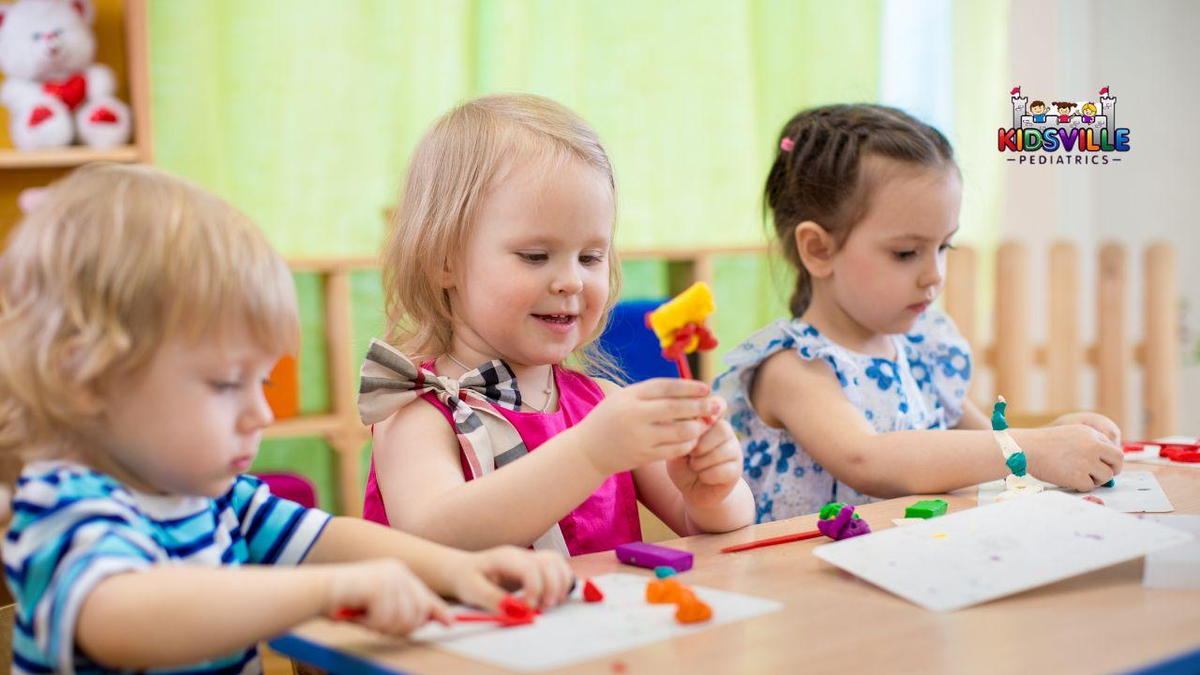
Promoting positive thinking and resilience in children is essential for their emotional development, and at Kidsville Pediatrics Southlake, we emphasize the importance of engaging in creative activities to boost emotional expression. Art, music, and creative play provide excellent outlets for children to express their feelings and develop coping skills that foster resilience.
Art as Emotional Expression
Creative activities allow children to explore their emotions in a safe and constructive manner. Through art, children can express thoughts and feelings that they might not yet have the words for. Drawing, painting, and sculpting enable them to externalize their inner world, making it easier to understand and manage their emotions. This form of expression can be particularly beneficial for children who struggle with verbal communication.
The Power of Music
Music is another powerful tool for emotional expression and positive thinking. Playing an instrument, singing, or even just listening to music can significantly impact a child’s mood and emotional well-being. Music therapy is often used to help children cope with stress, anxiety, and depression.
Benefits of Creative Play
Creative play, such as role-playing and storytelling, allows children to navigate their experiences and emotions in a controlled environment. This type of play helps build problem-solving skills and resilience by allowing children to experiment with different scenarios and outcomes. It also promotes empathy as children take on various roles and perspectives.
Building Resilience Through Creativity
Encouraging these creative outlets not only aids in emotional expression but also builds a foundation for positive thinking and resilience. By giving children the tools to understand and manage their emotions, we help them develop the confidence and coping skills necessary to face life’s challenges. At Kidsville Pediatrics Southlake, we are committed to supporting the emotional and mental health of children through these enriching activities, ensuring they grow into well-rounded and resilient individuals.
Family Bonding Activities to Strengthen Emotional Connections

Engaging in outdoor adventures is a wonderful way for families to bond and strengthen emotional connections. Whether it’s hiking through local trails, picnicking in the park, or exploring nature preserves, these activities foster a sense of togetherness while enjoying the outdoors. Outdoor adventures encourage teamwork, communication, and shared experiences that create lasting memories for children and parents alike.
Creative Arts and Crafts
Artistic activities provide a creative outlet for family members to express themselves and connect on an emotional level. From painting and drawing to crafting handmade decorations or keepsakes, these projects promote collaboration and support individual expression. Creative arts and crafts also encourage problem-solving skills and boost self-esteem as family members work together to complete projects.
Cooking and Baking Together
Cooking and baking as a family not only creates delicious meals but also strengthens emotional bonds. From planning recipes to preparing ingredients and sharing meals, these activities promote cooperation and communication in a relaxed setting. Cooking together allows children to learn valuable life skills while enjoying quality time with their parents, fostering a sense of accomplishment and emotional security.
Family Game Nights
Hosting regular family game nights is a fun way to promote family togetherness and strengthen emotional connections. Whether playing board games, card games, or outdoor games, these activities encourage laughter, friendly competition, and teamwork. Family game nights provide opportunities for bonding, communication, and building trust, creating a positive environment for emotional support and shared experiences.
Volunteering as a Family
Volunteering together as a family not only benefits the community but also strengthens emotional connections among family members. Whether participating in local clean-up efforts, volunteering at a soup kitchen, or supporting community events, these activities promote empathy, gratitude, and a sense of purpose. Volunteering fosters shared values and teaches children the importance of helping others, strengthening emotional bonds and creating meaningful memories.
Pediatrician Near Me: Recognizing and Addressing Signs of Anxiety and Depression
Parents and caregivers play a vital role in observing and understanding changes in their child’s behavior and emotions. Symptoms such as persistent sadness, irritability, social withdrawal, changes in appetite or sleep patterns, and difficulty concentrating can indicate underlying anxiety or depression.
Early intervention is key to managing these mental health issues effectively. It’s important for parents to maintain open communication with their children, creating a supportive environment where they feel comfortable expressing their feelings. Listening attentively and validating their emotions can help children feel understood and less alone in their struggles.
Seeking professional help from a pediatrician or mental health professional is essential if symptoms persist or worsen. These professionals can conduct a thorough evaluation to determine the underlying cause of the child’s symptoms and recommend appropriate treatment options. This may include therapy, medication, or a combination of both, tailored to the child’s specific needs.
Educating oneself about mental health issues and available resources is also beneficial for parents and caregivers. Understanding the potential causes and risk factors for anxiety and depression in children can aid in early detection and prompt intervention. By taking proactive steps to address these concerns, parents can help their children navigate emotional challenges and build resilience for the future.
At a pediatric center, recognizing and addressing signs of anxiety and depression involves a collaborative approach between pediatricians, parents, and educators. By working together to support children’s mental health, we can create a nurturing environment where every child feels valued, understood, and empowered to thrive emotionally and academically.


