

Navigating adolescence is a tumultuous journey, marked by a whirlwind of physical, emotional, and social changes. Among these, one of the most pervasive and often distressing challenges is acne. For many teenagers, the appearance of unwelcome blemishes can significantly impact self-esteem, leading to a cascade of negative effects on social interactions and overall mental well-being. Understanding what causes acne is crucial, as it isn’t just a superficial issue; acne is a skin condition that can leave lasting scars, both physically and emotionally, transforming what should be a time of self-discovery and growth into a battleground against persistent breakouts.
This article is your comprehensive guide to understanding and managing acne during these formative years. This resource aims to equip teens and their guardians with the knowledge and strategies necessary to tackle acne effectively. By delving into the root causes of acne, including hormonal changes, genetics, and lifestyle factors, we can better understand why acne occurs and how to prevent it. This guide will demystify the science behind acne, helping readers to see it not as a personal failure, but as a common issue with practical solutions.
Beyond understanding the causes, this guide explores a range of treatment options, from over-the-counter remedies and prescription medications to natural and holistic approaches. Each method is examined for its efficacy and potential side effects, enabling readers to make informed decisions about their skincare routine. Additionally, this guide addresses the emotional toll of acne, offering advice on maintaining self-esteem and confidence amidst the challenges. For personalized advice and treatment plans, you need to search for this online – pediatrician near me. This medical professional is invaluable in ensuring that teens receive tailored care suited to their specific needs.
More importantly, you will learn how to navigate this aspect of adolescence with resilience and confidence, turning a difficult experience into an opportunity for growth and self-empowerment. This guide is your ally in the journey toward healthier skin and a more confident you.
Understanding Adolescent Acne
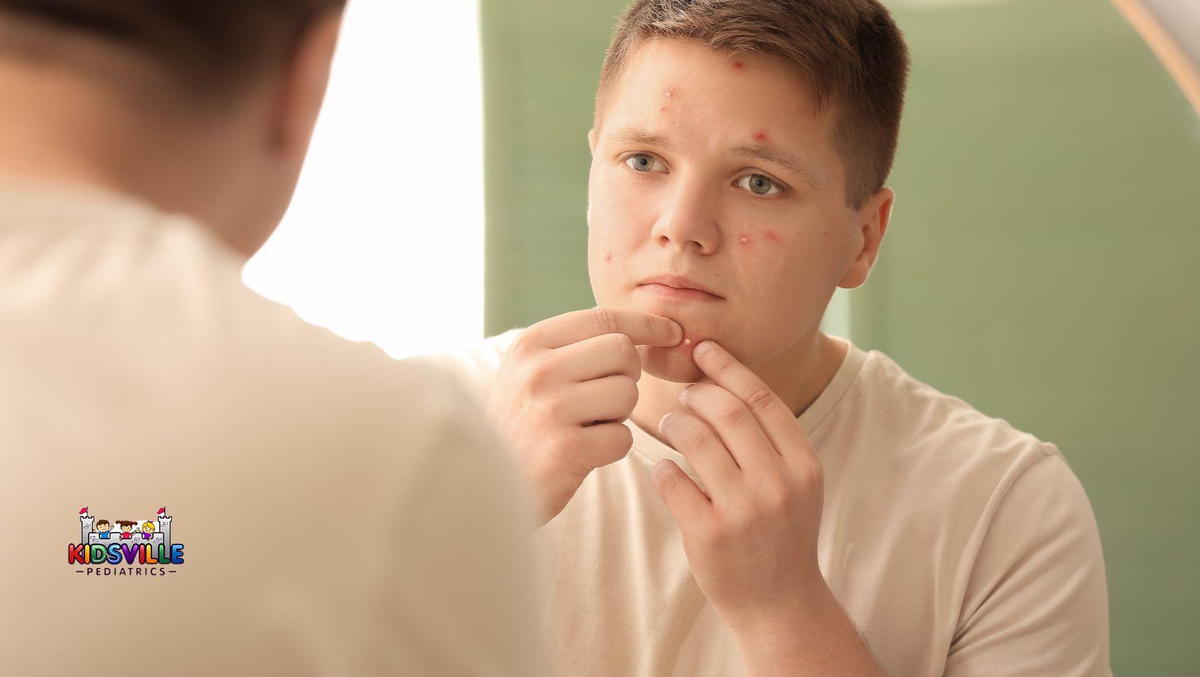
Acne is a common companion during adolescence, and it’s all thanks to the hormonal changes happening in your body. Let’s dive into the why behind adolescent acne and explore what’s going on beneath the surface of your skin.
During puberty, your body starts producing more androgens, which are hormones that play a key role in your development. While they’re essential for growth, these hormones also cause your skin’s oil glands, known as sebaceous glands, to kick into overdrive. More oil production means your pores can get clogged more easily, creating the perfect environment for acne to thrive.
But it’s not just about oil. The increase in hormones also accelerates the rate at which your skin cells shed. Normally, these cells would slough off and leave your skin without causing trouble, but with more oil on your skin, they can stick together and block your pores. This combination of excess oil and sticky skin cells forms a plug, leading to those dreaded blackheads, whiteheads, and pimples.
As if that weren’t enough, bacteria naturally present on your skin, called Propionibacterium acnes (or P. acnes), gets involved. When your pores are clogged, this bacteria can multiply rapidly, causing inflammation and redness that results in those swollen, painful pimples.
Understanding what causes acne during adolescence can help you manage it better. While you can’t change your hormones, you can adopt good skincare habits to keep acne at bay. Washing your face gently twice a day, avoiding overly harsh products, and not picking at your skin can make a big difference. If your acne is persistent or severe, don’t hesitate to seek advice from a pediatrician. They can provide guidance tailored to your skin’s needs and help you navigate the tricky terrain of teenage skin. Remember, you’re not alone in this, and with the right approach, you can keep your skin healthy and clear.
Developing a Skincare Routine
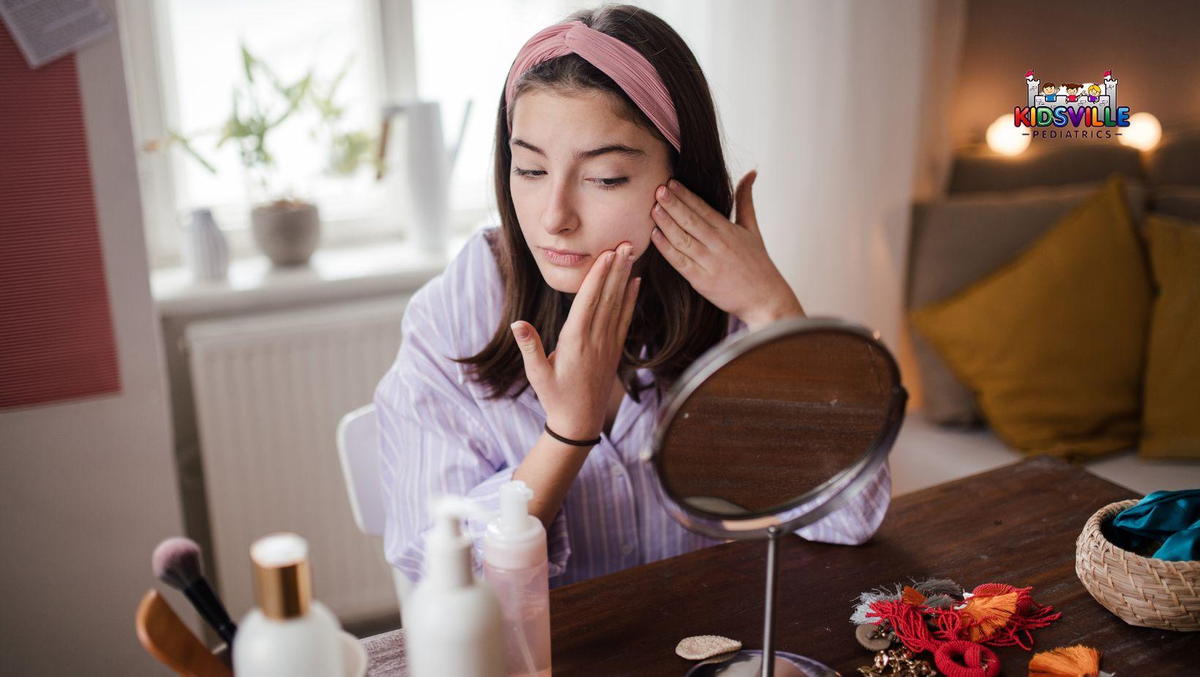
Getting into the groove of a solid skincare routine might sound like a chore, but it can be surprisingly fun and rewarding! Establishing a daily regimen is key to keeping your skin looking and feeling its best, and it’s simpler than you might think. Let’s break it down so you can start your journey to clearer, healthier skin.
First things first: cleansing. This is basic, yet foundational, skincare routine. Wash your face two times a day—once in the morning and once before bed. Pick a gentle cleanser that is suitable to your skin type, whether it is oily, dry, or combination. Work it into a lather and gently massage it onto your face in circular motions. This helps remove dirt, oil, and impurities without being too harsh on your skin. Rinse your face thoroughly with lukewarm water and then pat your face dry with a clean towel. If you’re unsure which cleanser is best for you, a visit to a pediatric clinic can provide valuable advice tailored to your skin’s needs. Remember, scrubbing hard won’t make your skin cleaner; it will only irritate it.
Next up is moisturizing. Even if you have oily skin, moisturizing is crucial because it helps maintain your skin’s natural barrier and prevents it from overproducing oil. Invest in a moisturizer that matches your particular skin type. For oily skin, a lightweight, oil-free moisturizer works wonders, while dry skin may benefit from a richer, creamier formula. Apply a pea-sized amount and gently spread it across your face. Don’t forget your neck—it’s part of your face too!
To take your routine up a notch, consider adding sunscreen in the morning. Protecting your skin from harmful UV rays can prevent damage and keep your skin looking youthful. Opt for a broad-spectrum sunscreen with at least SPF 30 and apply it as the final step in your morning routine.
Creating and sticking to a skincare routine doesn’t have to be complicated or time-consuming. With just a few minutes each day, you can achieve a healthy, glowing complexion. Plus, taking this time for yourself can be a great way to start and end your day on a positive note. So, why not give it a try?
Choosing Acne-Friendly Products

Choosing the right skincare products can feel like navigating a maze, but once you know what to look for, it becomes a lot easier. When dealing with acne, the term “non-comedogenic” is your best friend. Non-comedogenic products are specially formulated to not clog your pores, which helps prevent breakouts. When shopping for cleansers, moisturizers, or makeup, check the labels for this magic word.
The Power of Benzoyl Peroxide
Benzoyl peroxide might sound like something out of a chemistry lab, but it’s a superhero in the world of acne treatment. This ingredient works by killing bacteria that cause acne and reducing inflammation. Look for over-the-counter products with a benzoyl peroxide concentration of 2.5% to 5%. Higher concentrations aren’t necessarily more effective and can be harsher on your skin. Begin with a lower concentration and observe how your skin reacts. Remember to use a moisturizer alongside, as benzoyl peroxide can be drying.
Salicylic Acid: Your Skin’s Exfoliating Ally
Another key ingredient to look for is salicylic acid. This beta-hydroxy acid helps to exfoliate the skin and clear out clogged pores. It is effective for treating blackheads and whiteheads. Salicylic acid is also found in cleansers, toners, and many spot treatments. When starting out, use a product with a 0.5% to 2% concentration to see how your skin reacts. As with benzoyl peroxide, it’s important to not overdo it; too much can irritate your skin.
Consulting the Experts
If you’re feeling overwhelmed or unsure about which products to choose, don’t hesitate to seek help from professionals. A visit to a pediatric clinic can provide personalized recommendations suited to your specific skin needs. Pediatricians can offer guidance on what products to use and how to incorporate them into your daily routine effectively.
Navigating the world of skincare products doesn’t have to be daunting. By focusing on non-comedogenic options and understanding the benefits of ingredients like benzoyl peroxide and salicylic acid, you can build an effective regimen that helps keep your skin clear and healthy.
Healthy Lifestyle Habits

Let’s start with diet. Your skin isn’t a fan of junk food parties. Greasy, sugary treats might taste like heaven in your mouth, but they can leave your pores feeling like they’ve been through a frat house rager. Opt for more veggies and fruits—they’re like the chill guests who don’t cause drama.
Exercise, though? That’s your skin’s wingman. Sweating it out helps clear out those pesky toxins that can clog up your pores faster than a traffic jam during rush hour. Just remember to wash your face afterward—nobody likes a sweaty face without a follow-up cleanse.
Now, sleep. Your skin needs its beauty rest too. Skimping on shut-eye is like telling your skin to party all night long—it’s fun until you wake up with a surprise guest named pimple. So, hit the pillow like it’s a luxury hotel and let your skin recharge.
Lastly, stress. Your skin can totally pick up on your mood swings. Pediatric care emphasizes that stress sends your hormones into a frenzy, and your skin is like, “Hold up, what’s going on?” Meditation as well as a good laugh with friends can be weapons against stress—and your skin will surely thank you.
So, there you have it. As every pediatric center cites, feed your skin good stuff, sweat out the bad stuff, give it plenty of beauty sleep, and keep the stress levels down.
Dealing with Social and Emotional Impacts

Acne during adolescence can feel like a spotlight on your skin, and the psychological effects are no joke. It’s like trying to ace a test while everyone’s staring at your face instead of your answers.
First off, let’s talk about self-esteem. Acne can feel like it’s shouting, “Hey, look at me!” when all you want is to blend into the background. But remember, you’re way more than your skin. Focus on your talents, your humor, and your awesome personality—those are the real stars of the show.
Social stuff can get tricky too. Maybe you’ve canceled plans or avoided photos because of a breakout. It’s normal to feel self-conscious but try not to let acne dictate your social life. True friends care about you, not your skin. Go out, have fun, and remember, everyone gets a pimple or two.
Managing stress is key. Stress and acne can sometimes feel like partners in crime. Find what relaxes you—whether it’s painting, playing games, or chilling with your pet. Taking time for yourself helps keep stress levels in check and your skin will thank you for the break.
Skincare routines can be a game-changer, especially when it comes to acne treatment for teens. A good routine isn’t just about cleansing; it’s a daily reminder that you’re taking care of yourself. Treat your skin gently, hydrate, and use products that work for you. It’s like giving your skin a high-five every morning and night.
So, embrace your uniqueness, hang out with people who lift you up, and don’t let acne steal your spotlight. You’re the star of your own show, acne and all.
When to Seek Professional Help
When it comes to acne, sometimes DIY remedies just don’t cut it. Severe acne isn’t just a few bumps—it’s like a takeover bid from the breakout brigade. If over-the-counter potions are waving the white flag and your skin still refuses to cooperate, a dermatologist can be your superhero. They’ve got the tools and know-how to tackle those stubborn spots with precision.
Persistent redness or painful cysts? Your skin might be trying to tell you something. When acne starts throwing tantrums like these, it’s a sign to dial up the dermatologist. They can assess what’s going on beneath the surface and tailor a battle plan that suits your skin’s needs.
Scars from past acne battles sticking around like unwanted guests? A dermatologist has your back with treatments that can fade those reminders of yesteryear, providing the best acne treatment for teens. Whether it’s laser therapies or specialized creams, they’ve got the tools to smooth out the battlefield and leave your skin feeling victorious.
Just remember, everyone’s skin is different. What works for someone else might not be your magic potion. Don’t wait for acne to leave a lasting mark. Connect with a dermatologist who can create a personalized plan to bring back your skin’s peace and restore your confidence.
Long-term Skin Care Strategies

Consistency is paramount, akin to establishing a dependable skincare routine that becomes a trusted ally. Cleansing your face morning and night is akin to offering your skin a refreshing wake-up call and a soothing bedtime embrace. Select products tailored to your skin type—whether oily, dry, or a combination—to ensure optimal care.
Hydration remains your skin’s secret weapon. Ensure ample water intake to maintain its suppleness and radiance. Water acts as a dedicated supporter, enhancing your skin’s natural glow from within.
Sunscreen stands as your steadfast companion. UV rays can disrupt your skin’s balance like unwelcome party crashers. Apply sunscreen daily, regardless of weather conditions, to safeguard your skin’s health and longevity.
In terms of lifestyle, equilibrium is crucial. Stress poses a significant challenge to clear skin, so prioritize activities that promote relaxation—be it yoga, music, or spending time with loved ones. Your skin thrives in a stress-free environment.
Lastly, nourish yourself with wholesome foods. Your skin thrives on the vitamins and nutrients found in fruits, vegetables, and whole grains. Consider this a daily gourmet treat for your skin.
By maintaining these practices, you’ll enjoy clear, radiant skin that exudes confidence—acne-free and poised to conquer the world!
Conclusion

In conclusion, adolescence can be a turbulent time, exacerbated by the presence of acne and its profound effects on self-esteem and social interactions. Acne is not merely a superficial concern but a significant skin condition that demands attention and care. By understanding the hormonal, genetic, and lifestyle factors contributing to acne, teens can empower themselves to take proactive steps towards clearer skin.
Effective skincare routines, including gentle cleansing, moisturizing, and regular sunscreen use, form the foundation of acne management. Choosing non-comedogenic products and incorporating ingredients like benzoyl peroxide and salicylic acid can further enhance treatment efficacy. It’s essential to approach skincare holistically, considering not only topical treatments but also the role of hydration, diet, exercise, and stress management in maintaining skin health.
Seeking professional guidance from a dermatologist or pediatrician is pivotal, especially for persistent or severe acne cases that require specialized treatments like laser therapies or prescription medications. Addressing acne comprehensively not only improves physical symptoms but also fosters a positive self-image and mental well-being.
Throughout this journey, remember that acne is a common experience shared by many adolescents. It does not define one’s worth or beauty. By embracing individuality, practicing self-care, and nurturing supportive relationships, teens can navigate the challenges of acne with resilience and confidence.
Ultimately, managing acne is about empowerment—taking charge of your skincare regimen, making informed decisions, and prioritizing overall health. With dedication and patience, clear and healthy skin is achievable, allowing teens to embrace their unique identities and thrive during this transformative stage of life.


